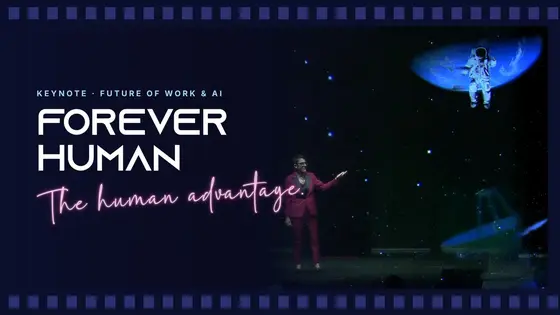
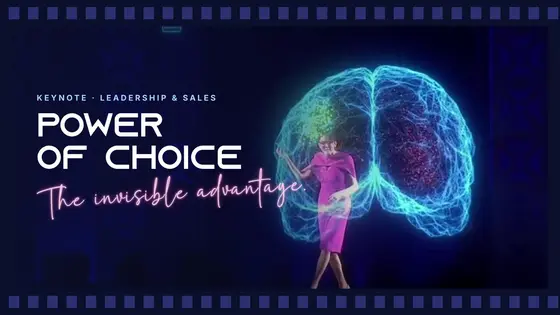
From extra work to extraordinary access
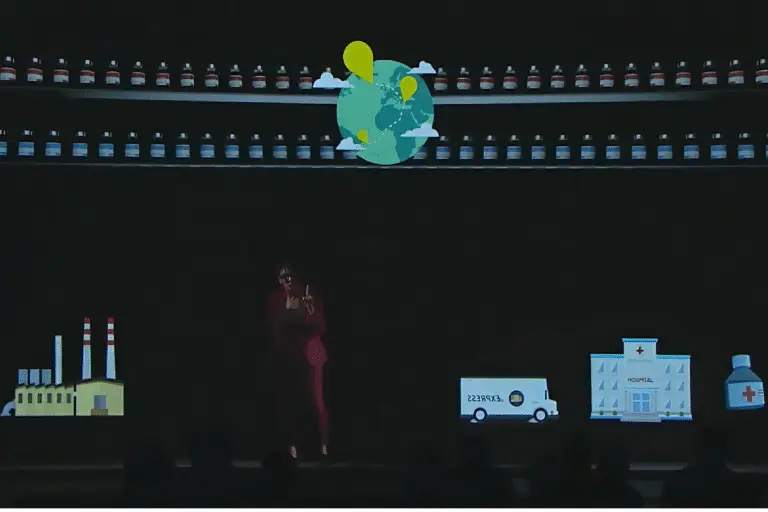

It is easy to treat customization like a checklist. Add the logo. Mention the city. Reference the CEO. Include the new product name. Done. That is not customization. That is decoration.
When a client opens the curtain and lets you behind the scenes, they give you something extraordinary: insight, access and trust. One week you are with the leadership team of a healthcare system, the next at an innovation summit for engineers, then at a strategy offsite with a nonprofit fighting systemic inequity. That kind of access is rare, and it deserves to be treated as sacred.
We are not there to deliver our story. We are there to reflect theirs back to them with clarity and care, including the nuances they may never say out loud: the quiet pride in their work, the unresolved tension between departments, the subtle language that signals who belongs. Sometimes the most powerful moment in a keynote is not the story we tell, but the one we affirm from inside their reality. When people see their own world mirrored accurately and with empathy, they do not just feel understood. They feel validated.
Customization is not about making your keynote better. It is about making your audience matter.
Why customization is design, not decoration
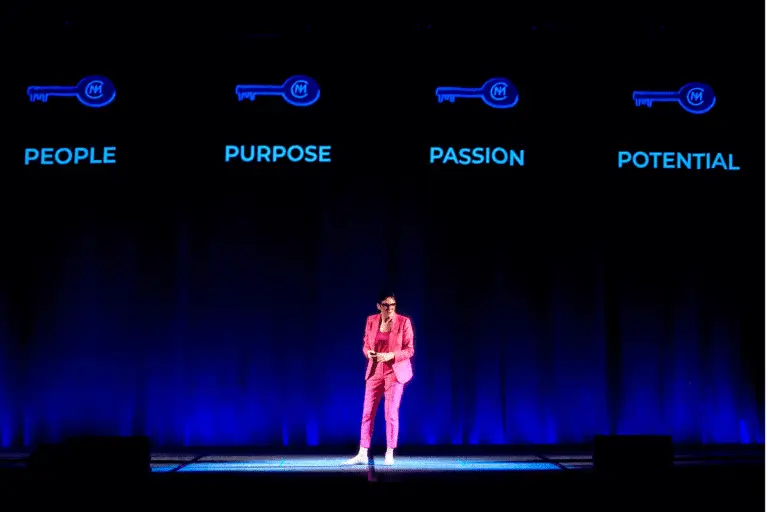
A logo on your slides and a name-dropped department head are theater. Audiences can spot a recycled talk dressed up in local colors from a mile away, and when they do, it is not just disappointing. It is offensive. It tells them the speaker did not see them as unique, did not value the opportunity and did not respect their time. A keynote that could be delivered word for word to the group next door says: this was not made for you. People disengage, then disconnect.
What audiences crave is relevance: language that sounds like theirs and a speaker who understands their pain points, their pride and their pressure. Professional speakers who customize:
- truly listen to the client
- learn the organization’s tone, values, tensions and aspirations
- talk to several stakeholders to build layered insight
- use metaphors, stories and examples that feel native to the room
- adjust tone, pace, delivery and even body language to the audience’s energy
- reflect back what they learned, to show they care, not to earn applause
- test their assumptions to avoid clichés and misrepresentations
- tailor the opening moments for immediate resonance
- design transitions that mirror the organization’s own path, from challenge to change
- anticipate resistance and address it with empathy
- weave in the event’s larger arc so the keynote feels integrated, not isolated
Done right, it creates a shared moment impossible to replicate anywhere else, one that lingers in conversations, decisions and culture. That is what separates the best keynote speakers from a good presenter. Customization tells every person in the room: you matter enough for this to be different.
Audiences do not want a better version of your last speech. They want the only version of this one.
The risk of faking it
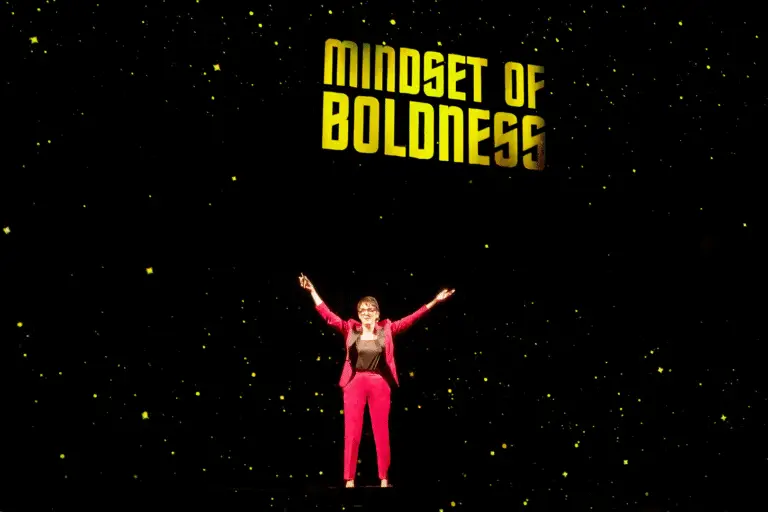
You cannot fake customization. The audience always knows. Walk on stage with a barely edited version of last week’s keynote, and people scroll, daydream, check their badge and move on. The client feels dismissed: they gave you access to their world, and you brought something generic. That is not a miss. It is a trust issue, and shallow customization erodes your credibility, because when someone senses you did not try, they write you off.
To be clear, neither clients nor audiences expect you to become an insider or a subject matter expert overnight. Customization is not impersonation or trying to pass as one of them. Pushed too far, that comes across as inauthentic or, worse, patronizing. It is about showing you made the effort to understand their world, not proving you belong in it.
Without that effort, you are not a thought leader. You are a content repackager, and the internet does that faster. A templated talk is more than lazy. It is loud disrespect, packaged with a smile.
Content is everywhere. Context is rare.

There was a time when great content made you a standout speaker. Today, knowledge is everywhere: YouTube, podcasts, LinkedIn, ChatGPT. Brilliant frameworks are available on demand. So what keeps professional speakers relevant? Context.
Context is the one thing you cannot download. It is the lived understanding of how to deliver the right message to the right people at the right time: the nuance, the pause, the adaptation in the moment, being fully in the room with the room. Speakers who customize bring pattern recognition across industries, the emotional intelligence to change course mid-sentence, and stories chosen because they fit this moment, not because they are on the script. Their credibility comes from presence, not perfection.
You are not hired to know the most. You are hired to know what matters right now, in this room.
What does customization look like in real rooms?
A few rooms that trusted me with their world, and what that meant for the keynote.
HDA: honoring a world everyone relies on
Sometimes customization does not end with the keynote. It invites others in. At Boys & Girls Clubs of America, CFO Sam Unglo did not just follow my message. He stepped into it, literally, using the same 3D immersive environment to bring his own bold vision to life. I told that story in nonprofit events should not be boring.
Questions smart planners should ask professional speakers
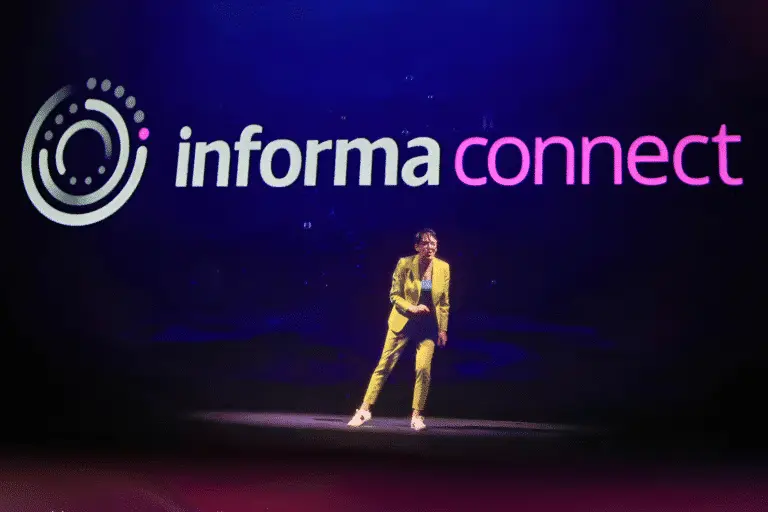
Many speakers promise customization. You will not know whether they deliver until they step on stage, unless you ask the right questions in advance. If you are serious about impact and not just stage presence, ask:
- How do you research a client’s industry and culture?
- Who on our team would you ideally speak with beforehand?
- Can you share an example of a customized keynote you have delivered?
- How do you make sure your message feels fresh and specific to each group?
- What is your process for tailoring tone, pace or delivery?
- What happens when you uncover something unexpected during prep?
- How do you know when your content is resonating, or not?
- Can you adapt your stories or frameworks to different audience levels?
- How do you connect your background to ours, even if our industries differ?
- What would you do differently for us compared to the last audience you served?
- If our website did not exist, how would you learn about us?
- What is the most surprising insight you have ever uncovered during pre-event research?
- How do you tailor your first 60 seconds so the audience feels instantly understood?
- When you review a company’s internal materials, what are you looking or listening for?
- How do you prepare differently for a private retreat versus a large conference?
- How would you adjust if you realized mid-keynote that the tone of the room had shifted?
These are not just filters. They are insight tests. When a speaker answers with specificity, curiosity and genuine thought, you learn more than their process. You see their mindset, and whether customization is a philosophy or a performance. The goal is not a speaker who can adapt. It is one who chooses to, every single time.
Your job is not to say something. It is to say something that matters.
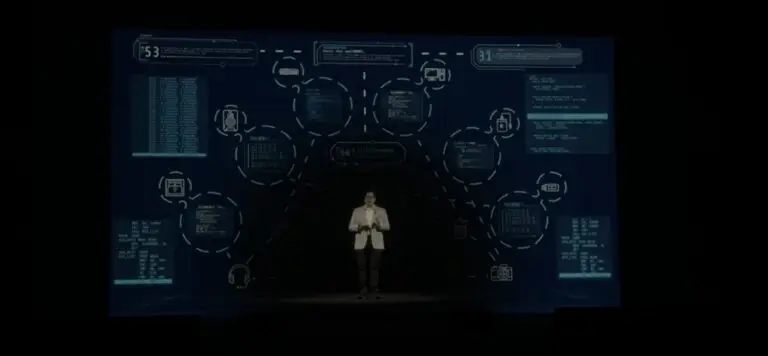
As a professional speaker, you are trusted with extraordinary stories and missions. When you are given that trust, show up prepared, curious and ready to customize with heart. You are not hired to deliver a talk. You are hired to say something that feels made for this room, this moment and these people. Because it was.
Customization is not a bonus feature. It is the benchmark, the proof that you prepared and listened and that this is not just another line in your calendar. Done well, it builds trust, strengthens the relationship with the client and makes the audience feel respected. Most of all, it makes the keynote applicable: it shows up in conversations, meetings and leadership moments the very next day. The goal is not applause. It is applicability.
Great customization does not say, “Look at me.” It whispers, “I see you.”
That is the standard behind every 3D immersive experience I build. For more on choosing well, read how to find a keynote speaker and why to hire speakers who understand your industry.