13 sales keynote speakers worth booking
A note on selection and order: I have personally seen every speaker here present. They are listed alphabetically by last name, not ranked, because this is a curated selection, not a leaderboard. And yes, I included myself. It would be odd to leave my own name off a list I stand behind.
Victor Antonio
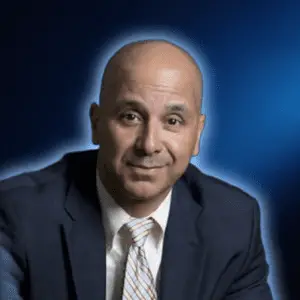
Victor looks at selling the way an engineer looks at a machine: process, psychology, velocity. He explains why buyers resist, how to remove the friction that stalls a deal, and, with Sales Ex Machina, he was talking about how AI reshapes the entire sales function years before everyone else caught up. High energy, and unmistakably systematic. For sales leaders who want to see the engine behind the results instead of a quick motivational jolt, he is the pick.
Bill Cates
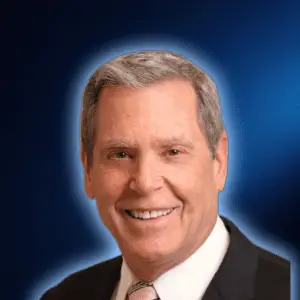
Nobody makes a stronger case for growing through relationships than Bill. He is the authority on referrals and introductions: how to become so referable that your best clients hand you the next ones, no cold outreach required. His frameworks are specific enough that a team can use them the same week. If your growth should come from trust rather than sheer volume, Bill is exactly right.

Sylvie di Giusto
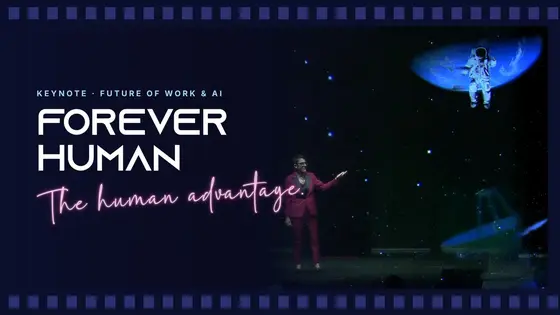
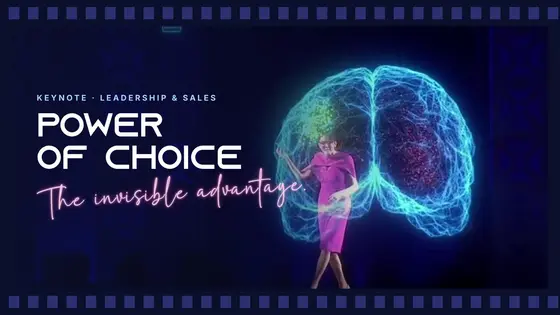
Full disclosure: that is me. I focus on the human behavior underneath every buying decision, the unconscious signals in appearance, behavior, communication, digital footprint and environment that decide in seconds whether a buyer trusts a seller. I help sales teams turn those instinctive moments into intentional choices that build trust and shorten the path to yes. And I deliver it as the world’s first 3D immersive holographic keynote, so the audience does not just hear about behavior. They step inside it.

Jason Dorsey
Jason brings the generational lens to selling, and he grounds it in hard research instead of stereotypes. He shows teams how Gen Z and Millennials actually buy, trust and decide, and how the assumptions sellers carry around quietly cost them deals. The data makes him credible even in skeptical rooms. For a sales force selling across generations and guessing wrong, he is the wake-up call.

Sally Hogshead
Sally studies why some people are simply impossible to ignore. Her science of fascination is differentiation at the level of perception: find your distinct advantage, then use it so buyers remember you and choose you. Her original research keeps it far away from pep-talk territory. For sellers who blend in when they should stand out, Sally is the one.

Mark Hunter
Mark, “The Sales Hunter,” is the speaker for teams that need to fill the pipeline without slashing the price. His focus is prospecting and high-profit selling: finding the right buyers and protecting your margin instead of discounting your way to a close. Practical, and refreshingly free of fluff. For sellers who would rather hunt than wait for leads to fall into their lap, he delivers.

Phil M. Jones
If your sales team has a words problem, Phil solves it. He built a global following around the exact language that moves a conversation forward, precise and repeatable phrases that turn hesitation into a yes (Exactly What to Say is practically a field manual). What sets him apart is how fast it works: a rep can use his lines on the very next call. For a team that knows what to sell but freezes on how to say it, Phil is the fix.

Scott McKain
Scott answers the question every seller faces sooner or later: in a market full of look-alikes, why you? His work on distinction and “iconic” customer experiences is about competing on the experience you deliver, not on price, so clients choose you and stay. Where Sally works on personal magnetism, Scott works on the business and the customer experience. For teams fighting commoditization, he stands out.

Vince Poscente
An Olympic speed skier turned Hall of Fame speaker, Vince brings the psychology of performing under pressure. His Age of Speed work is about execution velocity: how top performers move fast without burning out, and how sales teams turn urgency into an advantage instead of anxiety. The stories from elite sport make it stick. He is the mindset pick for a team that needs to raise its tempo.
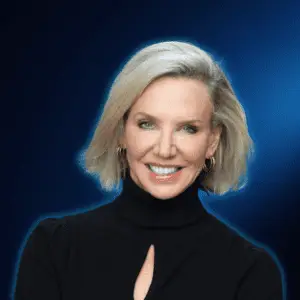
Meridith Elliott Powell
Meridith comes into her own when the market itself is the obstacle. Her work is about selling, and thriving, in uncertainty: how teams stay confident, proactive and effective when conditions are anything but stable. She mixes strategy with genuine grit, so people leave with a plan and the resolve to use it. For any sales room facing change it did not choose, she is a steadying and energizing voice.

Sam Richter
Sam owns the part of selling that happens before the conversation even starts. Widely called the father of modern sales intelligence (his Take the Cold Out of Cold Calling was named Sales Book of the Year), he teaches teams to research smarter, using the web and AI to walk into every call already knowing what matters to the buyer. It is the antidote to generic spray-and-pray outreach. For teams who want every conversation to feel personal and prepared, Sam is essential.

Ford Saeks
Ford works the line where marketing turns into sales. He is a business growth and customer acquisition expert, and more and more an authority on AI for growth, helping organizations attract the right buyers and convert them at scale. He thinks in systems, so audiences leave with a repeatable engine rather than a one-off tactic. For leaders thinking about growth, not just the next call, Ford connects the dots.
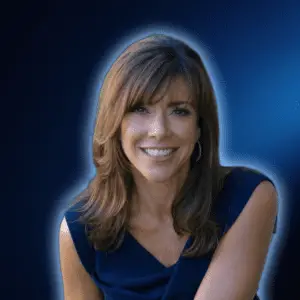
Terri Sjodin
Terri zeroes in on the moment most sellers wing: the presentation itself. Her multi-year research behind Presentation Ready pinpoints the dozen mistakes that quietly cost the deal, and shows how to deliver a pitch that persuades instead of merely informs. Because it is research-based, it lands even with experienced teams who think they have heard it all. If your people’s content is strong but the delivery falls flat, Terri is who fixes it.
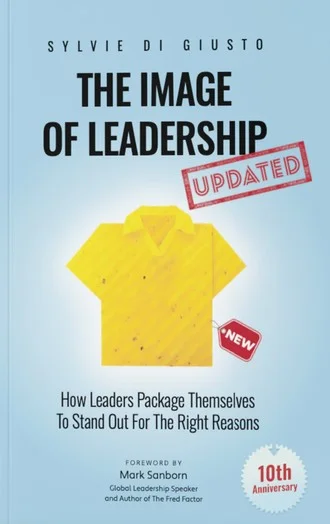
The Image of Leadership: Sales Edition
Buyers read a seller in seconds: appearance, behavior, communication, digital footprint, environment. The Sales Edition of The Image of Leadership walks your team through all five with examples from their own world, and it makes a useful take-home after any sales keynote.