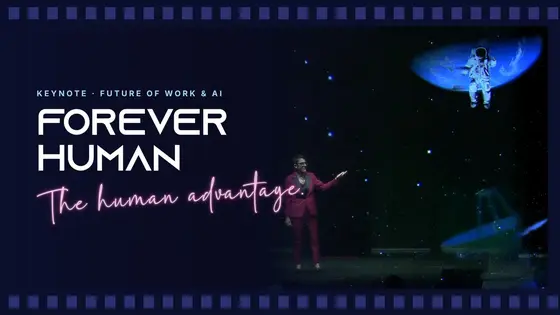
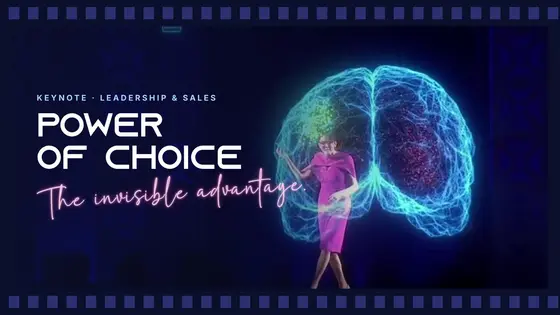
The science of wow: how do holographic effects hold the brain’s attention?
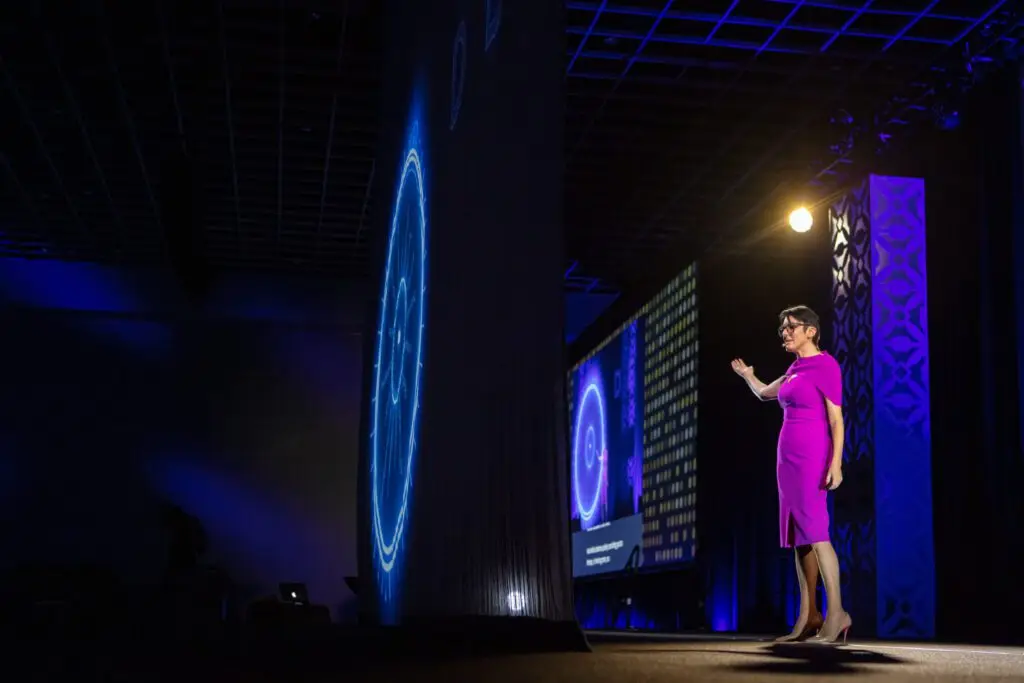
Traditional visuals are predictable. PowerPoint slides deliver information, but they rarely engage the brain on a deeper level. Holograms trigger something called selective attention. When visuals seem to defy reality, like a 3D projection floating in midair, the brain instinctively shifts its focus to process what it is seeing. That is more than “cool.” It creates an emotional connection that strengthens retention and engagement.
Mirror neurons play a role too. These specialized brain cells fire both when we perform an action and when we watch someone else perform it, and they are critical for empathy, learning and imitation. When audiences watch a hologram speaker interact with 3D visuals, their mirror neurons engage and they feel part of the action. Slides cannot replicate that sense of involvement.
Holograms use movement, depth and light to create a multisensory experience that turns passive watching into active participation. They tap into the brain’s natural curiosity and invite the audience to lean in. The brain loves a challenge, and a hologram hands it a puzzle it cannot resist solving.
Something fascinating has happened to me over my years as a holo speaker. Because I cannot see the audience in the dark, my brain has learned to read their reactions and our connection in new ways. I feel the energy in the room shift. I hear their awe as a hologram unfolds.
It is not about impressing an audience. It is about connecting with them in a way they, and I, will not forget.
Lighting the stage: what role does atmosphere play in holographic magic?

Darkness, contrast and lighting angles decide whether the holograms look vivid and real. Unlike slides, holograms need depth. A perfectly calibrated stage creates the illusion of floating visuals and turns a plain platform into a storytelling space. Ambient light, reflective screens and strategic darkness work together so the visuals shine, literally and figuratively.
The darkness and mystique also affect how people learn. In a dark room, the brain minimizes distractions and prioritizes the vivid visuals and sounds. That controlled environment supports what psychologists call context-dependent memory: learning is encoded more deeply because of the unique atmosphere, which makes it easier to recall later.
Mystique adds curiosity and wonder, which stimulates dopamine, closely tied to learning, memory and motivation. So the dark, immersive setting does more than support the visuals. It strengthens the cognitive impact of the whole presentation. A hologram turns the stage into a canvas for wonder.
The atmosphere starts before the keynote does. Mystical music greets attendees as they enter a dimmed room, and soft, dancing floor lights set the tone. Some clients add small holographic brain lamps that I provide, so people sense right away that they are stepping into something different. That is the beauty of holography: the venue itself becomes part of the story.
Blurring boundaries: when do digital effects feel tangible?
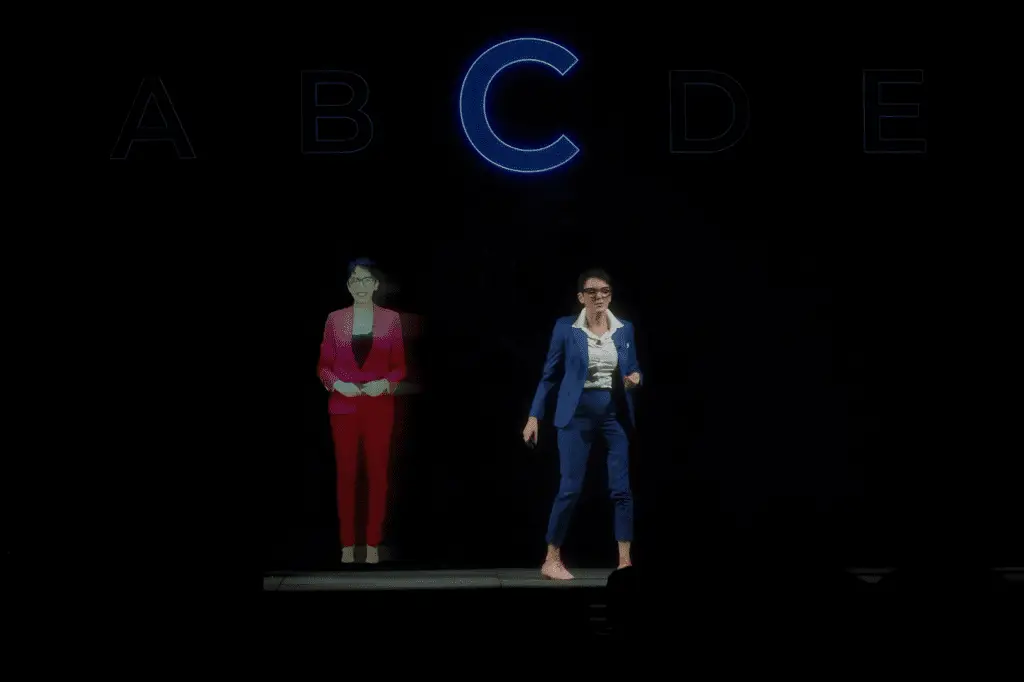
One of the most extraordinary things about holography is how they blur the line between digital and physical. Slides communicate information, but they stay on a screen. Holograms break free and create visuals that feel almost touchable, which makes ideas more relatable.
Imagine a speaker stepping inside a holographic brain to show which areas light up during decision-making. Or, instead of talking about the impact of appearance in a sales conversation, changing outfits in the middle of the presentation. Or shifting tone, pace or accent in real time to demonstrate communication dynamics. Those moments make the intangible tangible, and they give the audience a sense of presence and connection.
The magic is so convincing that audience members often try to work out how it is done, like a magic trick. One attendee once whispered to me, sure she had cracked the code: “I know you have a twin sister performing the other part of your interaction on stage.” It is surreal, even for me, and it shows how deeply holography sparks curiosity. Nobody tries to reverse-engineer a slide deck.
Customized spectacles: how are holograms tailored to every audience?

No two audiences are the same, so why should their experience be? Traditional presentations often follow a one-size-fits-all approach. Holograms thrive on customization, from personalized branding to audience-specific visuals.
Holographic presentations can feature custom animations that reflect an audience’s industry or challenges. Picture a sales conference where data points come to life as 3D visuals tailored to the company’s performance, or a healthcare event where a hologram shows new research in vivid detail. Personalization makes every audience feel seen and valued.
It also creates an emotional connection. Attendees recognize the effort behind visuals built around their specific challenges, goals and industry, and they respond with appreciation and engagement a generic display never earns. When a presentation feels personal, it connects.
With each conference planner, I design a bespoke holographic experience and integrate their themes, logos, products, services and key messages. Feeling an audience light up when they realize the holograms were made specifically for them is one of my favorite parts of this work. More on that in what a holographic presentation is.
The future of sponsorships: how can brands use holographic effects?
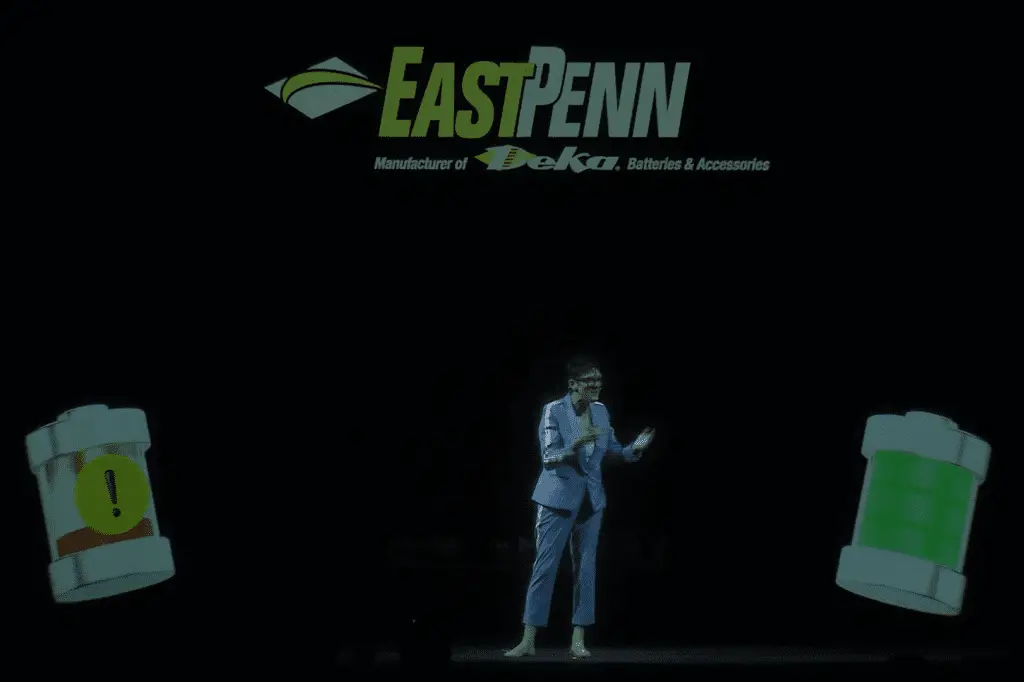
Sponsorship matters for many events, and holograms are changing how sponsor brands engage attendees. Traditional sponsorships rely on banners, videos and logos: effective, and often forgettable. Holograms make a brand come alive in a moment the audience cannot help but notice.
Imagine a sponsor’s product floating in midair during a keynote, or their logo shimmering as part of a dynamic transition. Sponsors get to show their brand in a creative, visually stunning way that feels integrated into the event instead of bolted on.
For planners, this opens new ways to offset production costs or even increase sponsorship revenue. Sponsors are eager to invest in technology that gives their brand a unique presence. Attendees get a better experience, sponsors get more value, and everyone wins. A hologram does not just show a brand. It makes it unforgettable.
I have collaborated with sponsors to feature their products holographically, and I have seen the excitement it creates. It is visibility, and it is also a memorable moment that helps them stand out in ways they rarely could on their own. Holograms turn sponsorship into storytelling, so the event and the brand both leave a lasting impression. For more ideas, see sponsor activation beyond logos and lanyards.
Want to bring that wow factor to your next event? Explore my 3D immersive keynote experience, or start with how much a hologram presentation costs.