Why does the keynote speaker matter so much?
The keynote speaker sets the tone for the entire event. Their words and their energy frame everything that follows. The right one leaves your audience with something that lasts long after the closing reception, and a positive memory of your event attached to it.
A keynote speaker plays several roles at once. They give context and insight into your theme. They bring a unique perspective, often through their own experiences, which helps attendees see complex topics in a new way. They build energy and anticipation, so people engage with the rest of the program instead of drifting toward the exits.
And they can build community. A message that resonates creates a shared experience, something the whole room went through together. Add practical advice attendees can use the next day, and you have a keynote that pays for itself.
The good ones also know restraint. They pick one or a few key points, go deep and keep it interactive, instead of trying to say everything they know in sixty minutes.
How do you identify the right keynote speaker?
Start with your event’s needs and goals
What should your attendees take away? Practical insights, or a motivational message? Which issues do you want to address? Which message do you want to send? Your answers define the kind of speaker you need.
A technology conference might need someone who can speak to the latest trends and innovations in the industry. A leadership summit might call for someone whose personal story inspires people to lead differently. Same stage, very different brief.
Research potential speakers
Search online for speakers who specialize in your topic or industry. Most have websites or profiles with speaker bureaus that describe their background, expertise and style. Then ask around: colleagues, industry experts and past attendees often remember speakers who impressed them, and the ones who did not.
Evaluate expertise and presentation style
Look for a relevant background, a deep understanding of your topic and a proven ability to engage. Watch videos of past presentations, and ask for full recordings if you only find short clips. You learn more about tone, style and connection from minute 37 than from a 90-second sizzle reel.
Also check availability and willingness to tailor the presentation. A great speaker adapts their message to your audience and your goals, and wants to.
The perfect keynote speaker is exceptional on stage and effortless behind the scenes.
How to hire a keynote speaker, step by step
011. Research and shortlist
Build a list of speakers with experience in your industry or expertise that matches your theme. Speaker bureaus, industry associations and colleagues are good starting points. Then dig into each one: website, social media, previous presentations. You are checking fit, not fame.
022. Contact and negotiate
Reach out with the details of your event. Be clear about your expectations, your theme and your audience demographics. Discuss the presentation, the fee and the logistics, and document every agreement in writing. Clarity now prevents surprises later.
033. Finalize the contract and prepare
Once the contract is signed, make sure your speaker has everything they need: the event schedule, audience size and any specific requirements. Provide the equipment and support they need, from microphones to projectors to other AV, and give them the chance to test it. A rehearsal before the event is always a good idea.
How do you make sure the keynote delivers?
Collaborate on a customized presentation
A great keynote feels personal and relevant. Share background information, your challenges and your culture, and talk through how the message can land with your people. The best speakers will push you for more information than you planned to give.
Build in interactive elements
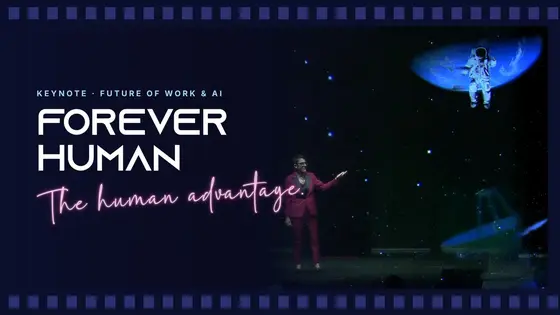
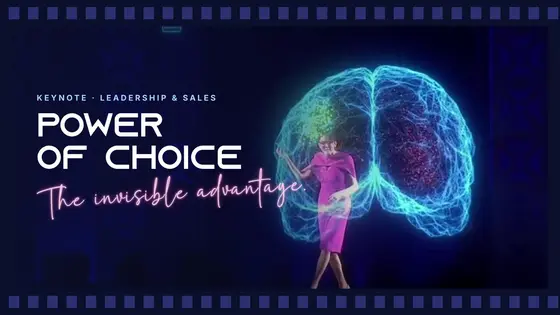
Q&A, crowd participation, interactive tools: anything that turns listeners into participants keeps your audience engaged and makes the experience more memorable. In my own keynotes, that includes 3D immersive technology that pulls the audience inside the story.
Look for exceptional on stage, effortless behind the scenes
The perfect keynote speaker captivates the room, and is easy to work with before anyone sees them. Approachable, collaborative and responsive. That is the foundation for a smooth partnership with event planners, meeting professionals and bureau partners. Clear communication, flexibility and a strong work ethic matter as much as charisma.
I take this personally, because I have been on your side of the table. I know the diligence it takes to find the right speaker and the risk that rides on a single stage. That is why I approach every engagement from the planner’s perspective first, with zero diva and your event first, every single time.
Want the cautionary version? Read the 7 keynote speaker mistakes that can make or break your conference, and see why it pays to hire speakers who understand your industry.