Why does a public speaker arrive early and stay late?
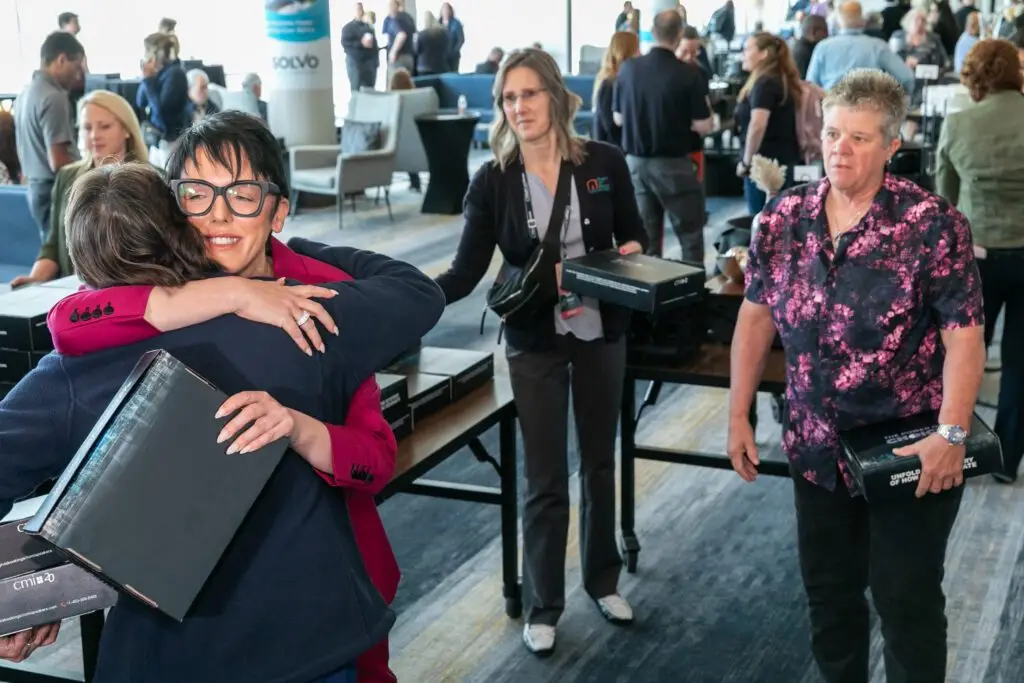
Ever been on a great date that ended with a handshake? That is what rushing out after a keynote feels like: awkward, unfinished and kind of missing the point. Stick around. That is where the real connection begins.
Being a public speaker is not about jetting in for the mic check and leaving with the last round of applause. It is about presence before, during and after. I arrive early because relationships are not built in a green room. They are built in hallway chats, at tech rehearsals and sound checks, over coffee with people who will never be in the spotlight but hold the whole show together.
I stay late because the speech ends, but the impact does not. Some of the most meaningful moments happen after the lights go out: the personal conversations, the quiet thank-yous, the “you made me think differently.” The keynote is not the destination. It is the door.
Rehearse, rehearse, rehearse (then do it again)
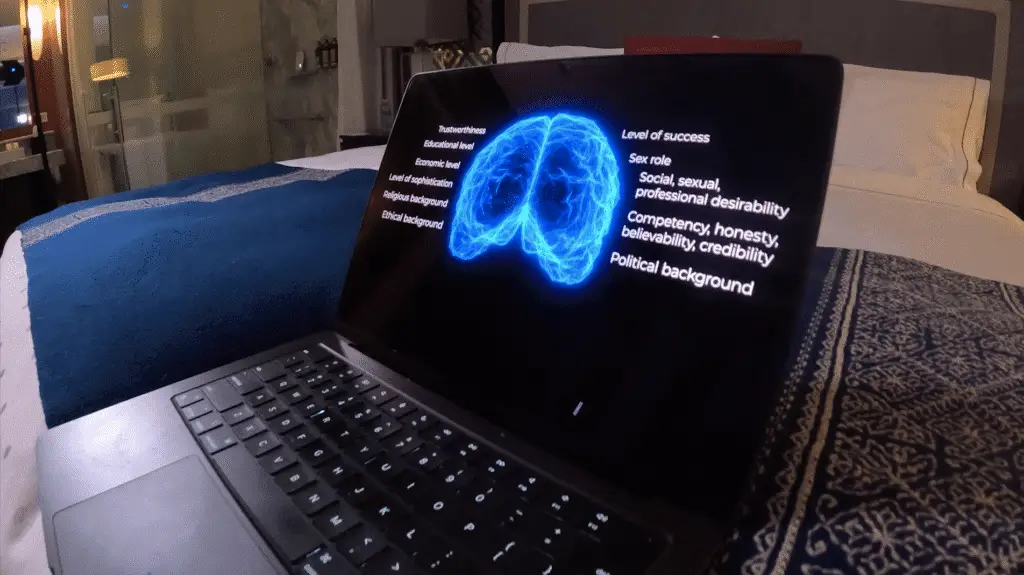
Years ago, I watched Mark Scharenbroich, the greatest keynote speaker I have ever seen, rehearse alone in a quiet green room minutes before he went on. It was a turning point. Even at the very top of the profession, the best still rehearse. Not because they doubt themselves, but because they respect the audience, the moment and the message. That day I promised myself: never wing it. Not even once.
The best speakers make it look natural, but natural is not the same as winging it. The only thing I ever wing is eyeliner.
I rehearse until the words feel like water. Until the transitions live in my body. Until the pauses feel like punctuation, not panic. Rehearsal is not memorization. It is freedom: the freedom to be present, fluid and human. Preparation is how you earn the right to improvise intelligently, with every cue precise and every layer of tech rehearsed to within an inch of its pixelated life.
If you are a public speaker and think you are good enough to wing it? You are not. Not yet. Probably never. Keep rehearsing.
It is a team effort, and you should be the easiest part of it

Most people see the stage. They do not see the selection committee that reviewed dozens of demo reels. The event planner managing contracts, timelines, personalities and three dozen vendor emails before breakfast. The AV crew programming cue after cue. The show caller counting seconds. The producer in a dark corner, the lighting designer, the camera operators, the translators working live magic in a booth. The makeup artist smoothing out the stress, the hotel team flipping rooms overnight, the registration volunteers, the badge printers, the merch table. The livestream team, the photographer, the florist whose centerpiece lasts five hours, the social media manager posting from three devices, the catering crew behind every coffee cup, the transportation coordinator juggling delayed flights, the executive sponsor checking the ROI.
One person on stage. Hundreds off it.
If you are the speaker and also the problem, congratulations: you just made it about you. The AV crew should not tiptoe around your tech tantrums. The planner should not need a backup plan for your ego. The client should not wonder whether you will adapt or implode.
My personal rule: I want to be the smallest issue in the room. That means asking questions before anyone has to ask me, adjusting without being asked, and never making someone chase me for a missing slide, a late arrival or a forgotten cue. It means knowing the show flow better than my own bio and treating the camera operator and the badge checker with the same respect as the person who signed the check. Respect is not reserved for the highest titles. It is practiced in the quiet, thankless places where real professionalism lives.
You are not the center of the universe. You are one carefully placed star in a galaxy of logistics, personalities, deadlines and duct tape. Your job is to shine without burning anyone.
Customization, customization, and then some more customization
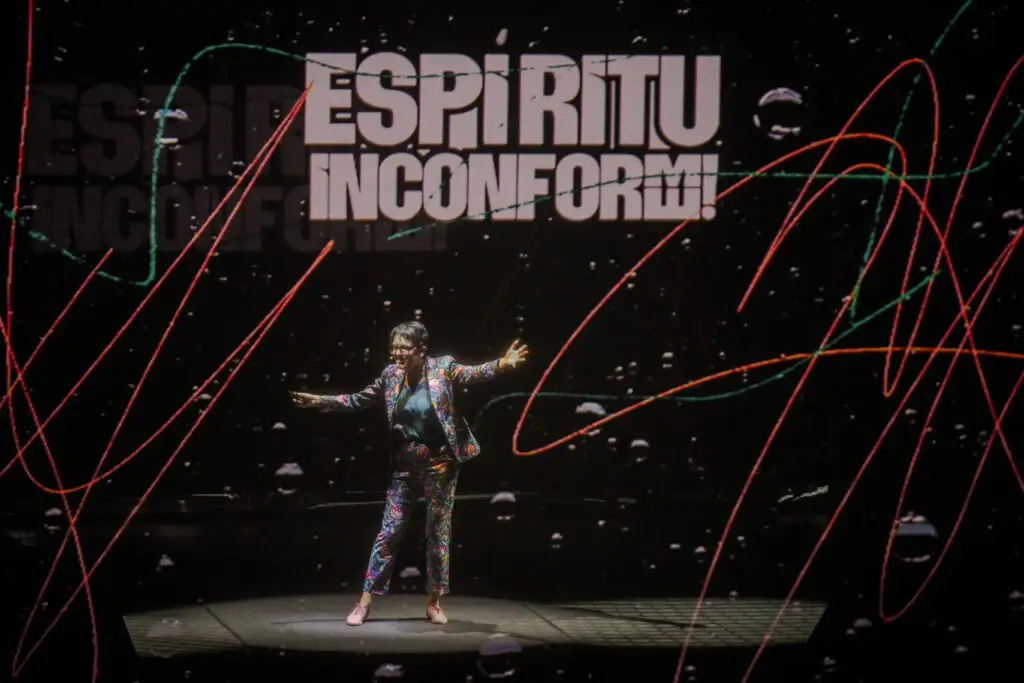
Some speakers roll their eyes at the word “customization,” as if it were a burden. To me, it is the greatest gift of this profession. What other career gives you a backstage pass into nearly every industry? One day I am learning the nuances of renewable energy. The next, I am in a room full of luxury hoteliers. One morning it is medical innovation, and before I know it, I am with a team of elite real estate brokers.
If I could burn one word into the brain of every public speaker, it would be this one. Not templating. Not tweaking. Deep, intentional, obsessive personalization. I want the audience to feel the keynote could only have been written for them, because it was. Not for their industry in general or a broad theme, but for their people, their language, their pain points, in-jokes, goals, fears and possibilities.
Customization is not flattery. It is relevance, and when people feel seen, they listen differently. Reusing the same stories, structure, slides and punchlines does your audience a disservice and robs you of the chance to truly connect. Resonance takes research, respect and relentless tailoring. I wrote more about this in professional speakers who customize.
Precision and flexibility: the paradox that makes it work
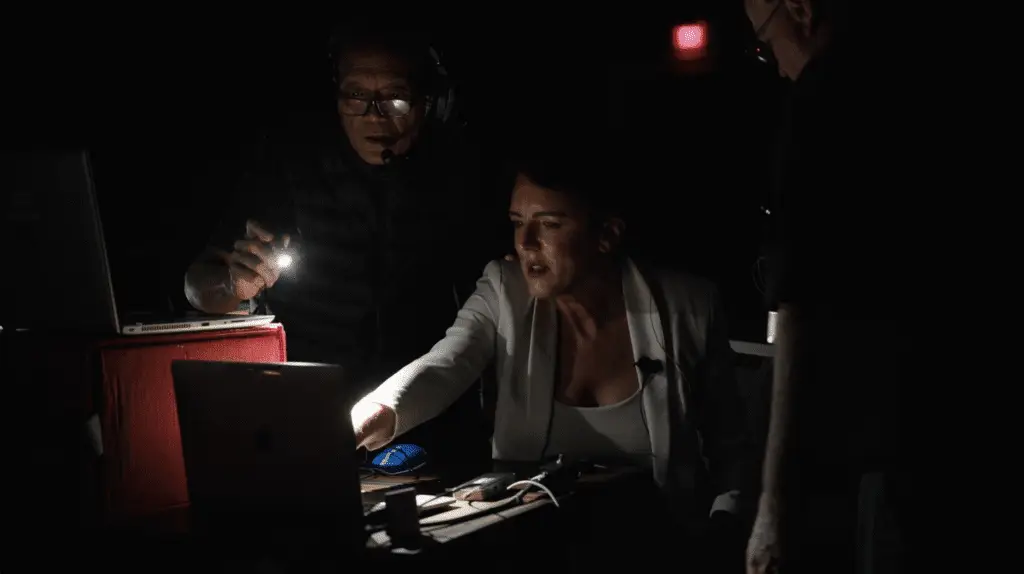
A speaker should never be the one bringing surprises to an event. That is not creativity. It is a warning sign. But surprises happen. Tech fails. Someone runs long. VIPs arrive late. The energy shifts. Then your job is to stay steady, listen hard and adjust without making it anyone else’s problem. Flexibility is not being casual. It is being so prepared that you can respond with calm, clarity and care when nothing goes to plan.
Great speakers walk a tightrope between control and adaptability. You plan down to the minute, then let go of the clock when someone else needs five more. You know your script by heart, and you drop it when the room shifts and something deeper calls. Behind every smooth sequence are a thousand micro-adjustments in cues, lighting, AV and timing, and on stage it still has to feel like one breath, as if it had never been rehearsed. The audience is not there for perfection. They are there for presence.
The more tightly you prepare, the more gracefully you can let go. Flexibility is not the opposite of discipline. It is the reward for it. Be both rock and river: unshakeable and fluid, always listening, always adjusting.
Gratitude is not a postscript. It is part of the job.
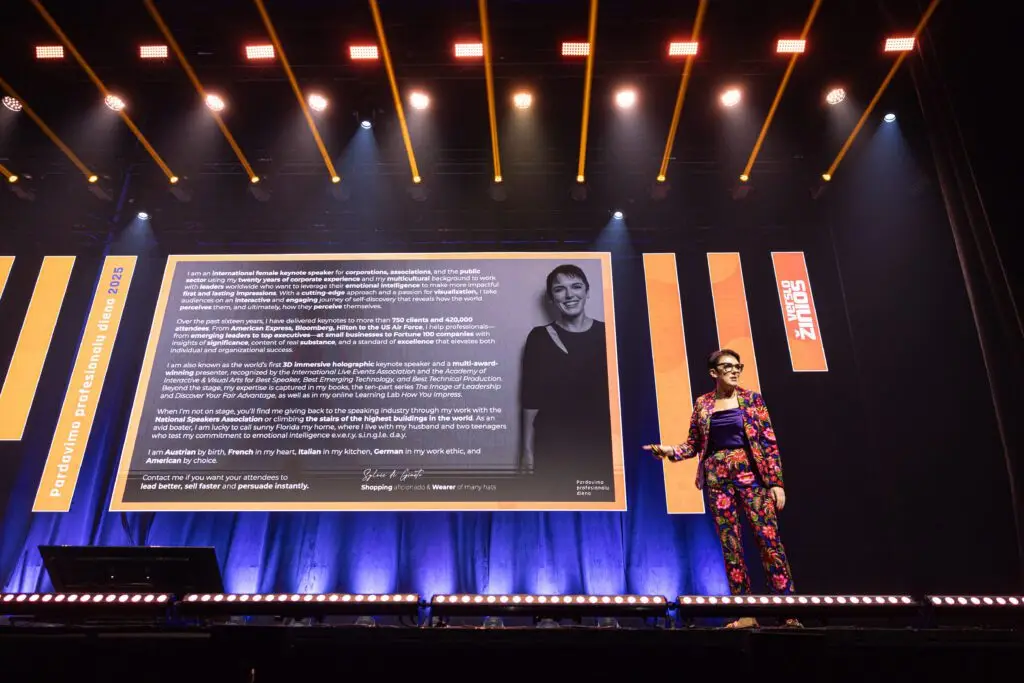
It is tempting to think the stage is the reward. The real gift is being trusted in the first place. Every keynote is an invitation, a client saying, “We believe you will make a difference here.” That moment of trust deserves preparation, presence and a deep sense of responsibility.
I do not walk into a venue thinking, “Here we go again.” I walk in thinking, “How lucky am I to get to do this?” My job is to repay that trust with excellence and humility, which means honoring every detail, every request and every name I took the time to learn.
Gratitude is not something you save for the thank-you email. You bring it into every room, in your posture, your tone and your attitude. It shows in how you greet the janitor and how you say goodbye to the CEO.
A public speaker’s power comes from what you do not see


What makes a speaker memorable is not only the delivery. It is the alignment: the backstage matching the onstage. When you do the prep, serve the team, rehearse with discipline and lead with humility, people feel it, even if they cannot name it.
That is what the video above is about. Not just the how, but the why. Why I show up early. Why I rehearse relentlessly. Why the speaker should never be the diva in the room. So the next time someone steps on stage and makes it look easy, remember: it only looks that way because they chose to do the hard, quiet, unglamorous things first.