Holograms demystified: how do they work their magic?
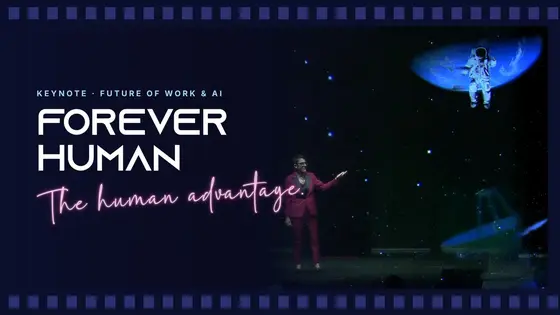
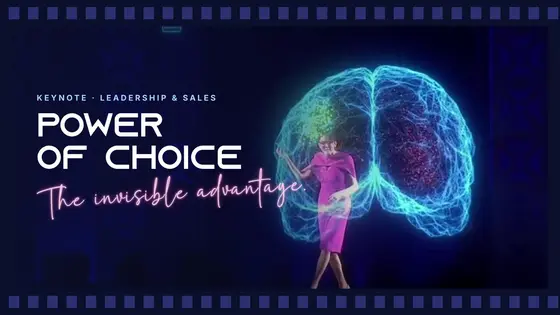
Holograms are not science fiction anymore. They do more than dazzle. They are versatile tools planners can use in creative ways: “transporting” a speaker from one part of the world to another through hologram projection, or letting sponsors show their products in a completely new way. The latest twist: speakers can now immerse themselves in holographic worlds while physically on stage, blending the real and the virtual.
At their core, holographic presentations at conferences create 2D or 3D images that appear to float, interact and even talk to a live audience. Think of a rock concert’s energy combined with the substance of a TED Talk.
Depending on the use case, the effect comes from carefully placed projectors, reflective screens and precise lighting. Together they create lifelike visuals that can be animated, manipulated and synchronized with a live presentation. But the point is not the tech. It is the moment when the audience sits up and thinks: I will never forget this.
To me, holographic technology is simply an instrument, a bridge that makes complex content more engaging and memorable. The real magic lies in the ideas and how they resonate with the audience.
When it is done right, technology complements the narrative instead of overshadowing it. The message stays the star of the show.
How is holographic technology different from a traditional hologram?
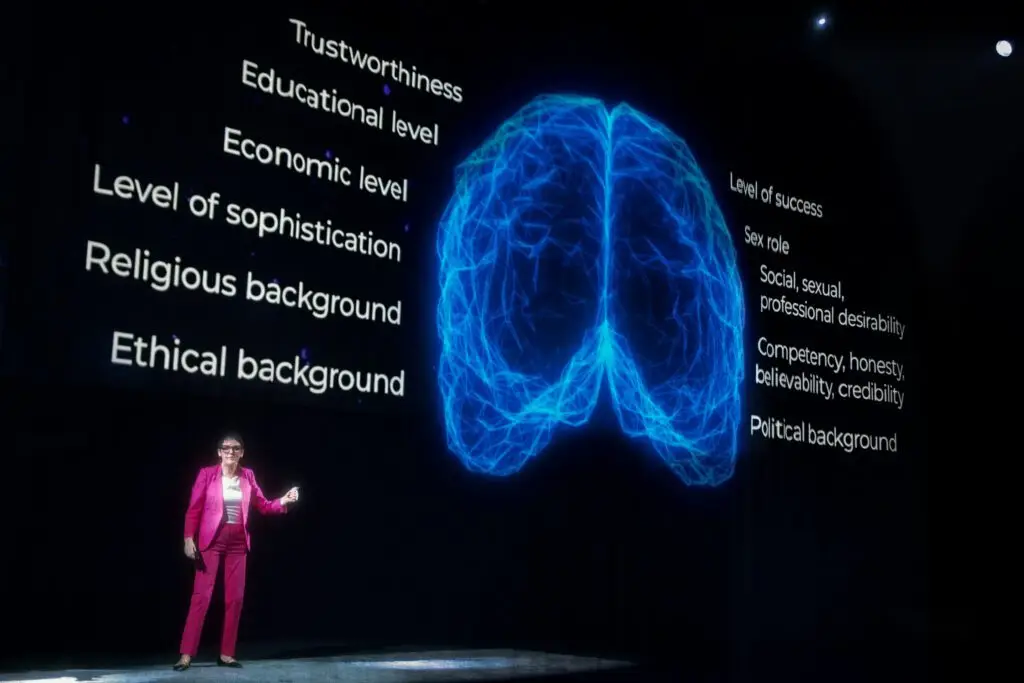
Traditional holograms are often static projections or illusions. Holographic stage technology blends the physical and virtual worlds and creates dynamic, lifelike three-dimensional visuals. In my keynotes, it transports audiences into immersive environments that strengthen the message, and it creates a sense of presence that lets me connect with the room in a completely different way.
What sets it apart is the ability to generate interactive, realistic visuals. With advanced projection techniques, holographic images are integrated into the physical stage, so virtual elements seem to exist in the same space as the live speaker. That adds depth and dimension, and it is visually unforgettable.
It is also flexible. Large conferences, trade shows and corporate events can all be customized with holographic elements, so speakers can deliver their message with more impact inside an immersive environment.
What is a hologram keynote? A new dimension in storytelling
Storytelling is at the heart of every great keynote. Let us be real: slides and static visuals only go so far. Imagine a product demo that hovers in the air and rotates in 3D for everyone to see. Or a historical figure brought to life, delivering a speech as if they had stepped out of a time machine. Holograms create moments that resonate on a deeper level.
What makes them so powerful is the blend of entertainment and education. Holographic speakers use projection to simplify complex concepts and turn abstract ideas into visuals. Instead of telling your audience about innovation, you show them, with a side of jaw-dropping oohs and aahs.
Holograms are also flexible. They can feature remote speakers, so experts or executives can beam in without traveling, which lets you add high-profile names who might otherwise be unavailable. And they allow personalized storytelling, tailored in real time to the audience or to your event theme. Whether the topic is technical or emotional, a visual that is easy to understand helps everyone in the room follow along. Why tell your audience about the future when you can make them feel it hovering right in front of them?
Why do conference planners love holograms?
Conference planners have a tough job. Attendance can decline, and feedback often comes with the dreaded “same old, same old.” The pressure to find something fresh and buzzworthy is real.
So when planners hear about holograms for events, they immediately think of the wow factor. They know attendees are hungry for something beyond the usual slideshows and breakouts. Holograms create a sense of wonder that keeps people engaged, inspired and talking about your event long after it ends. And they open the door to creativity.
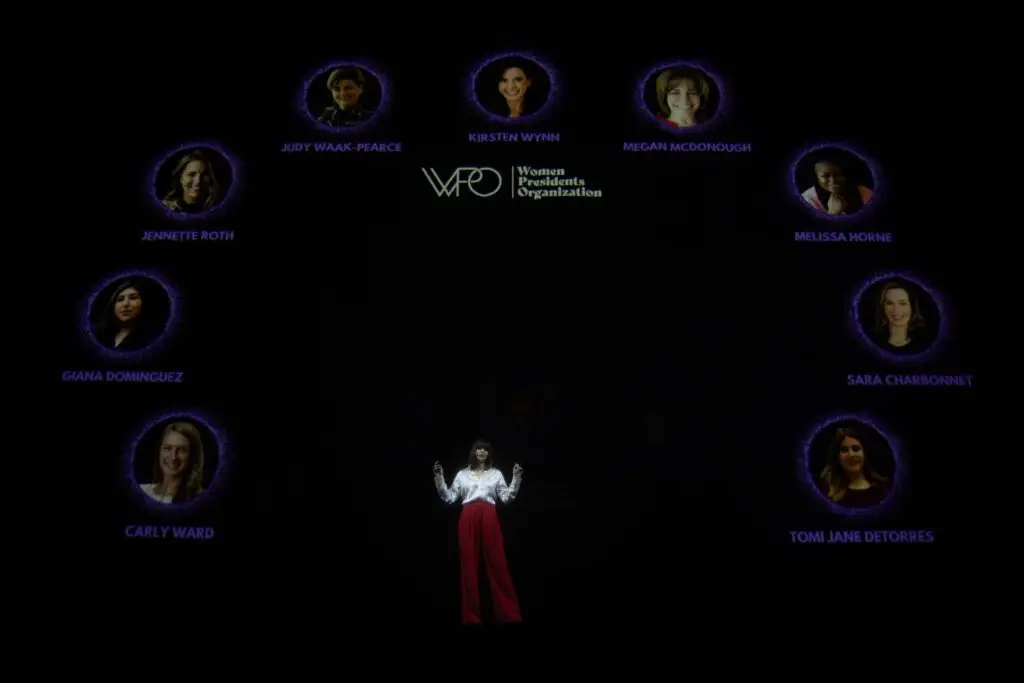
Since I already bring the technology, I have worked with many planners on how to use it further for their events. CEOs have joined me to open the conference inside the immersive 3D world. We have partnered with sponsors to show their products in ways never seen before, a huge sponsorship opportunity: a sponsor’s product can appear as a life-sized 3D hologram, or their logo can float through a transition. We have hosted award shows and honored committees in a visually stunning format. When the technology becomes part of the heartbeat of the event, it is much more than a keynote.
There is an environmental angle too. Holographic projection can replace physical materials such as large printed banners, models or prototypes, and remote guests who beam in instead of flying in reduce travel emissions. The technology uses energy, but the overall reduction in waste and emissions can be significant.
Why does the holo speaker matter so much?
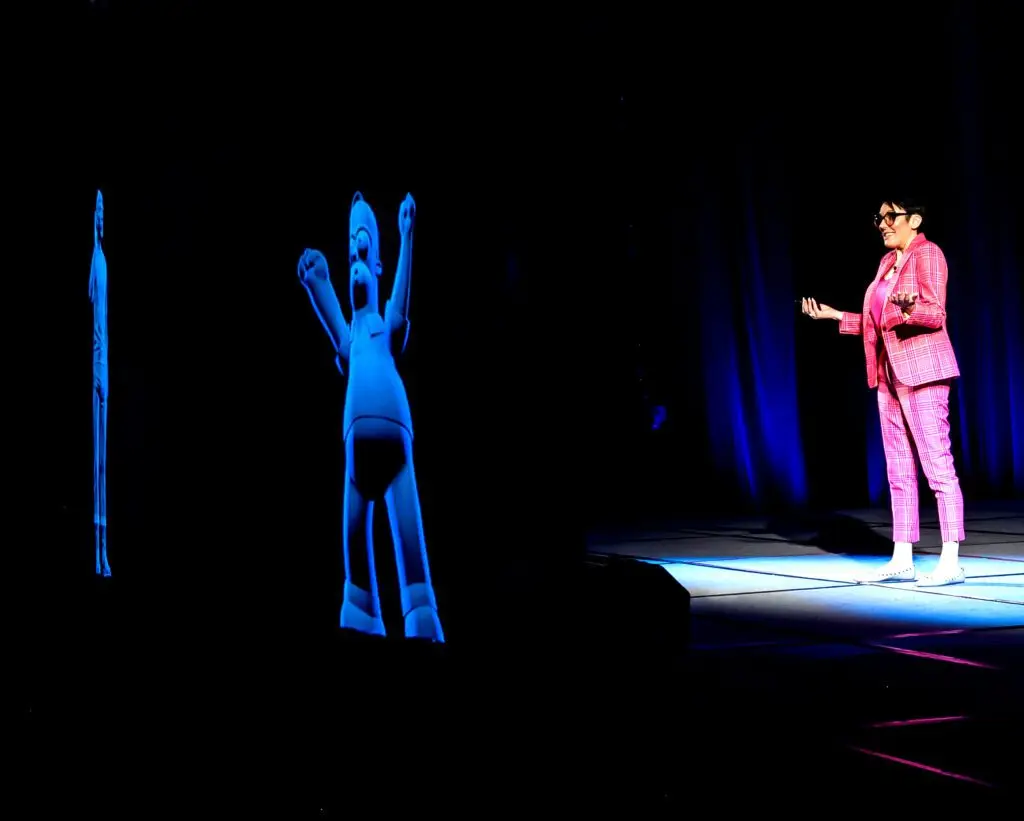
Holograms are only as good as the person bringing them to life. Enter the holo speaker: someone who owns the stage while syncing perfectly with the technology. Part presenter, part performer, part tech expert.
A great hologram speaker is not reciting facts between effects. They create an experience. They move with the visuals, pause at exactly the right moment and use holograms to amplify the message, not to bury it. It is a delicate dance that takes preparation, creativity and a touch of showmanship.
The skill set is unusual. Presenting in a holographic format means stepping into darkness and the unknown, unable to see the audience or even the animations. A holo speaker has to trust the technology and their timing, read the room without seeing it and connect with people beyond the visuals. That is where the craft of presenting truly shows: equal parts performance and connection.
When I launched my holographic experience, I was already an established speaker who had presented in front of thousands for years. Still, this was a new frontier. I had to rethink my keynote structure and my presentation skills. It took me four years of rehearsals, adjustments, more rehearsals, refinement and, yes, even more rehearsals before I felt the medium fully served the message and launched it to clients. So be wary of speakers who pick up the technology overnight. It is so much more than turning on the holo lights.
As a planner, your job is to find the speaker who gets it: someone who knows the tech, has this unique presentation skill and connects with the crowd in an unusual way.
What do planners need for a holographic presentation?
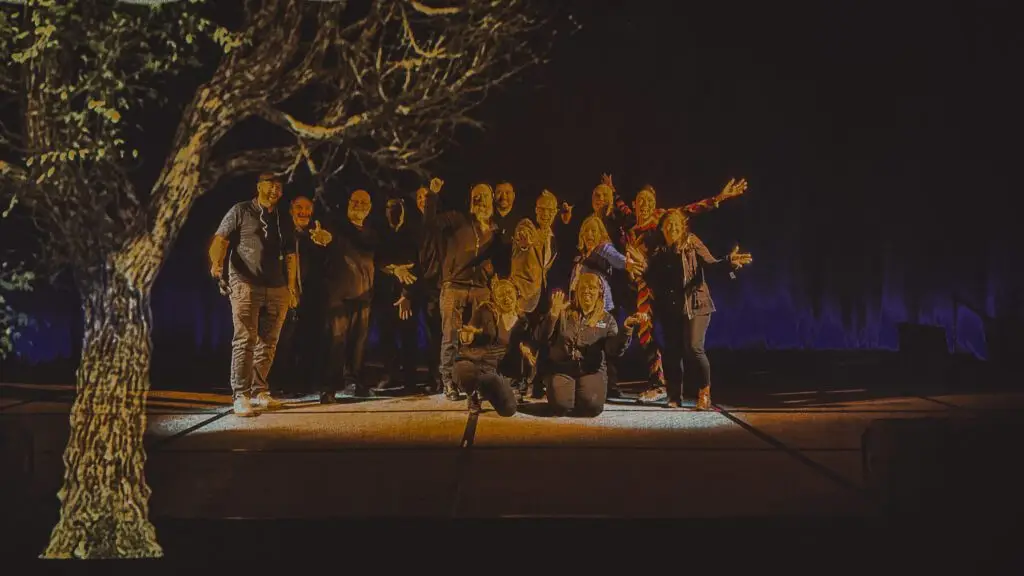
Planning one is a bit like a puzzle. Every piece, from the venue layout to the lighting, has to fit to create that jaw-dropping moment. With the right preparation, it is easier than you think, but a few requirements make or break the option.
- A hologram-ready venue. The room needs a certain size and, above all, height. The stage needs enough width and depth.
- Full darkness. The stage must be fully immersed in darkness. White backgrounds and bright setups do not work, and the venue must be able to block natural light. Windows and daylight are the enemy of holograms.
- Rigging. Some hardware is installed, often on the ceiling. Does your venue have trusses or the capacity to support mounted equipment?
- A projector. Pleasant surprise: most standard conference-center projectors work, as long as they can be set up for ceiling projection.
- A professional production team. Let us be honest, a one-person in-house AV team cannot pull this off. You need a professional crew to integrate the presentation into your event.
As always, attention to detail is key. To make the process smooth and stress-free, my team created a detailed tech rider with pictures, drawings and even explainer videos, so every aspect is clear. We also handle the conversations with production and AV teams, so our clients can focus on what matters most: curating their program, engaging with speakers and creating meaningful moments for attendees.
And the production teams have pleasantly surprised us. Thanks to the detailed information, and perhaps their own excitement about escaping yet another PowerPoint marathon, we have had some of the most open-minded and enthusiastic collaborations I have had. It is wonderful to watch crews embrace something new. For budget questions, read how much a hologram presentation costs.
Holograms for conference keynotes: the dos and don’ts
Holograms are powerful, but they are not plug and play. To get a hologram presentation right:
Do:
- Make sure your venue is hologram-ready: enough space, enough height and the ability to darken the room completely.
- Work with a professional production team. Holography is not something an in-house AV team figures out on the fly.
- Align the holographic effects with your event’s theme and goals. The tech should strengthen your message, not overshadow it.
- Work with a holo speaker who is experienced in this format. It requires a specific skill set.
Don’t:
- Use holograms just for the sake of it. If the technology adds no value, leave it out.
- Ignore the audience experience. Everything from seating to lighting affects how the holograms are perceived.
- Let the technical requirements overwhelm you. With the right speaker and production team, it is easier than you think.
- Forget to plan enough time for setup and rehearsal. Speaker and crew both need time to fine-tune every detail.
Done right, holograms are far more than a cool gimmick. They turn conferences into experiences attendees talk about for years. And the success of a hologram is never only in the tech. It is in the teamwork that brings it to life.
The future of events: are you ready?
Holograms on stage are not a passing trend. They are where events are heading. Attention spans are shrinking and expectations are soaring, and holograms break through the noise. Imagine a conference that feels like a front-row seat to the future, because that is exactly where holography is going.
So the real question is: are you ready for what is next? If you are, explore my 3D immersive keynote experience or read what an immersive keynote experience is.