The event trend that turns speeches into experiences
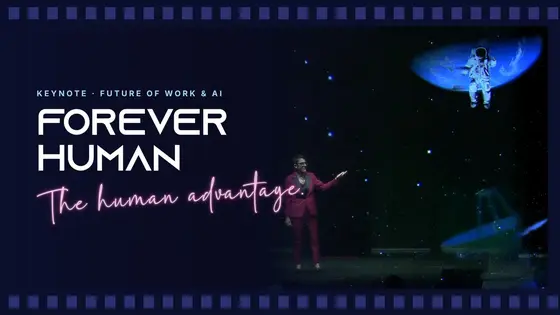
One of the clearest corporate event trends is the move from speeches to experiences, and holograms are leading it. Organizations now put CEOs, emcees and sponsors inside 3D holographic scenes on stage, because audiences remember what they experience far better than what they are told. And the technology is more accessible than ever.
The world of corporate events is changing fast. Hosting an event is no longer enough. Organizations need immersive, unforgettable moments that stick with their audience, which is why one of the biggest shifts right now is the rise of holograms on stage.
From CEOs appearing as holograms to product launches featuring holographic speakers, organizations are using this technology to engage audiences in ways traditional presentations never could. It is not about fancy visuals. It is about experiences that change how audiences interact with content. Let me share some examples from my own stages.
KEY TAKEAWAYS
- Corporate events are shifting from traditional speeches to immersive, high-tech experiences.
- Holograms give organizations a fresh way to engage audiences and create lasting impact.
- Holographic presentations are more accessible than ever, thanks to compact, travel-ready setups.
- Holographic speakers bring a new level of interaction and memorability to corporate keynotes.
- Organizations using this technology are not keeping up with trends. They are setting them.
Why are experiential corporate events on the rise?
Attendees are not looking for another slideshow or routine speech. They want dynamic, interactive experiences that pull them in and keep them there. That is why corporate events are moving toward immersive technology: holograms, augmented reality, virtual reality and AI-driven presentations.
Holograms fit this shift because they break the limits of a traditional presentation. A holographic presenter can step inside their content, interact with digital visuals and bring ideas to life in a way static slides cannot.
Experiential keynote speakers play a crucial role here. Instead of relying on words and slides, they craft moments: immersive, dynamic, interactive experiences that make messages stick. Whether they step into a holographic environment, illustrate ideas with augmented reality or break the fourth wall with live interaction, they turn passive listening into active engagement, and that is what makes their impact last.
The most powerful ideas are not just heard. They are felt. That is the difference between a speech and an experience.
Which event trends grab attention like holograms do?
Few, honestly. Keeping an audience’s attention is hard. Minds wander, notifications pop up, distractions are everywhere. Strong storytelling holds a room, and holograms add a visual layer that takes it further.
A speaker materializing on stage out of nowhere? Instant attention. A holographic presenter moving through 3D visuals, demonstrating a product in midair or creating interactive moments? That is engagement on another level. It is not only about what is said. It is about how it is experienced.
Holograms also change how speakers connect with their audience. Freed from a static stage, a speaker can step inside the content, interact with floating data or walk through a visualization of a complex idea. Instead of just talking about leadership, innovation or transformation, they can demonstrate it. When attention is the currency of a successful event, holographic speakers give audiences something they cannot scroll past, zone out of or forget the moment they leave the room.
How are organizations using holograms for corporate messaging?
Sticking to the same old formula is not just boring. It is risky. As attention spans shrink, companies that do not innovate fade into the background, while those that do set themselves apart. Investing in experiential elements is not about impressing attendees. It is about brand recall, deeper connection and a better return. When audiences feel engaged, they remember the event and the brand behind it.
Some organizations use holograms to beam in executives from anywhere in the world, which is far more engaging than a standard video call. Others reinvent product launches, letting attendees experience a new product in 3D before it hits the market. As the event planning world embraces new technology, holograms are becoming a real tool for meaningful audience connection.
Which organizations are already shaping the future with holograms?
MIC Colorado Annual Convention
MIC Colorado runs one of the most forward-thinking conventions in the event planning industry, bringing together professionals, thought leaders and top brands to explore what is next, from holograms and AI-powered experiences to interactive brand activations.
I had the pleasure of opening the annual convention, helping meeting professionals understand how the way they are perceived shapes their interactions with attendees, clients and stakeholders. I wove in the event theme, “People, Passion, Purpose, and Progress,” and the conference emcee joined me inside the holographic experience to set the stage for an unforgettable kickoff.
KCI Technologies Leadership Conference
KCI Technologies specializes in engineering, consulting and construction across transportation, environmental and land development. Its annual leadership conference unites executives, industry partners and team members around emerging trends, company initiatives and strategic goals.
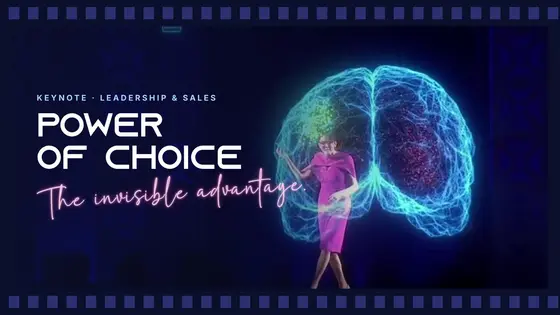
In a highly customized experience, I helped KCI bring its theme, “Ignite the Transformation,” to life. Their CEO, a dedicated diver, joined me on stage in a breathtaking undersea world created just for him. To extend the impact, attendees received a holographic brain lamp and an online course, a daily reminder to keep the momentum going. I tell the full story in how an immersive keynote ignited KCI’s transformation.
Women Presidents Organization (WPO) Annual Conference
The Women Presidents Organization is a global peer advisory network for women leading multi-million-dollar businesses. Its annual conference brings together women executives from many industries to exchange insights, discuss growth and explore what is coming.
For WPO, I created an experience for women leaders and entrepreneurs who innovate, disrupt and lead some of the world’s most successful organizations. The holographic environment was the stage for more than the keynote: we celebrated a joint book launch in it, and their CEO stepped into the immersive world to honor sponsors, board, team and audience.
Material Handling Equipment Distributors Association (MHEDA) Convention
MHEDA’s annual convention is a hub for networking, education and insight in the material handling industry, with expert-led sessions on business growth, emerging technologies and supply chain innovation, plus hands-on product demonstrations and access to key suppliers and decision-makers.
Returning for a second time, this time to celebrate MHEDA’s 70th anniversary, I built a highly customized experience around the theme “Riding the Waves of Change.” In a bold move, the organization’s new CEO, Jeannette Walker, stepped into the immersive world as a custom avatar to welcome attendees. As she put it afterward, “It actually blew everybody’s minds and they couldn’t figure out if I was actually on stage or I was an avatar.”
Are holographic presentations accessible for any event?
Not long ago, holograms seemed reserved for corporations with limitless budgets. Today, one of the most exciting event trends is how accessible the technology has become. Portable setups and simple AV integration mean organizations of all sizes can explore it without breaking the bank.
Companies that work with an experienced holographic speaker benefit from a plug-and-play approach. A well-prepared presenter arrives with a compact system that fits into the event’s existing setup, which makes execution nearly as easy as any other keynote, with a much bigger wow factor.
The organizations above prove that holograms are not only for tech giants. They are for any company willing to think beyond the traditional presentation, whether that means welcoming attendees into an immersive world, reinforcing a leadership theme with custom visuals or celebrating a milestone in a way that feels like the future. The technology is ready. You just have to decide to use it. Innovation is not about budget. It is about boldness.
If you want your audience to experience the future instead of hearing about it, explore the 3D immersive experience.
Frequently asked questions
What are the biggest corporate event trends right now?
The biggest shift is from information to experience: immersive formats, holographic speakers, augmented and virtual reality, and deeply customized content. Organizations are also involving their own leaders, emcees and sponsors in these moments on stage, because attendees remember what they experience far better than what they are told.
How much space does a holographic presentation need?
It depends on the format, but stage depth, lighting control and backdrop matter. For my 3D keynote, the ideal is a stage about 32 feet wide and 15 feet deep, a room that can go fully dark and around 25 feet of ceiling height. Treat those as the ideal, not a dealbreaker. A good production team can adapt to many spaces.
Can a holographic keynote be recorded for later use?
Yes. Many organizations record holographic presentations for promotional content, internal training or on-demand access. With the right camera setup, the depth and movement of the 3D scenes come across well on video. My keynote also works with IMAG and livestreams, so remote viewers can follow along.
How can planners justify the cost of holographic technology?
Look at what it delivers beyond the room: higher engagement, social media buzz, stronger brand recall and more post-event conversation. Holographic moments often become the most shared content of an event, and they can add value to sponsor packages when sponsors appear inside the experience.