Is event fatigue about time or about tension?
Most audiences are not tired because they have heard too much. They are tired because they have not felt enough.
Experiential keynote speakers understand this. They create emotional rhythm on purpose: tension, release, surprise, curiosity. Instead of a linear talk, they design a dynamic experience that keeps people leaning in. When audiences feel engaged, they do not check out. They commit. And suddenly that keynote is no longer another session to sit through. It is a shared moment that wakes the room back up.
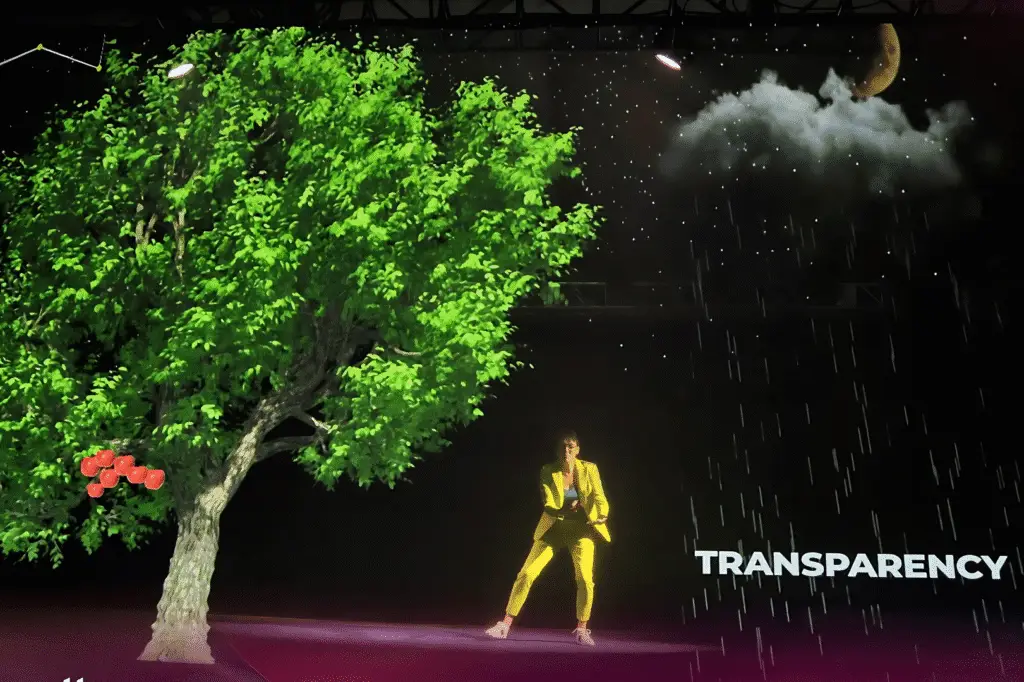
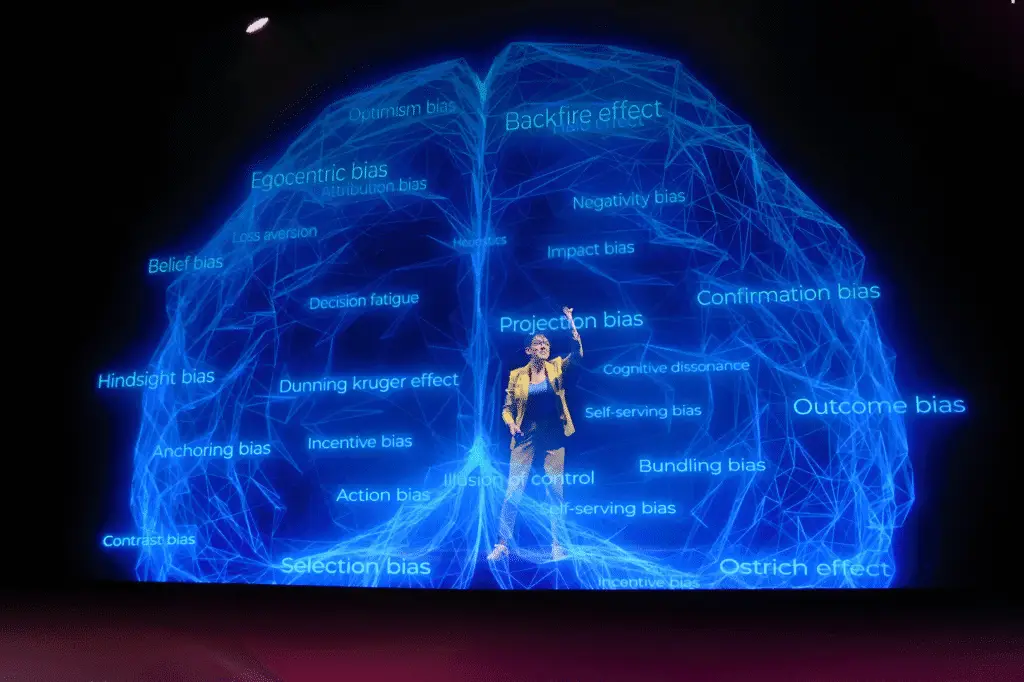
There is something uniquely powerful about stepping into this role. When I perform with immersive visuals in complete darkness, I cannot see the audience, but I can sense them. I hear the quiet gasps, feel the energy swell and notice the stillness that only comes from deep engagement. Over time I have learned that the real magic is not in the technology. It is in how it brings us closer, and turns a keynote into an experience the audience and I carry long after the lights come back on.
When a speaker creates emotional tension on purpose, what they are really offering is a reason to care, and a reason for people to come back to themselves. That rhythm of rise, stillness and resolution keeps people present. It creates a memory trace that ties insight to emotion. Holding attention is the minimum. The craft is guiding people through a feeling that mirrors the message.
Why does the format matter more than ever?
The classic keynote model has barely changed in decades. A speaker stands center stage, delivers ideas, maybe drops in a joke or two. Attention spans have changed. Expectations have changed. Audiences want interaction as well as insight.
That is where experiential speakers come in. They use movement, storytelling, media, metaphor and even silence to shape how people feel in the room. It is not about theatrics. It is about intention. When everyone is bombarded with content around the clock, the format of delivery becomes the differentiator. The method is the message.
One of the greatest compliments a keynote speaker can receive these days: no one in the audience picked up their phone.
It might sound a little sad, but clients, meeting professionals and bureau partners alike now share that compliment with me. In a world where attention is the rarest currency, that silence speaks volumes. Our job is to honor that attention, with moments so engaging that the outside world fades and the room becomes the only thing that matters.
In a world full of motivational speakers, what sets you apart is how deeply your audience feels seen inside the way you say it. Format is not fluff. It is the container for meaning, and the best experiential speakers choreograph every movement, image and moment so it supports the core message instead of distracting from it.
How do experiential keynote speakers lift the whole event?
They win the room, and then they change the energy of your entire event. A keynote designed as an experience sets a tone. People engage more in breakouts, network more during coffee breaks and reflect more deeply on what they heard. It sparks hallway conversations and social posts. It makes people stay. Emotional engagement multiplies everything around it.
Some of my favorite experiences are the ones where the keynote lives in the DNA of the entire event. When clients invite me to extend the experience beyond my segment and weave it into their messaging, something special happens. I have had emcees, CEOs and leadership teams join me on stage. We have embedded event themes, strategic narratives and cultural values directly into the keynote, turning a presentation into a shared performance. It is not about my message. It is about our moment.
The most effective keynote lights up the people who walk out of the room and go do something different. Engagement does not stop when the applause does. It flows into the hallways, the post-event conversations and the action that follows. That ripple effect is what turns a good event into a catalytic one.
Why does experience beat information every time?
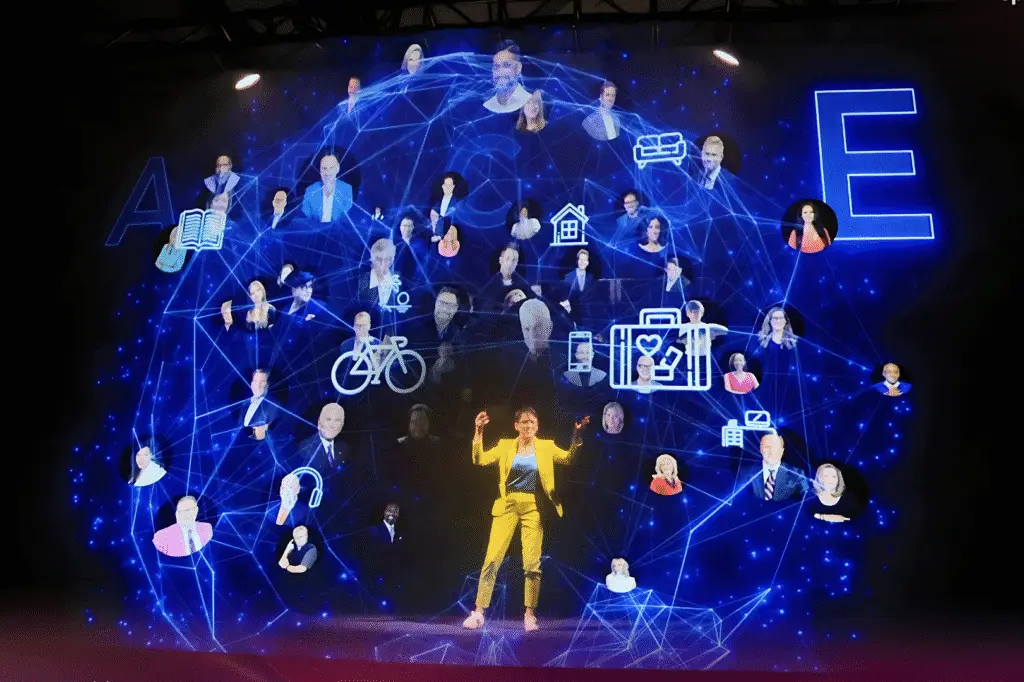
Event fatigue does not come from too much content. It comes from too little connection. Experiential speakers bridge that gap. They turn keynotes into shared moments, ideas into interactions and audiences into active participants in their own transformation.
I make a habit of something every speaker should do: sit in the audience at conferences. Really sit there, as one of them. Every time, I am reminded how hard it is to stay engaged with the same predictable format: slides, scripts, speaker after speaker. Even with great content, it is hard to stay present when the experience never changes. That is exactly why this matters. We are rethinking what is said, and reimagining how it is felt.
In the end, audiences do not remember agendas. They remember how they felt. If your attendees are tuning out, it may be time to turn the experience up, and that starts with rethinking who takes the stage, and how.
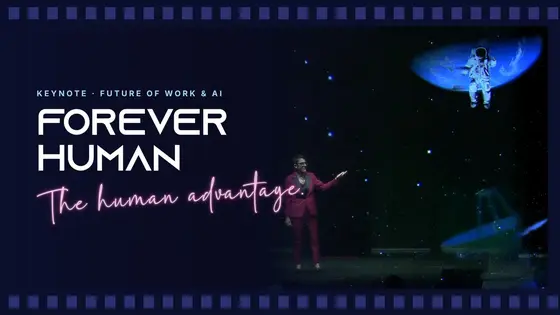
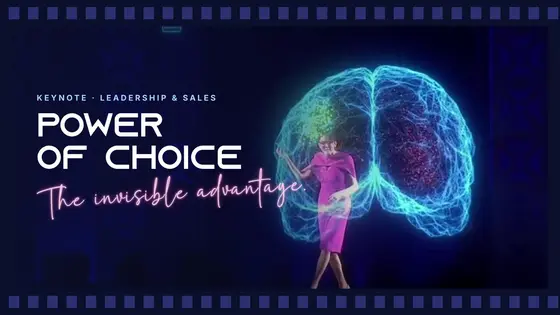
For more ideas, read unique event ideas that challenge the traditional agenda and why the best professional speaker is now an experience designer. Or see what an experiential keynote looks like in practice with my 3D immersive experience.
Frequently asked questions
What is an experiential keynote speaker?
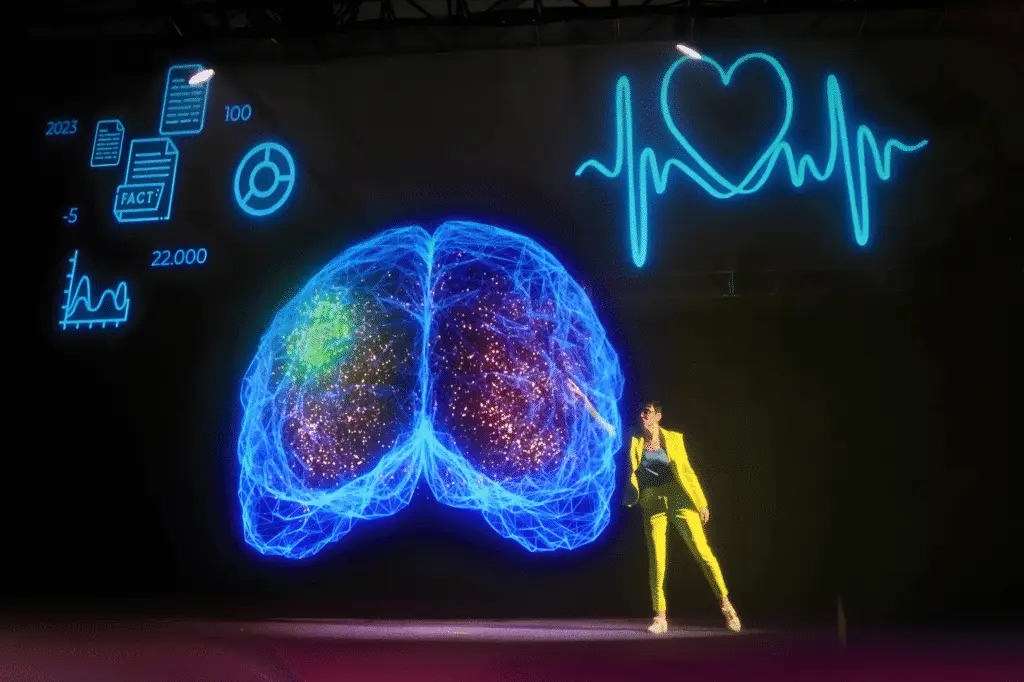
An experiential keynote speaker designs the keynote as an experience rather than a lecture. They use storytelling, movement, media, silence, audience interaction or immersive technology such as 3D visuals so the audience feels the message instead of only hearing it. The goal is attention, memory and action, not just applause.
How do you fight event fatigue at a conference?
Vary the rhythm and raise the emotional stakes. Break up long blocks of similar sessions, place an experiential format where energy usually dips, give attendees moments to participate and protect breaks. Above all, choose speakers who design how the audience will feel, because fatigue comes from too little connection, not too much content.
Do experiential keynotes work for every audience?
Yes, when they are customized. The format is not limited to tech or innovation conferences. Associations, sales teams, healthcare, finance and nonprofit audiences all respond to messages they can feel. What matters is that the experience is built around your audience’s world and goals, not dropped in as a generic spectacle.