Sponsor activation that puts sponsors inside the story
Modern sponsor activation moves sponsors from the margins into the story. Instead of a logo on a banner, sponsors become part of the keynote, share a moment on stage with the host’s leadership, or put their name on a takeaway people actually keep. Visibility gets them seen. Integration gets them remembered.
Sponsorship used to be simple: a logo on a banner, a mention from the emcee, maybe a branded water bottle in a swag bag. But expectations have changed. So have audiences. So have sponsors.
Today, the most effective approaches are about designing moments where sponsors show up with meaning instead of mere visibility, because in an experience-driven economy, value is measured by how memorable you are. So how are conventions using immersive technology and storytelling to help sponsors stand out in a crowded room? Here are the ideas I see turning sponsorship into showmanship, without losing substance.
KEY TAKEAWAYS
- Sponsor activation is moving from passive visibility to immersive integration.
- The keynote stage is no longer off-limits. It is a strategic space for sponsor storytelling.
- Sponsor involvement does not have to mean promotion. It can mean participation.
- Immersive environments let sponsors be woven into the story instead of sidelined by it.
- Smart activation continues after the event ends.
- Real activation takes co-creation between planners, speakers and brand partners.
How is sponsor activation shifting from visibility to immersion?
The strategies that work today are not about surface-level exposure. They are about integration. Sponsors no longer just want to be seen. They want to be experienced, with their message as part of the story, the moment and the takeaway.
From co-branded environments to speaker collaborations, activation now lives inside the programming, not around it. The brands that resonate most are not the loudest. They find thoughtful, emotionally intelligent ways to take part. Custom immersive spaces, sponsored learning lounges, storytelling: companies want to be remembered as co-creators, not advertisers.
And event professionals are realizing that the keynote itself can carry sponsorship value, not only the breaks and banners surrounding it.
Can a keynote speaker create a sponsorship moment?
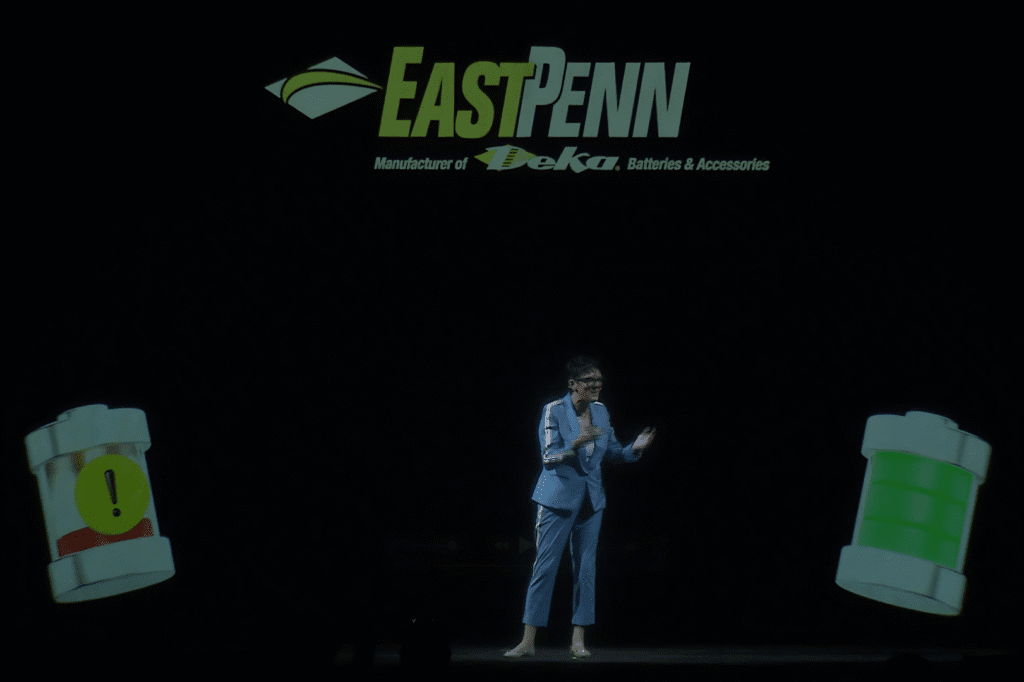
Yes, and it may be the most overlooked opportunity in sponsorship design. Whether it is the opening or the closing keynote, it is the moment audiences are most emotionally available: ready to listen, feel and remember. The entire room is aligned, which makes it a rare window for sponsors to show up memorably.
I once had the honor of highlighting a sponsor whose support made the keynote possible. Not with a shoutout or a logo slide, but by weaving their mission into the heart of the immersive story. The audience heard the sponsor’s name, and then felt its purpose come to life. That is the difference between visibility and emotional association.
Traditionally, the keynote was the one moment untouched by brand integration. That model no longer serves the modern event. The keynote speaker is more than a presenter. They carry the tone, story and energy of the event, which means they can turn a sponsor moment from static into strategic.
When a speaker aligns with the event’s sponsorship goals, everyone wins. The client strengthens brand relationships and adds value to sponsor packages. The planner gets a more cohesive experience. The sponsor becomes an emotional part of the story. And the audience gets sponsor moments that feel meaningful, because they are built into the experience instead of stacked on top of it.
Why put the host’s leadership on stage with sponsors?
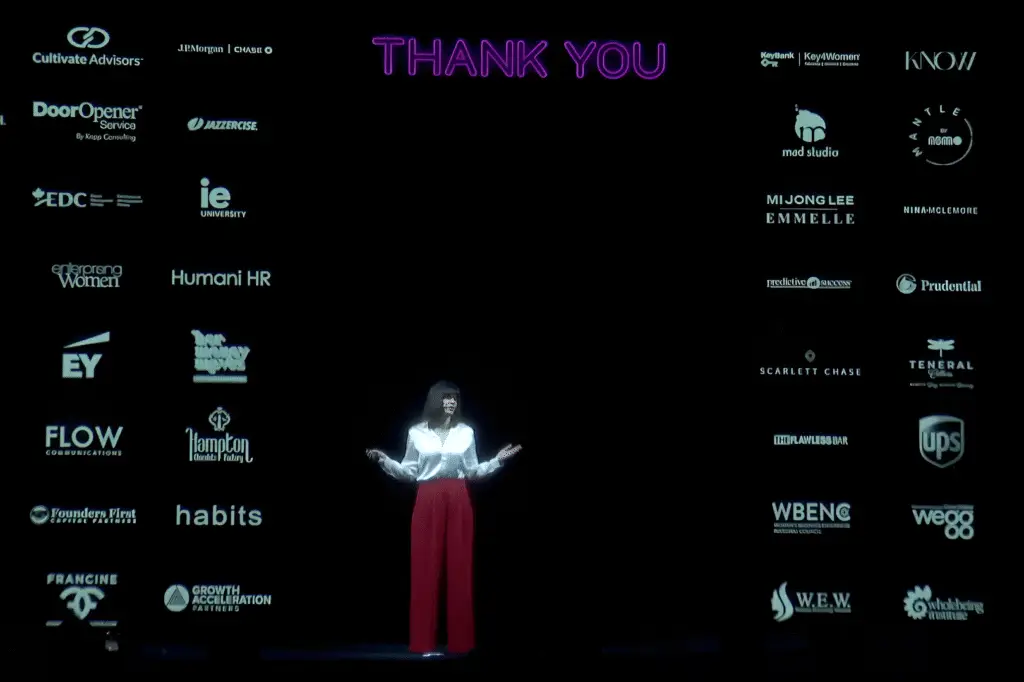
Another powerful and underused approach is bringing the CEO or senior leadership of the hosting organization on stage. When a leader steps into the story, especially in an immersive setting, it does more than acknowledge sponsorship. It signals partnership. It tells the room the sponsor is not a financial contributor but a purpose-driven collaborator.
In one memorable moment, the CEO of one of my clients stepped onto the stage to acknowledge the partners and sponsors who had made the event possible. Instead of a generic thank-you, she joined a shared storytelling moment inside the 3D environment. It was not just recognition. It was resonance: leadership presence, sponsor purpose and audience emotion lined up in one unforgettable scene.
Shared stage time is not about hierarchy. It is about humanity.
For the sponsor, this is high-impact positioning that humanizes the brand and gives its executives visibility in a setting that feels authentic, not performative. For organizers, it deepens sponsor relationships far beyond logo exposure. For the audience, it builds trust: when they see leadership show up, they are more likely to see the brand as credible and aligned with their values.
What should replace the swag bag?
The era of mugs, lanyards and pens with fading logos is coming to a close. Sponsors want relevance, resonance and return. Frankly, so do attendees.
Today’s best activations move past giveaways that get tossed and invites sponsors into the experience itself. That starts with a shift in the question, from “What swag item will our sponsor send?” to “What high-value opportunity can we offer them that improves the event and lives on long after it ends?”
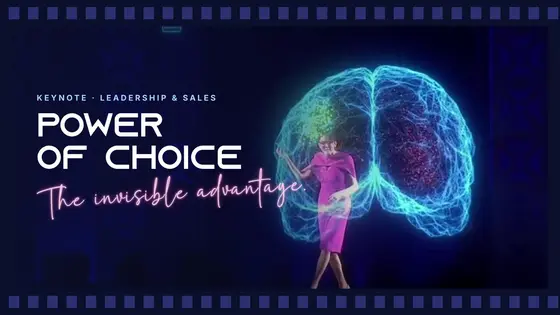
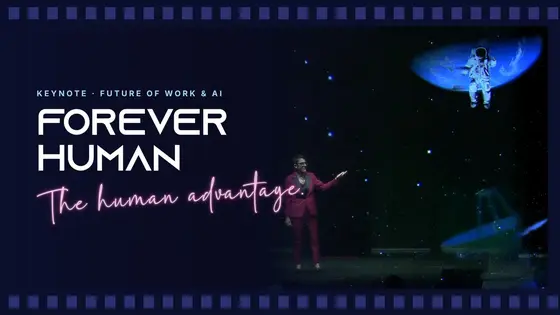
As part of my 3D immersive keynote, attendees can receive a holographic brain lamp, today part of what I call the Brain Box. It is more than a souvenir. It is a tangible reminder of what they experienced on stage, and each lamp includes a QR code to an exclusive online course, extending the value far beyond the closing applause. Sponsors can personalize the gift with their own messaging, branding or design.
The real impact is in the reaction. Attendees do not see it as swag. They see it as a symbol of a story they lived through, and a sponsorship they will not forget. When a takeaway is tied to the keynote’s core message or opens an exclusive digital experience, it becomes a brand extension that keeps the conversation going. That is where real return lives: not in the cost per impression, but in the depth of the impression made.
Where does the future of sponsorship live?
Not on a sign. In the story. The best activation does not interrupt the experience. It becomes part of it. When sponsors are integrated with purpose and creativity, they become memorable contributors instead of background noise.
That shift only happens when planners, sponsors and speakers design these moments together and invite sponsors into the creative process as well as the promotional one. Then it stops being about airtime and starts being about emotional impact. Not logo placement. Emotional placement.
For the expo floor side of the equation, read my planner’s guide to event sponsors. And if you want to see how your sponsors could step into the story, explore the 3D immersive experience.

Frequently asked questions
What is sponsor activation at an event?
It is everything a sponsor does to engage attendees beyond simply displaying a logo: experiences, content, demos, stage moments and takeaways. The strongest activations integrate the sponsor into the event’s story so attendees connect the brand with something they felt or learned, not just something they saw.


How can a keynote speaker support event sponsors?
A speaker can weave a sponsor’s mission into the keynote’s story, create a shared moment on stage with sponsor or host leadership, or extend the message through a branded takeaway. In my 3D keynote, sponsors can even appear inside the immersive experience. It works best when the sponsor and the message genuinely align.
What are alternatives to traditional sponsor swag?
Think meaningful instead of disposable. Personalized keepsakes tied to the keynote’s message, access to an exclusive online course, learning lounges, hands-on experiences or a featured moment on stage all outlast a branded pen. The goal is a takeaway attendees keep using, so the sponsor stays connected to the experience.