The opening keynote sets the tone, the closing one makes it last
An opening keynote sets the tone, sparks curiosity and gives attendees a reason to be fully present. A closing keynote ties the themes together, reignites tired energy and sends people home ready to act. Because people remember beginnings and endings best, these two slots shape how your whole event is remembered.
If I gave you a list of thirty items to memorize and asked you an hour later which ones you remembered, you would most likely recall the first and the last most clearly. Psychologists call this the serial position effect.
Now apply it to a conference. The first and last moments carry the most weight in attendees’ minds. That is why your opening keynote and closing keynote are not just speeches. They are the bookends that define the entire event, and the speakers you choose for them shape how attendees engage, what they absorb and what they walk away with.
So how do you choose the best keynote speakers for these high-stakes moments? Let’s break it down.
KEY TAKEAWAYS
- People remember the first and last moments of an event best, so the opening and closing keynote carry extra weight.
- The opener sets the tone, breaks down barriers and gives the event its common thread.
- The closing keynote ties themes together, lifts tired energy and turns insight into a call to action.
- Choose openers who command attention instantly and customize deeply. Choose closers who adapt on site.
- Booked as a tandem, opening and closing speakers can reference each other and create a full-circle experience.
What is the role of an opening keynote?

The opening keynote is where it all begins. It is the spark, the kickoff, the moment that tells attendees whether this event will be worth their time. A great opener does far more than welcome people. It:
- Sets the tone. High-energy, deeply inspiring or full of thought leadership, the opening speaker establishes what kind of experience to expect.
- Engages curiosity. It makes attendees eager to learn, connect and take part in the sessions ahead.
- Creates a common thread. A well-chosen opener ties together themes the conference will explore and gives the event a guiding narrative.
- Encourages participation. The best openers do not talk at the audience. They involve it from the start.
- Breaks barriers. Attendees often arrive guarded: checking email, hesitant about networking, unsure what to expect. The right speaker gets them to drop their guard.
- Builds anticipation. It sparks excitement about what is still to come.
- Establishes credibility. The right opener reinforces the event’s authority and relevance.
- Encourages networking. A shared experience early on makes it easier for attendees to connect.
- Challenges assumptions. A thought-provoking opener disrupts conventional thinking and opens the door to fresh ideas.
- Provides a sense of purpose. It reminds people why they are there and why this event matters to them.
I am well aware that event planners do not always have the freedom to choose. But if you have any chance to influence the decision, avoid kicking things off with an internal speaker, leadership or an emcee doing welcome and housekeeping announcements. With my immersive keynotes, we even skip my introduction, because, let’s be honest, nobody came to the conference to hear about my credentials. Instead, we darken the room, take people out of their current reality and transport them straight into the future.
How to choose the best opening keynote speaker
- Look for someone who commands attention instantly, through storytelling, humor or sheer stage presence.
- Choose a speaker known for deep customization. The best openers do not deliver a generic speech. They tailor their content to the event’s goals, themes and audience.
- Prioritize a speaker who fits your event’s purpose but brings a fresh perspective.
- Avoid openers who are too theoretical. You need someone who energizes, not only someone who educates.
- Find someone experienced who thrives under high expectations and delivers with confidence under pressure.
- Prioritize someone who understands conference logistics. Technical issues, late arrivals and last-minute schedule changes should not shake their energy or composure.
The opening keynote is my favorite spot, but it’s also my biggest responsibility. I don’t just set the stage. I set the standard for everything that follows.
What should a closing keynote do?
The closing keynote is not just the last item on the agenda. It is the final chance to reinforce, inspire and leave a lasting impression. A weak closer means people walk out thinking about lunch, flights or their overflowing inbox. A strong one means they leave motivated and ready to act. A great closing keynote should:
- Reignite inspiration when energy is low. By the end of a conference, attendees can be mentally exhausted. The best closers bring fresh energy exactly when it is needed.
- Tie everything together. They distill the key themes of the event into one cohesive message.
- Leave a call to action. They challenge people to think differently, take risks or implement what they learned.
- End on an emotional high. Through humor, a story or a powerful insight, the final moments land.
- Shift the focus to the future. Instead of summarizing, they help attendees carry the momentum forward.
- Provide a unifying moment. A shared experience, a final story or an idea that connects people beyond the event.
- Give permission to act. They validate the audience’s ability to make real change.
- Deliver a last moment that lingers. A surprising insight, a funny reflection or an emotional takeaway that stays.
- Create closure without feeling final. The best closers make attendees feel the experience continues after the conference.
If your closing speaker asks to arrive earlier, know this: it is not about extra hotel nights, VIP perks or sampling the buffet. It is about sitting in on other sessions, absorbing the event’s energy, connecting with leadership and attendees, and weaving real-time insights into the talk until the last moment, so the closing keynote feels like it was made for your audience. Because it was.
How to choose the right closing keynote speaker
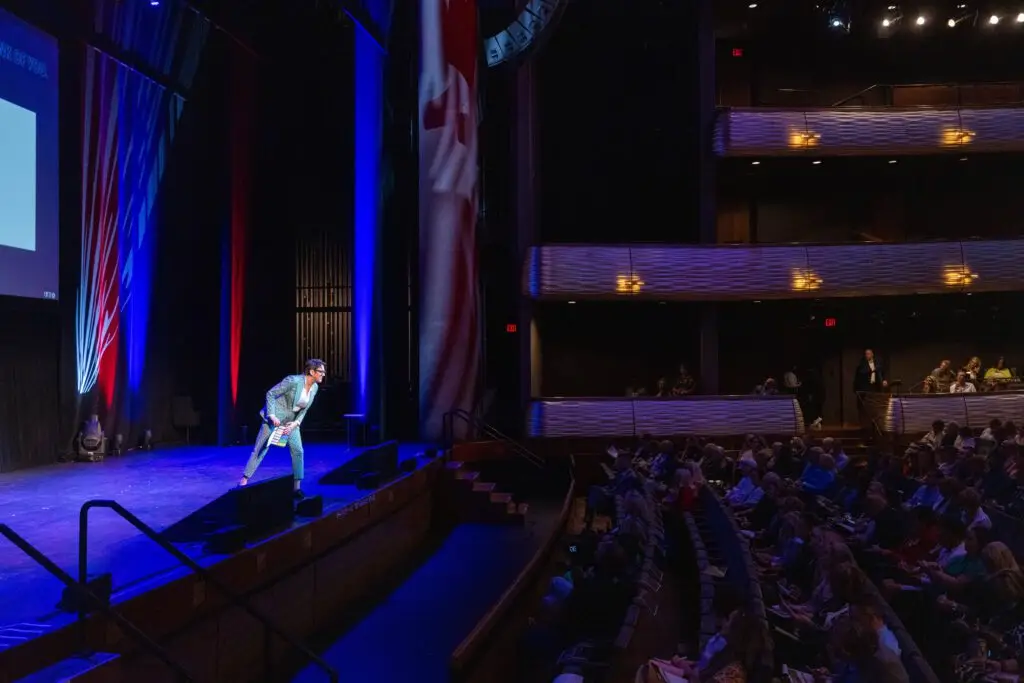
- Look for someone who can weave in the key themes of the entire event without turning it into a dry recap.
- Seek a closer who knows how to create a lasting emotional impact, so attendees leave feeling something.
- Choose someone who inspires reflection, not just excitement. People need a moment to process and internalize their takeaways before heading back to work.
- Find someone who can reignite energy at the very end, when attendees are drained and attention is hardest to win.
- Book an experienced speaker with an adaptive approach, one who adjusts on site to event themes, attendee conversations and surprises that unfolded during the conference.
The closing keynote isn’t about me. It’s about the event host, the theme and the organization. My job isn’t to take the final applause. It’s to make sure it goes to them.
How do you make the opening and closing keynote work together?

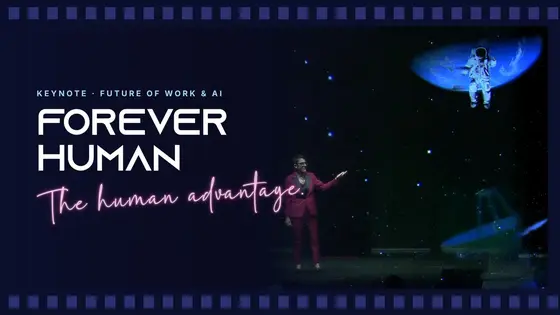
Your opening and closing keynotes are not separate pieces. They should work in tandem to create one cohesive event. When both speakers are aligned, they build a single story that strengthens engagement and takeaways, and attendees feel they experienced a well-structured, purposeful event. A disconnected pair feels disjointed and misses the chance to reinforce key insights. Make sure both speakers understand the broader event goals and reference each other’s messages, and the lessons stick.
- Choose complementary styles. A mismatch in tone or delivery can make the arc from opening to closing feel abrupt.
- Bring the speakers together. The closer should refer back to themes from the opener, and vice versa, for a full-circle experience.
- Ensure thematic continuity. Both keynotes should feel like they belong to the same event.
- Tell a complete story. If the opener asks a big, provocative question, the closer can explore the answer or challenge the audience to find its own.
- Do not let the middle fall flat. Strong bookends will not save an event if the sessions in between do not deliver, so keep quality and engagement consistent throughout.
One of my favorite tandems is serving clients alongside Hall of Fame speaker Phil M. Jones. I have studied his materials, watched him speak dozens of times and immersed myself in his expertise, and I am honored to say he has done the same with mine. We do not just share a stage. We weave each other’s concepts into our keynotes, which makes the experience stronger for the audience and more valuable for our clients.
An opening and closing keynote booked as a tandem creates continuity that ties the entire event together.
Still building your program? Read how to introduce a presenter, what makes audience engagement last and how to find a keynote speaker. And if you want an opening that takes the room straight into the future, have a look at the 3D immersive experience.
Frequently asked questions
Should the opening and closing keynote speakers have similar or contrasting styles?

A contrast in delivery often works best: an energetic opener to ignite the room and a more reflective closer to deepen the takeaways. Both should still align with the event theme and complement each other, so the contrast feels intentional rather than disconnected.
Can the same speaker deliver both the opening and the closing keynote?
It is possible if the speaker has the range to create two distinctly different presentations, one to launch the event and one to bring it to a meaningful close. Two different speakers usually add fresher perspectives. If you choose one, make sure the second talk is not a variation of the first.
How far in advance should I book opening and closing keynote speakers?
For major conferences, six to twelve months ahead is ideal, because in-demand speakers book early. Early booking also leaves time for pre-event collaboration, so both speakers understand your objectives and audience and can plan how their keynotes will reference each other.
Is it a mistake to open with announcements?
Often, yes. Welcome remarks and housekeeping are necessary, but they rarely capture attention. If you can, let the keynote start the event and move announcements to a later slot or a short segment after the keynote, when the room is already engaged.