1. Why is personalization the mark of an inspirational speaker?
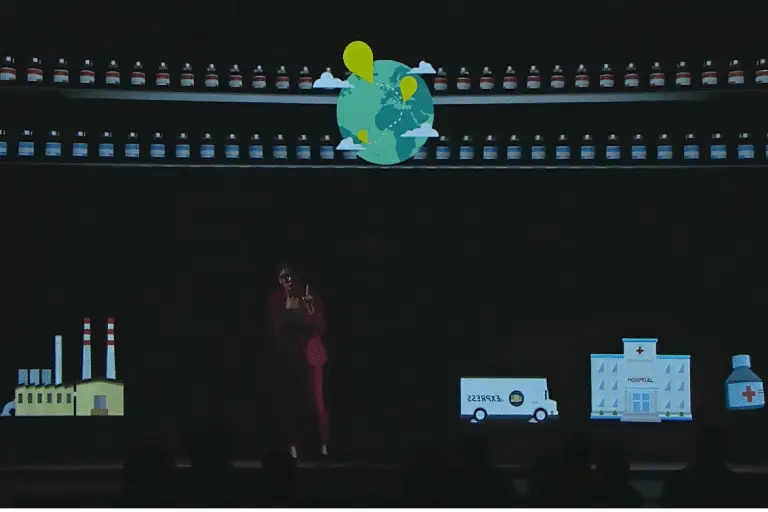
Every stage is different. Every audience is different. So every keynote should be different, too. Customization is not a nice-to-have. It is a deep sign of respect.
And it has to go beyond the superficial. It is not about changing the company name on the opening slide. It is about understanding the culture in the room and weaving it into the message. Asking thoughtful questions beforehand and listening for nuance. When a speaker takes the time to learn an audience’s language, priorities and unspoken tensions, it sends one powerful signal: I see you.
Personalization is a gift to clients and attendees. It deepens trust and shows people they matter. And it is a gift in return: a rare backstage pass into industries, boardrooms, production floors and front lines most people never see. Healthcare logistics one week, luxury retail the next, then financial services, then frontline education. What other profession gives you a front-row seat to how real people make real decisions under real pressure, and then asks you to reflect it all back with relevance and grace?
If you are booking, ask: does this speaker’s process allow for true customization, or just decorative nods to your industry? Great inspiration feels personal because it is.
2. Easy to work with

Event days are complex. Speakers should not be.
Being inspirational is not only about what happens on stage. It is how you show up backstage, in emails, in tech checks and in every interaction before the lights come up. A speaker who is easy to work with brings calm into a fast-moving environment: ready early, flexible when the schedule shifts, supportive of the rest of the program, answering questions before they are asked and reassuring when things go off-script. Sometimes it means holding the energy of the room before the lights even rise.
A great keynote should not cause stress. It should relieve it.
For nearly twenty years, I sat on your side of the table. I hired speakers, planned programs and managed expectations, so I know how many moving parts, emotions and logistical pressures come with an event. That is why I pride myself on being low-maintenance, solution-oriented and kind to everyone I meet, from the AV crew to your executive team. When a speaker lightens the load instead of adding to it, she stops being a performer and becomes a partner.
3. Pushing the boundaries
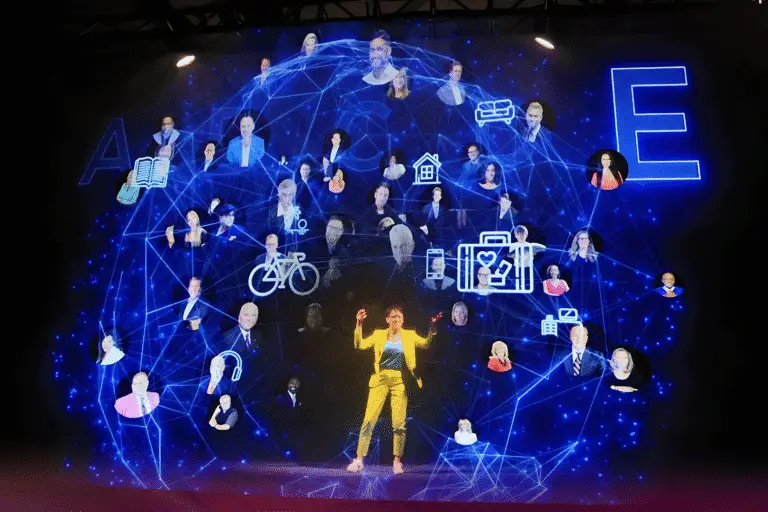
Audiences have seen it all. A polite introduction, a speaker with a slide deck, a few stories, a few stats, a quote or two, then Q&A. Familiar, and no longer enough to move people. Familiarity breeds disengagement, and comfort zones are not where change happens.
I believe in keynotes that stretch imaginations, challenge norms and introduce new tools and ideas. That is one reason I developed a fully 3D immersive experience: not for flash, but for depth. When we disrupt expectations in a respectful, meaningful way, we create the conditions for people to think differently. True inspiration often comes from surprise: the unexpected metaphor, the shift in perspective, the fresh look at an old idea.
The hardest job at any conference? Not the speaker’s, not the planner’s, not the tech crew’s. It is the audience member’s. Sitting for hours, staying engaged, absorbing information in a distracted world is hard work. That is why I regularly sit in sessions as an audience member, to feel what they feel and remember how quickly energy fades and attention drifts. And it is exactly why I created an immersive experience: not as spectacle, but as an act of empathy for people whose time and focus we speakers too often take for granted.
Your audience deserves more than recycled slides. They deserve something they have never seen before and will never forget.
4. Relevance is non-negotiable
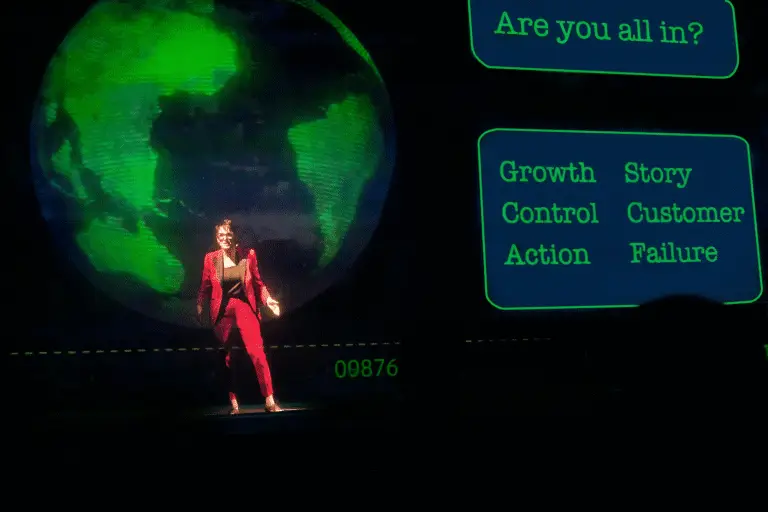
If it is not relevant, it is noise.
I do not believe in canned messages or generic advice. Every idea I bring on stage has to work in the real world for this audience, at this moment. Relevance is respectful. It says: I know where you are, I know who you are, and I came prepared to meet you there.
The best speakers track what matters to the room in front of them, not just to the world at large. They read the energy of the industry, reference current conversations and challenges, and resist the urge to repeat the same keynote from event to event. They also respond to change in real time, whether that is a company restructuring or a recent industry shift.
Relevance does not happen by accident. It happens by design, and design starts with research. Before I take the stage, I study the industry, listen to voices inside the organization, trace the trends shaping the space and ask the questions others do not. It is disciplined curiosity. If I have not done that work, I have not earned the room’s time.
5. Long-term impact over one-time inspiration
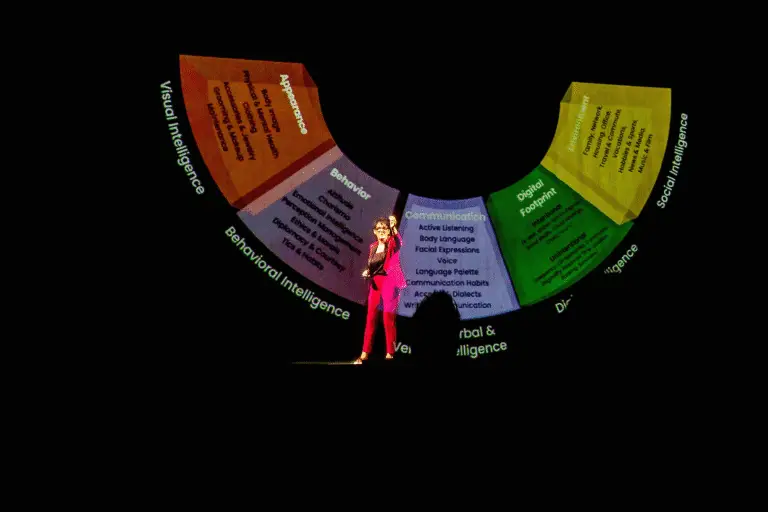
Yes, I love a standing ovation. What matters more is the moment six months later when someone says, “I still think about what she said.”
Being inspirational is about more than charisma. It is about giving people frameworks, language and shifts in thinking that stay with them and ripple into conversations, decisions and leadership behavior long after the event. I aim to plant seeds that grow in board meetings, feedback sessions, hiring decisions and quiet moments of reflection.
We do not get paid for the 45 minutes on stage. We get paid for everything that happens before, and everything that happens after.
The real measure of success is not applause. It is aftershocks: what changes in a team, a conversation or a leader’s mindset six weeks or six months later. So if you are booking an inspirational speaker, ask: will the message last longer than the applause?
6. The cost of disconnection: engagement is everything