Is data-driven the same as people-led?

Yes, AI gives you dashboards. Do you know what they do not show? Disengagement. Burnout. The silent resignation in a room full of polite smiles.
Leading in the age of AI means reading the data and the room. Numbers are indicators, not answers. Behind every performance score is a person, and behind every algorithmic decision is an emotional ripple.
A dashboard will not tell you why your star performer suddenly checked out. It misses the pause before a tough question, the tension in a team’s silence, the hesitation in a hallway conversation and the real reason someone turned off their camera. AI cannot decode tone shifts, cultural dynamics or quiet disengagement, and it should not have to. That is leadership’s job: not to compete with the algorithm, but to complement it with context, nuance and emotional awareness.
Data should inform your judgment, not replace it. Your job is not to be the most efficient calculator in the room. It is to be the most trusted interpreter, the one who sees beyond the screen.
AI reveals patterns. Great leaders reveal meaning.
Does AI break trust, or do leaders?
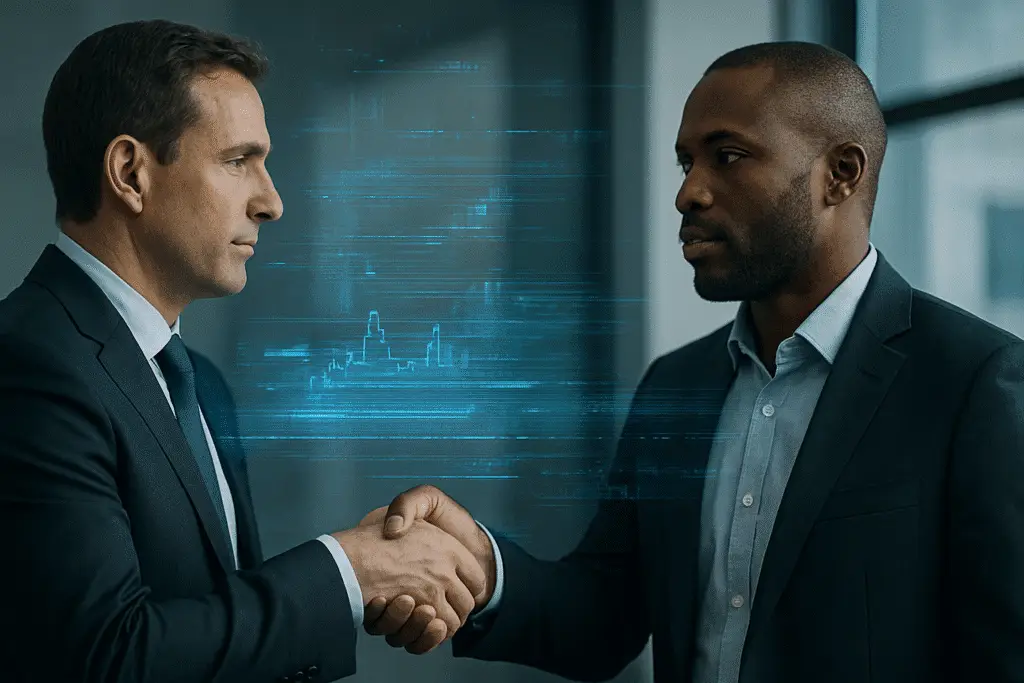
When employees fear being watched, analyzed or predicted, they do not distrust AI. They distrust the person who decided how it would be used.
AI leadership means owning the emotional impact of your tech decisions. Roll out tools without clarity, communication or consent, and do not be surprised when your team pulls back.
Trust rarely dies overnight. It dies slowly, in unanswered questions, vague policies and decisions made behind closed dashboards. It withers when people feel optimized instead of understood, like data points instead of trusted professionals.
So be radically transparent. Explain what AI does and why it is in the workflow. Invite input. Admit limits. Share the reasoning behind the tools and the safeguards around them. And stay open to feedback when things do not go well. Want your people to embrace AI? Show them you are not using it on them. You are using it for them, ideally with them. No tool breaks trust on its own. That is a leadership decision, and so is every chance to repair it. The algorithm is just a tool. The intent is yours.
Why is emotional intelligence the new status symbol?

Forget the corner office. Your real status symbol is how well you manage emotions, yours and everyone else’s.
When AI takes over the transactional, what is left are the moments that cannot be automated: conflict, nuance, uncertainty. That is where emotional intelligence steps in. Can you read what your team is not saying? Can you calm chaos instead of fueling it? Can you admit you do not know and still hold the room?
Good leadership is measured less by how much you know and more by how well you listen. Less by how fast you respond and more by how intentionally you pause. Emotional intelligence is about empathy, and also about timing, tone and knowing when to let silence speak.
What most dashboards will not tell you: fear spreads fast during change, and AI brings change. Change brings ambiguity, ambiguity brings stress, and stress tests trust. Emotional fluency helps you manage that invisible climate, the undercurrent of tension AI simply does not track. It speaks louder than any line of code and lasts longer than any metric. The best leaders today are not the most technical. They are the most emotionally fluent.
Can you delegate accountability to an algorithm?

AI made the recommendation. The tool flagged the issue. The system approved it. All great, until something goes wrong. Then what?
Leaders stand in the decision, even when the data led them there. They do not hide behind a platform or blame the process. They absorb the responsibility, and then they explain it, openly.
Accountability is also proactive. When AI makes suggestions faster than most leaders can blink, someone has to press pause and ask: Should we do this? Does it align with our values? Are we solving the right problem, or just the most convenient one?
And when mistakes happen, and they will, the answer is not to point at the model. It is to step forward and own the human choices behind the outcome. Your team does not expect perfection. They expect presence, and to know someone is watching with both eyes open, at the numbers and at the meaning behind them. Do not use AI as a shield. Use it as a lens. And when the lens is wrong, own the view and clean it yourself. You can share the workload with AI. Not the consequences.
Who has authority when AI is involved in the decision?
AI is changing how decisions get made, and who gets to make them. When a system suggests the best sales lead or flags the highest-risk client, who is responsible if it goes wrong? The tool? The technician? The team lead?
That diffusion of authority is dangerous. It breeds a blame-shifting culture where nobody feels accountable. Employees want clear boundaries and to know who owns what, including the decisions AI is part of. AI can inform. It must not absolve.
Clear leadership draws the line between assistive and authoritative. It sounds like this: “This is what the data shows, and this is the choice I am making.”
Is surveillance a leadership strategy?

Tracking keystrokes, monitoring logins, measuring screen time: that is not strategy. It is surveillance, and it tells your team one thing. You do not trust them.
Leading with AI requires more than control. It requires culture, built on autonomy, psychological safety and shared purpose. Surveillance sends the opposite message: people are resources to manage, not humans to support.
When employees feel watched but not supported, informed but not heard, they will perform, but they will not stay. Those who stay may stop bringing their best ideas. Under a microscope, people do not innovate. They conform. They do not challenge flawed systems. They avoid them. Fear can produce compliance. It never inspires greatness.
So instead of tracking activity, build an environment where trust runs both ways and outcomes count more than hours. Ask better questions: What is the story behind the screen time? What is driving the behavior we are trying to measure? You cannot automate your way into loyalty. You earn it by making people feel seen, not scanned. Get that right and you will not need surveillance. You will have engagement. Surveillance breeds silence. Leadership demands dialogue.
Why are employees becoming skeptical of AI at work?
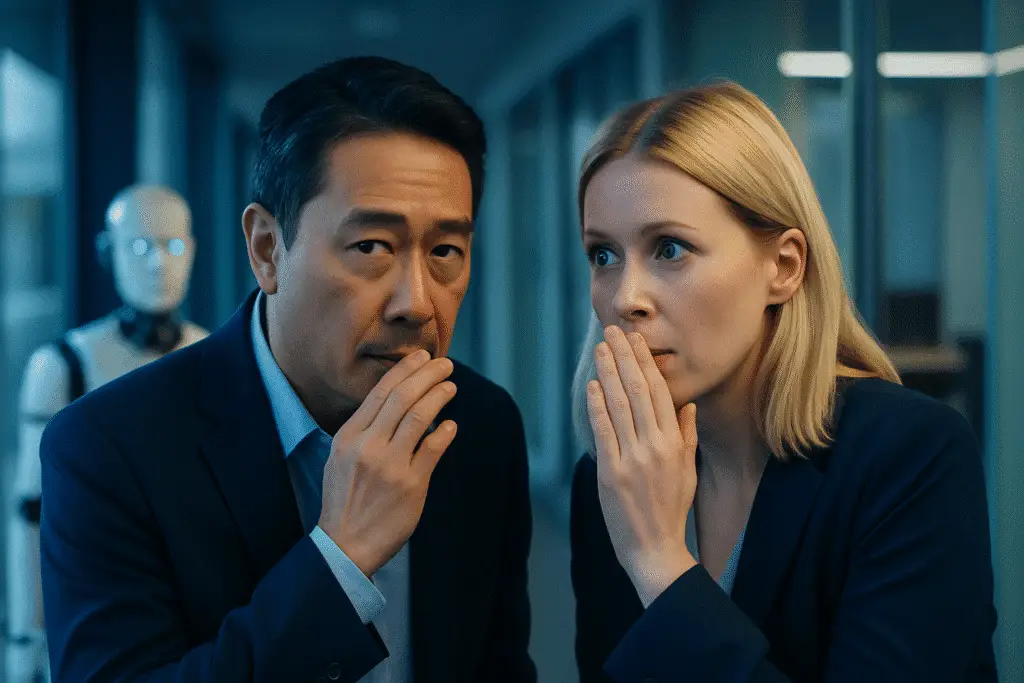
Employees are no longer only working with AI. They are being evaluated by it. They know when a decision was automated, when a chatbot did the first round of resume screening and when performance data is tracked in the background. That knowledge breeds skepticism.
When transparency is missing, suspicion fills the gap. People ask: What is the algorithm doing with my data? Who gets to see it? Can I challenge it? That is not paranoia. It is the reality of working inside systems that monitor, predict and nudge behavior without always explaining why.
Trust does not vanish in one dramatic moment. It erodes in micro-decisions, vague policies and robotic responses. Leaders who want engaged teams have to do more than implement AI. They have to humanize it by explaining the why, the how and the who behind every tool. An algorithm without context creates suspicion instead of support.
Why is attention the new scarcity for leaders?

Between alerts, dashboards, Slack messages, social media notifications and meeting invites, focused time has become a luxury nobody can afford.
AI tools may save time, but they also fill it with more to click, skim and decide. Deep thinking gets rare. Strategic planning competes with constant digital reaction. So leaders now have to protect focus, for themselves and for their teams.
That means building environments where it is okay to pause, to think and to challenge. The leaders who win will not be the fastest to react. They will be the ones who restore depth in a world addicted to speed. Treat attention as a shared organizational resource that deserves as much protection as profit. Distraction is the tax we pay for constant optimization.
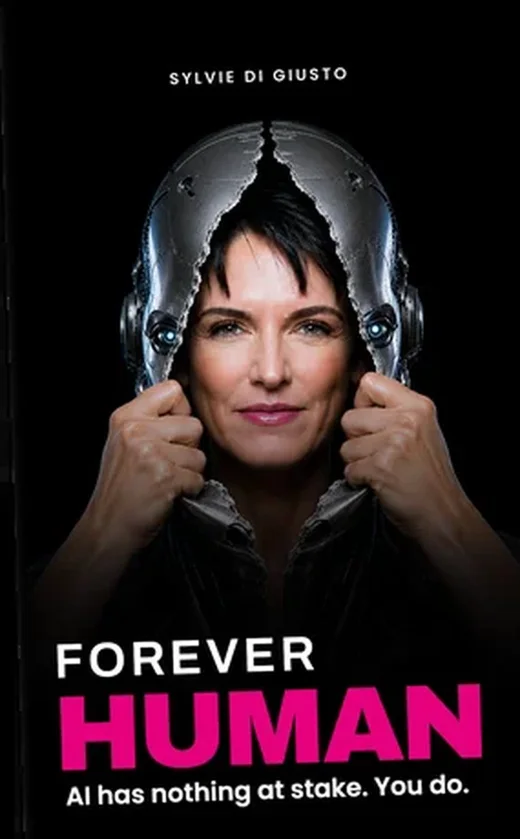
Forever Human
Reading the room, owning the decision, protecting meaning: the leaders who stay irreplaceable next to AI do these things on purpose. My book Forever Human is the playbook for exactly that kind of leadership.