Is being faster still a measure of human performance?
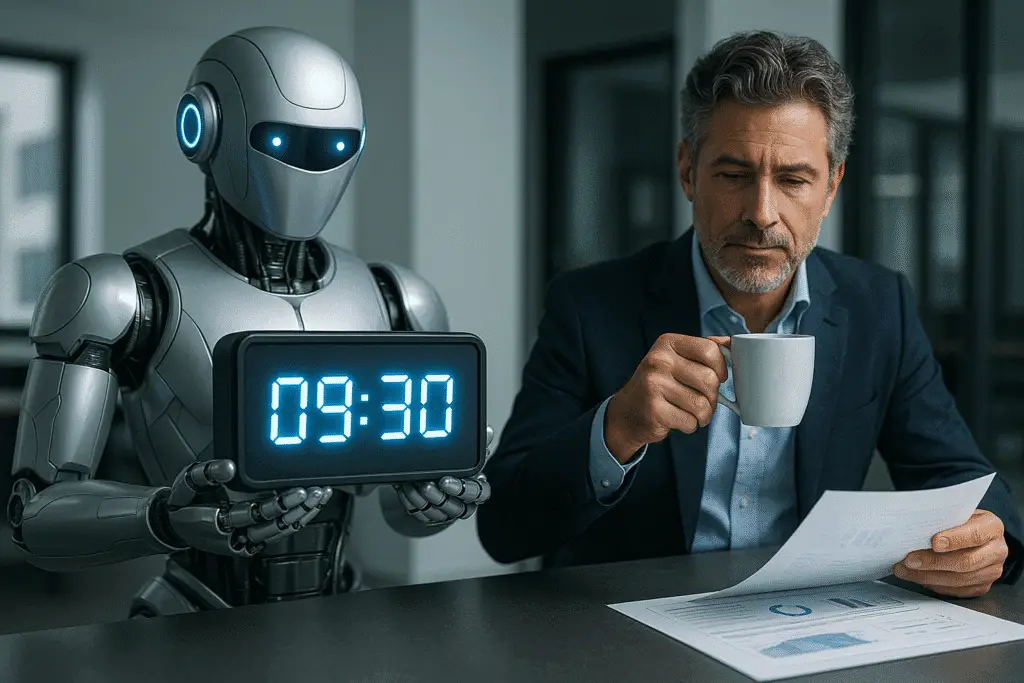
We used to equate performance with speed. Whoever answered first, wrote fastest and responded soonest won. Then AI cornered the speed market. It processes, summarizes and solves before most of us finish our coffee.
The uncomfortable truth: being fast is not impressive anymore. Rushing might even be the red flag. The value is no longer in how fast you go. It is in where you decide to slow down.
AI handles speed. You handle strategy. The human advantage is choosing the moment to pause, to question the obvious, to say “Yes, but what are we missing?” Performance in this era is not about chasing the algorithm. It is about outthinking it.
Outpacing AI is pointless. Outthinking it is priceless.
Why is trust now part of performance?

When AI can mimic authority, quote data and sound confident, trust becomes harder to earn and easier to lose. Employees are asking new questions. Was that written by a person or a bot? Is this decision algorithm-driven or human-led? Can I trust what I am seeing?
That is a new credibility test. Getting things right is no longer enough. You also have to be believed.
So performance now includes how transparent you are, how clearly you communicate intent and how consistently your words match your behavior. The strongest performers will not simply be the most skilled. They will be the most trusted. What you do counts. Whether people believe you meant it counts more. I go deeper on this in AI and trust.
Why are confident contributors becoming cautious?
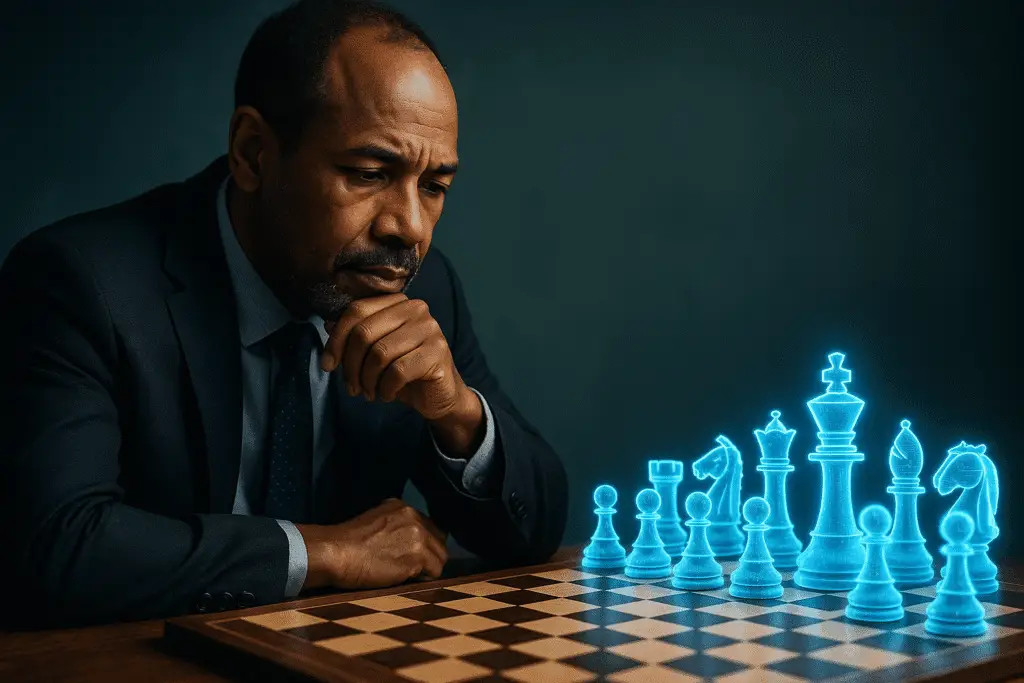
AI has made us question more, and not always in a good way. Some employees double-check everything. Others hesitate to act. A few watch from the sidelines, unsure where they still add value.
That skepticism is not laziness. It is the emotional fallout of disruption. People and AI are not at odds, but the pace of change has created friction. High performers used to rely on confidence. Now they rely on caution.
The shift has its perks: less blind trust, more critical thinking. It also has a price: burnout, hesitation and decision fatigue. Performance is no longer about doing more. It is about finding the right way through a lot of digital noise. The smartest contributors do not rush. They verify.
Why does emotional endurance beat hustle?

AI does not get tired. People do. Which means the new competitive edge is not hustle. It is emotional endurance.
When AI is always on and expectations are always up, high performers need a different fuel. Not adrenaline. Not urgency. Clarity, boundaries and self-awareness.
And here is the strange paradox: as tasks get easier, the pressure gets harder. We are judged less on effort and more on value, on insight, on the ability to bring emotional depth to something that used to be just a task. Your ability to keep showing up present, calm and thoughtful is the new productivity metric. The strongest performers are not pushing. They are pacing.
Why are creativity and curiosity making a comeback?

Ironically, the most human parts of work used to be filed under soft skills. Nice to have. Optional. Now they are survival traits.
AI handles the repeatable. You handle the remarkable. Creativity is no longer a department. It is a daily requirement. Curiosity is no longer a quirk. It is the fuel for relevance.
The people who thrive with AI are efficient, and they are expansive. They see possibilities where others see patterns, and follow ideas where others follow prompts. AI is great at answers. It still needs better questions. That is your job. Original thinking just got promoted.
Why does presence matter more than perfection?
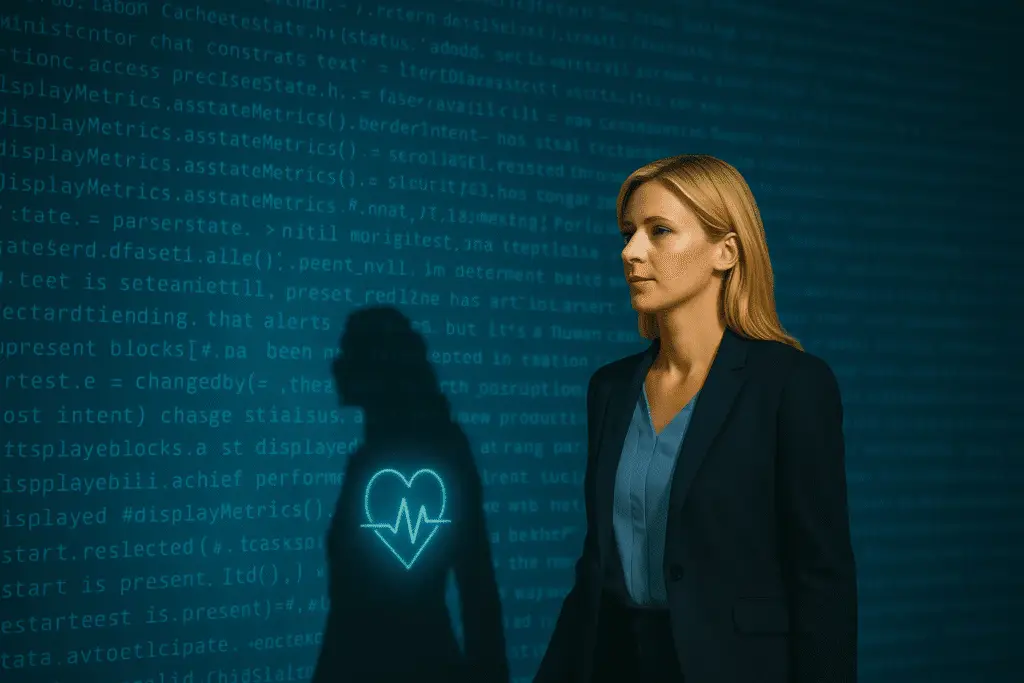
One thing performs badly next to AI: hiding. You cannot out-perfect the machine. You can outperform it with presence: real-time judgment, real-time empathy, real-time leadership.
AI is changing how we show up at work: as personalities, perspectives and people, far beyond roles or titles. The highest performers will not be the ones who tried to match the machine. They will be the ones who made it clear they were something entirely different. Perfect is robotic. Human is remembered.
Human performance and AI: it is not the output, it is the pulse
The machine will always be faster, sharper and more scalable. But we were never built to be machines. We were built to matter.
At its best, human performance is not about replicating output. It is about offering what AI still cannot: judgment, nuance, trust, creativity and presence. Performance with a pulse. That is the edge, and that is the work.
For the full picture, read artificial intelligence vs human intelligence, or see how I bring it to the stage in my keynote Forever Human.
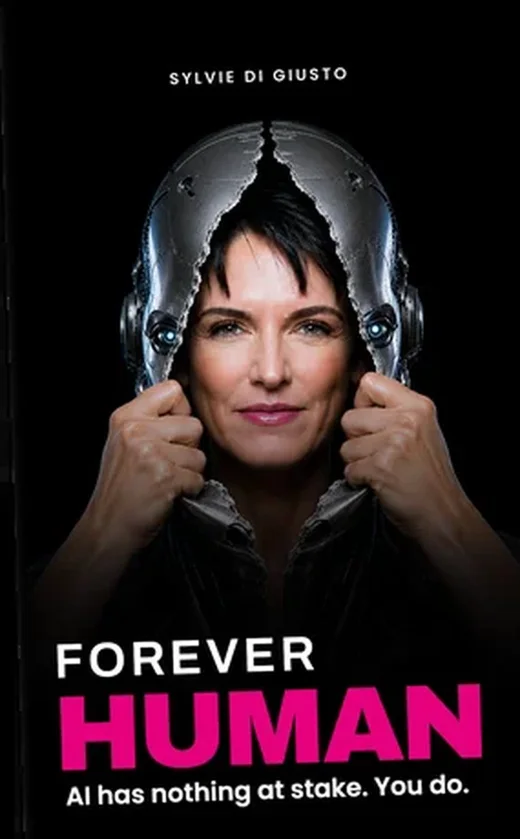
Forever Human
If speed and memory no longer set you apart, what does? My book Forever Human names the human moves that keep gaining value as machines take over the output, and shows how to make them part of how you perform every day.