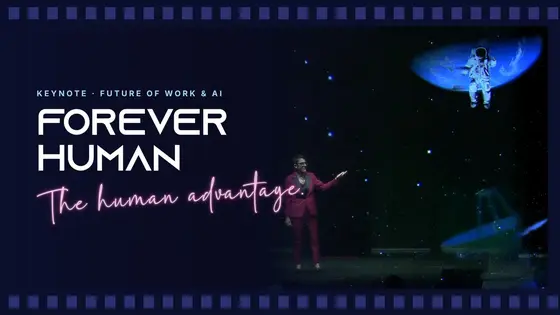
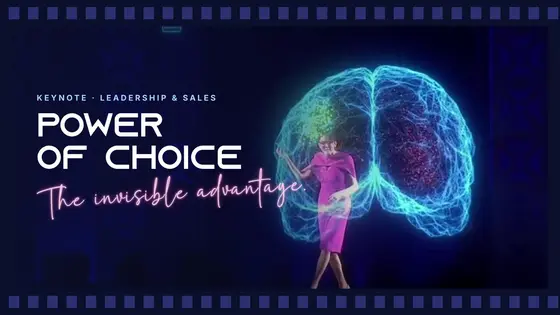
Why are immersive keynotes one of the most unique event ideas right now?
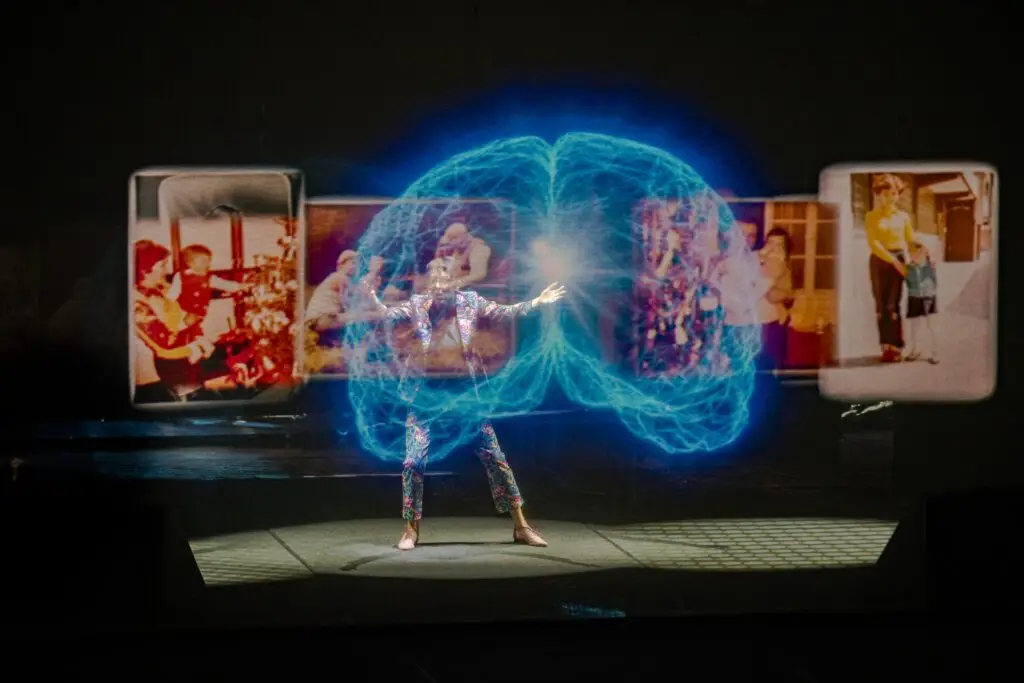
Because they reinvent what a stage can do. Forget sitting back while someone talks at you. An immersive 3D keynote invites the audience into a living narrative. With holographic visuals, sound and dimensional storytelling, the speaker becomes a guide, and the stage turns from a platform into a playground for the mind.
That shift from passive to participatory changes how people relate to content. Learning is felt. Insight becomes physical. Moments stick. Attendees are no longer just attendees. They are inside the experience, and that is what separates a truly unique event from one that is merely well organized.
Is the technology the point?
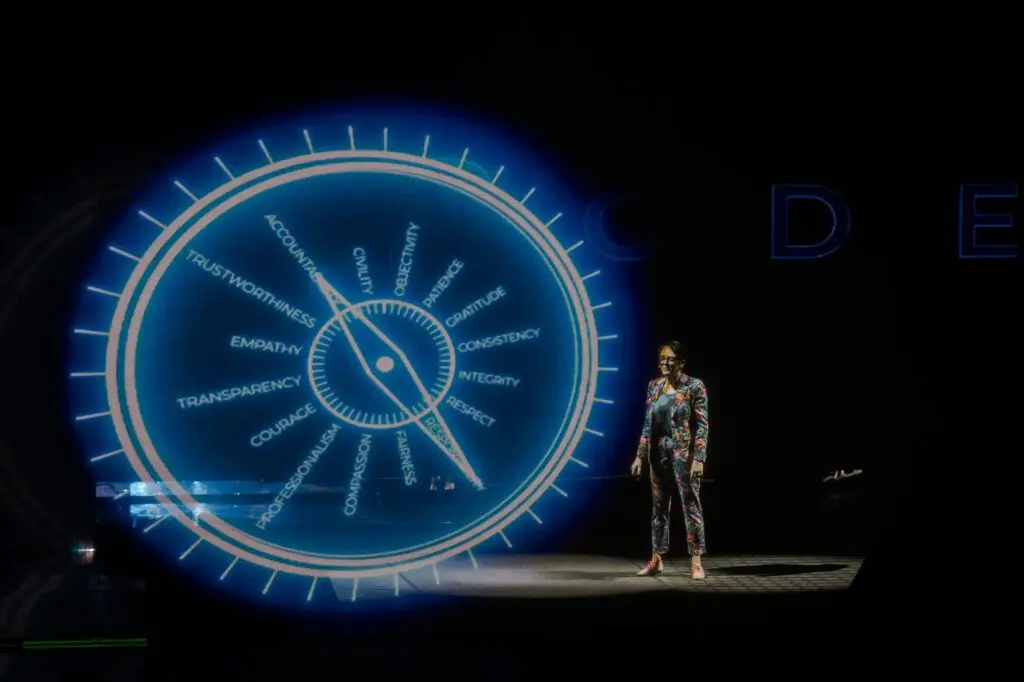
No. Technology is the staging, not the star. Used well, it carries the emotional arc of a keynote the way lighting and sound carry a Broadway show. In my 3D immersive keynotes, I combine behavioral science with visual storytelling. It is not about screens. It is about scenes.
Imagine watching a brain form in real time while you learn how the subconscious drives your daily decisions. Or seeing a fork in the road appear on stage just as you are asked to choose courage over comfort. Those are not slides. They stay with people long after they have left the ballroom.
Why does an immersive format work on the brain?
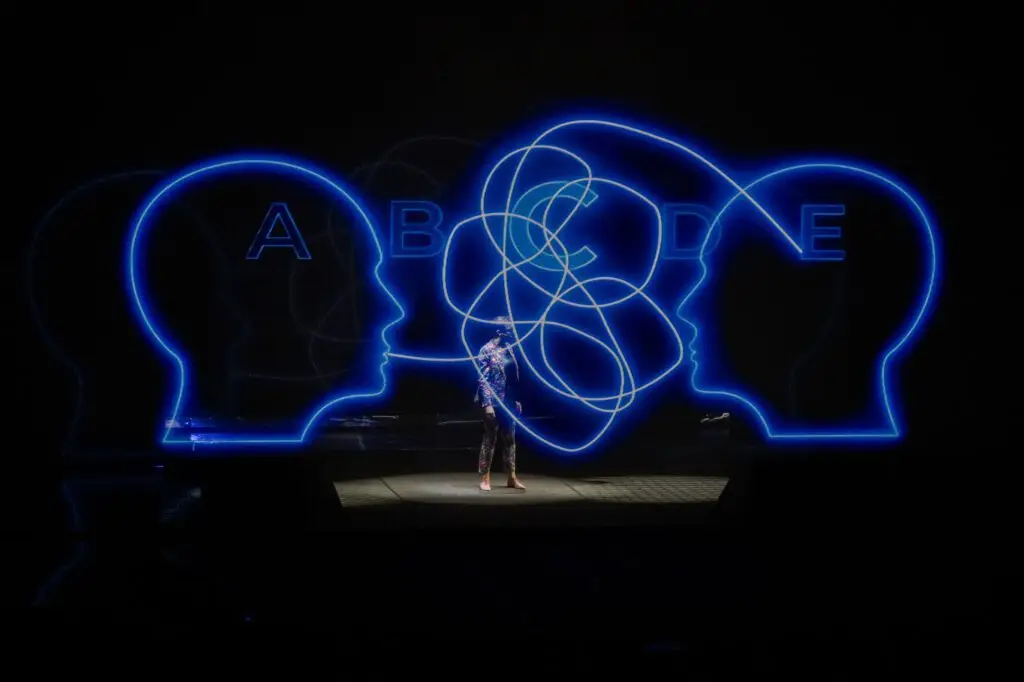
Because it matches how people actually learn and remember. Novelty grabs attention. Movement anchors memory. Emotional cues boost recall. The best immersive experiences are designed around those truths, so the audience hears the message and internalizes it.
That changes how you measure a keynote’s return. It is not applause. It is the follow-up conversations, the post-event buzz and the behavior that changes afterward.
What makes a moment worth sharing?
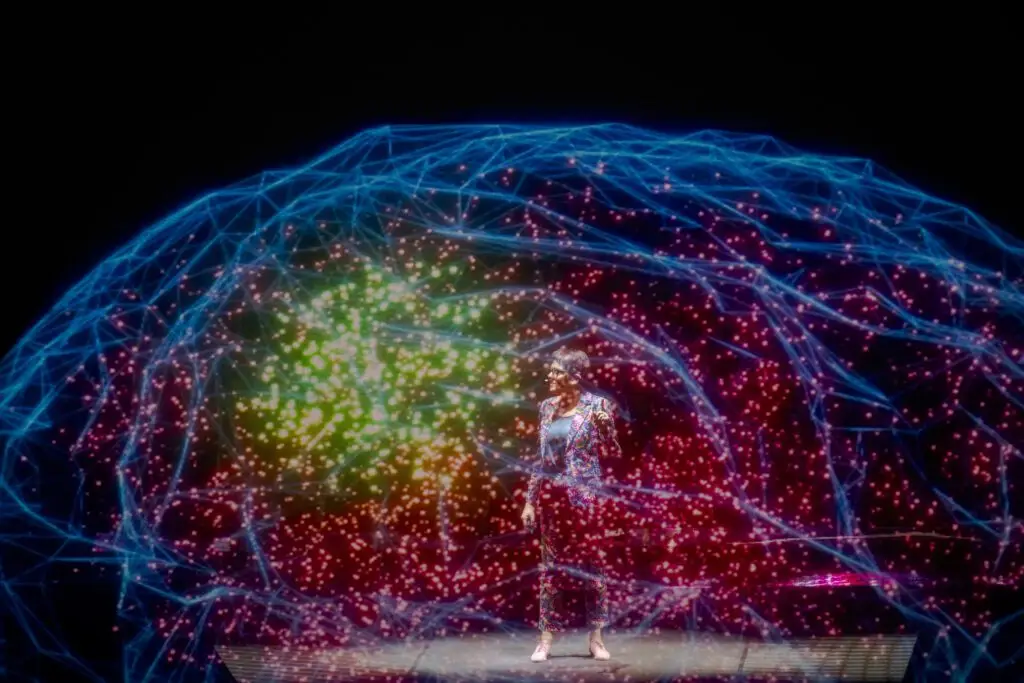
When an attendee pulls out a phone during a keynote, it is usually a bad sign. During an immersive one, it is a compliment. They are capturing something worth sharing.
Immersive moments create buzz because they are felt, not because they are flashy. They photograph beautifully, and they linger. When people still post about your event weeks later because the keynote is living rent-free in their heads, that is long-tail engagement no swag bag can buy.
Can it be customized for our audience?
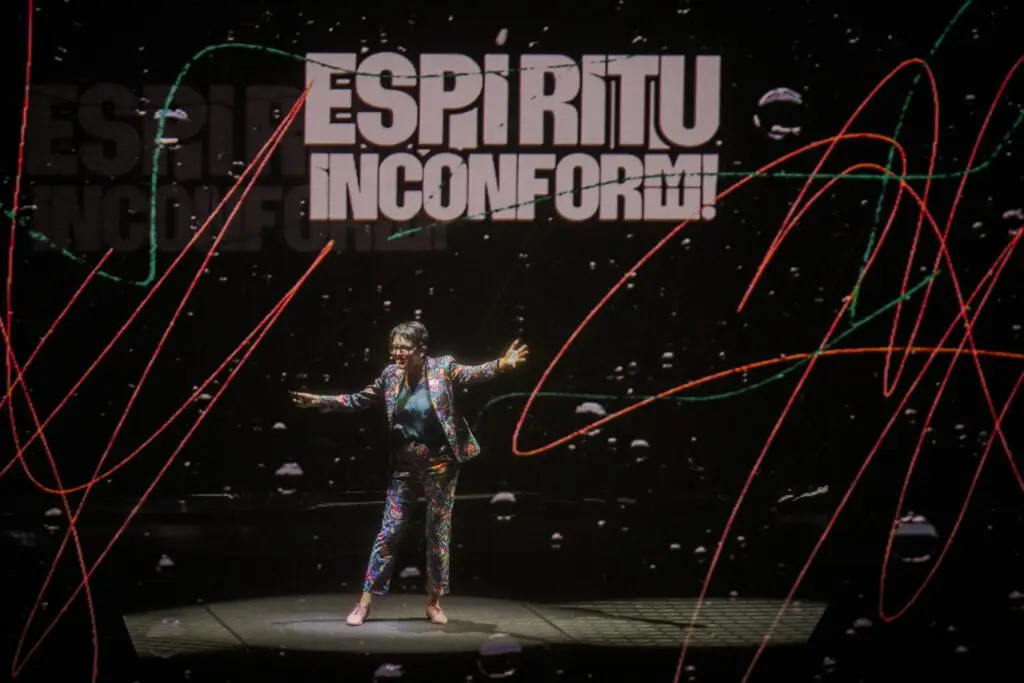
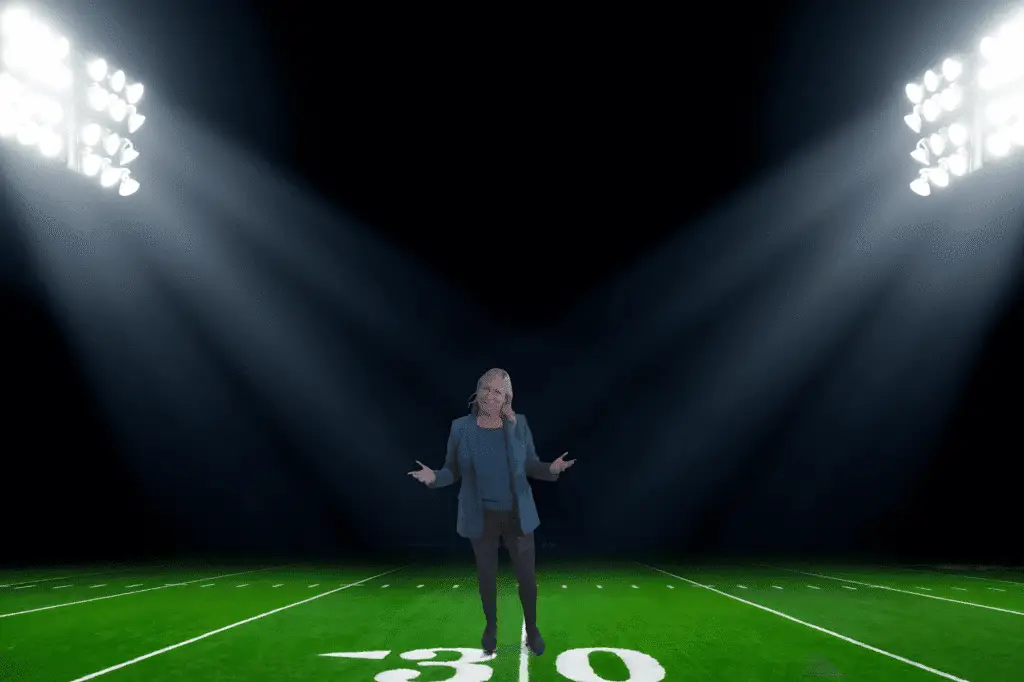
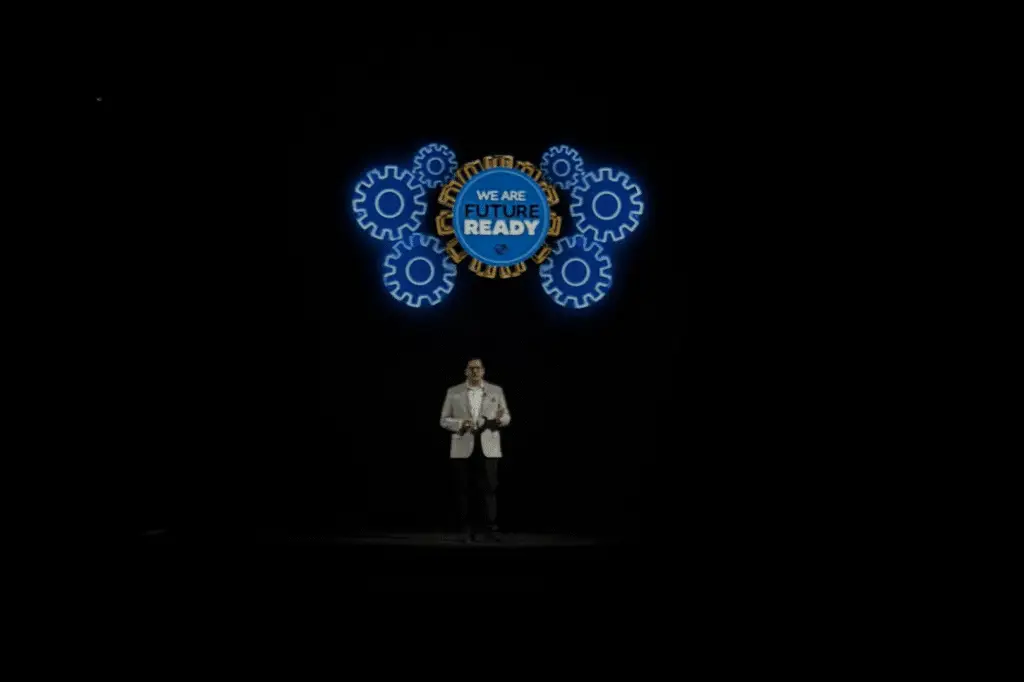
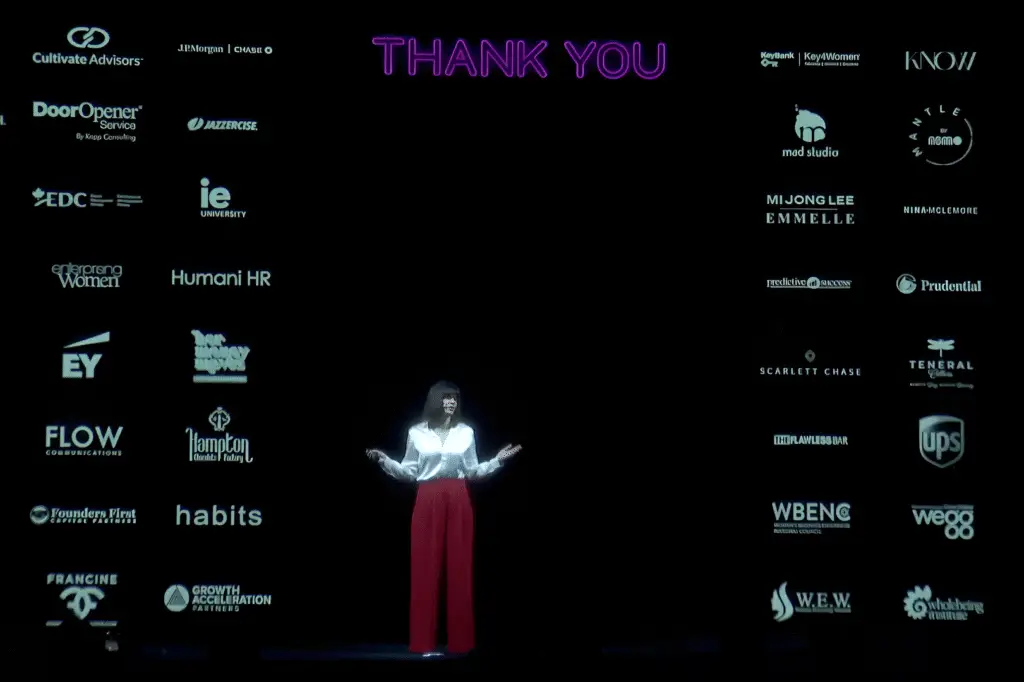
No two audiences are the same, so why should the keynote be? Immersive formats allow deep customization: visuals, themes and storylines can all be built around your audience, your industry and your goals. I do not show up with a keynote. I show up with a production built for your people.
That care creates a ripple effect across the whole event, so everything from breakouts to brand activations feels more aligned. A unique event idea is not about novelty for its own sake. It is about intentional, unforgettable design. Some of my favorite examples are clients who stepped into the experience themselves.
Women Presidents Organization: a closing that set a new standard
When the CEO of the Women Presidents Organization stepped into the immersive experience to close the conference, she did more than recap. She acknowledged sponsors, honored her team and announced next year’s event in a show-stopping moment. Leaders plan the future. The good ones deliver it. Live. In 3D.
How do you break a predictable agenda?
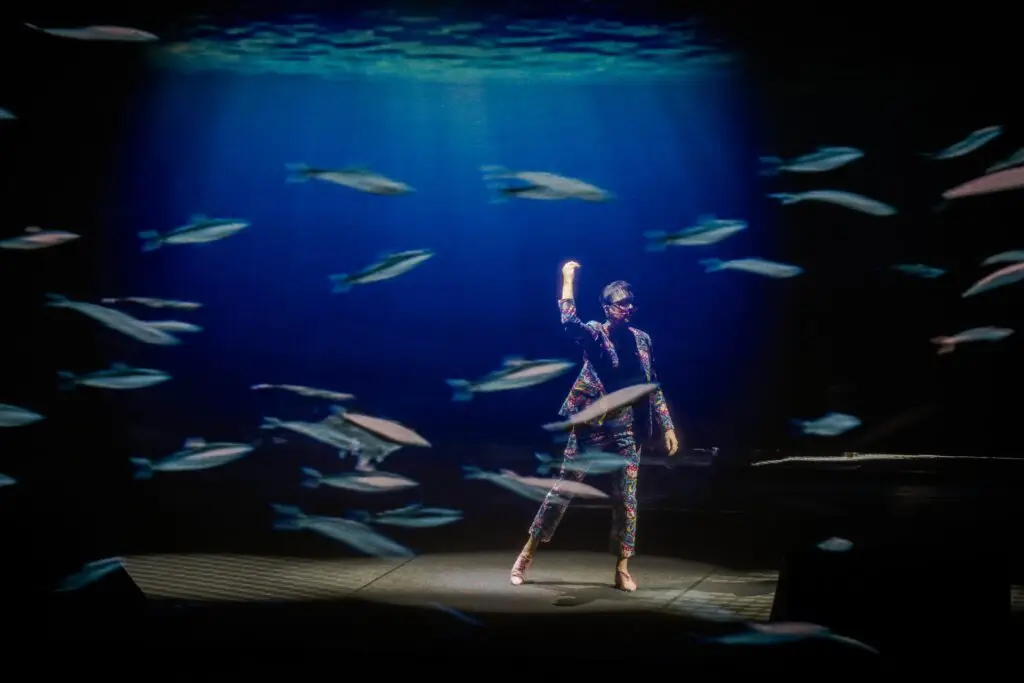
Most events follow a familiar rhythm: welcome, breakout, panel, lunch, keynote, repeat. When everything feels the same, nothing stands out. An immersive keynote creates sharp contrast inside that rhythm. It breaks the pattern just enough to wake the room up.
It is not disruption for disruption’s sake. It is strategic contrast, placed where people least expect it, and it lifts the session and everything that follows.
What becomes the moment everyone talks about?
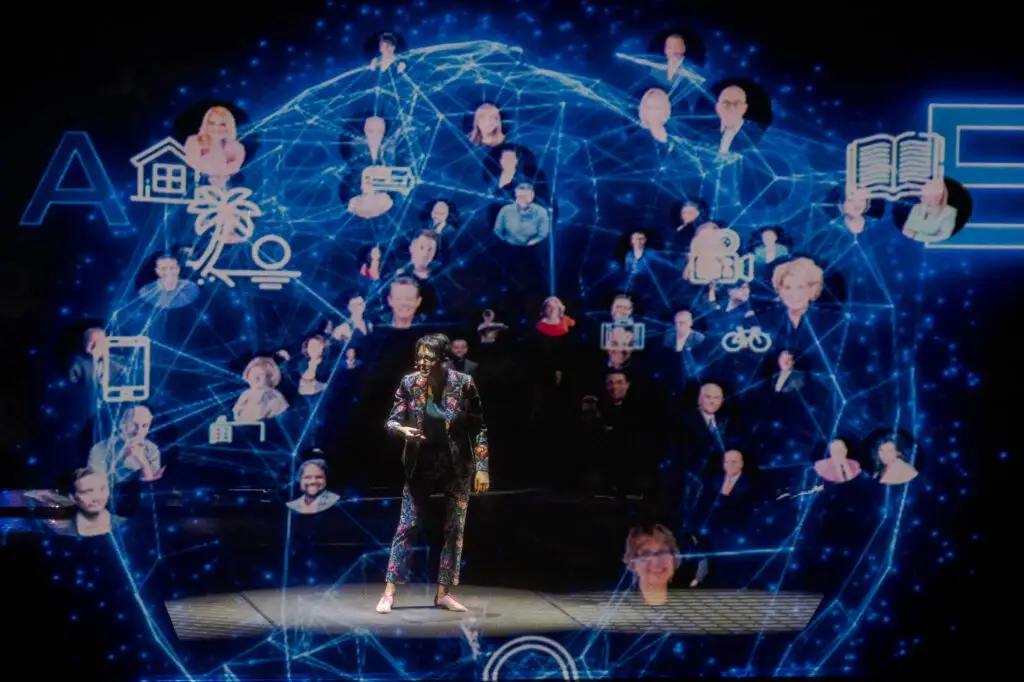
Every great event has that one moment. The one everyone talks about, the one that gets shared, the one that defines the whole experience. Immersive keynotes are designed to be that moment. Not by chance. By choice.
Your audience does not want another event. They want an encounter.
It is the scene people describe when they get back to the office. The photo in the wrap-up deck. The story that says: this was not just another conference. When your event becomes known for that moment, you have done more than host a program. You have raised the bar.
People walking into your ballroom are not craving more content. They are craving connection, to ideas, to energy and to themselves. They want clarity and the feeling that their time meant something. Give them that, and you give them a once-in-a-career kind of moment.
Wondering whether this is the cure for a tired agenda? Read whether experiential keynote speakers are the answer to event fatigue, then explore what the 3D immersive experience looks like for your event.