That email is polished. But was it you?
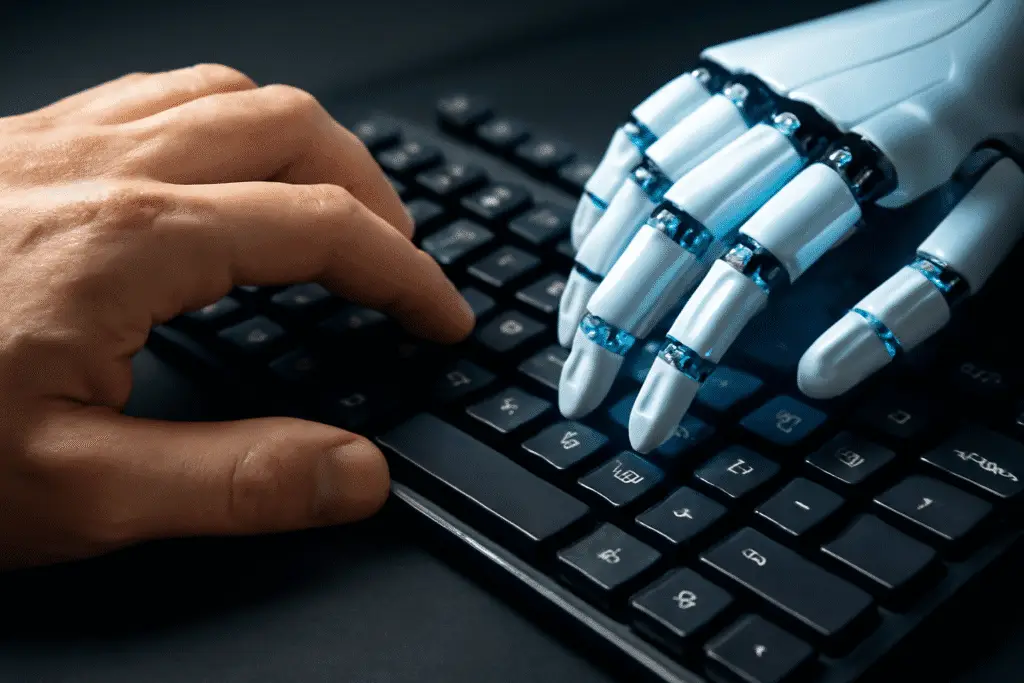
You reply within seconds. The tone is articulate and perfectly on-brand. The grammar is flawless, and the sign-off includes a quote that sounds just enough like you to pass.
Except you did not write it. AI cleaned it, crafted it or generated it from scratch.
That is where first impressions and AI meet every day: in the inbox. And they produce a new kind of doubt. Colleagues wonder whether your note was genuine or prompted. Clients wonder whether your pitch had heart or just software.
Using AI does not make your communication less valuable. Failing to show up behind it does. When everything sounds perfect, the small imperfections are what remind people you are human.
What not to do:
- Do not schedule AI-generated emails to go out at oddly impersonal times, like 3 a.m. It feels robotic.
- Do not copy and paste the same AI email to different people or audiences.
- Do not let the tone drift too far from how you actually speak. Consistency matters.
- Do not skip the proofreading. AI still misses context and picks cringeworthy words.
- Do not let AI answer emotionally charged messages. It cannot mirror empathy the way you can.
Your headshot is perfect. Maybe too perfect.
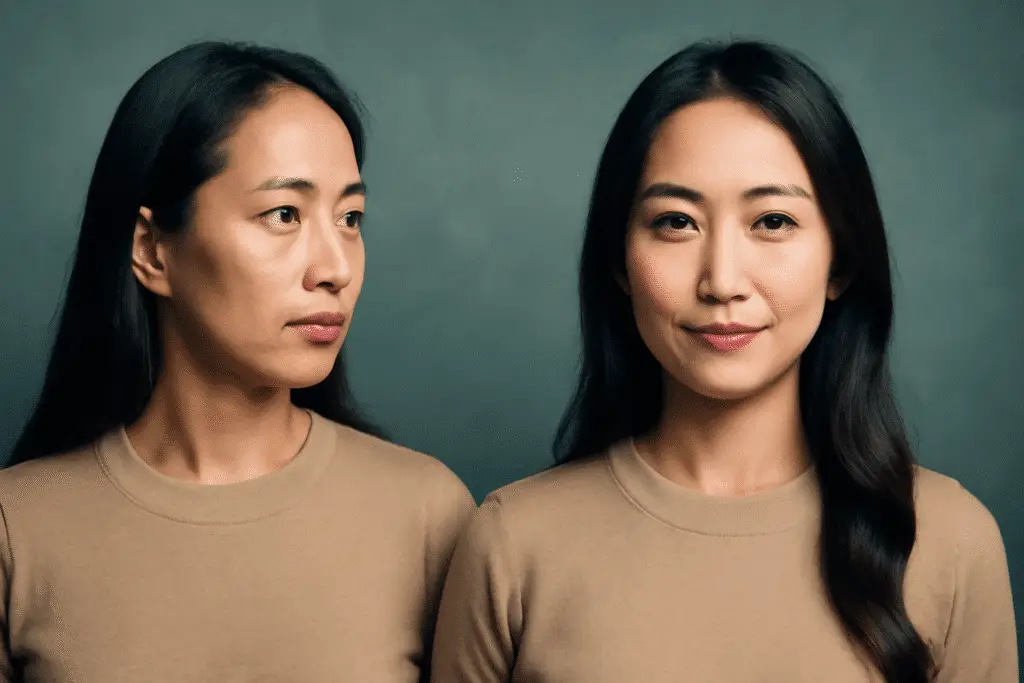
You look great. Better than great. Your skin glows, your eyes sparkle and the background is a perfectly blurred office. Yet the reaction is not always admiration. Sometimes it is hesitation: “Was this AI?”
AI portraits and avatar filters make it easier than ever to look flawless. At what cost? If your image creates uncertainty, it undermines the very trust you are trying to build.
A professional photo is smart. A face that is too polished, too generic or never changes raises questions. We trust faces that move, that feel, that live. And in a world full of generated images, we are getting better at spotting the difference.
What not to do:
- Do not make AI-generated images your only professional presence. Add candid or behind-the-scenes shots that show personality.
- Do not rely on overly symmetrical features or unnatural lighting. It creates visual mistrust.
- Do not ignore the background. An obviously fake or repeating backdrop is a red flag.
- Do not recycle the same photo on every platform. It signals automation, not engagement.
- Do not forget to update your image. A photo that stays too perfect for too long feels static and suspicious.
Does your LinkedIn summary sound like a prompt?
There is a growing sameness to the way professionals describe themselves. Strategic. Results-driven. Passionate about innovation. Those phrases were supposed to help people stand out. Now they sound generated.
We are tempted to optimize our bios for algorithms: stuff them with keywords, match the industry jargon, and sometimes ask AI to write the whole thing. But when everyone sounds alike, no one stands out. An AI summary may tick every box. It rarely reveals what makes you you. The best bios do more than communicate. They connect.
What not to do:
- Do not use the same AI phrases as everyone else. Originality still matters.
- Do not lean on buzzwords so heavily that your actual achievements disappear.
- Do not skip reading your bio out loud. Human voices matter.
- Do not use one version for every audience. One size rarely fits anyone well.
- Do not let AI strip away your personality. Your quirks and experiences are what set you apart.
Does your resume read like ChatGPT wrote it?
It ticks every box. It is keyword-rich, packed with strong action verbs and data points. And it does not sound like a person. It sounds like a robot.
When your resume reads like AI wrote it, people notice. Recruiters spot copy-pasted phrasing. Hiring managers sense when your experience has been overengineered. And your peers wonder how much of it is real.
It feels efficient. It also feels detached. What is missing is the voice, the narrative that brings a career to life: the quirks, the momentum, the grit behind the growth. And it is not only resumes. Bios, cover letters, even team introductions are starting to blur together. When everything sounds smart, strategic and scalable, nothing sounds like you.
So yes, use AI to clarify. Not to clone. The most persuasive story is still the one only you could tell.
What not to do:
- Do not forget to tailor your resume to the role. AI generalizes. Hiring managers value relevance.
- Do not skip the story in your experience bullets. Facts matter, and so do results.
- Do not use jargon that only sounds impressive. Clarity beats complexity.
- Do not let AI flatten your personality. Give a line or two your own voice.
- Do not submit without checking the formatting. AI output can break layouts and readability.
What happens when your tone does not match your timing?
You send a message full of warmth and enthusiasm at 5 a.m. on a Sunday. Or your thank-you note lands five minutes after the meeting ended. The speed is suspicious. The tone feels off.
AI writes replies in seconds, and speed without context can hurt more than it helps. When your timing feels robotic, so does your message. Which raises an uncomfortable question: are you being efficient, or are you being replaced?
Authenticity is as much about when you respond as about how. Tone and timing used to reflect your personal priorities. Now they are also read as signals of automation. A thoughtful pause can carry more weight than an instant reply, and a slightly delayed answer that sounds like you is worth far more than a perfect one a machine produced in under two seconds. Sincerity lives in that space, and so does trust.
What not to do:
- Do not answer every message at lightning speed. People may feel you did not actually read their words.
- Do not automate thank-yous or compliments without context. They lose their meaning fast.
- Do not ignore time zones or cultural context when you schedule responses.
- Do not send messages during off-hours if it suggests you do not respect boundaries.
- Do not let AI strip out the emotional cues. A short voice note or the right emoji can make you sound like yourself again.
First impressions and AI: when does it work, and when does it backfire?
AI can strengthen a first impression when it reflects you instead of replacing you. A polished video transcript that still sounds like your voice. A bio with clarity and character. A headshot that looks like you on your best day, not like someone else entirely.
When AI crosses into illusion, suspicion creeps in, and it breaks trust before trust is even built. Once questioned, trust is hard to win back.
People no longer only evaluate what they see. They evaluate how it was made. Authenticity used to be the default assumption. Now it has to be shown on purpose. Just because AI can make your first impression does not mean it should. Sometimes the win is not efficiency or polish. It is presence: making sure there is still a human behind the curtain, and one worth meeting.
What not to do:
- Do not let AI script your personal stories. They lose nuance and emotional truth.
- Do not overuse digital polishing on videos or headshots. Glitches in realism are more noticeable than you think.
- Do not present AI-enhanced work as your own without context. It can backfire exactly when credibility matters most.
- Do not assume AI personalization builds connection. Real warmth comes from real people.
- Do not polish away what makes you relatable. Sometimes imperfection is your advantage.
How do you leave a trace of “you”?
Flawless prompts and perfect filters make it tempting to optimize everything. But perfection is no longer persuasive. It is suspect.
Your audience, your client, your colleague want to know that you showed up. Not only your tools. So leave the typo. Send the voice memo. Keep the slightly too long sentence that sounds like you.
The most powerful first impression is the one that is unmistakably human.
For the bigger picture, read why authenticity now beats perfection and how AI changes the way we see each other at work. Or see how I bring this to the stage in my keynote Forever Human.
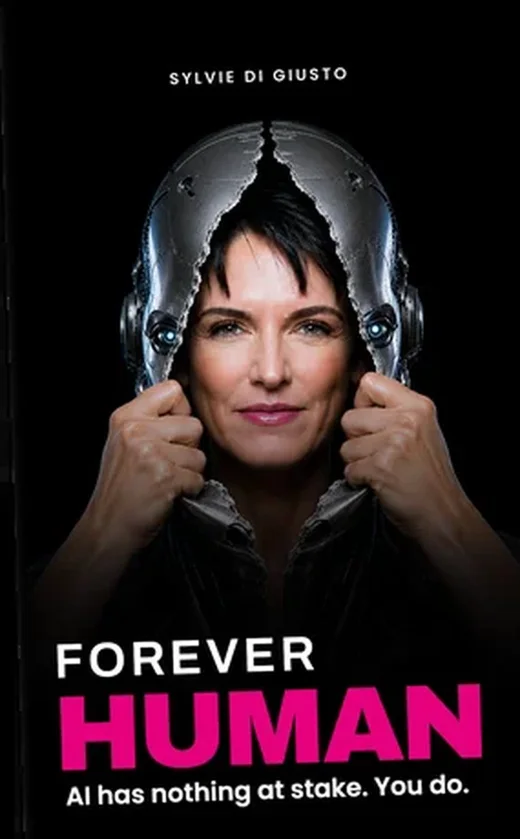
Forever Human
When anyone can generate a perfect email, headshot or bio, the signals that cannot be faked become the ones people trust. My book Forever Human is about those human signals and how to send them on purpose.