10 interactive keynote speakers worth booking
A note on selection and order: I have personally seen every speaker here present. That is my bar for including anyone. They are listed alphabetically by last name, not ranked, because this is a curated selection rather than a leaderboard. And yes, I have included myself. It would be odd to leave my own name off a list I stand behind.

Ty Bennett
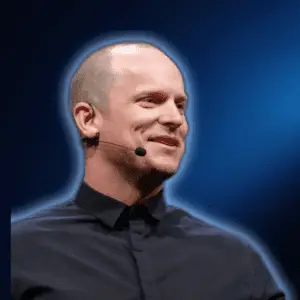
Ty (and his sons) turn a keynote into something you live through. In his Ninja keynote, volunteers come up on stage, so the audience does not just hear about influence and connection, it practices them. Participation is the teaching method: people get up, take part and feel the lesson land instead of nodding along to a slide. Under the fun sits a serious message about partnership and the kind of influence that earns real buy-in.

Brian Biro
Brian, “America’s Breakthrough Coach,” is known for one moment nobody forgets: the entire room breaks a wooden board with their bare hands. Breaking through fear stops being a metaphor and becomes something every single person does. The energy never drops and nobody gets to sit back and watch. Beneath the spectacle is a real message about possibility, full commitment and trust in your team. If you want a room on its feet, Brian delivers the breakthrough, literally.

Sean Bott
Sean’s mentalism makes jaws drop, but the real trick is what he does with it: he uses it to teach connection and how to read people. The astonishment is the hook. The message about influence and human perception is what stays. He pulls the audience straight into the act, so they feel the lesson instead of watching it. For events that want wonder with a point, Sean brings both.

Sylvie di Giusto
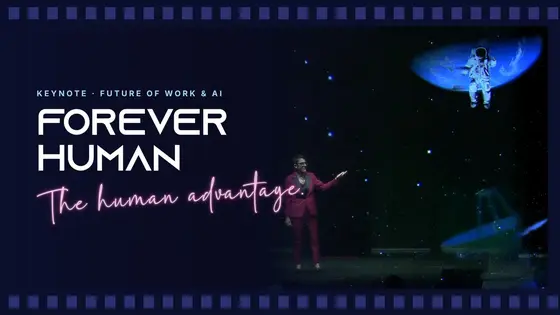
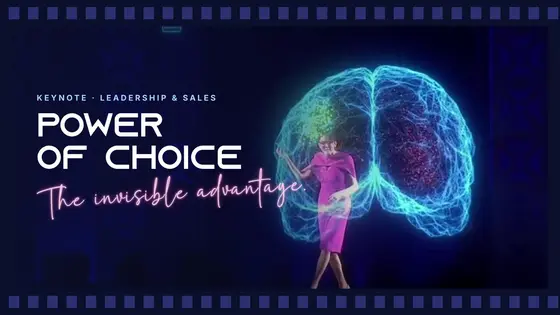
Full disclosure: that is me. I created the world’s first 3D immersive holographic keynote, where the audience does not watch the talk, it steps inside it. The behavioral content is real and research-based. The delivery wraps the room in visuals, illusion and interaction, and your own leaders or sponsors can appear inside the story. For events that want substance and spectacle in the same breath, it is the work I am proudest to have pioneered.
Tami Evans
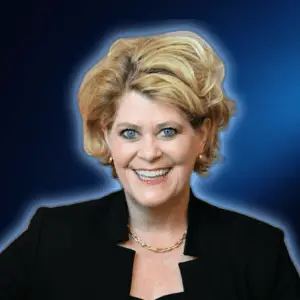
Tami’s signature experience, Plot Twist, is interactive by design. The audience decides the storyline and the outcome, so no two sessions ever end the same way. It is improv with a purpose: humor and play pull a room together fast and bring out a real message about change and resilience. When a drained audience needs to wake up and become part of the show, Tami is a jolt of oxygen.
Robert X. Fogarty
Robert turns the audience into the art. Through his Dear World project, he photographs attendees with a message written on their skin and projects the portraits live. No slide deck comes close to it. The experience is intimate and unexpectedly emotional, and it works beautifully as a unifying moment for a large group. For events that want connection and meaning rather than spectacle alone, Robert is unforgettable.

Phil Hansen
Phil is an artist who builds massive collaborative artwork live, with the whole room contributing. His “Embrace the Shake” message, creativity within limitations, becomes something the audience literally makes together. Watching a finished piece emerge from the crowd’s input is genuinely stirring, and the lesson about turning constraints into creativity sticks because people lived it. For innovation themes, Phil is both the metaphor and the experience.
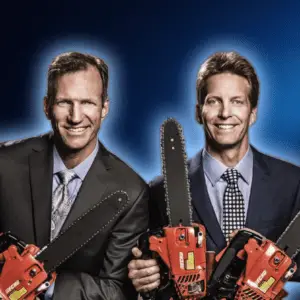
Owen Morse and Jon Wee (The Passing Zone)
Two Hall of Fame performers and Guinness record holders, the Passing Zone wrap death-defying comedy juggling around real lessons on teamwork, trust and risk. Volunteers come on stage, so the audience becomes part of the act instead of the crowd watching it. The laughs never stop, yet the teamwork message has real substance. For a high-energy session that bonds a room, they are a proven crowd-pleaser.

Steve Spangler
An Emmy-winning science educator, Steve makes audiences gasp with live demos: geysers, explosions, the works. Then he ties the wonder to learning that sticks. The spectacle is real, and so is the point about curiosity, engagement and how people actually remember. He turns a stage into a moment of collective amazement. For events that want “wow” with a genuine lesson underneath, Steve is the showman and the teacher in one person.
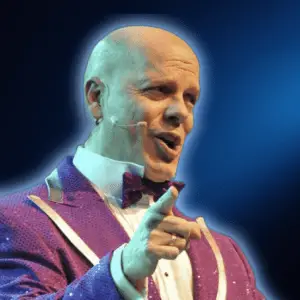
Brian Walter
Brian is the master of the un-boring meeting. Game shows, live video bits and “Extreme” panel formats turn passive sessions into something the audience plays along with. He is especially brilliant at making internal content (awards, updates, panels) genuinely entertaining. The interaction is not a gimmick. It is how the message gets remembered. For meeting planners tired of the same old agenda, Brian reinvents the format.