She takes the time to learn about you, your audience, your conference. I’d put her right at the very top of the list.
Chip Davis Jr.President & CEO, HDA
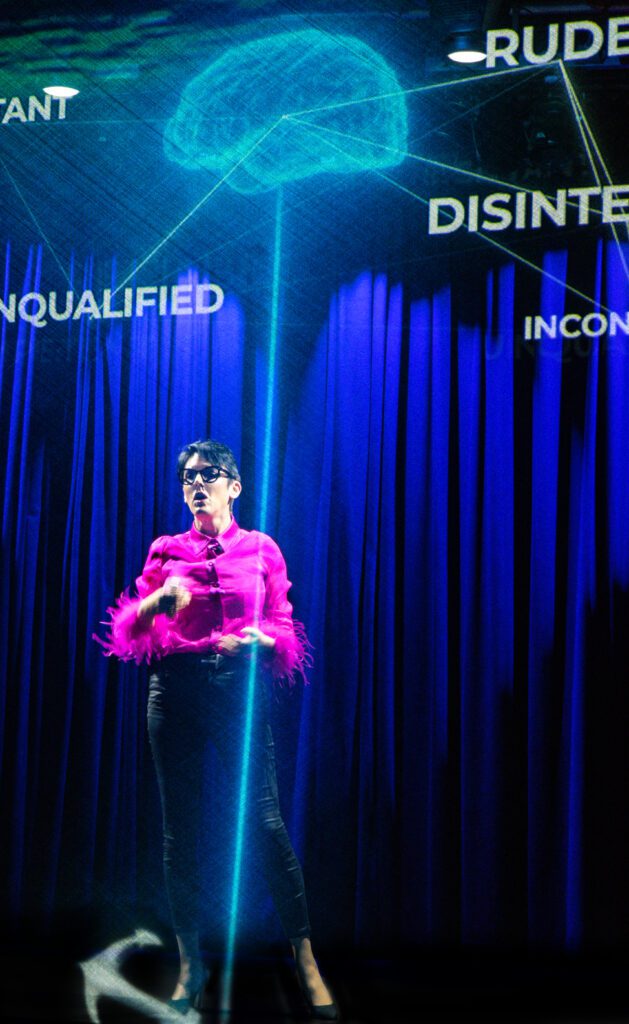
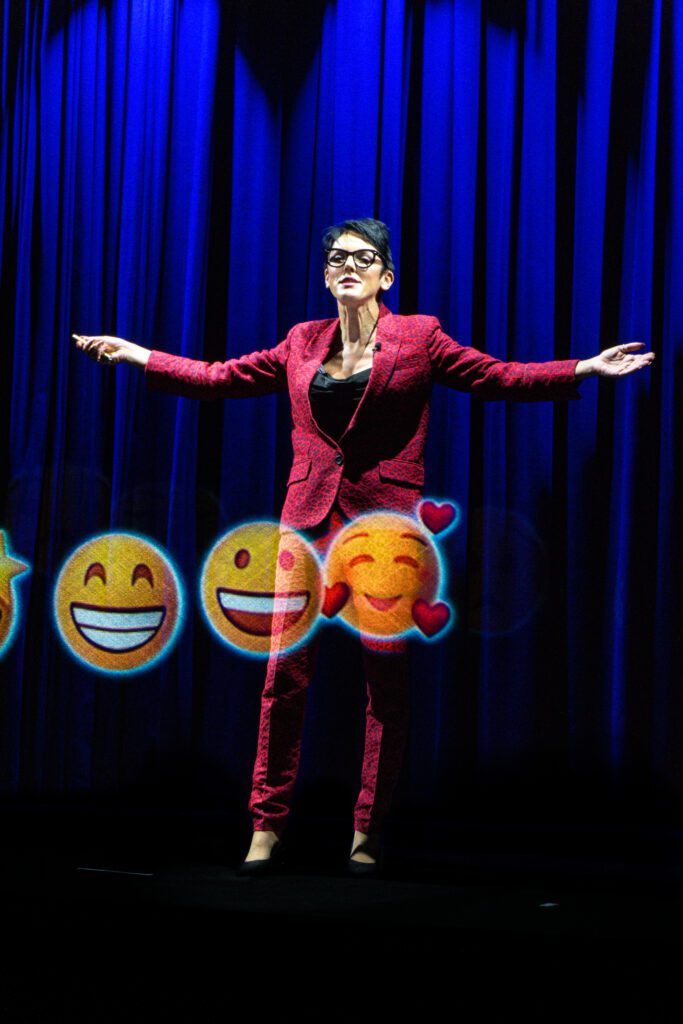
Sylvie came up with a unique idea on involving us in her actual presentation. It actually blew everybody’s minds and they couldn’t figure out if I was actually on stage or I was an avatar.
Jeannette WalkerChief Executive Officer, MHEDA
People will remember this throughout their lifetime.
Katrina MitchellChief Matchmaker, Franchise Speakers
Instead of using slides, we went with Sylvie’s 3D holographic technology. I’ve already received several awesome compliments.
Sam UngloChief Financial Officer, Boys & Girls Clubs of America
You’d think it’s really hard, but from the production side it wasn’t.
Dustin LemlerProject Manager, American AV
She worked with me putting personal touches on my presentation to fit into her technology, which is something I haven’t done with any other keynote before.
Danica SchrothConference Director, Informa Connect
It’s the most amazing experience that I’ve ever seen at a conference.
Yamilca RodriguezWomen Presidents Organization
All I could think the whole time was how many other people should be working with Sylvie for their event because what she does is so customized.
Anne NevelVice President of Education, HDA
The absolute attention to detail, the going above and beyond, really making sure that we are fully customized, and really engaging with our content and our audience. I just can’t say enough good things.
Bridget SullivanLead Manager Planning Operations, Informa Connect
I’m hearing in the hallways how they were just as impressed with her research into their company as they are with a 3D holograph, and that says a lot.
Candice YorkEvent Director & Producer, National Speakers Association
A favorite piece on our end as well is the ability to customize the end with a speaker on our end and custom imagery and messaging.
Jennifer M. SchottVice President, AccessLex Institute
I personally got a chance to be behind the scenes a little bit and be part of the presentation, and if you ever get a chance to do that, do that.
Perry FriChief Industry Relations Officer, HDA