The trends in events that matter are emotional, not technical
The trends in events that truly matter are rooted in emotion, not gadgets. Audiences want connection more than content, customization is now the baseline, immersive technology only works when it serves the message, and the best events are shaped backstage by people who make each other’s lives easier.
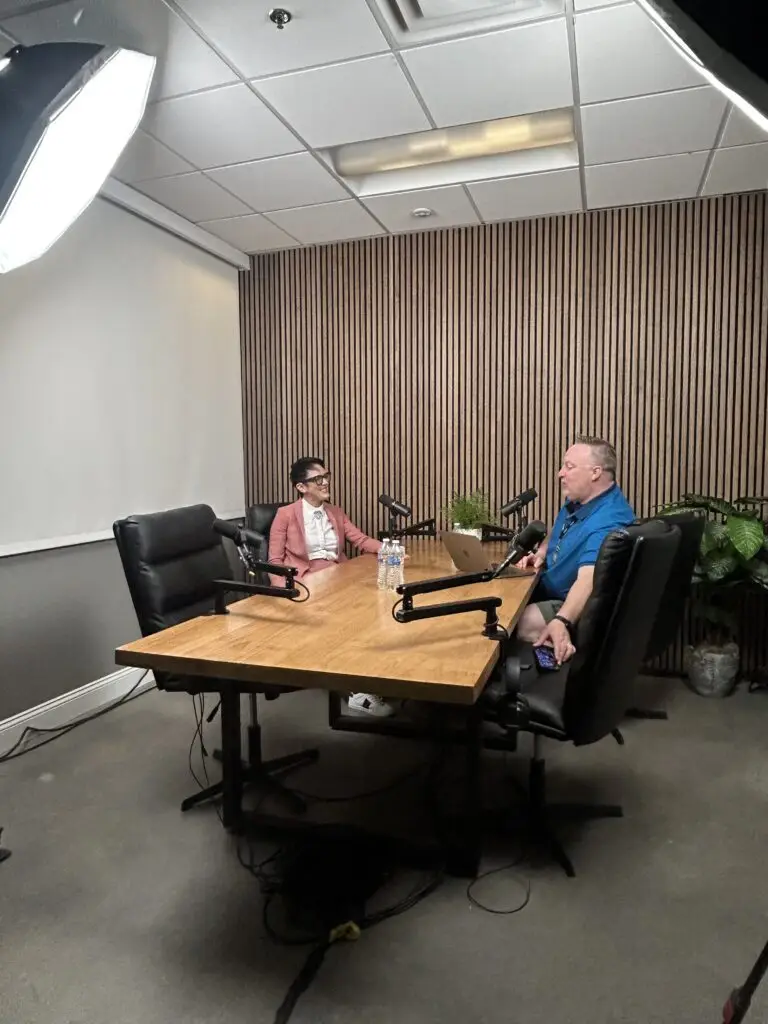
The most meaningful shifts rarely show up on a forecast. They show up in audiences who feel something different, something deeper, something real. That is what Troy Peters, Chief Experience Officer at SEAS Productions, and I talked about in a conversation that was not really about keynotes or technology. It was about what it takes to move people.
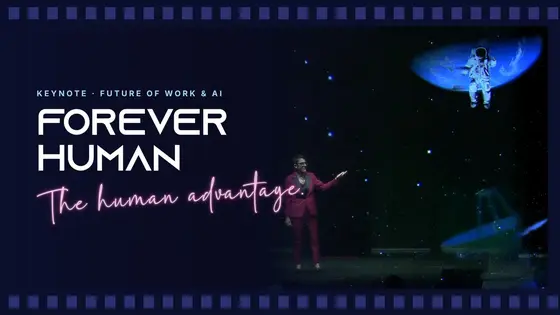
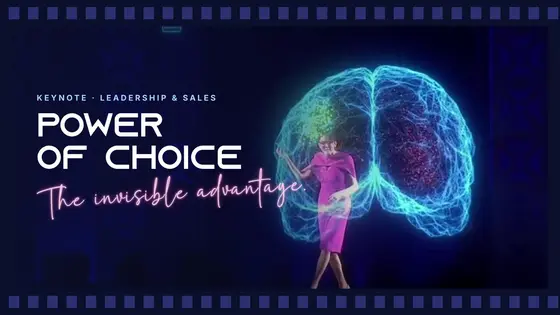
As a speaker who blends emotional intelligence with immersive storytelling (and yes, a few holograms), I see trends differently. Not as flashy tactics, but as shifting expectations: what audiences need, what planners value and how those of us on stage are being asked to show up.
KEY TAKEAWAYS
- The biggest shifts in our industry are rooted in emotion, not technology.
- Audiences do not want more content. They want more connection.
- Immersive experiences like holograms only work when they serve the message.
- Customization is no longer a differentiator. It is the new baseline.
- Great events are defined by collaboration between speakers, clients and production teams.
- The most enduring trend of all: be a good human.
Some partnerships are built on contracts. Others are built over years of shared ambition, creative risks and deep respect for what it takes to move an audience. My relationship with Troy is the second kind. He and his remarkable team were the very first to bring my 3D immersive keynote to life, in 2023 at the National Speakers Association‘s annual conference. Since then, we have collaborated on client events that broke molds and raised the bar. Troy produces events, and he also helps shape them, and I am grateful for every one we build together.
Why are the real trends in events emotional, not technological?
Let’s start with the misconception: that the future of events is all AI, VR, holograms and the latest gadgetry. Those things are exciting. I love them too. But if you think the magic is in the tech, you have missed the point.
Audiences do not remember the tech. They remember what they felt.
That is why emotional intelligence matters more than ever. The hardest job at an event is not the production, and it is not the keynote. It is being in the audience. Sitting still. Being open. Being asked to care. As a speaker, I see it as my responsibility to respect that attention, not with polished slides or the fanciest holograms swirling around me, but with a moment that makes people pause, reflect or change. Impact is not measured by applause. It is measured by what people remember, and what they do afterward.
Is immersive storytelling about the technology?
Immersive storytelling is one of the biggest shifts in events, for good reason. But this is where some get it wrong: when the technology becomes the headline, the message gets lost.
I never wanted to be known for the holograms. I wanted to be known for what the holograms make you feel. The moment tech overshadows the story, it distracts instead of deepens. So I treat every immersive element like punctuation, not the sentence itself. It supports. It emphasizes. It does not compete.
I build every visual sequence to trigger an emotional shift, not for shock value. Not to impress, but to imprint. And “immersive” does not automatically mean digital. It can also mean deeply human: the story that pulls people in, the vulnerability, the shared moment. When that is amplified by exactly the right visual or sound cue, it becomes unforgettable. People see it, remember it and apply it.
Why is customization now the minimum?
One of the most meaningful developments in our industry is the end of the copy-paste keynote and the rise of real, intentional customization.
Clients want to feel seen. Audiences want to believe every word and every moment was designed for them, because it was. Whether I am in front of tech innovators, healthcare leaders, retail disruptors or financial services executives, I start in the same place: listening and learning. I study websites, press releases, brand tone, internal language, challenges and triumphs. Only then do I start to build.
That does not mean swapping one anecdote or pasting a logo onto a slide. Customization is a full-body commitment. It means walking into the room knowing this is not another keynote. It is the keynote, for this audience, on this day, at this moment. In a world flooded with generic content and recycled stories, that relevance earns trust, and trust is gold. It tells the audience: you matter, and I see you.
Where are the real trends set?
Backstage. In the conversations between event planners, production teams and speakers, long before the audience takes its seats.
That is where the tone of the entire experience gets set. When a professional speaker walks in and asks, “What can I take off your plate?” instead of rattling off last-minute demands. When they show up prepared, kind and collaborative, with deep respect for the work others did before they ever stepped on stage.
I have been on both sides, as the client and as the speaker. The real difference-makers are low-drama and high-impact. They treat everyone with respect and relieve pressure instead of adding it. When even one person in that chain does not collaborate, the ripple is felt across the entire event.
So backstage matters as much as the main stage. AV checks and timing cues count. So do trust, creative partnership and a shared commitment to the outcome. The future of events is shaped by the tone in the green room, the calm during the tech run-through and the kindness in a hallway handshake. I hope that trend never goes out of style.
Why are events becoming shared experiences?
As technology gets smarter and budgets get tighter, the shift is clear: from delivering information to creating emotional engagement. AI can give you the facts. It cannot give you the feeling.
AI can transfer knowledge. Only humans can transfer meaning. And meaning lands best when content is felt, not just delivered. That is why the best events now put connection ahead of content. They use immersive storytelling to create emotional anchors, spark curiosity and empathy, and craft experiences instead of sessions. The events that stick are the ones where people say, “I didn’t just learn something. I felt something.”
As a speaker, I do not want to be remembered for the cool visuals. I want to be remembered for the insight that stuck, the mindset that shifted, the question that lingered. Not just wow, but why.
What is the one trend that never goes out of style?
With all this innovation, it is easy to forget the basics. Here is the one I live by: be a good human. That is it. Be someone the client does not need to worry about. Be the speaker who makes their life easier, not harder.
As I said in my conversation with Troy:
As a speaker, your number one responsibility is you must be at the very end of this list, the last thing to worry about. In fact, you must make sure that you don’t add to this list, or help your client and your event producer or your meeting professional to remove some things from that list.
Backstage is often where the real pressure lives. If I can show up, smile, be kind to the crew, stay out of the way and still deliver something unforgettable on stage, that is the win. Everything comes back to that one thing: be a good human. It is the trend I will always follow.
For more on the people who make it happen, read why SEAS Productions is in a league of its own. And if you want to see how emotion and technology come together in a real room, explore the 3D immersive experience.
Frequently asked questions
What are the most important trends in events right now?
Emotional connection over content volume, deep customization as the baseline, immersive technology used in service of the message, and true collaboration between speakers, clients and production teams. Underneath all of them sits a simple expectation: audiences want to feel that the event was designed for them and that their time meant something.
Is immersive technology worth it for events?
Yes, when it serves the story. Holograms and 3D visuals can create emotional anchors that help people remember and act on a message. When the technology becomes the headline instead of the support, it distracts. Ask any speaker or producer how each visual moment connects to the message before you invest.
What do event producers value most in a keynote speaker?
Preparation, flexibility and kindness. Producers remember speakers who arrive ready, respect the crew, adapt to last-minute changes and ask what they can take off the team’s plate. A speaker who adds to the worry list, however talented, makes the whole event harder.