Why do business awards matter? Recognition is a powerful signal
If you are building something great, you are probably not doing it for applause. That does not mean recognition does not matter. It matters a lot, especially in a noisy, distracted world.
Awards are external validation in a sea of self-promotion. They provide social proof no tagline, testimonial or cleverly worded LinkedIn bio ever could. They say: this has been vetted, judged and acknowledged by others. The narrative shifts from “I am good at what I do” to “the industry thinks I am among the best.”
For professionals and entrepreneurs, that does more than flatter the ego. It opens doors. Award winners are more likely to be seen as thought leaders, invited to speak at conferences, quoted in the media and considered for bigger roles or contracts. Not because they became better overnight, but because perception shifted.
So no, awards are not the goal. But they are an undeniably powerful signal, and the people who understand that tend to win in every room they enter. Are you signaling what you are truly worth?
Credibility is not claimed. It is confirmed.
How do award nominations work, and who puts you on the radar?
Before you chase an award, understand how it works. Awards are layered with nuance, politics and purpose. Some spotlight rising talent, others honor long-standing contribution. Some reward innovation, others consistency.
And how you are nominated can say as much as the award itself. Who puts your name forward reflects your influence, your network and the story you have built around your work. Your title and your numbers matter less than who is watching, who is impressed and who is willing to raise their hand for you. Here are the most common nomination paths, and what they imply:
A. Self-nominated
Yes, you can nominate yourself, and sometimes you absolutely should. Especially for awards designed to uncover under-the-radar talent, a self-nomination lets you advocate for your own story. Submit thoughtfully and truthfully. Over-promotion without substance shows.
B. Peer-nominated
These carry a different weight. When a peer, client or industry leader puts your name forward, it speaks volumes about your influence and relationships. They often come without warning, which is the magic of them. But they never happen by accident. They are the result of consistent credibility and connection.
C. Client-nominated
In service industries, client-nominated awards are gold. They reflect not only your skill but the experience of working with you. If your clients sing your praises to a panel of judges, you did the job, and you did it memorably.
D. Anonymous or panel-selected
Some awards involve no application at all. A jury or board selects winners based on impact, visibility or past achievements. These are the unicorns: hard to predict, impossible to lobby for and often the most prestigious. If one comes your way, say yes and shine.
Each path reveals a different kind of credibility. Know which ones to pursue, and which ones are worth waiting for. What does your current recognition say about how you show up in your field? Often, you do not have to campaign when your work already whispers to the right people.
Should you pay for a business award?

The uncomfortable question: if I have to pay for it, is it even legit?
Fair question. As awards have multiplied, so have the business models behind them. Some are run by reputable organizations genuinely trying to spotlight excellence. Others are clever business models dressed up as honors. The skill is reading the fine print, about money and about intent. Short answer: sometimes yes, sometimes absolutely not.
A. Pay to enter
Many respected awards charge an entry fee, because reviewing large numbers of submissions takes time, and a modest fee keeps applications serious. It is not automatically a red flag, but it is a reason to investigate. Who is judging? Is the award backed by a credible organization or media outlet? Is there real exposure, or just a press release?
B. Pay for the trophy
This is where it gets tricky. If you have “won” and now need to pay hundreds or thousands for a certificate or an acrylic statue, pause. Credible awards announce winners publicly whether or not they buy promotional packages. If the award disappears without payment, it was probably never real.
C. Awards dressed up as recognition
Some awards exist only to sell visibility packages. They contact you out of nowhere, praise your “amazing accomplishments” and invite you to claim your spot, for a price. If you have never heard of the organization and it feels too easy, it probably is.
Rule of thumb: paying for a submission is not a scam. Paying to be recognized is a red flag. Recognition should be earned, not bought. But credibility often has a cost in time, effort and, yes, sometimes a well-placed application fee. Payment is not the only problem. Perception is. For a related trap, read paying for media coverage: real or scam?
What do business awards actually measure?

Some awards honor innovation, others legacy. Some recognize individual achievement, others team impact. Some focus tightly on one industry, others cast a wide net across entrepreneurship, leadership or social responsibility. And some seem designed more for media buzz than meaningful celebration.
Awards are mirrors held up by institutions, industries and occasionally algorithms. They show what a sector believes is worth celebrating. That is why it matters what an award measures: it tells you how success is defined in that world, and whether that definition matches your values and ambitions.
The metrics behind the scenes matter too. Some awards focus on financial milestones, others on community impact, innovation or DEI efforts. The selection criteria, often buried in the fine print, reveal whether an award is merit-based or shaped by popularity, politics or PR. Look at the subtle cues as well: who won before, which industries dominate, whether newcomers are welcome or the same names keep coming back.
There is no good or bad here, only alignment, so the effort you invest goes toward recognition that moves your brand, your mission and your credibility forward. Look beyond the trophy. Who runs the award, and why? Who judges it, and what do they value: creativity, consistency, profitability, impact or visibility? A startup disrupting its field will not win the same awards as a legacy executive focused on stability, and that is not a failure. It is a signal.
Consider timing, too. Some awards mark milestones and a long body of work. Others celebrate moments: bold moves, breakthrough projects, firsts. Know which story you are telling, the long arc or the sharp turn, and focus on awards that reflect where you are now.
And finally, ask yourself: would I still want this award if no one ever saw it on LinkedIn? If the answer is yes, you are probably on the right track. Some awards measure noise. Others measure nuance. Know which one you are chasing.
100+ business awards to explore
Every award tells a story, but not every story is told the same way. Before you bookmark application links or draft nomination essays, understand what kind of spotlight you are stepping into. Awards differ in prestige, and even more in purpose. Think of the categories below as lenses that help you see where your own work fits best.
The list is meant as inspiration, not a complete directory. There are countless awards across industries and regions, and these are examples to spark ideas. Look for more that match your achievements, your industry and your values.
Read before you proceed:
- No endorsement or affiliation. Including an award here does not mean I endorse it, am affiliated with it or have verified its legitimacy, quality or impact. Judging credibility and relevance is up to you.
- Do your due diligence. Some awards involve entry fees, voting schemes or commercial incentives. Research independently, read reviews and ask peers before you apply.
- Links change. Nomination pages are updated every year. If a link is broken, visit the organizer’s main website and search for the current nomination process.
- No guaranteed outcome. A nomination does not guarantee selection. Each award has its own criteria, process and judges.
- Eligibility varies. Some awards are limited by geography, industry, demographics or organization size. Read the eligibility rules carefully.
A. General business awards
These awards recognize bold decision-makers, influential founders and exceptional executives who drive growth with clarity, purpose and long-term vision. They cross industry lines and honor the people at the helm who move markets and mindsets.
- American Business Awards (Stevie Awards)
- Inc. Best in Business Awards
- Best in Biz Awards
- BIG Awards for Business
- Global Business Awards
B. Industry-specific awards
Tailored to one sector, these awards celebrate specialized knowledge, technical achievement and success within a vertical. They speak the language of the industry, whether that is disruption in tech, trust in finance or transformation in health care.
- S&P Global Platts Energy Awards
- James Beard Culinary Awards
- Euromoney Awards
- Prix Galien USA (Pharma & Medical)
- Manufacturing Leadership Awards
- World Travel Awards
- Robert J. Collier Award National Aeronautic
- World Food Prize
- SIIA Neal Awards Journalism
- PRSA Awards Public Relations
- Admin Awards
- Association Forum Honors Award
C. Thought leadership and influence awards
For people who shape conversations, not just companies. These awards spotlight individuals whose ideas, content and presence lift industries and public discourse, on the page, on stage or on social media.
- Thinkers50 Distinguished Achievement Awards
- Chief Executive CEO of the Year
- Catalyst Award
- Horatio Alger Awards for Distinguished Americans
- Global C-Suite Awards
- Best Practice Institute Top Thought Leaders Awards
- Ascend A-List Awards
- Noble Awards
- LEWAS Leading with Excellence Award
D. Women, diversity and inclusion awards
More than a category, a call to action. These awards honor underrepresented leaders and meaningful progress in equity, inclusion and representation across leadership and entrepreneurship.
- Outie Awards
- Disability:IN Inclusion Awards
- WBENC Women’s Business Enterprise Stars
- Enterprising Women of the Year Awards
- WomenTech Global Awards
- Women of Inspiration Awards
- Women Transforming Business Awards
- Golden Women Awards
- Barbara Ross-Lee, DEI Award
- Academy of Management DEI Awards
- EmpowerHERAccess Awards
- Women Empowerment Awards
E. Emerging and rising leader awards
Focused on momentum and promise. These awards celebrate early-career professionals who are rising fast, with outsized impact and future-ready leadership.
- Forbes 30 under 30
- Fortune 40 Under 40
- Ten Outstanding Young Americans (TOYA)
- MIT Innovators under 35
- WEF Young Global Leaders
- EO Global Student Entrepreneur Awards
- The Diana Award
F. Innovation, product and startup awards
Breakthroughs, not buzzwords. These awards highlight what comes next: technologies, products and business models that challenge the norm and scale smart.
- Edison Awards
- CES Innovation Awards
- SXSW Innovation Awards
- R&D 100 Awards
- Fast Company World Changing Ideas Awards
- BIG Innovation Awards
- XPRIZE Competitions
G. Corporate culture and workplace awards
These recognize the magic behind the scenes: cultures that keep talent, inspire engagement and make people actually want to come to work. Here, culture is the product.
- Fortune 100 Best Companies to Work For
- Inc Best Workplaces
- Forbes Best Employers
- Glassdoor Employee’s Choice Awards
- Gallup Exceptional Workplace Awards
- Top Workplaces USA
- Newsweek’s Most Loved Workplaces
H. Client impact and customer success awards
Proof over promise. These awards celebrate professionals and companies that deliver measurable results for clients: ROI, loyalty and transformation through service.
- CX Awards
- CustomerXImpact Awards
- Stevie Awards for Sales and Customer Service
- International Customer Experience Awards
- TSIA STAR Awards
- Customer Contact Week Excellence Awards
- Asia-Pacific Customer Service Consortium Awards
- CMSWire Impact Awards
- CXPA Impact Awards
- COPC CX Performance Excellence Awards
- Global CX 100 Awards
I. Sustainability, social impact and philanthropy awards
Doing well and doing good are not mutually exclusive. These awards honor businesses and leaders who leave the world better than they found it, through sustainability, community investment or social responsibility.
- Global Good Awards
- Skoll Award for Social Entrepreneurship
- ENERGY STAR Awards
- Climate Leadership Awards
- Social Impact Abie Award
- The Courage Project
- Shorty Impact Awards
J. Peer-nominated and association-based awards
Honors from the people who know your work best. These come from industry peers, associations and trade groups, and celebrate legacy, leadership and the kind of impact that builds industries from within. (Full disclosure: I was inducted into the NSA CPAE Speaker Hall of Fame in 2025, so I may be a little biased about this category.)
- AMA Marketing Hall of Fame
- NSA CPAE Speaker Hall of Fame
- NACD Directorship Awards
- PMI Project of the Year Award
- IEEE Medal of Honor
- AAAS Fellows
- SPE Awards
- ILTA Distinguished Peer Awards
K. Creative and branding awards
Where art meets effectiveness. These awards honor campaigns, design, storytelling and brand work that looks good and lands with audiences.
L. Tech and digital excellence awards
For the teams turning disruption into direction. These awards celebrate tech-driven breakthroughs, digital excellence and IT innovation, from AI deployments to outstanding user experiences.
- CIO 100 Awards
- Global Digital Excellence Awards
- Digital Excellence Awards
- Digital Prosperity Awards
- Turing Award
- Fast Company Most Innovative Companies
- Cloud Awards
- World Summit Awards
- Millennium Technology Prize
- ASTech Awards
Do not chase what glitters. Chase what grows your credibility.
Your reputation is compounding. In which direction?

We often think of visibility as vanity: flashy, external, ego-driven. In reality, visibility is how you lead when you are not in the room. It is how you scale trust and broadcast your values.
Awards, recognition and visibility are declarations, not decorations: of what you stand for, of what matters in your industry, of who gets to be seen. So after reading this, do not ask “How can I win?” Ask “What would it mean if someone like me were recognized here?” And even more importantly: “Who else might believe in their worth if I showed them mine?”
Your visibility reaches beyond you. It is a ripple effect.
For the bigger picture, read the myths and truths of branding, image and reputation, why PR is no longer optional for business leaders, or work with me one on one through executive coaching.
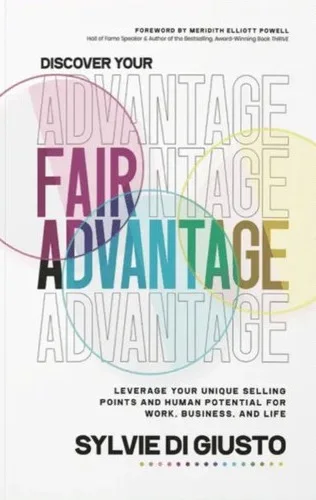
Discover Your Fair Advantage
Many professionals who deserve an award never apply, because self-promotion feels like bragging. Discover Your Fair Advantage helps you find what genuinely sets you apart and talk about it with confidence, in an award application, a promotion talk or a sales conversation.