Should you quit social media, or just stop oversharing?
Should you quit social media? Usually not. As a professional, you rarely need to log off for good. You need to stop handing your feeds your private life. Clients and decision-makers judge what you post, even if they never meet you. Keep your private life private and you look more trustworthy, avoid drama and stay in control of your reputation.
Social media lets us share our lives with others, and we all use it differently. Some people rarely post or never joined. Others share the occasional photo of an outing or a vacation. And then there are those who post constantly, including intimate details of their private lives their friends would rather not know.
Somewhere along the way, many of us ask: should I just delete my accounts altogether? This post is not telling you to. Social media connects you with family and friends, and as a professional it lets you highlight career milestones, share your insights and comment on those of your clients.
But you must be careful what you post. Your posts can show you in an unfavorable light and turn clients off. You are, in a way, inviting people to judge you, even people you will never meet in person.
KEY TAKEAWAYS
- You rarely need to delete your accounts. You need to decide what stays private.
- Discretion online makes clients trust you with their information.
- The more you share, the more you have to explain, and the more people scrutinize you.
- Political, religious, negative and self-incriminating posts can cost you clients, however talented you are.
- A little mystery makes people curious about what you can offer professionally.
- A private life makes it easier to say no without having to justify it.
Why keep your private life off social media?
Business has an old saying: the customer is always right. If a customer dislikes what they see on your profile, they may choose not to work with you or your company. That hits your bottom line, and your success.
So before you post the next Facebook rant, consider these ten reasons to think twice.
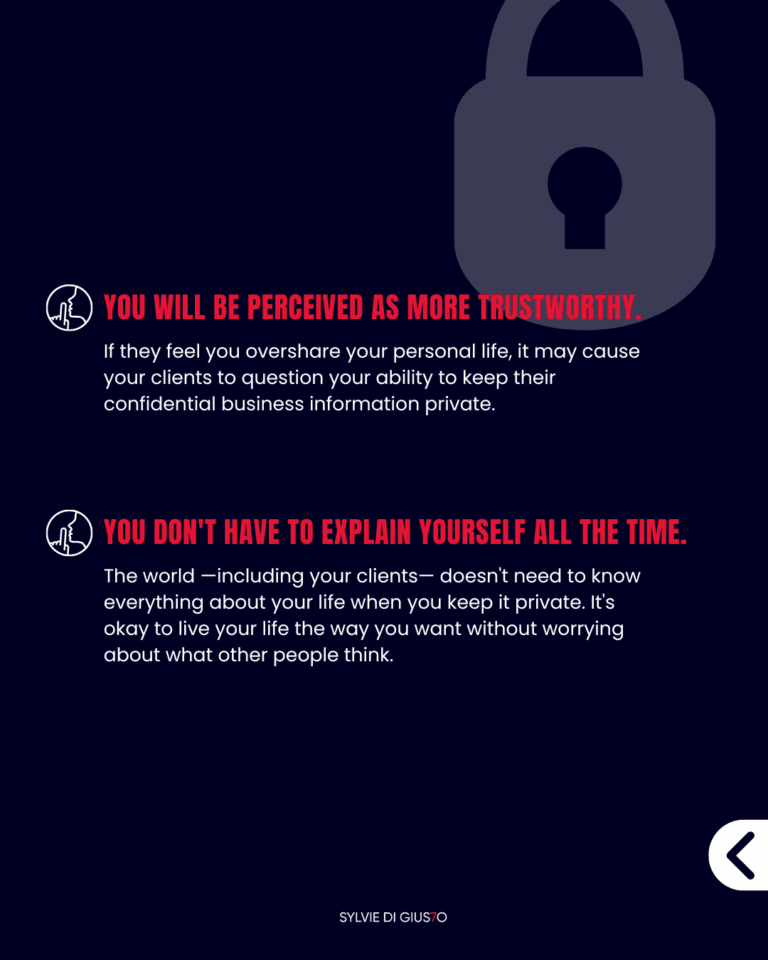
011. You will be perceived as more trustworthy
If you constantly share gossip and personal information, clients may wonder how trustworthy you are with their information. A private person seems more likely to keep data private. Your discretion reassures them and makes them more confident about working with you.
022. You do not have to explain yourself
The more you share, the more you have to explain. Take Sanna Marin, then Prime Minister of Finland. I am not judging her behavior, and much of the footage of her nights out was leaked rather than posted by her. But she was not a private person, and she often had to defend and explain herself. Out of the spotlight, there would have been nothing to explain.
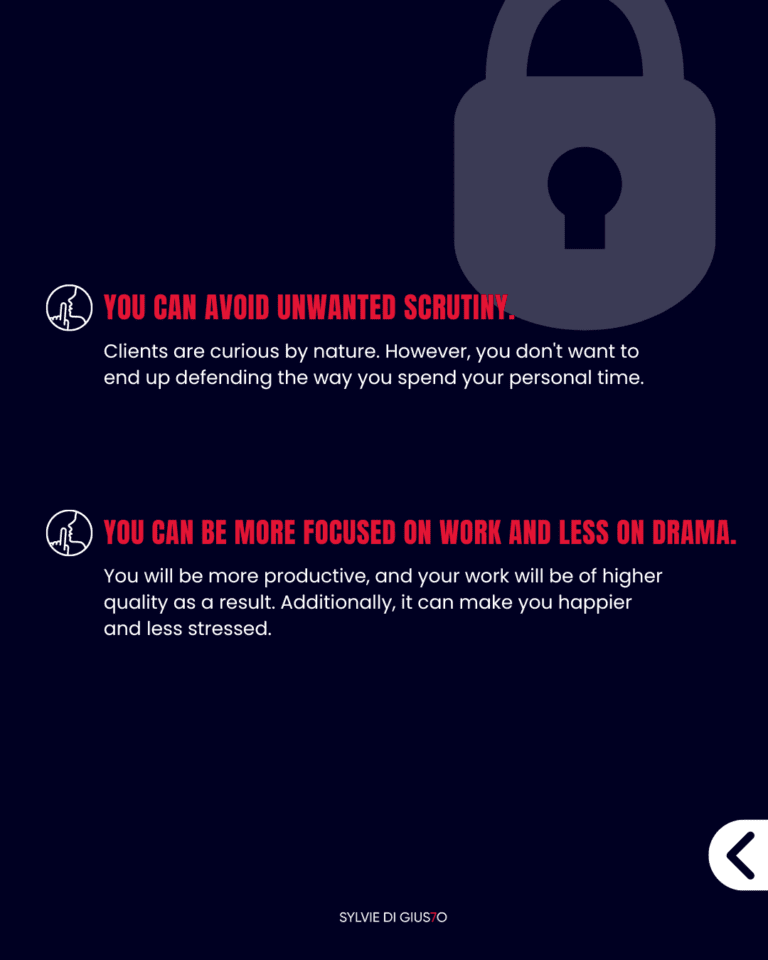
033. You avoid unwanted scrutiny
The more you put yourself out there, the more people scrutinize you: how you act, how you look, even how you write. And the opinions they form may not be flattering. Keeping more to yourself keeps the magnifying glass away.
044. You can focus on work instead of drama
When you post personal things, you never know what backlash is coming. In today’s political and social climate, it may not be the reaction you hoped for. People say nasty things, and it escalates quickly.
The last thing a professional needs is the stress of an online battle. It upsets you, and it pulls you away from being productive. Keep to yourself and stay focused on what matters.
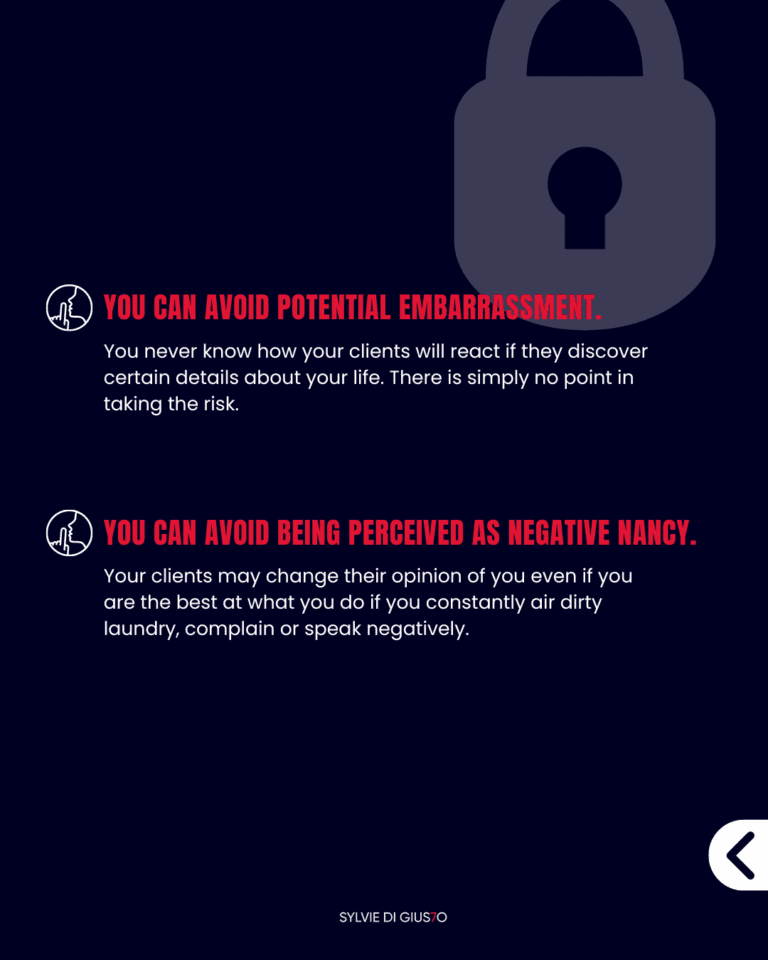
055. You avoid potential embarrassment
Post often enough and something embarrassing will slip through eventually. Or you post something you are perfectly fine with and someone reads it in a way that embarrasses you. Sticking to posts you know are safe avoids both.
066. You avoid being perceived as negative
Your content can paint you in a negative light, especially if you post rants or air your dirty laundry. That is a turn-off for clients, no matter how talented you are at your actual job.
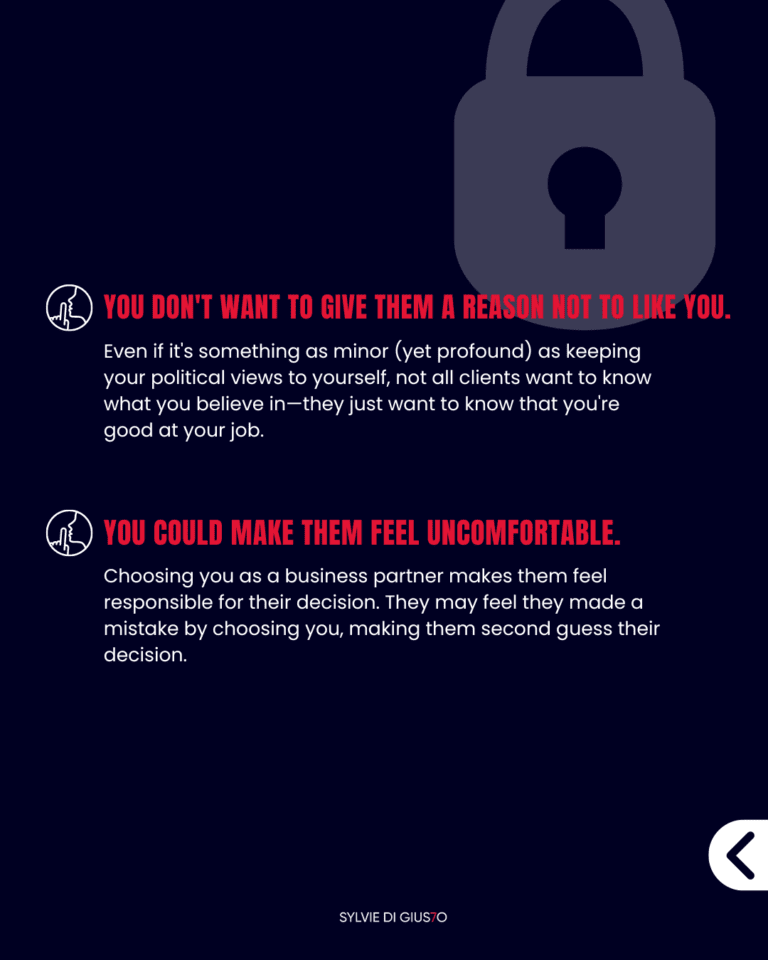
077. You do not give people a reason to dislike you
Any opinion you share on social media can be held against you, especially on social and political issues. You are usually better off keeping those opinions to yourself.
088. You do not make others uncomfortable
Even if you find nothing embarrassing about a post, others might. A photo of yourself out drinking may seem harmless to you. A client may look at it and feel uneasy about having chosen you as a partner.
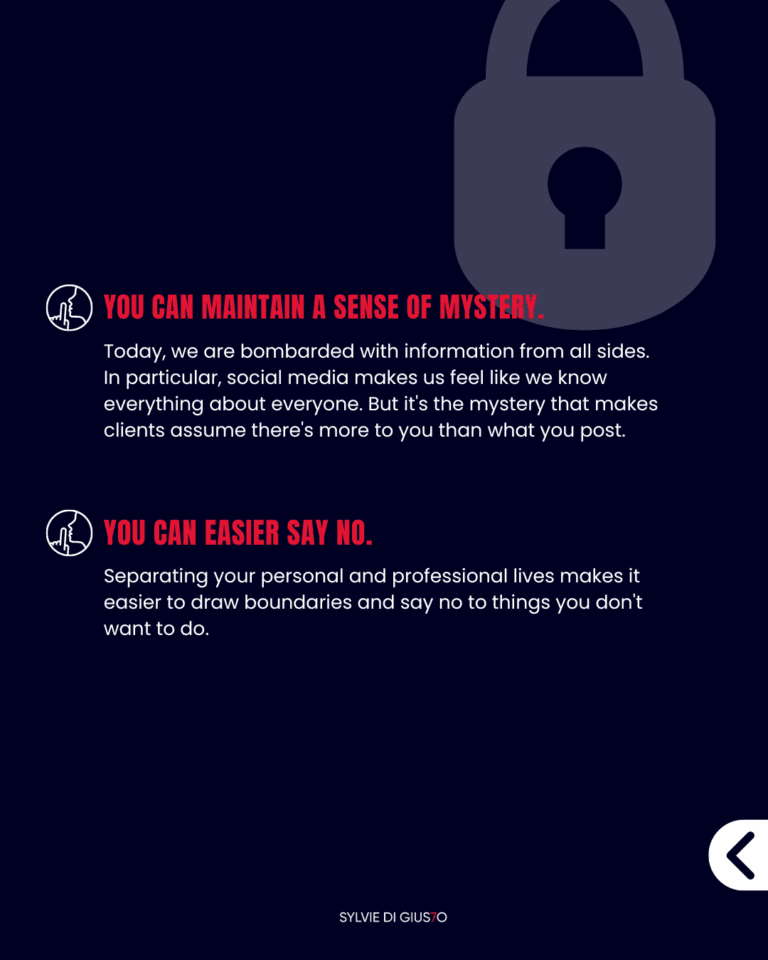
099. You keep a sense of mystery
Privacy has its perks. People assume there is more to you than what you post, and that curiosity makes them want to find out what you can offer them professionally.
People assume there is more to you than what you post. Let them.
1010. It is easier to say no
When people know everything about your private life, they wonder why you turn down a request. If everyone knows what you do and where you go, they think they know your availability, and a no feels like they are not a priority. They may also push for an explanation, since you usually share so freely.
Keep your private life private and you can simply say, “Sorry, I won’t be available,” and people are far less likely to question it.
What can I post if I don’t quit social media?
Staying connected and sharing with friends is fun, and as a professional you can absolutely post pictures of good times with family and friends. Here is what to avoid:
- Political and religious content. You are asking for an argument.
- Negative or derogatory content. Post negativity and you will be seen in a negative light.
- Irrelevant viral posts. They dilute your credibility, especially if everyone has already seen them.
- Spelling and grammar errors. Proofread before you hit publish.
- Self-incriminating material. Pictures or videos of drug use, firearms or selfies taken while driving on the highway do not belong online.
- Expensive new purchases. They can make others feel like failures, and they make you a target for theft.
- Personal advice. Giving it can backfire if you do not know all the facts. Asking for it can make you look unsure of yourself.
- Scammy contests and giveaways. If a friend falls for a scam you shared, your professional reputation takes the hit.
- Privileged inside information. It gets you in trouble with your company and colleagues, and clients conclude you cannot be trusted.
Social media can be fun. Just think before you post, so you do not damage your professional reputation. More on that in what not to post on social media and the digital footprint you curate and the one you overlook. For the bigger picture, read the myths and truths of branding, image and reputation.
And you? What are your rules for what you will and will not post?
Should I quit social media in a nutshell
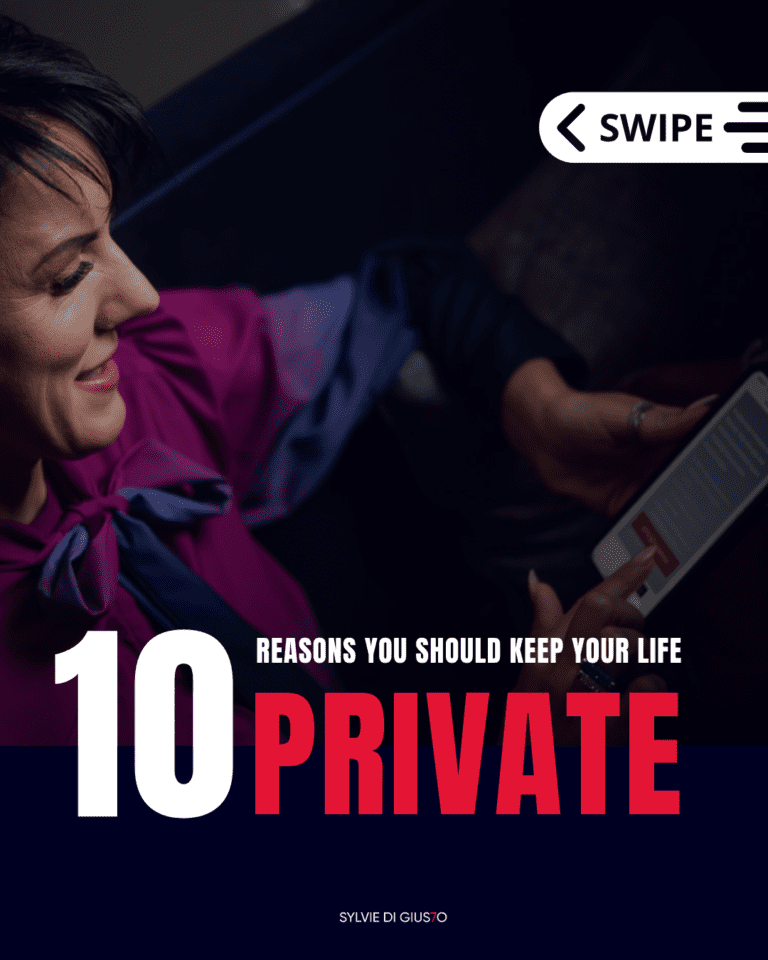
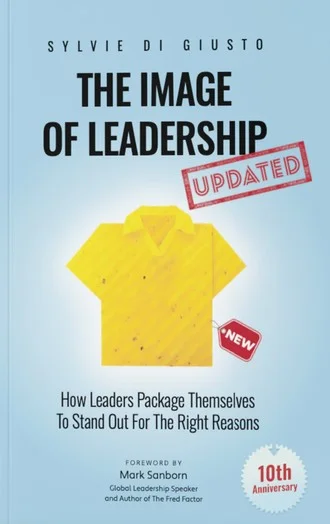
The Image of Leadership
Your digital footprint is one of the five signals I write about in The Image of Leadership. It often speaks for you before you ever enter the room, and the book shows how to make sure it says what you would say yourself.
Frequently asked questions
Should I quit social media for my career?
Usually there is no need. Social media helps you stay connected, share milestones and show your expertise. What hurts careers is oversharing: rants, political posts, embarrassing photos and private details. Keep your private life private, post with intention, and social media works for your reputation instead of against it.
Can social media posts hurt your professional reputation?
Yes. Clients, employers and partners often look you up before they meet you. Negative rants, controversial opinions, poor spelling, photos of drinking or reckless behavior and shared inside information can make them question your judgment and trustworthiness, regardless of how good you are at your job.
What should professionals avoid posting on social media?
Avoid political and religious content, negative or derogatory posts, irrelevant viral content, spelling mistakes, anything self-incriminating, showy expensive purchases, personal advice, scammy contests and giveaways, and any privileged inside information from your company or clients. When in doubt, ask yourself whether you would be comfortable with your most important client reading it.
Is it better to keep your private life private online?
For most professionals, yes. Discretion signals trustworthiness, protects you from scrutiny and online drama, keeps a sense of mystery and makes it easier to say no without explaining yourself. You can still share happy moments with friends and family without exposing every detail.