The conference speaker mistakes you can see coming
The biggest mistakes conference speakers make are predictable: content that ignores the audience, delivery that loses the room, no real preparation, a message that clashes with your values, outdated techniques, a blown time slot and, as a result, feedback that follows your event for years. Almost all of them can be spotted before you sign.
Choosing your keynote speakers is one of the biggest decisions you make for a conference. One person, one hour, one stage, and the whole room either leans in or quietly checks email.
I know both sides of that decision. For nearly twenty years I sat on your side of the table and booked the speakers. Today I am the one being booked. So here are the mistakes I have watched derail events, and how to see them coming.
KEY TAKEAWAYS
- Generic, off-the-shelf content is the fastest way to lose an audience that paid to be there.
- Engagement is not charisma. It is a speaker who interacts, reads the room and adjusts in real time.
- Preparation shows: a pre-event call, real questions about your audience and a smooth tech check.
- Research a speaker’s public statements and past engagements so their values match your event.
- A speaker who overruns the clock disrespects your attendees and every session after theirs.
- Poor choices echo: negative feedback hurts future attendance, sponsors and the speakers you can attract.
011. Irrelevant content: when the speaker never met your audience
Your attendees invest time and money to be in that room. They expect ideas that fit their industry, their role and their problems. When a speaker delivers the same talk they gave last week to a completely different crowd, frustration sets in fast.
Irrelevance comes in several flavors. The standard “one size fits all” keynote. Topics that feel outdated, too broad or far from what your people deal with on Monday. A keynote on general leadership principles, for example, will struggle in front of a tech audience that came for practical strategies tied to innovation.
The fix: book speakers with a track record of customizing. Ask them to show you how they tailored past presentations, then give them everything you know about your audience. Good speakers will ask for it before you offer.
The fastest way to lose an audience is content that feels pulled from last year’s playbook.
022. Poor engagement: losing the room halfway through
Charisma helps. Engagement comes from an experience in which the audience participates from the first minute to the last. A speaker who only lectures, never connects emotionally or simply lacks enthusiasm will watch attendees drift.
The signs are easy to read. Phones come out. Neighbors start whispering. Someone near the back decides the coffee station needs inspecting.
Real engagement happens when a speaker interacts with the room: thought-provoking questions, a little humor to break the ice, examples that feel familiar. The best ones read the audience and adjust their tone and pace on the spot. Attention is the currency of every event, and the right speaker knows how to earn it.
033. Lack of preparation: the danger of the generic speech
Preparation is the hallmark of a professional. A speaker who shows up with a cookie-cutter presentation, or who struggles with the event’s logistics, creates tension for you and your attendees.
Unprepared speakers stumble over the technical setup, miss their time constraints or deliver a disorganized talk that leaves people confused. And beyond the logistics, a lack of preparation almost always means a speech that ignores the goals of your conference and the nuances of your audience.
Prioritize speakers who commit to the homework. Schedule a pre-event call to align on goals. Make sure they understand your theme. Share your audience demographics and expectations in detail. Prepared speakers are polished, and far more useful. And yes, a lack of effort always shows. Your audience will notice before you do.
044. Conflicting values: when the message misses the mark
Speakers do not stand on your stage in a vacuum. They represent your event and, by extension, your organization. If their message or their values contradict your mission, the disconnect is hard to repair.
Picture a sustainability conference with a keynote speaker who has never shown any commitment to environmental practices. Or a conference centered on equity, headlined by someone whose public statements contradict diversity and inclusion. Attendees notice, feel let down and question the credibility of the entire event.
Avoiding this takes research. Look into the speaker’s background, past engagements and public presence. Make sure their message supports your goals, and have a candid conversation about expectations before you sign anything.
055. Outdated presentation techniques
Audiences expect more than a speaker reading from a script or clicking through bullet points. Text-heavy slides and a monotone delivery lose a tech-savvy audience within minutes.
Outdated presentations also waste the tools that make storytelling stronger. Static visuals where polls, video or interaction would work better make a speaker look behind the times, and attendees disengage when content feels stale.
Review samples of past talks and ask every candidate about their approach to audience engagement that actually lasts. Live Q&A, strong visuals, or even immersive, holographic or mixed-reality experiences can change the energy of a whole conference. A keynote stuck in the past does more than bore people. It sends your event back in time with it.
066. Poor time management: derailing the agenda
Time management affects your entire schedule. A speaker who runs over delays every session that follows, frustrates attendees and turns your run of show into a negotiation. A speaker who finishes far too early or rushes through the content leaves people feeling shortchanged.
Respecting the clock is one of the clearest differences between seasoned professionals and amateurs. Look for speakers known for punctuality and precision, give them clear time limits and talk about the schedule during planning. A speaker who respects the clock respects your audience, and you.
077. What happens when conference speakers fail? Negative feedback
The longest-lasting consequence of a poorly chosen keynote is the feedback it generates. Disappointed attendees say so in post-event surveys, on social media and over dinner with colleagues. That criticism sticks to your event and makes it harder to attract attendees, sponsors and top speakers next year.
Most negative feedback comes from unmet expectations: irrelevant content, weak delivery, no engagement. So involve your attendees early. Ask them what they want from your keynote speakers, and let their answers guide your selection.
If you want a way to measure success beyond the usual survey, MIT Sloan Management Review published a useful piece on the real measure of presentation success, with a focus on engagement and lasting impact.
How do you avoid these mistakes before you book?
Ask every candidate three things. How will you customize this for my audience? Can I see a full, uncut recording? Who can I call from an event like mine? The answers tell you more than any sizzle reel.
For the full selection process, read how to find the perfect keynote speaker for your conference and why it pays to hire speakers who understand your industry.
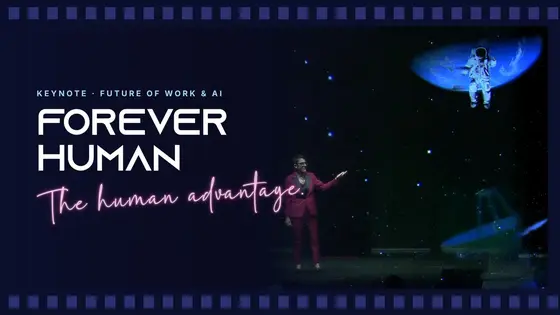
Every one of these mistakes is the reason I built the 3D immersive keynote experience the way I did: researched for one room, delivered live, on time, and impossible to watch from behind a phone.
Frequently asked questions
How can I make sure conference speakers deliver value?
Give them detailed information about your audience, your goals and your theme, and choose speakers who can show you how they customized past keynotes. Schedule a pre-event call to align on expectations. A speaker who asks you more questions than you ask them is usually a good sign.
What should I do if a keynote speaker does not align with my event’s values?
Research their background, public statements and previous engagements before you sign. If you discover a mismatch, discuss it openly and early. If the conversation does not resolve it, choose a different speaker. Your stage represents your organization, so the alignment matters more than a famous name.
How do I evaluate a speaker’s engagement skills?
Watch full, unedited recordings of past presentations, beyond the highlight reels. Look for audience interaction, humor and the ability to adapt in real time. Read testimonials from event planners, and call one or two references from events similar to yours to ask how the room actually responded.
What is the most common mistake keynote speakers make?
Delivering generic content. A speaker who gives the same talk to every audience ignores the industry, roles and challenges of the people in front of them. It is also the easiest mistake to prevent, by booking speakers who research your event and tailor every keynote.