How does AI filter our first impressions?
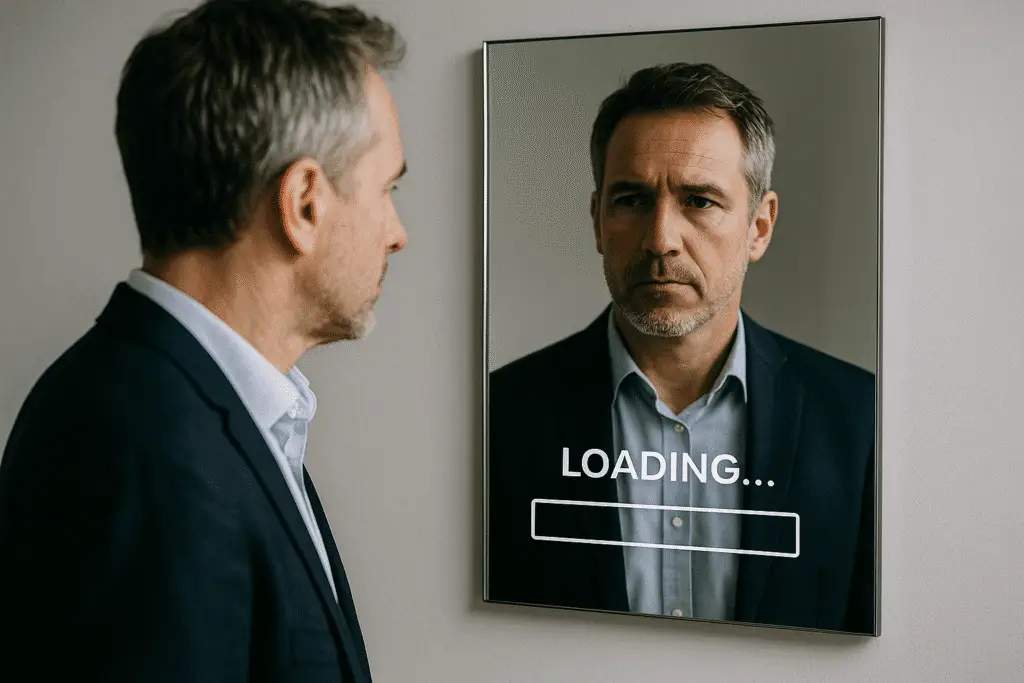
Count the first impressions you made recently that did not happen in person. A hiring manager skims your resume through an AI screener. A client reads an AI-generated meeting recap with your name on it. A colleague forms an opinion from an auto-summarized email thread.
First impressions are no longer made across a handshake. They are made across a data set.
Efficient, yes. Also a little off. Because what gets filtered, ranked or flagged is not the whole you. It is a flattened version, optimized for keywords, sentiment scores and automated priorities. If we are not careful, we start perceiving each other as profiles, not people.
What you can do:
- Personalize your interactions so they sound like you, not like your AI assistant.
- Make your intent clear yourself. Do not let a bot summarize it for you.
- Ask for face time when it matters. A conversation beats a transcript.
- Keep your digital footprint human: tone, warmth and a sense of humor go a long way.
- Assume the data did not tell the whole story. Always.
Is AI automating our assumptions?
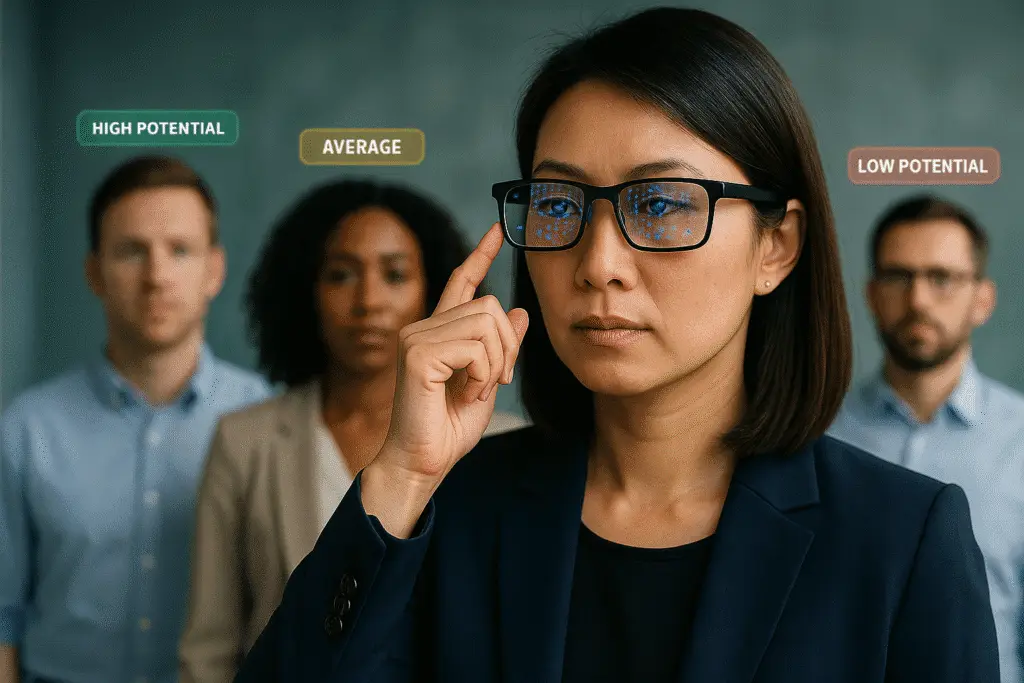
AI loves a pattern. That is exactly the problem.
When machines help us read others, they often reinforce what we already expect to see. A resume gap becomes a red flag. A short email becomes a cold personality. A missed video meeting becomes a sign of disengagement.
Perception is not a math problem. It is a muscle. The more we let automation do the lifting, the weaker that muscle gets. Without critical thinking, we confuse an algorithmic suggestion with human truth, and we assume, categorize and judge before context ever enters the room. The price is missed potential, misread talent and misplaced trust. I collected more of this in AI bias examples.
Perception is not a math problem. It is a muscle, and automation is doing the lifting.
What you can do:
- Pause before accepting an AI summary or score, and ask what context might be missing.
- Recheck assumptions made by systems through real conversations.
- Invite clarification instead of confirmation. Not everything fits a pattern.
- Look for nuance, nonverbal cues and inconsistencies that AI might overlook.
- Notice how often your perceptions are machine-influenced instead of personally observed.
Do trust scores and ratings make us more objective?
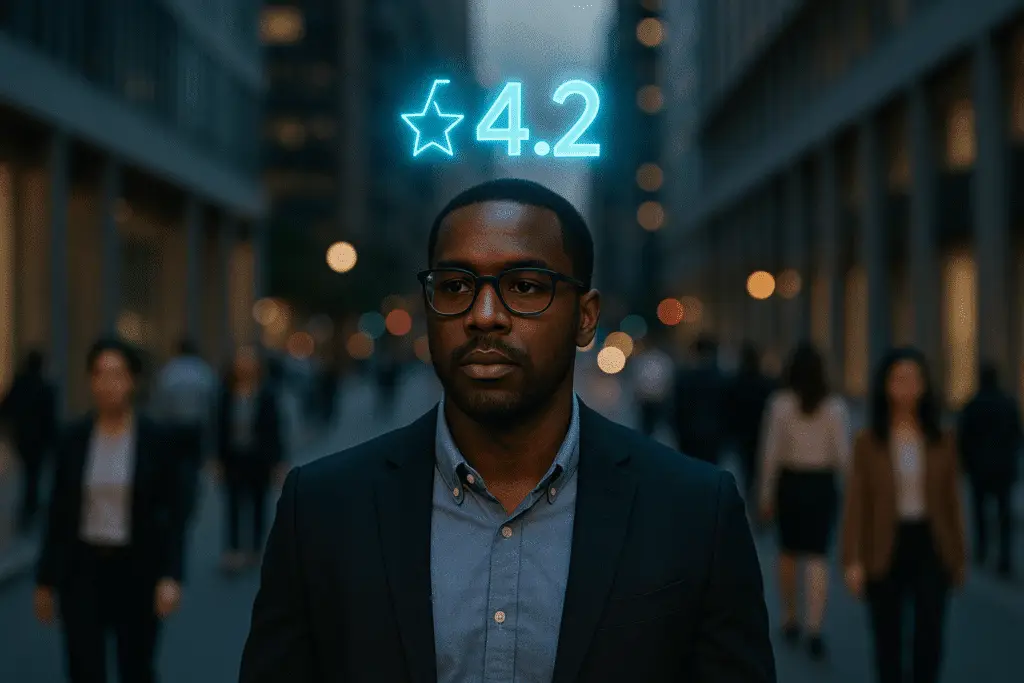
AI can score our emails for tone, rate our meetings for participation and measure our engagement in chat threads. Sounds helpful. Until we start mistaking metrics for meaning.
These tools create an illusion of objectivity. In reality, they are shaped by who built them, which data they were trained on and which behaviors they reward.
Trust is not earned through a sentiment score. It is earned through how we show up, follow through and respond when things do not go perfectly. AI can offer insight. It cannot replace interpretation, and it certainly cannot replace intention.
What you can do:
- Ask yourself whether you are trusting a score or the person behind it.
- Treat AI feedback as a signal, not a conclusion.
- Check in directly before assuming the algorithm got it right.
- Push for transparency in how scores are generated and used.
- Build trust through human moments, not machine assessments.
What do we stop seeing when machines start watching?

This is the sneaky part. When AI does the noticing for us, we stop noticing for ourselves.
We rely on AI to flag tension, so we miss the sigh in the back of the room. We let it surface the action items, so we miss the deeper concern hiding between the lines. We trust AI to summarize tone, so we miss the sarcasm, the hesitation, the heart.
AI and humans may sit in the same meeting. They do not perceive the same things. And the more observation we delegate to machines, the more we risk dulling our sensitivity to signals, and to each other.
What you can do:
- Make a habit of scanning the room, not just your screen.
- Do not stop at the summary. Read the full thread and listen to the full story.
- Ask follow-up questions that surface unspoken concerns.
- Leave room in meetings for emotional check-ins next to the agenda items.
- Remember that not everything valuable gets flagged by a tool.
Perception and AI: how do you lead with presence?

You cannot automate presence. You either bring it or you do not.
In a workplace shaped by AI tools, presence becomes your superpower. It anchors people in an environment that is increasingly filtered, processed and automated. It tells your team: “I am here. I am listening. I still see you.” AI may shape what we notice. Presence shapes how we matter.
The leaders who thrive here are not the ones who rely most on the tools. They are the ones who choose when to look up from the tools and look each other in the eye.
What you can do:
- Choose the moments that matter most, and show up fully for them.
- Speak in your own voice, without hiding behind your tools.
- Be the first to pause, ask and reflect when everyone else rushes.
- Make room for real-time connection, even when digital is more efficient.
- Let people feel seen, not scanned.
How do we make the invisible visible again?
Perception does not live in a dashboard. It lives in tiny human moments: the unexpected insight, the empathetic pause, the decision to ask before assuming.
AI can offer feedback. It cannot offer understanding. It can suggest what is happening. Only you can understand why.
So ask yourself: are you still seeing your colleagues, or only the data trail they leave behind? That is the real perception test. For the bigger picture, read artificial intelligence vs human intelligence.
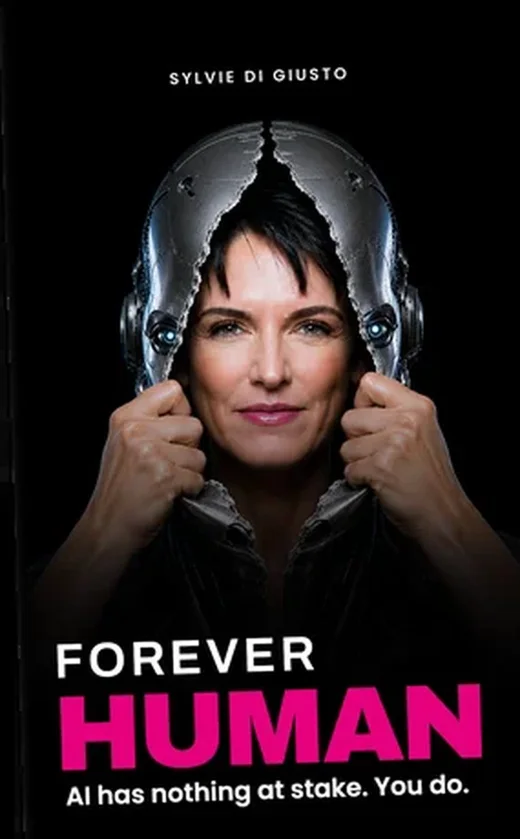
Forever Human
Reading a room, sensing what a score cannot capture, seeing the person behind the data trail: these are the human moves I write about in my book Forever Human, for leaders who want to keep seeing their people clearly.