The email that sounds like a compliment (but is not)
What are you really paying for?
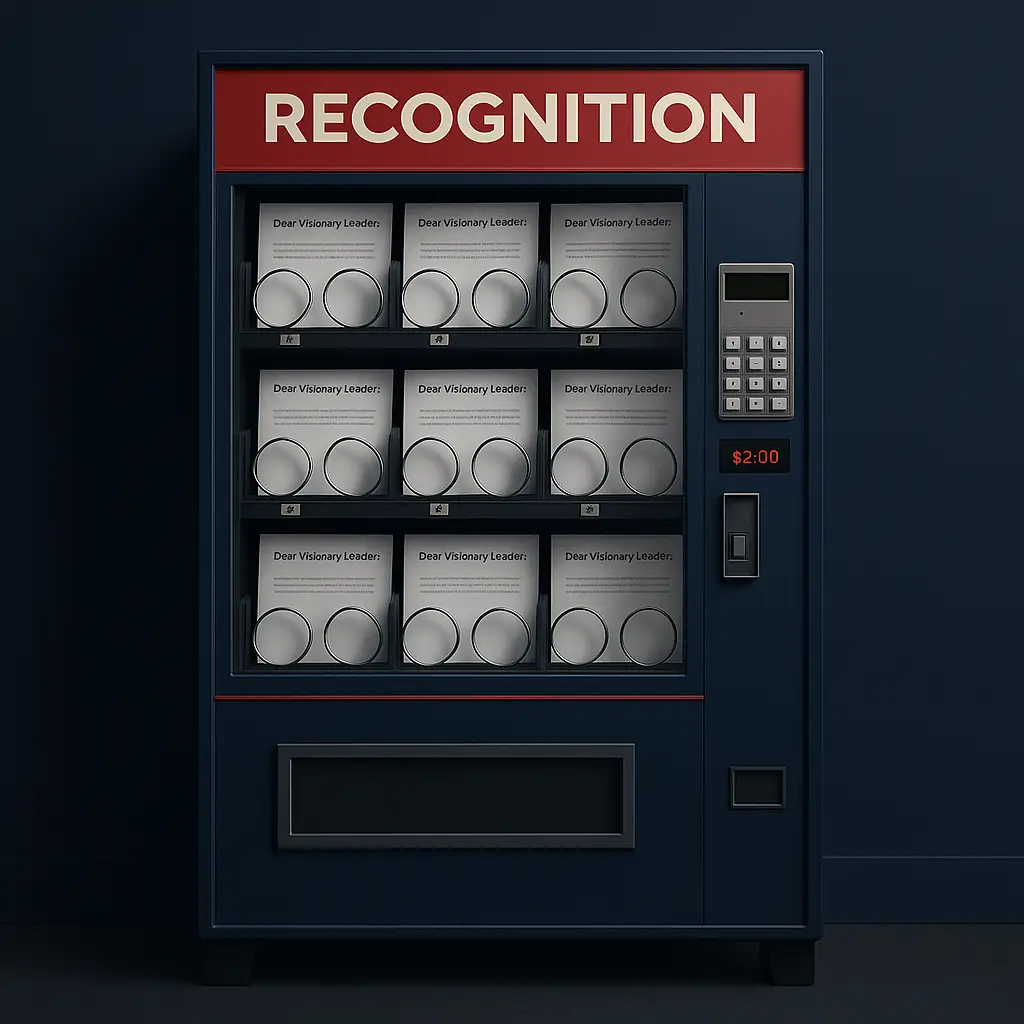
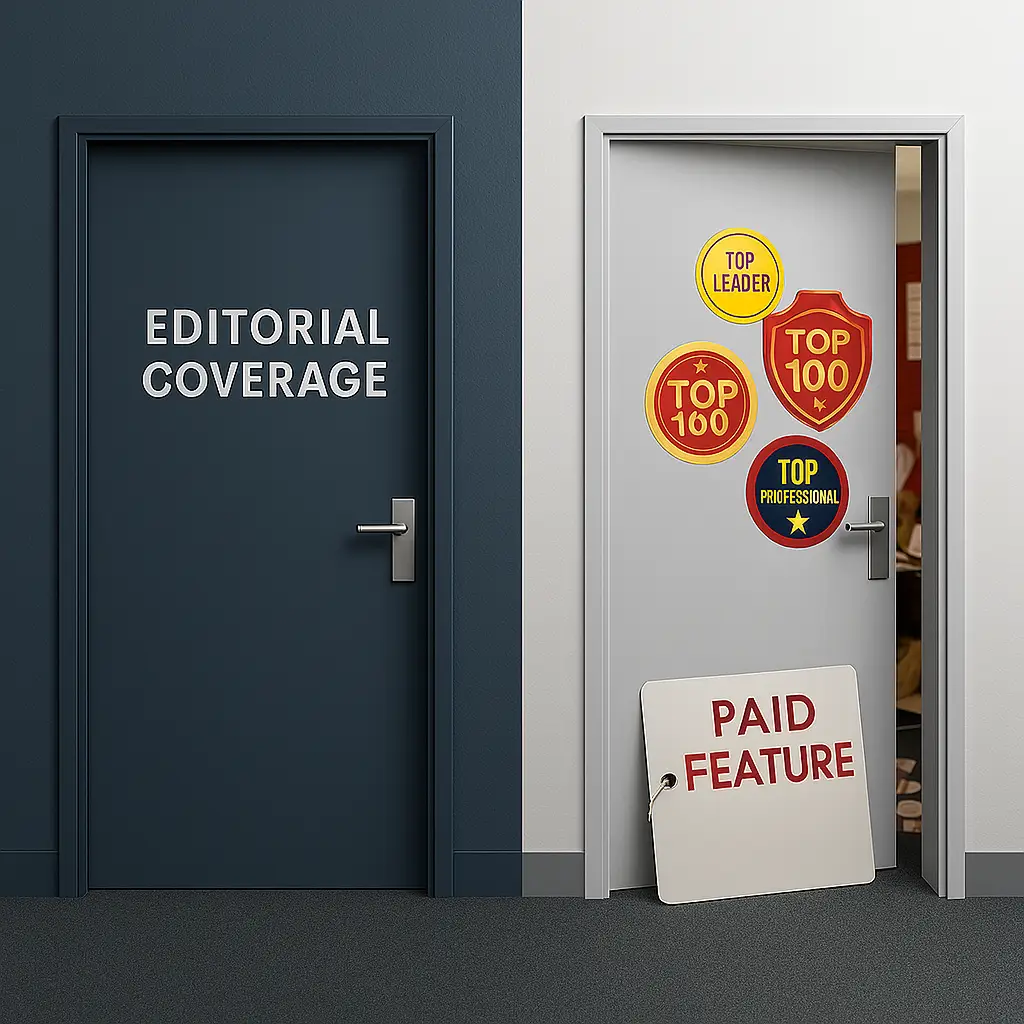
No sugarcoating: these offers are transactions, not recognition. You are not paying for journalism. You are paying for content placement. The editorial team is often interchangeable with the sales team. The article is often ghostwritten. The distribution is sometimes inflated, and the audience is questionable. Less a press opportunity, more a PR costume party where everyone wears the same rented tux.
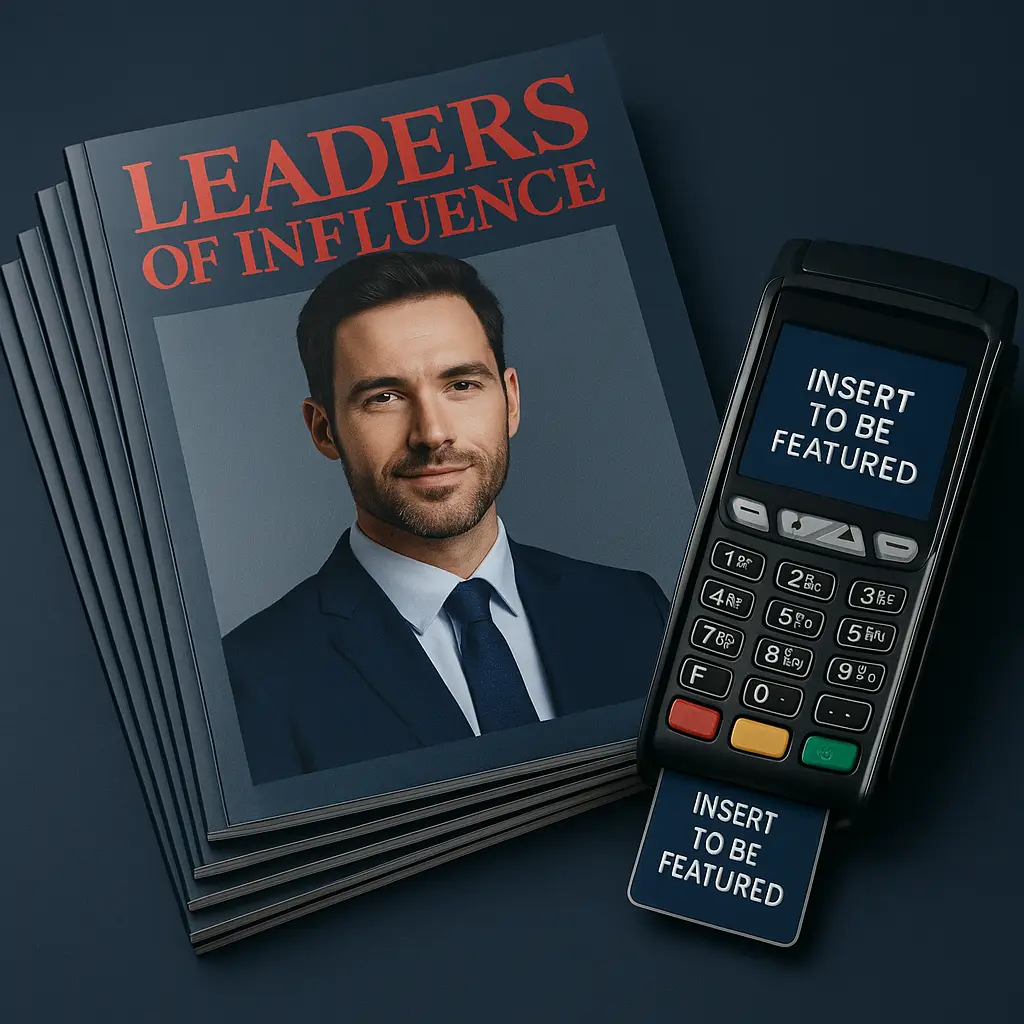
You are not featured because a journalist found your work compelling. You are featured because you agreed to pay the bill. Often you do not even get editorial control, just a flattering layout that could have been written about anyone.
To be clear: advertising is not a scam. Sponsored content has its place in a visibility strategy. But transparency is non-negotiable. If it looks like editorial and reads like journalism but was bought like an ad, it is not just misleading. It is manipulative.
And if your audience finds out, it does not only undermine the article. It undermines you, and everything else you have claimed to be authentic. Credibility is earned inch by inch. That is not a trade worth making. These are not isolated cases, either. There is an entire ecosystem living off professionals willing to pay to be featured, blurring the line between endorsement and exposure.
You paid for visibility. What you sacrificed was trust.
Why do smart professionals fall for paid features?

High achievers are the prime target. We care deeply, we work hard, we deliver results, and we are often too busy to scrutinize every email. Recognition feels earned, even when it is not.
Then there is the dopamine hit of being noticed, even when we did not ask for it. It feels like validation, like finally being seen. It is the same emotional circuitry that keeps us checking our phones for likes or scrolling LinkedIn for a hit of relevance. What is really happening is that we are being sold to, with precision.
They know exactly how to frame the email. How to build urgency. How to mix credible-sounding numbers with emotionally charged language. It is not recognition. It is a sales funnel. If you have ever felt a sudden pull to say yes, that was not an accident. They do not know your value. They just know how to sell to someone who works hard.
How does paying for media coverage hurt your brand?

The short-term appeal comes with long-term costs. What feels like a quick credibility boost can unravel trust you spent years building. In personal branding, perception is not part of the game. It is the entire field. Here is how it backfires:
- You lose credibility with peers and insiders who know the publication is pay-to-play.
- You dilute the weight of your real press by placing it next to sponsored accolades.
- You risk being seen as someone who buys influence instead of earning it.
- You attach your name to companies that may not even vet who they feature.
- You look inauthentic, because the story was not discovered. It was delivered.
- You confuse audiences who assumed the spotlight was earned, not exchanged for payment.
- You become one of many, another face on a carousel of indistinguishable “featured leaders.”
- You signal that you are fine with sponsored features posing as earned credibility.
Perception is currency. Do not spend yours in the wrong marketplace. Every time you support these schemes with your signature or your credit card, you reinforce the illusion that influence can be bought, and eventually people stop listening. Not because you are not worth hearing, but because they question where the spotlight came from.
It can get worse. One paid feature needs another to validate it, then another, and suddenly you are deep in a rabbit hole of performative credibility, each round chipping away at the authenticity people actually connect with.
And while it may feel like nobody is watching, someone always is: a peer, a client, a decision maker. They may never say a word. But they will remember, and they will quietly start to discount what you say, what you sell and what you stand for. Not because they doubt your talent. Because they saw your trust traded for a transaction. If it is bought, it is not believable. And if it is not believable, it is not branding.
How do you spot a paid feature email?
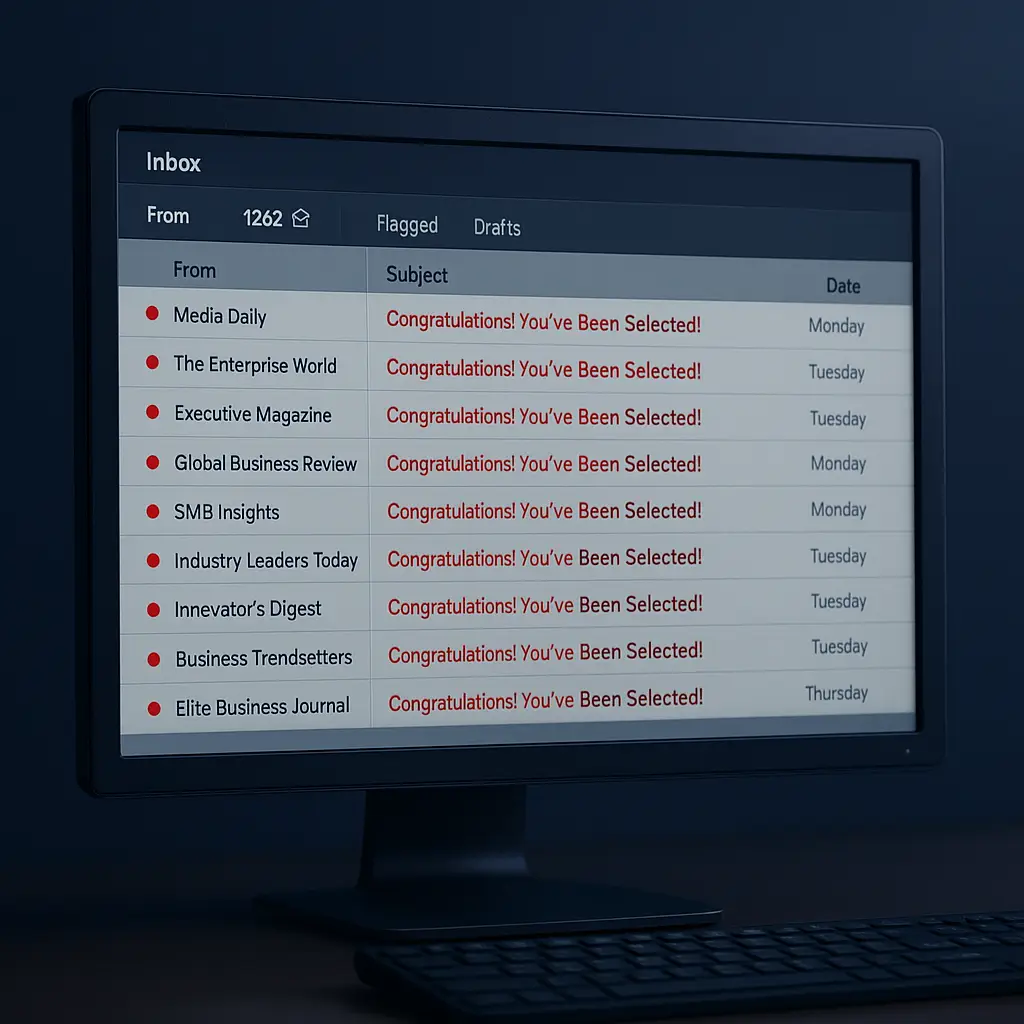
These emails arrive with a flourish, wrapped in flattery and urgency, and the playbook rarely changes. They promise recognition. What they sell is attention: yours, and ideally your network’s. You do not need a degree in media ethics to spot them:
- The sender is a publication you have never heard of.
- The subject line says “Impactful Leaders,” “Top Professionals” or “Featured Visionaries.”
- The email contains nothing specific about your accomplishments.
- There is a “package” or a “sponsorship fee.”
- The tone is overly flattering and vague.
- The publication’s website feels templated or generic.
- They want to jump on a call immediately, before you ask too many questions.
Read these messages like a marketer instead of a flattered recipient, and the red flags wave themselves. This is not media exposure. It is media exploitation dressed up as opportunity. Real press asks questions. Paid press sends packages.
Are there legitimate ways to pay for media?
Yes. They just look different.
There is a real difference between vanity features and strategic media placements, and it is not the price tag. It is disclosure, intent and audience trust. Legitimate sponsored content is transparent. It is labeled as sponsored, and it appears on platforms with established editorial teams and real audiences, think Harvard Business Review partner content or sponsored newsletters. Credibility is not lost when expectations are clear.
If you decide to invest in paid content, do it strategically:
- Vet the platform’s reach, relevance and readership.
- Make sure it fits your audience and your goals.
- Label it as paid when you share it.
- Treat it as advertising, not validation.
- Ask yourself whether the same story would hold up without the payment.
- Avoid platforms known for selling magazine spotlights as earned credibility.
Done well, paid content can support a broader strategy. Done blindly, it quietly erodes the trust you are trying to build. It is not the payment that discredits you. It is pretending it was not one.
How do you earn real media coverage instead?
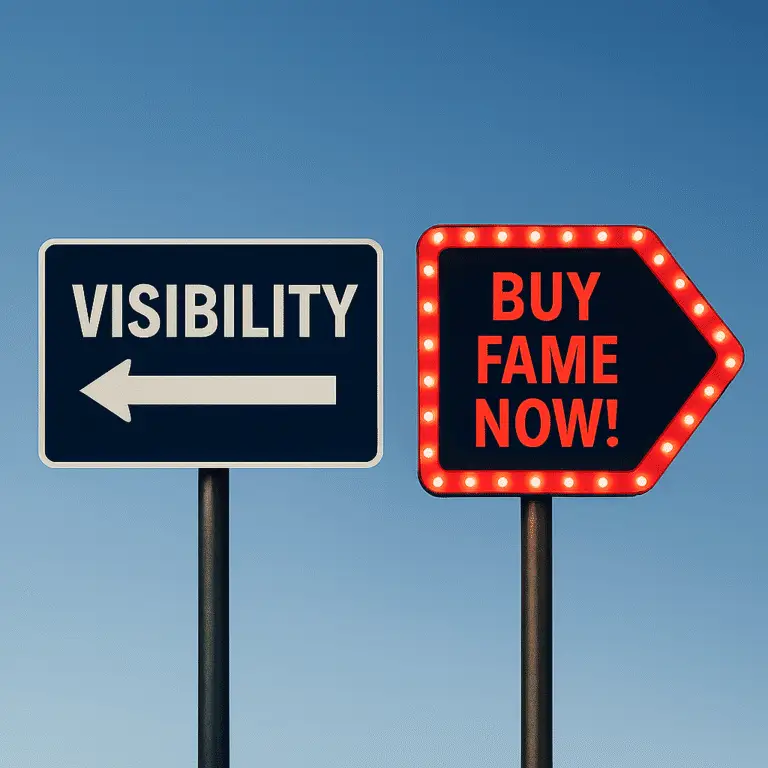
Want true credibility? Contribute value, not credit card details.
The professionals with lasting influence give before they take and build before they broadcast. Visibility is not about buying space. It is about earning attention. Every meaningful media opportunity I have had, every quote, feature or spotlight, came from consistently delivering value, not from a transaction.
Pitch yourself to reputable media as an expert source. Offer insights or case studies. Write thought leadership for established platforms. Join panels. Speak at conferences. Build relationships with journalists. And curate your digital footprint so that when they look you up, they find credibility, not clickbait.
Visibility that leads to trust is not instant. But it lasts, and it compounds: once one trusted source features you, others start paying attention. Your brand does not need a shortcut. It needs a compass. If you want a place to start, read why PR in business is no longer optional, and how to choose awards and recognition that actually mean something.
Choose impact over impression
A glossy magazine cover looks lovely in a frame. But if the story behind it starts with an invoice and ends with a templated interview, who is really benefiting?
Your name deserves more than a vanity placement. It deserves respect, relevance and relationships that were earned, not purchased. So the next time an email promises you the spotlight, ask what you are really being offered: exposure, or a transaction wrapped in flattery. If your story starts with a payment, it ends with a question mark.
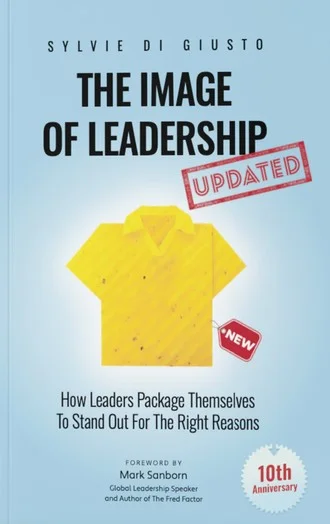
The Image of Leadership
A paid cover story touches two of the five signals I write about in The Image of Leadership: your digital footprint, and the company you keep. The book shows how to build both on purpose, so the credibility people find when they look you up is the real thing.