Why do audiences want keynotes that teach and move them?
The days when a speaker could show up, run through a bullet-point list and call it a day are over. Audiences expect a keynote to deliver information and emotion. Danielle nailed it: “People really want something that’s going to do a little bit of both. They want the keynote speaker to take them along for the ride.”
Attendees want to learn and to feel, to be educated and energized. Transferring knowledge is no longer enough. The goal is an experience that lands on an intellectual and an emotional level.
That is where storytelling, interactivity and even vulnerability come in. Audiences crave moments that feel real: keynotes that speak to their challenges, spark their curiosity and stay with them long after the event. The best keynotes today blur the line between performance and conversation. They make people feel seen. And when everyone is drowning in content, feeling something is what separates a great event from a forgettable one.
How important is personalization for speakers now?
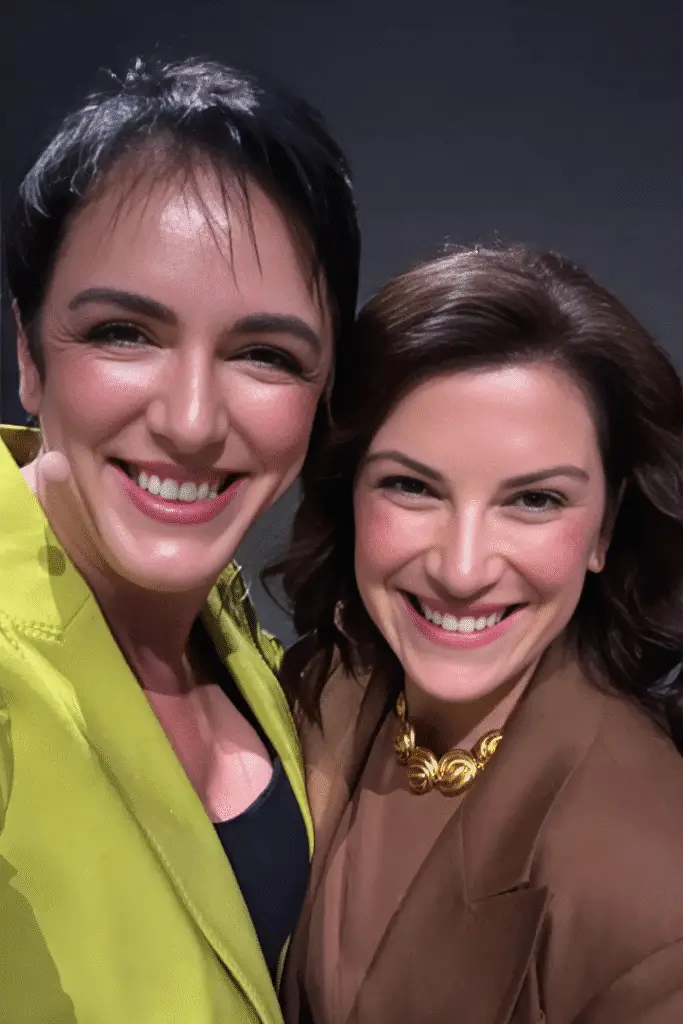
Audiences are sharp. They can tell when a keynote is standard and when it was built for them. Danielle puts it this way: “It’s not about speaking to the client, it’s about speaking to the audience.” When a speaker understands the language, the challenges and the context of the room, something magical happens. The audience leans in.
Accessibility is no longer a buzzword either. It is an expectation. Clients want real connection and someone willing to meet them where they are. Being impressive is nice. Being approachable is what resonates.
Personalization and accessibility also go hand in hand with a growing focus on inclusivity and psychological safety. Attendees want to belong, to feel that the speaker gets them and that their experience matters beyond the name tag. That starts with homework: the industry lingo, the pressing challenges, even the shared frustrations. A speaker who walks in having done that is no longer a presenter. They are a trusted guide.
And accessibility reaches beyond the stage. It means showing up before and after the keynote, talking to people, answering questions, being visible and available. Speakers who think this way become part of the event’s emotional memory. The goal is no longer commanding attention. It is creating connection.
Are immersive experiences becoming the new normal?
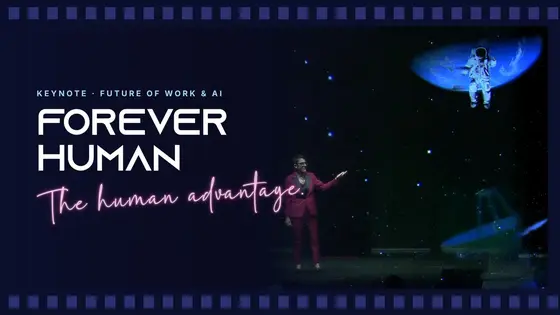
Time to geek out a little. Immersive experiences are no longer futuristic. They are becoming normal. Danielle described one moment that says it all: she watched an audience go from chuckling to completely silent, hanging on every word. That is what true immersion does.
In a crowded calendar of conferences and summits, the events that use sensory, tech-driven storytelling are the ones attendees rave about, post about and remember months later. That is no accident. Audiences crave engagement on top of education, and immersion taps directly into emotional memory. The content lands, and then it lingers.
Immersive formats also break through digital fatigue. After hours of staring at flat screens, a multidimensional, interactive keynote is a welcome disruption. It reignites curiosity, starts conversations and asks the audience to feel, reflect and respond in real time. As events lean toward more experiential formats, the point is not dazzling visuals. It is designing moments that matter.
Yes, new tech can feel intimidating. It does not have to be. With the right speaker and production partner, the heavy lifting comes off your plate. As Danielle said: “This is no problem, we can make this happen.” The wow factor should feel natural, not forced. Done right, the audience feels, and remembers.
Why is teamwork still the trend that never goes out of style?
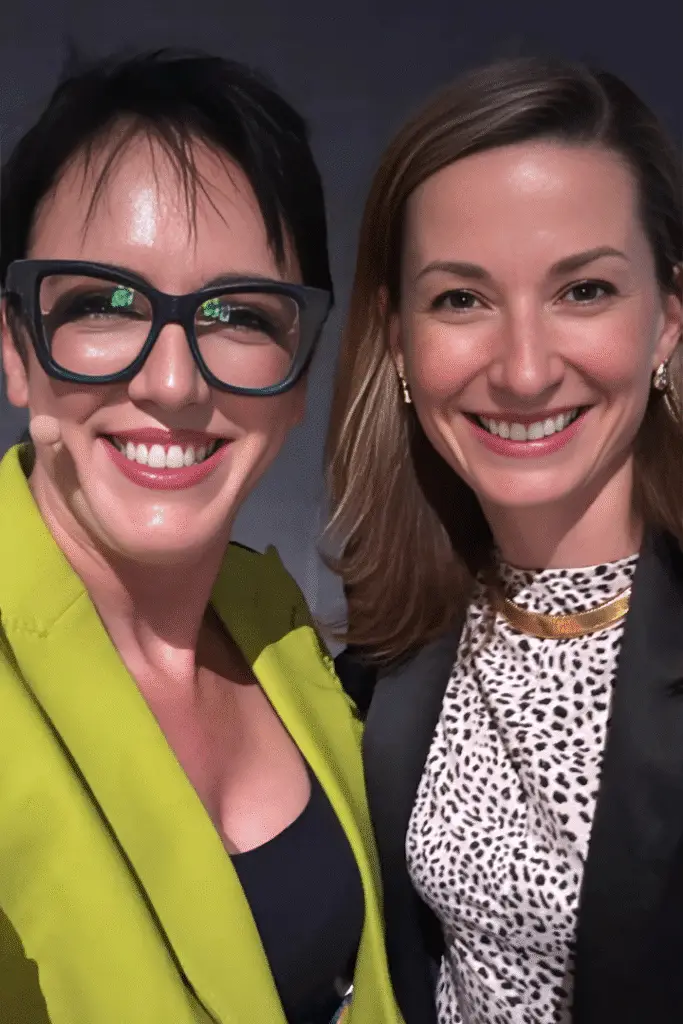
With Danielle Sweeney at CMDC Voices 2025, I was reminded of one evergreen truth: great events are a team sport. The speaker’s team, the client, the production and AV crew and the speakers bureau. When everyone is aligned, it shows. Danielle said it best: “Teamwork is the number one focus.”
From the first planning call to showtime and the post-event wrap-up, collaboration makes or breaks the experience. Being friendly is not enough. Everyone has to be aligned in mission, vision and execution. One weak link, a misinformed tech operator, an unresponsive client contact, a speaker who was not looped in, creates a ripple that disrupts the flow, flusters attendees and dilutes the impact.
When everyone communicates openly, anticipates needs and adjusts in real time, the audience never sees the sweat behind the scenes. They only see the magic, and that magic comes straight from trust, transparency and teamwork.
And the audience is part of the team too. The most memorable moments happen when speakers stop performing at people and start connecting with them. That is emotional, and it is strategic: treating the audience as collaborators rather than spectators increases engagement and learning retention. When people feel seen and heard, they lean in and become co-creators of the moment. The events that rise above the noise make the audience feel essential, not incidental.
Which new event formats are on the rise?
One of the clearest shifts is as much about philosophy as about format. Attendees are no longer satisfied with static, prepackaged agendas or generic ballrooms. They want experiences that feel intentional, local and deeply human. As attention spans shrink and expectations rise, formats are moving from passive consumption to active participation.
- Micro-events bring small groups, often under 50 people, together around niche or regional topics. Focused, low-friction and great for high-impact networking among insiders or dispersed teams.
- Multi-hub events connect audiences in several physical locations through synchronized programming and shared content. People gather locally while engaging with a global agenda, which reduces travel and expands reach and accessibility.
- Festivalization makes conventions feel more like cultural events than corporate meetings: music breaks, food trucks, art installations, casual lounges. Fun, yes, and also human, shareable and emotionally engaging.
- Short, flexible agendas with pop-up sessions, concurrent tracks and “unconference” slots let attendees shape their own learning paths and follow their curiosity.
The format no longer follows the agenda. It follows the experience, and the human in it. Design with people in mind and you get more than engagement. You get energy, emotion and momentum. The best format gives your audience exactly what they did not know they were hoping for.
A conference is no longer a room. It is a rhythm, and it needs to move with your audience.
How are events moving from passive listening to co-creation?
Audiences expect more because they have experienced more. After years of remote fatigue, digital overload and fragmented communication, they want something that feels live, alive and made for them. They do not want to be spectators. They want to shape the moment. An event without interactivity, play and presence at its core risks falling flat before the first breakout.
- Gamification: points, team challenges, leaderboards and prizes turn sessions into something people can win, not just attend. Live polls, quizzes and event apps are easy ways in.
- Interactive and immersive tech: live Q&A, instant feedback and audience-driven direction, plus AR and VR demos or holographic presentations that blur physical and digital.
- Experiential design that engages every sense: hands-on workshops, escape-room problem solving, ambient visuals, music and even scent.
- Spatial storytelling turns the venue into a narrative: hidden speakeasy sessions, puzzle-led breakouts and secret pop-ups that people live instead of watch.
- Silent or distributed sessions for large events: wireless headphones let attendees tune into the session of their choice, solve space and noise problems and give everyone a front-row seat.
Attendees want to play, influence the agenda and see their input reflected in real time. It is no longer about what you tell them. It is about what you build with them. If your attendees are only watching, they are already forgetting.
How is the role of the keynote speaker expanding?
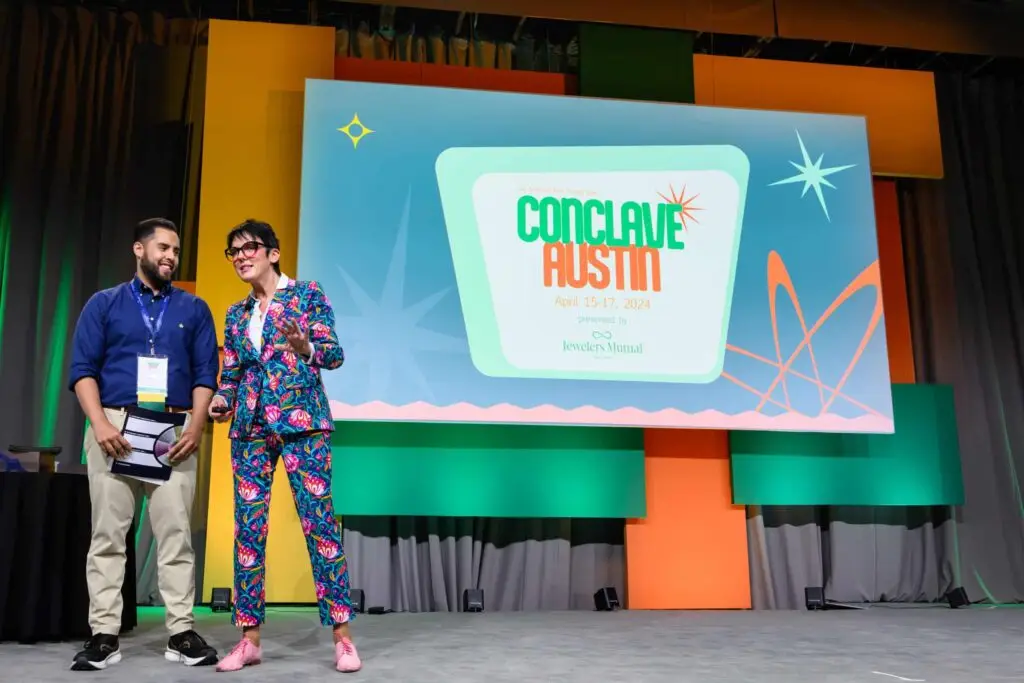
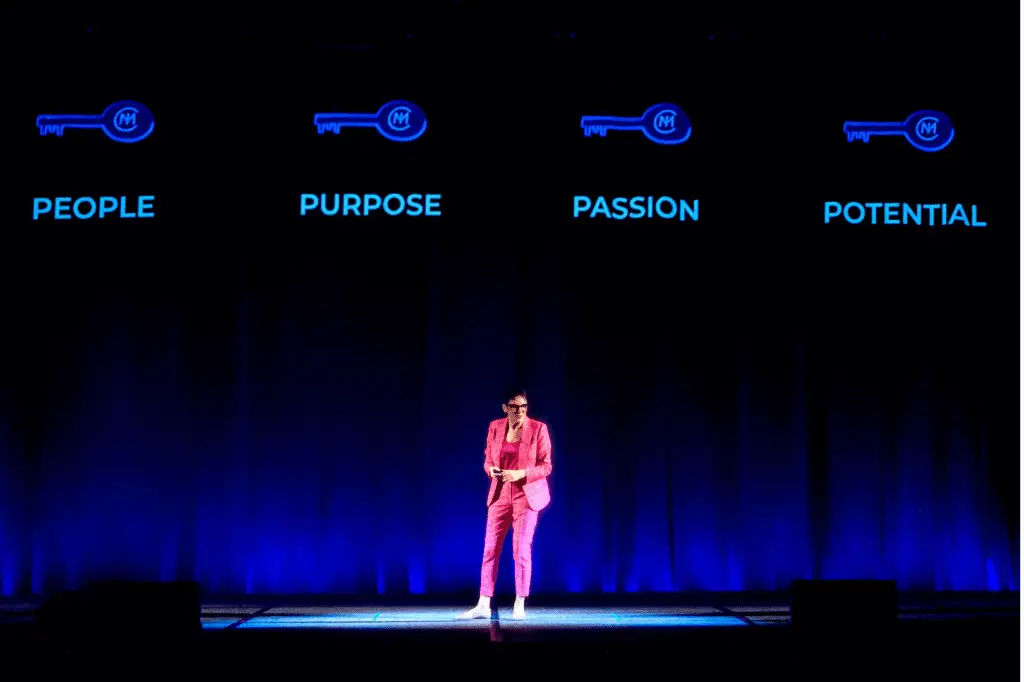
Today’s most in-demand speakers already know that a talk is no longer just a talk. Standing behind a podium, cycling through slides and delivering a tidy message is quietly retiring. Audiences are more distracted, more discerning and more digitally fluent than ever. They do not need someone to tell them what they can find on Google or get from ChatGPT in seconds. They need someone who helps them feel something, remember something and do something.
So events need more than subject-matter expertise. They need a layered experience that connects emotionally, intellectually and contextually. Speakers have to offer meaning, create energy in the room and leave behind transformation, not only takeaways. When information is everywhere, impact is everything.
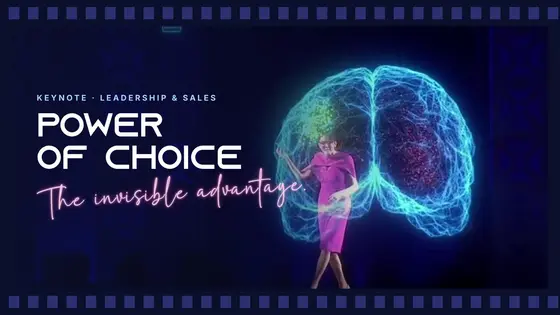
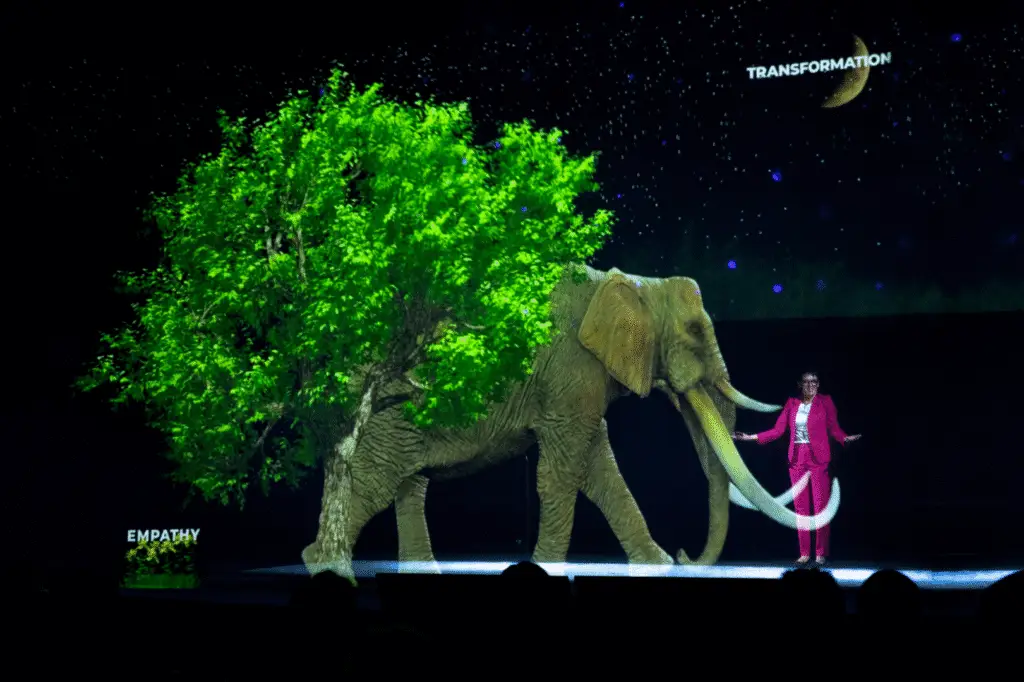
Immersive storytelling has become foundational: multimedia, stage effects, holograms and AR overlays turn keynotes into stage performances. As events adopt more theatrical production value, audiences expect a show that speaks to the mind and the moment.
Participation matters as much as presentation. More speakers literally share the stage with the audience through interactive challenges or co-developed takeaways, so the session feels less like a broadcast and more like a collaboration.
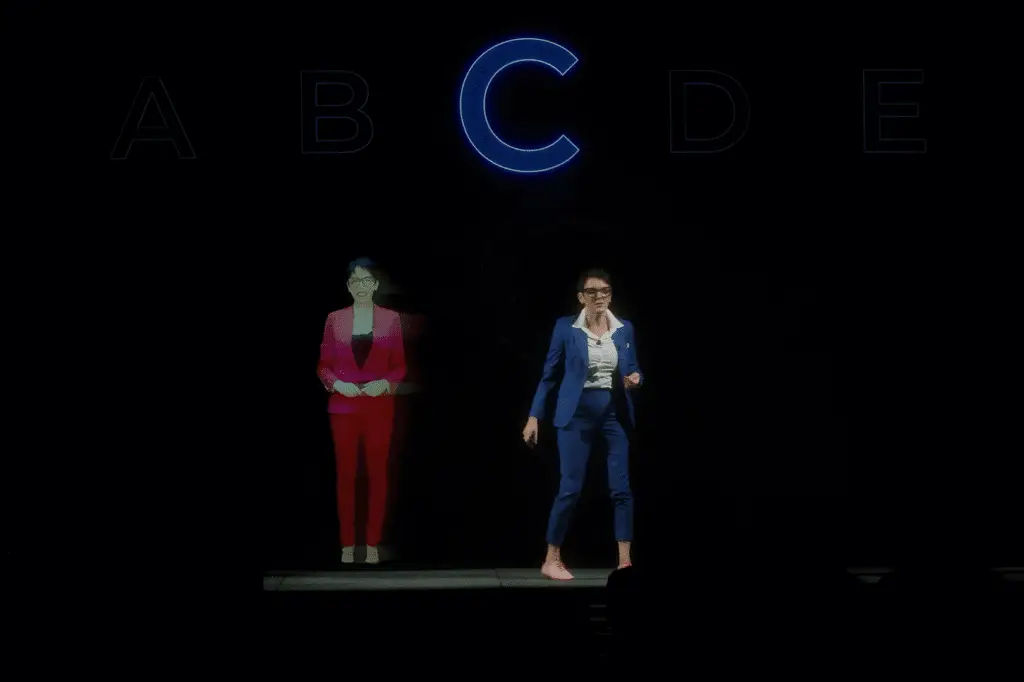
Speakers also have to be technology fluent: smart badges, live polls in the event app, multi-hub video links, simulcast venues, even sharing the stage with an avatar or holographic rendering.
And most importantly, speakers are expected to embody the event’s values. Sustainability, equity, innovation, well-being: these are not side notes. They are themes the talk should carry and amplify. Being a keynote speaker today means co-creating an experience, not delivering a monologue.
How is technology changing events, from wearables to holograms?
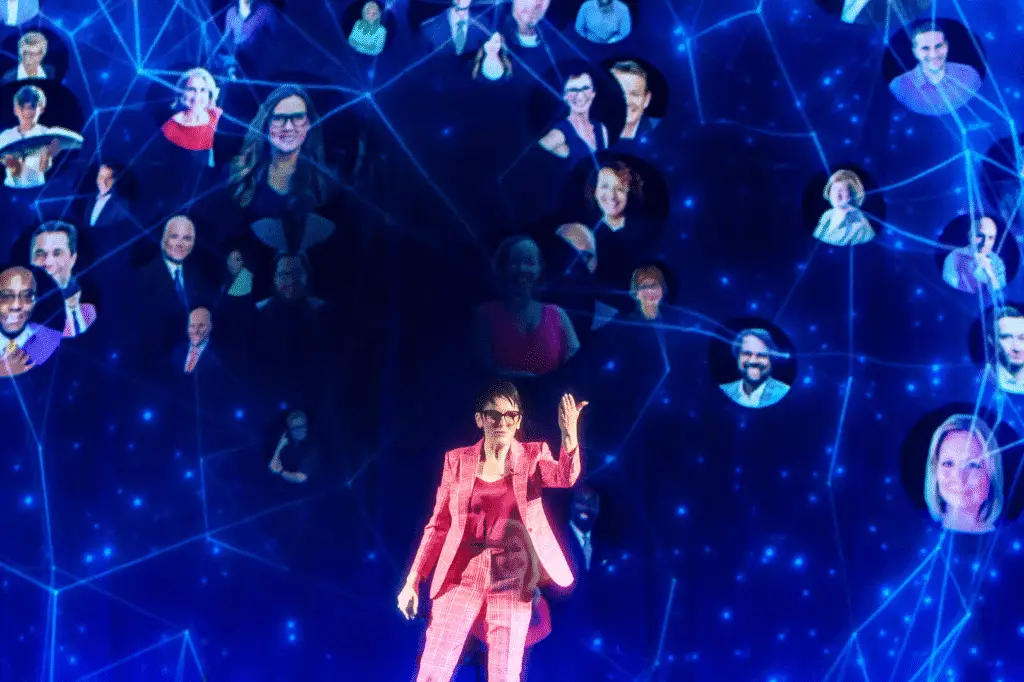
Tech is no longer an accessory to the event experience. It is embedded in every layer.
Smart badges and wearables track movement, automate check-in and spark networking with a tap. Event apps guide attendees, gather feedback and personalize schedules. AR and VR bring product demos to life, while AI tools recommend sessions, connect people with shared interests and summarize live Q&A in real time.
The lines between digital and physical will blur further: holographic speakers, mixed-reality showrooms, real-time facial expression analysis. It sounds futuristic. It is happening now, and I expect it to be mainstream by 2030.
Which is exactly why we have to be mindful. With all its promise comes a real risk: that tech becomes a distraction instead of a delivery vehicle. That it dazzles but does not deepen. Planners can now use tools they once thought belonged in science fiction, and that comes with responsibility. Technology should enable the story, not overshadow it. Used well, it creates clarity, connection and context. Overused, it confuses, exhausts and distances the very audience we want to reach.
Why does tech without meaning feel like noise?
Let us be honest: tech for tech’s sake is tired. Event trends include everything from AI tools to holograms, but the value lies in why you use them. Does your technology create clarity? Connection? Context?
Immersive tech is powerful when it strengthens emotional engagement, not when it competes for attention. Whether it is 3D environments, live polling or augmented reality, forward-looking events use tech to support the narrative. If it does not serve the story, it does not belong.
It is not about the sophistication of the tech. It is about the sophistication of the design. Smart planners treat tech as a storytelling partner, not a novelty, and ask the most important question of all: will this tool help our audience feel the message more deeply, or will it just fill the screen? The best tech-supported experiences do not feel like technology. They feel like magic, because they were designed with care. Technology should whisper your message, not scream over it.
Why does personalization matter more than the venue?
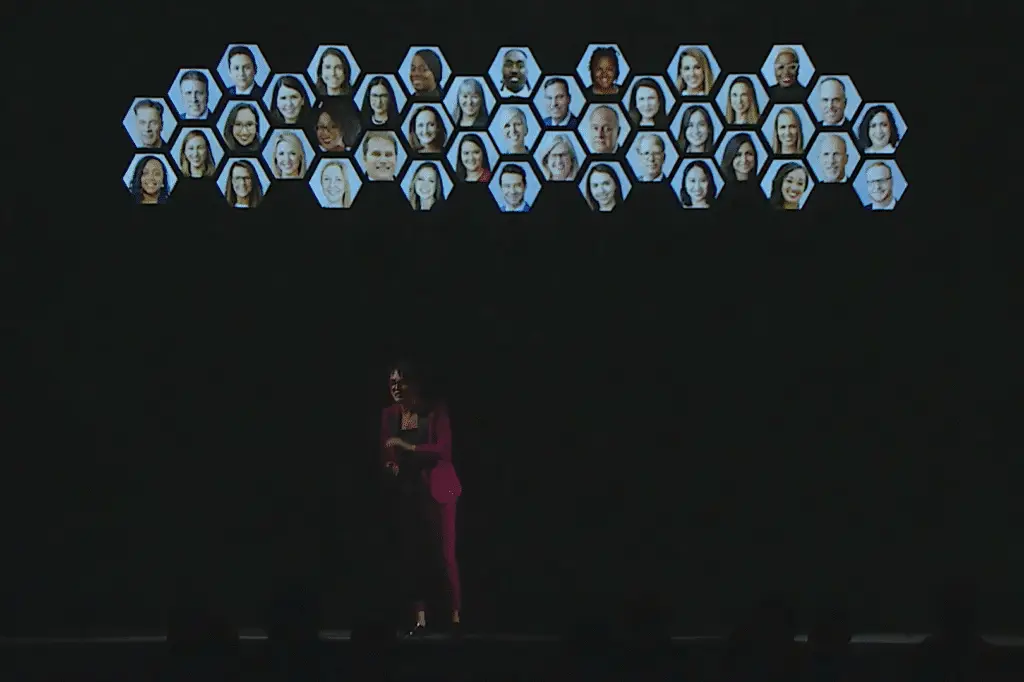
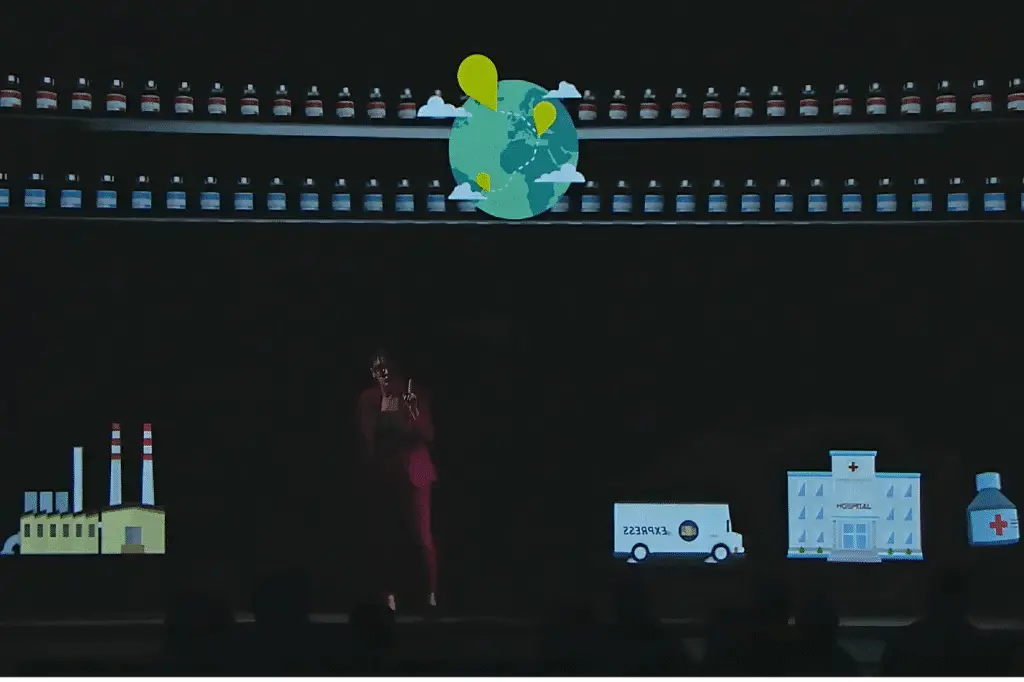
Attendees are experience-driven, value-driven and highly self-aware. They want their time and attention to count. So events have to be customized and aligned, and that goes far deeper than inserting a logo or a few industry buzzwords.
Cookie-cutter sessions no longer work. Audiences spot generic content from a mile away and tune out. Personalization means tailoring the tone, the examples, the delivery style and even the pacing to the room in front of you, with content that acknowledges who they are, where they are and what they care about. From curated content tracks to custom keynotes, planners are investing in experiences that feel personal because they are.
It also extends into format, tone, pacing and timing. Micro-moments of choice throughout an event change how attendees engage and reflect. The ability to explore themes in ways that fit their role or mindset is what separates a generic event from one that feels made for them.
To be clear: personalization does not mean pretending to be something you are not, pandering or overpromising. It means understanding your audience well enough, demographically, emotionally and professionally, that the message feels crafted for them. That builds connection, drives recall and turns “just another talk” into something memorable. Purpose-driven content beats polished production. Today’s audience does not want more. They want more of themselves in your event.
If your keynote could be delivered the same way to three different audiences, it is probably not worth delivering at all.
Why are conferences turning presentations into experiences?
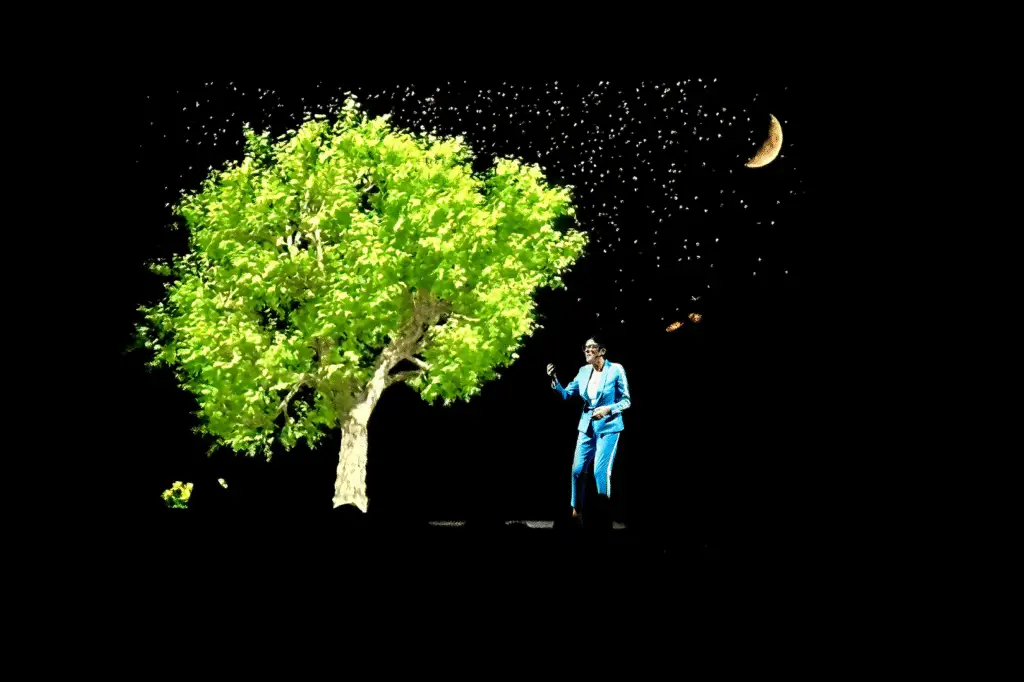
Attendees are no longer satisfied with listening. They want to feel: to be drawn in, challenged and moved.
The old formula of speaker plus slides plus swag bag is being replaced by moments that surprise and engage at every turn: immersive environments, sensory design and professional speakers who pull people into something meaningful instead of talking at them. Information is everywhere. What people remember is how your event made them feel, and that feeling builds trust, loyalty and a brand that looks modern and thoughtful.
The nuance: experience does not have to mean spectacle. It means intention. Everything from how attendees enter the venue to how a keynote lands emotionally to how breakouts are facilitated is designed around the human experience. That takes more than logistics. It takes empathy. Successful events consider sound, light, space and flow. They choreograph energy. Creating an experience is no longer the icing. It is the whole cake. “Speaker plus slides” is a format. Experience is a feeling.
Is emotional intelligence the real innovation in events?
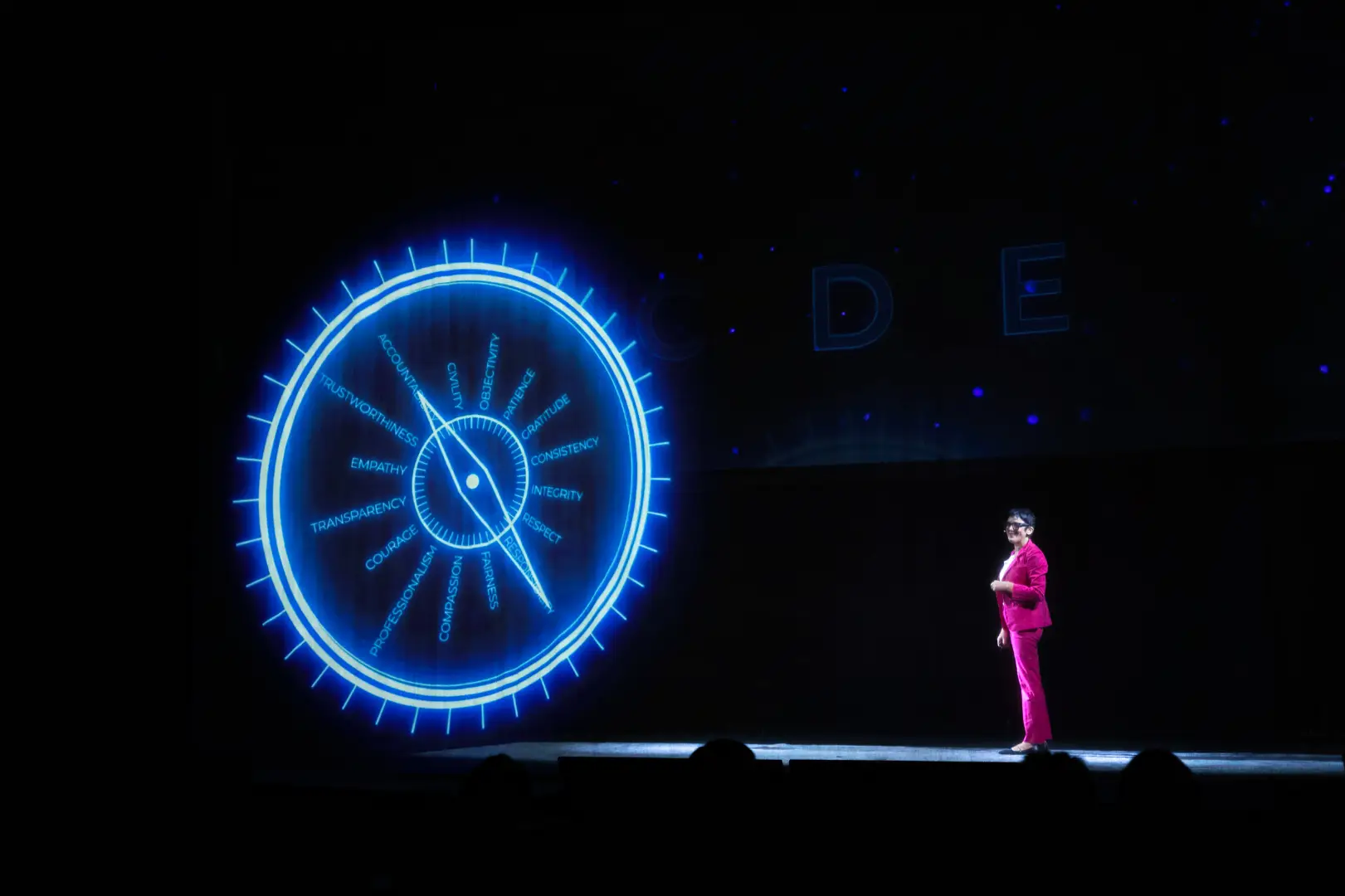
This trend will not show up on many event checklists, but you feel it in the room: emotional intelligence.
Events that make space for reflection, vulnerability and human moments linger. They impress stakeholders, and they imprint on attendees. With so much overstimulation, emotional resonance has become a real differentiator, and speakers who understand tone, context and nuance are the heart of your agenda.
Emotional intelligence lets a speaker adjust in real time, read the room and respond with grace to unexpected energy. It helps panels move beyond rehearsed answers into real dialogue, and it helps attendees feel safe enough to open up and contribute. It is not flashy. It is foundational, the engine behind speaker impact, community building and post-event change. Connection is the new keynote currency.
What will define the future of events?
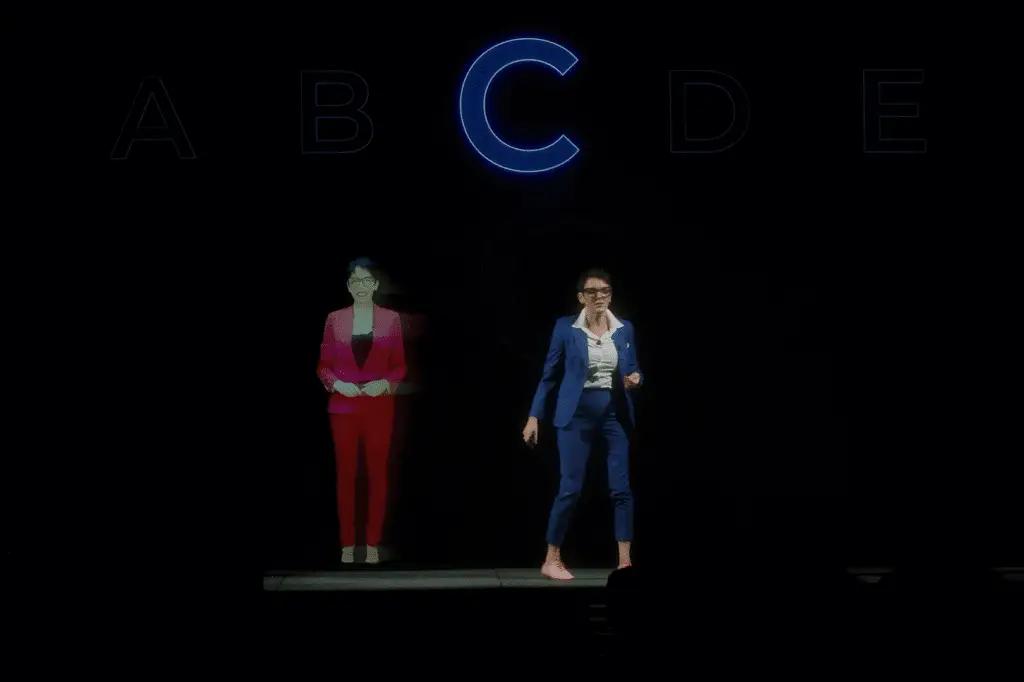
Three words: customization, courage and co-creation.
Brands that future-proof their events do not wait for the next big thing. They build it. They ask attendees what they want, experiment with formats and book professional speakers who know how to listen, adapt and co-create. Customization means doing the work before the event starts and knowing your attendees’ world well enough to speak directly to it. Courage means trying new formats, dropping tired playbooks and leaving room for meaningful risk. Co-creation is where the magic happens, when speakers, planners and attendees build the experience together, in real time. It asks more of everyone, and it gives back alignment instead of applause and follow-up instead of feedback forms. Playing it safe will not move your audience. Courage will.
So do not follow the trends. Anticipate them. The future of events is not about throwing out what works. It is about amplifying what matters. Attendees do not need more information. They need meaning. They do not need more sessions. They need more connection. If you are planning a conference, booking a speaker or designing a keynote, the question is not “What is new?” It is “What will still matter five years from now?” More human content. More thoughtful tech. More purpose.
Trend reports are signals: of what audiences crave, what brands are bold enough to try and which events people will talk about long after the lanyards come off. Trend-followers entertain. Trend-setters transform. The best events are rooted in what is timeless, then built for what is next.
Event industry trends: where innovation meets authenticity
So where is all this heading? Somewhere between wow-worthy innovation and down-to-earth authenticity. Danielle’s advice to the industry: “It’s time to elevate your game.” She is right. Adding holograms, AI or emotionally intelligent storytelling is not about bells and whistles. It is about deepening the experience.
What sets future-ready events apart is not the tech itself. It is how the tech helps tell more human stories, build more meaningful connections and spark more genuine reactions. The best events will be the ones where head meets heart. The future of events is not prescripted. It is co-authored.
That is exactly how I build my 3D immersive keynote experience: customized for one room, co-created with your team and designed so the technology serves the message. Planning your next conference? Start with how to find a keynote speaker.