Why do so many people feel underappreciated at work?
First, you are not alone. It happens to high achievers all the time, because recognition does not come naturally in busy workplaces. Leaders juggle priorities, and some company cultures simply do not value appreciation as much as they should.
Sometimes your work flies under the radar because you do not talk about your successes. Sometimes it is systemic: feedback is rare and undervaluing people has quietly become the norm. Whatever the cause, it takes a toll on morale. It does not have to take yours. A lack of recognition does not shrink your contribution. It only shows that something needs to change.
What are the signs you are truly undervalued?
Is it a rough week, or a real pattern? Many of us brush the feeling off and tell ourselves it is all in our heads. Sometimes the signs are right in front of us:
- Lack of feedback. You rarely hear anything, positive or constructive, about your work.
- Overlooked opportunities. You keep getting passed over for promotions, projects or recognition.
- Unequal workload. You constantly take on extra work without acknowledgment or support.
- Silence after big wins. Significant accomplishments go unnoticed and uncelebrated.
- Your input is ignored. Your ideas are routinely dismissed or overlooked in meetings.
Recognizing the signs is the first step. Once you see them, you can act and make sure your value is no longer underestimated. Your contributions matter, even if nobody has said so. Yet.
Or are you underappreciating yourself?
Sometimes the problem is not that others miss your value. It is how you see yourself. Self-doubt, imposter syndrome or simply being too hard on yourself can make you underestimate your own worth.
Have you celebrated your achievements, or are you so focused on what is next that you forgot how far you have come? It is easy to compare yourself to others or decide your contributions are not significant enough. That mindset traps you in a cycle of needing external validation instead of building internal confidence.
So here is the challenge: treat yourself the way you wish others would. The recognition you are looking for might begin with you.
You can’t expect others to value you if you don’t value yourself first.
How do you recognize your own value?
Your value is not tied to someone else’s applause. Take a moment and write it all down: every project you led, every problem you solved, every good outcome you contributed to.
Once you see it on paper, it gets much harder to discount. Feeling overlooked often comes from forgetting how much you bring to the table. So remind yourself, loudly and often. Your value does not disappear because it goes unnoticed. It waits for you to claim it.
What should you say to your manager?
People are not mind readers. If you feel underappreciated, say something. Schedule a conversation with your manager and go in with a solution-oriented mindset: highlight your recent contributions and ask how your work can align more visibly with team goals. It can feel daunting. Change often starts with one brave conversation. These phrases help.
Open the conversation
- “Thank you for taking the time to meet with me. I wanted to have an open conversation about how I can align more effectively with the team’s goals and make my contributions as impactful as possible.”
- “I’ve been reflecting on my role and wanted to share some thoughts on how I can grow and add more value to the team.”
Raise your concern gently
- “I’ve noticed some of my recent work may not have been very visible, and I’d love your perspective on how I can better showcase it.”
- “I want to make sure I’m meeting expectations. Can we talk about how I’m doing and any adjustments I could make?”
Point to your contributions
- “Over the past few months, I’ve focused on [specific project]. I’d love to hear your thoughts on its impact and whether we can take it further.”
- “I’m really proud of the results from [specific achievement], and I’m wondering how I can contribute more in similar areas.”
Ask for something concrete
- “Would regular check-ins on my progress and goals be helpful? I want to make sure I’m fully aligned with team priorities.”
- “What are some ways I could make my work more visible or collaborate more closely with others?”
Close on a positive note
- “Thank you for listening. I value your guidance, and I’m eager to grow and contribute more.”
- “I appreciate you taking the time. I’m committed to making a bigger impact, and I welcome any feedback.”
Speaking up is not complaining. It is advocating for yourself, and done respectfully, it opens the door to better communication, more recognition and real growth opportunities.
How else can you change how your work is seen?
Ask for feedback
Ask your manager and peers specific questions about your performance, your contributions and where you can improve. It shows you how your work is perceived and where the recognition gap really is.
Clarify your responsibilities
Sometimes feeling undervalued comes from unclear roles. Talk with your manager about how your role fits the organization’s expectations, express your wish to grow, and discuss expanded responsibilities or new projects.
Set clear career goals
Clear goals guide your development and give your employer a framework to support you. When they align with organizational objectives, you are far more likely to get the opportunities you need.
Communicate constructively
In every one of these conversations, stay clear and professional. Skip accusatory language. Talk about your experiences and aspirations in a positive, collaborative way.
Document your achievements
Keep a running record of your achievements, contributions and positive feedback, and update it regularly. It is concrete evidence when you discuss your performance and your worth.
Build allies and advocates
Sometimes the best way to feel valued is to surround yourself with the right people. Mentors, colleagues and allies who appreciate your work will champion it, and when others see your value and say so, it becomes much harder to ignore.
Which mistakes make feeling undervalued worse?
Reacting impulsively is a natural response. How you handle it, though, shapes your professional standing and future opportunities.
- Making impulsive decisions. Quitting abruptly or confronting your manager in anger can damage relationships and prospects. Think about the long-term consequences first.
- Losing your professionalism. Talking negatively about your employer or colleagues backfires and hurts your reputation. Address the issue constructively.
- Overgeneralizing. One incident or one person’s opinion is not a verdict on your entire worth. Look at each situation separately and collect several perspectives.
- Ignoring it. Pretending the feeling is not there leads to more dissatisfaction and can affect your performance.
- Neglecting self-advocacy. Expecting recognition to arrive automatically keeps you invisible. Communicate your accomplishments regularly.
- Isolating yourself. Withdrawing from colleagues limits your chances of recognition and support. Stay engaged, find mentors, keep talking.
Feeling underappreciated at work? Celebrate yourself anyway
The most important person to appreciate your work is you. Others may control the spotlight. Self-appreciation is entirely yours. It does not have to be extravagant:
- Treat yourself to something you enjoy: a fancy coffee, a good meal, a new book.
- Share your wins with someone you trust, a friend, a partner or a mentor.
- Take a day off to recharge. You earned it.
- Create a vision board of your successes with photos, mementos or quotes.
- Set a new goal and use the momentum.
- Write yourself a letter about your strengths and what you have overcome, and keep it for tough days.
- Give yourself the gift of learning: a course, a workshop, a class.
- Start a gratitude jar for compliments, moments and achievements.
- Pay it forward by volunteering your time or skills.
- Get a keepsake to mark an achievement: jewelry, artwork, even a tattoo.
- Keep a victory journal for wins, big and small.
Make self-recognition a habit, and you carry yourself with confidence even where appreciation is scarce.
Recognition begins within. When you value yourself, you set the example for others to follow. Instead of waiting for the spotlight, step into it, through how you show up, how you advocate and how you celebrate. If you suspect you have become the best-kept secret at work, start there. So what is one bold step you can take today?

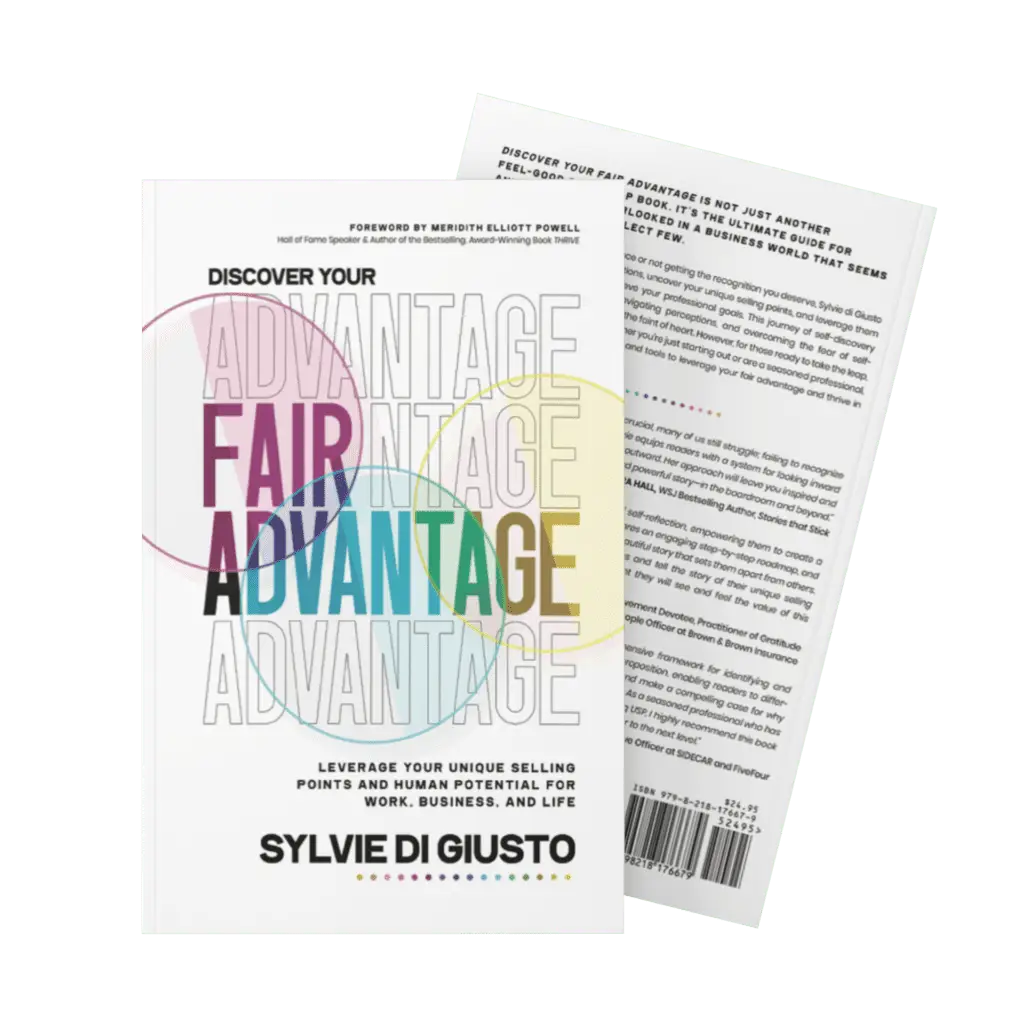
Discover Your Fair Advantage
When you feel overlooked, the first job is to see your own value clearly. Discover Your Fair Advantage is part book, part workbook, with hundreds of questions that help you uncover the strengths that set you apart, including the ones you stopped noticing.
Frequently asked questions
What should I do if my manager is not receptive to my concerns?
Keep documenting your contributions and look for other channels. A trusted mentor, a skip-level leader or HR may help, depending on your organization. Look for parts of your role that still give you fulfillment and visibility, and keep building allies who see your work. If nothing changes over time, that tells you something too.
Is feeling underappreciated a reason to change jobs?
It can be, but rarely as the first step. Start by advocating for yourself, asking for feedback, clarifying your role and exploring internal opportunities. If the pattern continues despite clear, constructive effort on your side, it may be time to look for a role or organization where your value is recognized.
How can I feel more appreciated at work without waiting for others?
Practice self-appreciation deliberately. Keep a record of your wins, set personal goals and measure your progress against them, share achievements with people who support you and celebrate milestones in small ways. Internal confidence makes you less dependent on outside praise, and it often changes how others see you as well.
How do I know if I am truly undervalued or just having a bad week?
Look for patterns over time rather than single moments. Consistent lack of feedback, repeatedly missed opportunities, an unequal workload, ignored ideas and unacknowledged wins point to a real problem. One overlooked email or a busy manager on a hard week usually does not. Write down what happens for a month, then decide.