Posting politics on social media costs more than half your audience
Posting about politics on social media rarely costs you just “half your audience.” It can make you look polarizing, less referable and less neutral to the people who recommend you, even those who agree with you. Likes, reposts and silence send signals too. Lead with universal values and conversation, not confrontation.
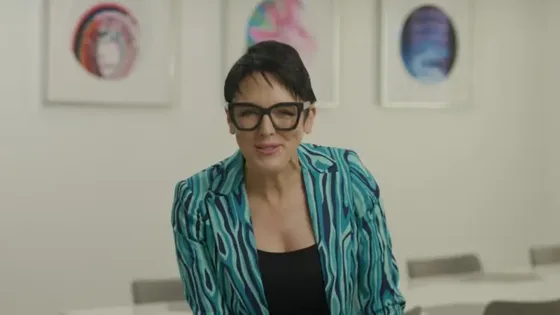
When I sat down with Brad Weisman on The Brad Weisman Show, it turned into a candid, energizing conversation about my personal and professional path. We covered a lot: the fear of public speaking in a second language, the future of keynote presentations, and the tricky place where politics and social media collide.
Brad asked the question many professionals quietly wonder about. Here is my answer, and a few things we talked about along the way.
KEY TAKEAWAYS
- Political posts create ripple effects well beyond lost followers. They can make you look polarizing or unreferable in your industry.
- Reposting, liking, following, even staying silent can all read as endorsements.
- The intent-impact gap is real: what you mean and what others hear can be miles apart.
- Focus on universal values, share what you are learning, and invite conversation instead of confrontation.
- Your unintentional digital footprint often speaks louder than your most polished statement.
- How you handle politics online is a leadership choice, and it shapes your reputation for years.
From corporate executive to international keynote speaker
We started by hitting rewind. Before I ever stepped on a keynote stage, I spent two decades in the corporate world, eventually leading the management academy of Europe’s largest retail and tourism company. Then life had other plans. My husband was offered a job in Philadelphia, and just days after our daughter was born, we packed up our lives and moved to the United States.
The transition was anything but smooth. I struggled with the thought of going back into the corporate world. Slowly, an idea took shape: what if I took everything I had learned and shared it from the other side of the stage? So I jumped. The first two years? Let us just say I learned by doing. A lot. With time, passion and persistence, things began to click. The job I left taught me everything. The job I created showed me why.
Is it true that political posts cost you half your audience?
If you know Brad, you know he is not afraid of tough questions. So at one point he asked me straight out: “Is it really true that if you post something political on social media, you risk losing half your audience?”
My answer might surprise you. “Only half” oversimplifies it. The reality is more complex and reaches much further. A political post does not just risk one segment of your audience. It creates a ripple effect. It can shift how you are seen in circles that value neutrality, and it can call your professionalism into question, not because of what you believe, but because of how publicly and passionately you express it.
As a professional speaker, I have seen firsthand how one social media post touching on politics can travel far beyond your followers. You do not only risk polarizing people who disagree. You risk becoming unreferable to peers who once championed your work, or to speaker bureaus who now see you as too risky to recommend. Even people who share your views may hesitate to book you, unsure whether you will bring that message onto their stage.
It is not about what you believe. It is about how that belief, once broadcast, affects your perceived neutrality, credibility and professionalism. Posting is not free. It comes with a reputational price tag.
What is the intent-impact gap?
Even well-meant posts get misread in the emotionally charged world of social media, especially when politics is involved. On platforms where speed and outrage beat nuance, context disappears with a single scroll. The gap between what you meant and what people perceive can be enormous:
- You share a post supporting a policy because you believe in its positive impact. Others read it as an endorsement of a broader, more polarizing agenda.
- You comment on a social issue to show empathy or solidarity. Someone else, with different lived experience, reads it as performative or out of touch.
- Even seemingly neutral phrases like “Do your own research” or a hashtag like “Freedom” carry very different meanings depending on who reads them. What you meant as a celebration of liberty, others may read as a political stance.
Digital platforms strip away tone, body language and context, so even your most thoughtful post can be misunderstood. That is the intent-impact gap: the story you think you are telling versus the one your audience hears, filtered through their values, assumptions and mood in that moment.
Recognizing it does not mean censoring yourself. It means pausing to ask: is this message clear, necessary and aligned with how I want to be remembered? Not watering down your values. Communicating them with care.
You own your words, but not their interpretation.
Is reposting political content really neutral?
Many people believe reposting someone else’s political content keeps them at a safe distance. To your audience, it is still a public endorsement. Sharing, even passively, signals alignment, and amplifying political content can have the same consequences as writing it yourself. And there are many quieter signals:
- Liking or reacting to posts with political messages.
- Following or unfollowing political figures.
- Using politically charged hashtags.
- Tagging others in posts that imply endorsement.
- Updating your bio or profile photo to reflect a movement or cause.
- Joining or promoting politically themed groups or events.
- Staying silent during a high-profile controversy, because depending on context and expectations, inaction is a statement too.
The digital breadcrumbs we leave, the likes, shares, reposts and silent nods, say as much about us as our carefully curated posts. This unintentional digital footprint, the one we do not even realize we are creating, is watched just as closely. Clients, collaborators and audiences observe constantly, and often it is that subconscious layer that tells the loudest story. You curate your credibility with e.v.e.r.y click.
How should professionals handle politics on social media?
Before you post, like or share, take a breath. Politics online is layered, emotional and often misunderstood. It is also manageable, if you approach it on purpose. Five strategies I have found useful:
Focus on universal values, not divisive views
Instead of specific political opinions, write about shared human values such as integrity, empathy, justice or resilience. They cross party lines and usually resonate more widely.
Start conversations, not confrontations
Ask thoughtful questions and invite discussion instead of declaring absolute positions. You can show what matters to you without alienating people who see things differently. Tone and context are everything.
Share your learning, not your leaning
Passionate about a topic? Share a book, podcast or article that opened your eyes, with a note on what you learned. It shifts the focus from telling others what to think to showing how you think.
Reinforce your brand, do not compromise it
Every post adds to your personal brand. Ask yourself: “Would I be proud to see this on a conference screen next to my name?” If not, it belongs in the drafts.
Lift up, do not stir up
Amplify stories and causes that match your values without turning them into battlegrounds. You can use your voice with force and professionalism at the same time.
Handling politics online is not about staying silent. It is about being smart. You do not have to weigh in on every trending topic to show leadership or values. You have to be consistent, thoughtful and aligned with the reputation you want. People are always watching, and remembering. Sometimes the strongest impression comes from choosing wisely when and where to speak, or not to speak at all.
What else did Brad and I talk about?
Politics was the hot topic, but far from the only one. We also dug into what it means to lead, to grow and to show up fully while the professional world keeps shifting.
My accent
We talked about how my accent went from barrier to strength. For years, I thought it would hold me back, especially sitting next to eloquent political experts and polished media personalities. Then a television producer told me that my clear, simple way of explaining things was exactly why they invited me. It cut through the noise and made complex topics accessible. That moment rewired how I saw myself, and how I embraced what makes me different.
The psychology of first impressions
We explored the invisible decisions people make about us before we finish a sentence, and the “lazy brain” that judges quickly based on past experiences and biases. I shared why we remember the beginning and the end of an experience more vividly than the middle, and why some leaders catch the “CEO disease,” the dangerous illusion that feedback becomes optional once you make it to the top. Spoiler: it does not.
Reinvention
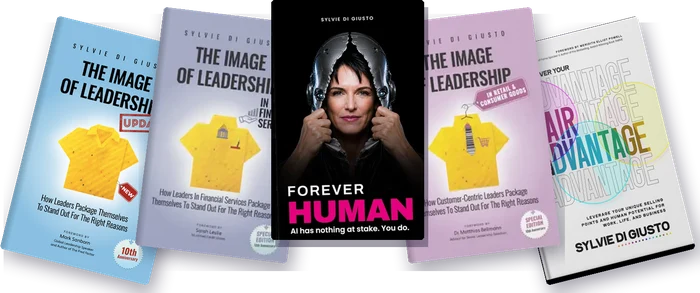
I explained why I updated The Image of Leadership with ten special editions for different industries, and why my leap into immersive 3D keynote technology was a strategic decision, not just a creative one. Staying relevant is not about being flashy. It is about being intentional.
Responsibility on stage
Every keynote, to me, is a moment where I borrow time from someone else’s life. I do not take that lightly. When someone sits down to listen, my goal is not only to inform or entertain. It is to honor their time with something useful, meaningful and, hopefully, unforgettable.
Choice
In the end, every topic we covered, social media, accents, relevance, came back to intentional decisions. You always have a choice in how you show up, what you say and the impact you leave behind. It is the idea at the heart of my keynote The Power of Choice, and it is a responsibility, not a tagline. Every decision either builds your legacy or borrows from it.
About Brad Weisman and The Brad Weisman Show

Brad Weisman is more than a real estate expert. He is a storyteller, a community leader and the voice behind The Brad Weisman Show, a podcast about the stories that shape people, careers and communities. He has a talent for asking the questions others will not, and his conversations go well beyond the surface.
Whether he hosts CEOs, creatives, entrepreneurs or thought leaders, his mission is to uncover the “why” behind the person. The show blends insight with entertainment, with real talk, practical takeaways and the occasional curveball question that reveals the heart of the story. Mine included.
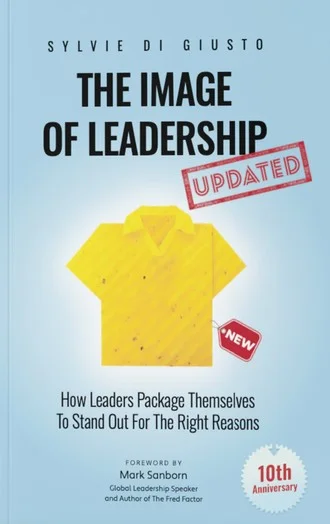
The Image of Leadership
Your digital footprint is one of the five signals I write about in The Image of Leadership, including the likes and reposts you forgot about. The book, now in ten special industry editions, shows how to make that signal work for the reputation you want.
Frequently asked questions
Should professionals post about politics on social media?
It depends on your role, your audience and how much reputational risk you can carry. For most professionals who rely on referrals, clients or bookings, explicit political posts carry costs beyond lost followers. Many choose to express values such as fairness or integrity instead of partisan positions, and to discuss politics in private conversations.
Can liking or reposting a political post hurt my reputation?
Yes. To your network, a like, repost or follow often reads as an endorsement, even if you only meant to share something interesting. These small actions build your unintentional digital footprint, and clients, employers and peers notice them. Before you engage, ask whether you would stand behind the post as if you had written it.
What is the intent-impact gap on social media?
It is the difference between what you mean when you post and how others interpret it. Online, tone, body language and context disappear, and readers filter your words through their own values and emotions. A post meant as support or empathy can be read as partisan or performative, so clarity and care matter more than ever.
How can I share my values online without being divisive?
Focus on universal values like integrity, empathy and resilience, ask questions instead of declaring positions, and share what you are learning rather than which side you lean toward. Amplify causes you care about without attacking people who disagree. Consistency over time says more about your values than any single post.