One word for the year beats a list of resolutions
Choosing one word for the year, or a short theme, gives you a personal compass instead of a list of resolutions. It works because it combines mindfulness, which pulls you out of autopilot, with intention, which steers your subconscious. Pick it slowly, keep it realistic and put it where you will see it every day.
Depending on when you read this, you may have just ushered in a new year, or you are gearing up for the next one. Either way, it is the season when many of us pick a word or a theme for the year ahead. I do not see it as a quaint ritual. It is more like setting the GPS for the year: not only where you are headed, but how you choose to get there.
For me, this practice has been a cornerstone for years. “People or Purpose” reminded me daily of my strong people-pleasing tendencies. “I’m in Love with My Future,” one of my all-time favorites, colored every day with optimism and excitement about what was ahead. “Back to Work” was a nod to the collective struggle after the pandemic. And “Grateful Beyond Measure” reminded me every day of countless blessings. (That one stuck so well, it now lives in my bio.)
Why does it matter, at least to me? A yearly word or theme gives me focus and direction, an anchor in a vast sea of possibilities. It helps me set goals, grow personally and professionally, simplify decisions, align my actions with my values and keep sight of the bigger picture.
Then again, you might ask: is this just another fleeting trend? Does it chain us to unrealistic expectations? Let’s look at why it works, and how to do it well.
KEY TAKEAWAYS
- A word or theme for the year is a compass, not a resolution: it guides decisions instead of tracking pass or fail.
- It works through mindfulness, which breaks autopilot, and intention, which programs your subconscious.
- Reflect deeply, stay realistic and personal, and avoid themes that are grandiose, trendy or negative.
- The biggest risk is “set it and forget it.” Daily visual reminders keep the word alive.
- A good theme can be a question. Mine for 2024 was “What on earth are you chasing?”
Why does choosing a word for the year work?
Psychologically, choosing a word or theme is grounded in two things: mindfulness and intention. Both are rooted in how our brains work.
Mindfulness: switching off autopilot
Many of our daily actions and decisions happen almost automatically, without conscious thought. Mindfulness interrupts that pattern by bringing attention to the present moment. It engages the conscious mind: we notice our thoughts, our feelings, our surroundings. We move from reflex to deliberate choice.
That awareness is crucial when you choose a theme for the year. It connects you with your true intentions, desires and values, so you consider what really matters instead of grabbing something quick and superficial.
Intention: drafting your blueprint
Your subconscious mind shapes much of your behavior and decision-making. It is constantly at work, interpreting and reacting to situations based on past experience and learned behavior. Less deliberate thought, more instinct.
Setting an intention is like programming that subconscious mind and steering your thoughts and actions toward your chosen focus. It is more than a conscious decision. It aligns your deeper, often unspoken desires and beliefs with your conscious goals.
A resolution asks whether you succeeded. A word for the year asks who you want to be while you try.
How do you choose your one word for the year?
Choosing a word or theme has become a popular alternative to New Year’s resolutions, which tend to be forgotten by February. It goes beyond goal setting and defines a personal compass for your decisions, actions and mindset throughout the year. Picking the right one is more than a whimsical exercise: it has to balance dreams with reality and aspirations with action.
What to do
- Reflect deeply. Spend time in introspection to understand what truly matters to you.
- Align with your goals. Make sure the word fits your personal and professional objectives.
- Be realistic. Choose a theme that is achievable and fits your current life.
- Seek inspiration. Books, art, nature and mentors are full of ideas.
- Write it down. Document your thinking and your final choice to make the commitment real.
- Stay flexible. Be open to adapting your theme as the year and your circumstances change.
- Share it. Tell friends or colleagues for perspective and accountability.
What not to do
- Don’t rush. A hasty decision without reflection rarely lasts.
- Don’t overreach. Avoid themes so grandiose they become unattainable.
- Don’t follow trends blindly. Popular is not the same as personal.
- Don’t ignore relevance. If it does not resonate with your values, it will not guide you.
- Don’t set it and forget it. A word that never shows up in your daily life is just a word.
- Don’t ignore your intuition. Your gut often knows which theme is right.
- Avoid negativity. Skip themes that encourage a negative mindset.
How do you keep your word for the year alive every day?
You know how this goes. Daily life pulls hard, and even the best intentions fade behind urgent demands. Life can change in milliseconds: a sudden work crisis, a personal challenge, global events. Your focus shifts, and the compass ends up in a drawer.
The answer is to build reminders into the fabric of your everyday life, so your word stays in practice and not just in memory:
- Custom phone wallpaper featuring your word or theme.
- A screen saver on your computer or TV that displays your word, or images that represent it.
- Calendar reminders that prompt you each morning to reflect on it.
- A custom journal with your word printed on the cover, if you love journaling.
- A bookmark with your word, which you see every time you read.
- Themed artwork you create or buy as a visual reminder at home or at work.
- Personalized stickers for your laptop, notebook or car dashboard.
- Accessories such as a bracelet or pendant that names or symbolizes your theme.
- Your email signature, if appropriate. It reminds you and shares the idea with others.
- Social media: use your theme as a hashtag, or post monthly about how you are living it, if you want to share.
What was my theme for 2024?
You might be wondering what I chose for 2024. Do you? Really? All right.
My theme came out of a deeply thought-provoking experience at the Trusted Leader Summit, where I had the honor of speaking and attending. One moment stood out among many insights. A CEO talked about his last conversations with his father in hospice. When he shared some of his usual worries about work, his father asked him one question:
“What on earth are you chasing?”
The question stayed with me, and so did the way the CEO presented it, inviting us to stress a different word each time we ask ourselves:
- “WHAT on earth are you chasing?”
- “What ON EARTH are you chasing?”
- “What on earth are YOU chasing?”
- “What on earth are you CHASING?”
Each version hit me differently, and I realized I did not have clear answers to all of them. So 2024 became my year to find those answers: an exploration of what I am really seeking, professionally and personally. A year for clarity and purpose.
I hope it sparks a similar search for you. Whether you have chosen your word already or are still looking, may it lead to meaningful reflection and purposeful action. And if your year needs a little extra courage, read how intentional choices help you reach your potential and how to overcome self-criticism.
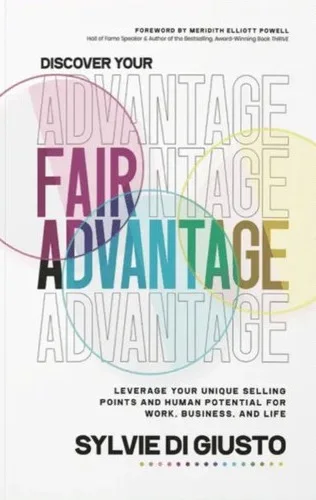
Discover Your Fair Advantage
Choosing your word for the year starts with knowing yourself. Discover Your Fair Advantage walks you through ten steps from self-awareness to self-actualization, a good companion when you want your year to reflect what truly sets you apart.
Frequently asked questions
What is a word for the year?
It is a single word, or a short theme, that you choose to guide your decisions, actions and mindset for the next twelve months. Unlike a resolution, it is not pass or fail. It works as a compass you return to whenever you need to decide what deserves your time and energy.
How do I choose my word for the year?
Reflect on what truly matters to you, look at your personal and professional goals, and test a few candidates against your values. Choose something realistic and personal, not trendy or grandiose. Write down why you chose it, share it with someone you trust and stay open to adjusting it as the year unfolds.
Is a word for the year better than a New Year’s resolution?
For many people, yes. Resolutions focus on a single outcome and are often abandoned after a few weeks. A word or theme is broader and more flexible, so it still applies when life changes. It combines mindfulness and intention, which makes it easier to live by every day.
How do I remember my word throughout the year?
Make it visible. Use it as your phone wallpaper or screen saver, set a daily calendar reminder, put it on a journal, bookmark, sticker or piece of jewelry, or add it to your email signature. The more often you see it, the more it shapes your choices.