AI is pulling workplace behavior in two directions
AI is changing workplace behavior in two directions at once. It makes people more informed, connected, curious and confident in their decisions. It can also make them less reflective, less patient and less accountable, because instant answers replace deeper thinking. The leader’s job is to grow the “more” without letting the “less” take over.
Artificial intelligence no longer just helps with the boring tasks. It is shaping how we interact and work with each other. As the tools evolve, they automate processes and also rewire workplace habits and team dynamics.
For leaders, HR teams and anyone who works with other humans, understanding that shift matters as much as understanding the technology.
KEY TAKEAWAYS
- AI takes over routine work so people can focus on strategic thinking and meaningful interactions.
- Personalized tools help employees learn, grow and make data-informed decisions with confidence.
- AI-powered learning platforms and VR simulations are changing how people build skills.
- Instant answers can erode reflection, patience and accountability if nobody pays attention.
- Organizations must address the ethical side, from privacy concerns to algorithmic bias.
- Balancing technology with human values keeps AI from diminishing collaboration.
How does AI change what employees spend their time on?
AI is no longer a futuristic concept. It is woven into daily operations, and it changes how employees deal with technology and with each other. Companies use it to streamline tasks, shrink the mundane workload and free people for more strategic work.
What used to take hours of manual data entry and spreadsheet reconciliation now takes minutes. People move from repetitive admin to analyzing the data and building the plans that grow the business.
Customer service teams that used to field simple questions all day now let chatbots handle the routine ones, which frees them for the conversations that build loyalty and trust.
But the influence goes far beyond efficiency. AI is redefining what it means to work together well. As AI takes on the mundane, the real question is whether humans will rise to the strategic.
How is AI changing workplace behavior for the better?
So what does this mean for how we behave? AI opens new opportunities and pushes people to adapt in ways they did not expect.
It makes professionals more informed, more connected and more confident in their roles. Personalized tools offer insights that help them grow. Immersive learning platforms make skill-building more dynamic.
AI-powered virtual reality training lets employees practice difficult scenarios, such as conflict resolution or technical procedures, without real-world risk, which builds confidence and expertise.
Collaboration platforms with built-in AI schedule meetings based on availability, summarize discussions and even assign action items, which keeps remote and hybrid teams connected.
Real-time feedback tools let people adjust as they go, so performance reviews become a continuous, growth-oriented conversation instead of an annual formality.
All of this feeds curiosity and pushes people beyond their comfort zones. The same reliance on AI, however, brings its own risks. People can become less reflective, less patient and less accountable when instant feedback and convenience crowd out deeper thinking and long-term strategy.
Are we shaping AI to complement us, or letting it shape who we become?
What is the downside of AI for human behavior at work?
When convenience and instant answers become the norm, people lean on technology a little too hard, and the reflective, deliberate qualities that long-term success depends on start to fade. Three traits are especially at risk.
Less reflection
Instant answers and predictive analytics can discourage deeper critical thinking. Instead of exploring several approaches or brainstorming creative solutions, employees may simply accept the AI recommendation without questioning its assumptions. That stifles innovation and produces decisions without nuance or originality. Over time, the habit of pausing to consider broader implications or other perspectives erodes, and teams settle for surface-level solutions.
Less patience
Chatbots and predictive tools set an expectation of instant results. People used to quick answers struggle when a situation needs time and perseverance. A sales team that uses AI to prioritize leads may grow frustrated when a high-value client needs a longer engagement to build trust. That impatience gets in the way of real relationships and leads to rushed decisions that trade quality for speed.
Less accountability
When algorithms make predictions and recommendations, the lines of responsibility blur. People defer accountability and credit or blame the system instead of their own actions. A project manager who relies on an AI scheduling tool may not take ownership when misaligned priorities cause delays, and point at the technology instead of the human miscommunication behind it. That diffusion of accountability undermines trust and integrity inside teams.
For organizations, this is the crucial insight. AI is a technological advantage and a cultural transformation at the same time. Only when you treat it as both can technology complement human ingenuity instead of replacing it, and help people reach their potential without sacrificing the traits that make them human. AI gives us more power to act. The question is whether we are losing the power to think. I explore that risk further in what happens if you rely on AI too much.
How can leaders balance the “more” and the “less”?
AI is reshaping workplace behavior in ways that are both encouraging and challenging, a duality of “more” and “less” that organizations have to handle thoughtfully.
Access to AI tools makes employees more informed, more selective and more curious about their roles. Dashboards and predictive insights help them take ownership of their tasks and decide with confidence. At the same time, instant solutions and automation can make people less focused and less patient. The urgency that comes with AI’s speed can erode the depth of communication, strategic thinking and accountability every healthy workplace needs.
The key for leaders: lean into the “more” without letting the “less” crowd out human connection. Protect time for reflection. Make ownership explicit, even when a tool made the suggestion. And reward the patience that builds relationships, not only the speed that closes tickets.
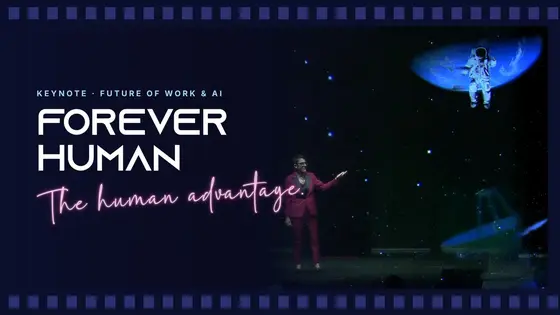
For the full picture, read artificial intelligence vs human intelligence and how AI is rewiring our patience. If your organization is preparing its people for what comes next, have a look at my keynote Forever Human and my future of work keynotes.
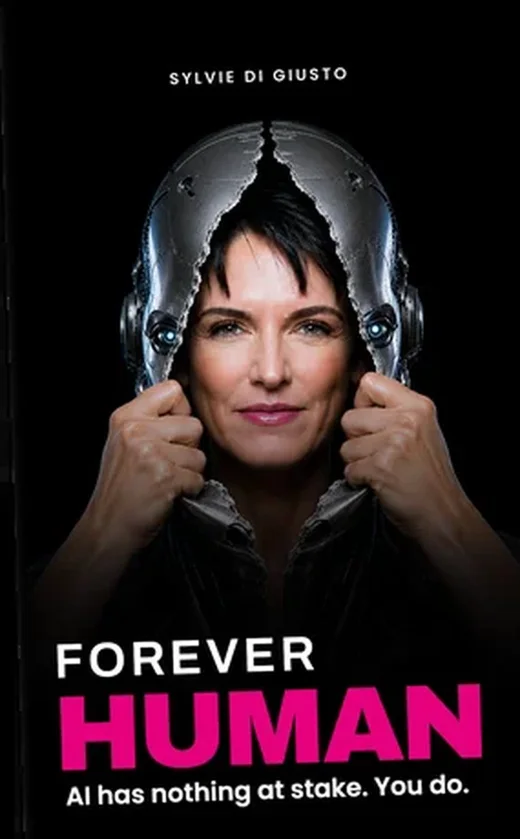
Forever Human
Reflection, patience and ownership are exactly the behaviors that fade when machines answer everything instantly. My book Forever Human is about keeping them alive on purpose, in yourself and in your teams.
Frequently asked questions
How is AI changing workplace behavior?
AI is making employees more informed, connected and curious, with personalized insights, AI-supported learning and real-time feedback. At the same time, instant answers can make people less reflective, less patient and less accountable. The overall effect depends on whether leaders deliberately protect thinking time and ownership.
What are the negative effects of AI on employees?
The main risks are weaker critical thinking when people accept AI recommendations without questioning them, impatience when results are not instant, and blurred accountability when outcomes get blamed on the system. Privacy concerns and algorithmic bias add ethical risks that organizations need to address openly.
How can leaders keep employees accountable when using AI tools?
Make ownership explicit: a person owns every decision, even when AI made the recommendation. Ask teams to explain the reasoning behind AI-supported choices, review mistakes as human decisions rather than tool failures, and reward thoughtful judgment as much as speed. Accountability fades when nobody is named.