Why do cultural differences in the workplace affect first impressions?
The first step toward understanding the impression you make is to understand the cultural biases you carry yourself. Then understand the cultural environment you are walking into, and the biases of each person you may meet.
I grew up mainly in France and Austria, and life and work brought me to the United States. Yet I work with people from all over the world. It is complex. But only once you understand your own biases and reactions can you understand how others are culturally biased, and what matters to them.
Let’s get practical. Knowing what to wear to a business meeting is not a cookie-cutter dress code question. It depends on where the meeting takes place and who will attend, possibly from all over the world. Or take greetings: you do not want to walk in with your hand out for a handshake when the other person comes from a culture that does not touch. And you do not want to order alcohol at a business dinner with someone whose culture or religion frowns upon it.
When you show others that you care about and respect their culture, you gain their respect in return.
It also shows that you took the time to prepare, and that you adjusted your appearance, behavior and communication to honor both cultural identities, theirs and yours.
9 questions to ask before you meet someone from another culture
Before your next encounter with a professional from another part of the world, work through these questions.
1. Greeting and introductions
How do I address them? What would come across as inappropriate? In many Asian cultures, for example, touching each other when greeting is considered inappropriate. Also think about titles and how important it is to use them when you address someone.
2. Dress code and attire
What is the dress code? How do people in this culture dress at work, and how does that differ from what you usually wear? What religious values shape attire in the region? Think about how to adapt your outfit, not by abandoning your own culture and identity, but by honoring their values alongside your own.
Be careful, though, about borrowing pieces of their traditional wardrobe as a nice gesture. It can easily backfire, because you are not part of their culture.
3. Terminology
Which business terms are useful, and which could be harmful? Which words in your everyday vocabulary have double meanings that could insult someone from another culture? Are there terms you need to know before the conversation starts?
4. Time etiquette
This one is incredibly important. How do they perceive time? Is arriving early rude? Is arriving on time already late? What are their working hours, and how fast do they work? Every culture handles time differently, and if you get it wrong, you can come across as offensive or disorganized.
5. Meeting culture
How do they organize meetings? If you run tightly structured meetings and they find that rude, you may need to slow down. Do they prefer an agenda or a looser format? How do they use technology in meetings? What is their typical presentation style? If they prefer collaboration, be ready to contribute throughout. Research this before you build a presentation that may not land.
6. Leadership style
Speaking of collaboration, look at their leadership and team culture. How do they delegate? How do they handle conflict? How do they share information within teams? Understanding how they work with each other helps you work better with them.
7. Politics and economics
What is the current political and economic climate in the region? Are there laws or regulations you should know? You do not want to step on a landmine because you skipped the basics.
8. Culture and lifestyle
Knowledge might not be power, but it usually helps to impress. Are there historic events you should know about? What does the education system look like? What is the typical lifestyle, which are the major cities, what are the geographic influences? How open is the culture regarding diversity, gender, race and sexuality?
9. Social etiquette
Finally, the topics that get uncomfortable fast when handled wrong. Your sense of humor. Whether guests are expected to bring a small gift. Who picks up the bill at a business lunch or dinner. Which dietary restrictions to be aware of ahead of time.
Can you ever get cultural differences completely right?
Honestly? No. You need to answer all of these questions about the people you are going to meet, in the environment where you will meet them, and you need to answer them for yourself too. That is a lot to ask. You will never be right in every possible way, and you will never make a perfect impression on everyone, wherever they are from.
But a total lack of awareness can certainly lead to bad first impressions and poor decisions. Cultural awareness reduces that risk and raises your chances of making a strong impression from the very first moment.
Resources I have enjoyed reading and using
- So You’re an American? A guide to answering difficult questions abroad (US Department of State)
- Country Navigator
- The Kiss, Bow, or Shake Hands series: the guide to doing business in more than 60 countries, Sales and Marketing, Europe, Asia and Latin America
I hope to see you again in my next article, or somewhere around the world, exploring the cultural background of someone amazing, just like you.
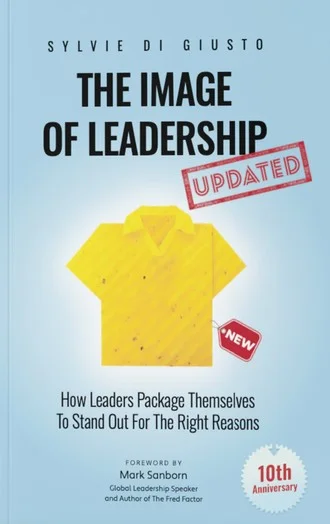
The Image of Leadership
How you dress, greet, communicate and show up online sends a different message in every culture. The Image of Leadership walks you through all five dimensions of how leaders are perceived, so you can present yourself well in any workplace, wherever in the world it is.