Why look for handshake alternatives at all?
On top of cultural differences, the pandemic added health concerns to the traditional handshake. And remember, those concerns can be yours or someone else’s. You may not be ready to shake hands. Or you are, and the other person is not.
What has not changed: you should never make yourself or anyone else feel uncomfortable. With that goal in mind, here is a simple three-step greeting.
3 handshake alternatives that work in any professional setting
1. Verbal acknowledgment
First, just say hello. A simple verbal greeting. Want to impress even more? Find out where the person is from and greet them in their language. A simple “Guten Tag,” “Bonsoir,” “Ciao” or “Ni hao” signals instantly that you did your homework, that you came prepared and, most importantly, that you care. Even if your pronunciation is not perfect, it is a small gesture with a big effect.
2. Smile genuinely
Next, smile, genuinely and invitingly, while you say hello. How we feel in a first encounter depends a lot on whether the other person seems authentic and pleasant. A smile is a strong signal for both, and it lightens the mood from the very start. It also shows confidence, happiness and friendliness, all the things we want to project when greeting someone.
What if you are wearing a mask and nobody can see your smile? A real, authentic smile may start at your lips, but it also involves your eyes. It lifts your cheeks so the skin around your eyes crinkles, the good kind of crinkles. I wrote more about communicating with a face mask here.
3. Use your hands, differently
Finally, and most importantly, signal with your hands that you are not offering a handshake, and not expecting one either. Fold them over your heart, or use them to wave. Both tell people that physical touch is not on the table. Skip the handshake, and keep your greeting to a personal hello, a big smile and clear body language.
Shaking hands is not vital to a first encounter. Making people feel comfortable is.
What about fist bumps, elbow bumps and other alternatives?
Yes, I know plenty of other alternatives are circulating. Here is the problem with them:
- Fist bumps and elbow bumps. You still touch the other person, and you cannot do it from six feet away. Also, people sneeze and cough into their elbows.
- The “live long and prosper” salute, the peace sign or other hand signals. Others may not know what they mean, or they may mean something completely different in another culture.
- Blowing kisses or a cute wink. In a professional setting, they easily come across as inappropriate, overly casual or simply awkward.
Does skipping the handshake make you look less professional?
No. Avoiding handshakes does not make you less of a professional or less of a leader. You can still step into your leadership potential and make a strong first impression with a greeting that involves no touch at all. The unspoken truth is that shaking hands is not vital to a first encounter.
For more on what people read in those first seconds, see examples of first impressions that sell and why remembering names still beats any greeting ritual.
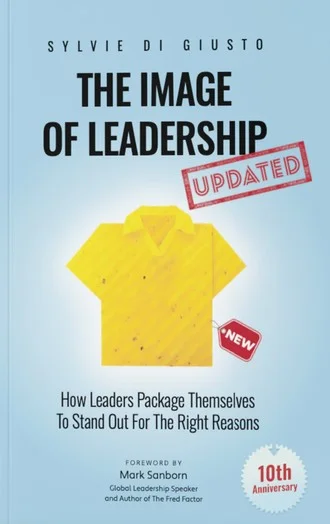
The Image of Leadership
A greeting is behavior, and behavior is one of the five signals I write about in The Image of Leadership. The book shows you how etiquette, attitude and body language shape how people see you as a leader, long before the conversation starts.