How to write about yourself without sounding arrogant
How to write about yourself without sounding arrogant: open with something only you could say, show what sets you apart through specific stories, frame achievements as challenge, action and result, and write the way you speak. Confidence states the facts. Arrogance asks for applause.
Your professional story is more than a list of accomplishments. It shapes how others perceive you. Whether you are writing a LinkedIn bio, an introduction for an event, an author profile, a social post or an About page, how you present yourself matters.
The challenge is balance: highlighting your expertise and achievements while keeping your tone authentic, engaging and, above all, human. So how do you write about yourself without turning it into a sales pitch?
KEY TAKEAWAYS
- Your opening line is your first impression in writing. Make it impossible to swap with anyone else’s.
- Show what sets you apart, not the credentials everyone in your field has.
- Stories and specific details make you memorable. Adjectives do not.
- Frame achievements with the challenge, the action and the result, so they inform rather than boast.
- Write in your own voice, first person where you can, and tailor it to each platform.
- Use AI for structure and ideas, never for your story.
How to write about yourself: start with an engaging introduction
Think of your introduction as your first impression in written form. Just like in conversation, the opening lines should make the reader want to know more.
“I am a results-driven professional with X years of experience” will not do it. Step beyond the résumé bullet points: what drives you, what excites you, what makes your work meaningful. Consider opening with:
- A brief but meaningful personal story related to your work
- A bold statement or a provocative question
- A one-liner that sums up your professional philosophy
- The moment you realized your passion for what you do
For example, instead of “I have been in marketing for over a decade,” try: “At 12, I designed my first ad campaign for a lemonade stand, and I have not stopped telling stories since.”
A strong introduction does not just tell people who you are. It makes them care.
How to highlight what makes you unique
Most professional bios follow the same formula: credentials, job titles, generic soft skills. The problem is that they do not differentiate you. If you want to stand out, focus on the quirks, experiences and perspectives only you bring to the table.
In my book Discover Your Fair Advantage, I guide readers through identifying their 15 unique selling points. For now, start by reflecting on:
- What are the defining moments in your career?
- Which problems do you solve better than anyone else?
- Which core values drive the way you work?
- Which unconventional skill, habit or trait shaped your success?
Then bring them to life with examples. Instead of “I am a strategic thinker,” tell the story of how your strategic thinking led to a breakthrough. Specificity makes you credible and memorable.
If your bio could describe a hundred other people, you are hiding what makes you different.
Use descriptive language and details
Robotic bios do not engage anyone. Vivid writing does. Choose words that help your reader picture your impact instead of just reading about it. Instead of “I led a successful product launch,” try “I orchestrated a product launch that shattered sales projections within three months.” Instead of “I am passionate about leadership,” try “I thrive on helping teams turn big ideas into reality.”
Descriptive writing does not mean more words. It means better words.
How to write about your achievements without sounding boastful
Your accomplishments matter, but how you present them makes all the difference. A bio that reads like a highlight reel of accolades feels impersonal, even arrogant. Instead, make your achievements part of your larger story:
- Make it relatable: share the story behind the result.
- Show the impact: who benefited, and what changed?
- Be specific: numbers and concrete results add credibility.
I call this the XYZ method: break each achievement into the challenge, the action and the result. Instead of “I received the XYZ Industry Award,” try “I received the X Industry Award from Y Organization for improving Z, which resulted in [specific impact].” Readers understand the why and the how, and the achievement inspires rather than shows off.
Confidence is stating your achievements. Arrogance is demanding applause for them.
End with a strong closing statement
A great bio does not just start well. It leaves a lasting impression. Your final lines should reinforce your key message and give readers a reason to remember you:
- Tie back to your core message: “At the heart of everything I do is helping people turn ideas into reality.”
- End with a call to action: invite readers to connect, visit your website or reach out.
- Leave a thought-provoking line: “I believe the best leaders are not the ones with all the answers, but the ones who ask the right questions.”
- Use a personal sign-off where the platform allows it: “Excited for what is ahead. Let’s connect!”
Leave them with a thought, not a question mark.
Stay authentic and honest
Authenticity is the glue that builds trust with your reader. People do not want a list of accomplishments. They want to see the person behind the words. Do not bury your voice under corporate jargon or press-release phrasing.
Instead of “I am a dynamic, results-driven leader with a proven track record of spearheading innovative solutions that optimize business performance,” try “I love solving tough problems, especially the kind that make people’s jobs easier. Over the years, I have led projects that helped teams work smarter, and that is what fuels me every day.”
Nobody relates to a perfectly polished version of you. People connect through honesty: the wins, the lessons, the setbacks that made you stronger. If your story does not sound like you, neither will the opportunities it attracts.
Common mistakes when writing about yourself
- Being too vague. “A dedicated professional with a passion for success” says nothing. Give concrete examples.
- Overloading with jargon. Buzzwords sound impressive and tell no story. Keep your language natural.
- Using the third person when you do not have to. “John is a results-driven professional” feels distant. First person is more approachable, unless the setting is formal.
- Making it too long. Your bio is not an autobiography. Keep the highlights that truly define you.
- Living in the past. Connect your history to who you are now and where you are headed.
- Writing a wall of text. Use short paragraphs, bullets or sections so it is easy to skim.
- Using clichés. “Detail-oriented” and “passionate” are invisible. Show those qualities in action instead.
- Over-explaining job titles. Highlight what made a role meaningful, not every role you held.
- Using one bio everywhere. LinkedIn, an event introduction and your website each need their own tone.
- Being overly modest. Fear of arrogance makes many people undersell themselves. Own your achievements with clarity and humility.
The biggest mistake of all? Trying to sound like someone else.
Personal vs. professional: finding the right balance
How much of your personal life belongs in your bio? Here is how to strike the mix:
- Consider your audience. A corporate LinkedIn bio may call for a more formal tone than your personal website.
- Connect personal details to your work. “My love for problem-solving started when I built my first computer at age 10” fits a tech career.
- Avoid oversharing. Open and relevant beats open and random.
- Show personality through style. Your word choices can make you human without a single personal anecdote.
- Let your passions show: a cause, a hobby that shapes your work, a value that guides you.
All business, and you sound like a robot. All personal, and you sound like a reality show. Find the balance.
How to use AI to write about yourself without losing authenticity
Many people now turn to AI for their bios, LinkedIn summaries and About pages. Can it capture who you are? Maybe, but only if you use it wisely and do not overuse it:
- Brainstorm with AI, write yourself. Let it suggest ideas and structure. Your story comes from you.
- Rewrite AI text in your voice. It tends to sound formal and generic. Edit until it sounds like something you would say.
- Add what AI cannot know: your experiences, values and ambitions.
- Fact-check everything. AI misreads context and invents details.
- Enhance, do not replace. The best bios still carry a human touch no algorithm can replicate.
The problem is not AI. It is letting convenience replace creativity.
Own your story, or someone else will
Your story is your narrative, your personal brand and your chance to shape how the world perceives you. If you do not take control of it, someone else will write it for you. Do not just list facts or repeat your résumé. Write so people see you, understand you and remember you. The most compelling stories are not about proving your worth. They are about owning who you are, on purpose.
For the bigger picture, read the myths and truths of branding, image and reputation, or see how to handle the other side of the stage in introducing a presenter.
Further reading: Writing about your strengths without sounding arrogant and 13 mistakes to avoid while writing your bio.
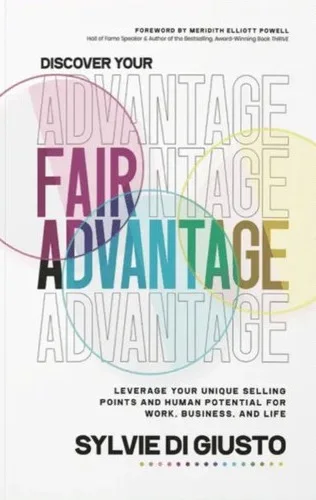
Discover Your Fair Advantage
Writing about yourself gets easy once you know what actually sets you apart. In Discover Your Fair Advantage, I walk you through finding your 15 unique selling points, the experiences and perspectives your bio should be built on, so you stop competing on the same lines as everyone else.
Frequently asked questions
How do I write about myself if I do not have many accomplishments?
You do not need awards or decades of experience. Focus on your perspective, your values, the skills you use every day and the journey that shaped you. One specific story about how you solved a problem says more than a list of titles. Everyone has a story worth telling.
Should I write my bio in the first or third person?
Use the first person wherever the platform allows it, such as LinkedIn, your website or social profiles. It sounds approachable and confident. Keep a third-person version for formal settings, like conference programs, press releases or a speaker introduction someone else will read aloud.
Can I use humor when writing about myself?
Yes, if it fits your brand and audience. A light touch makes a bio memorable and relatable. Use it sparingly where credibility is key, and make sure the joke supports your message instead of replacing it.
How do I mention a career change in my bio?
Connect the dots. Show how the skills and experience from your previous career apply to your new field, and say what inspired the shift. A career change told as a deliberate choice reads as strength, not as starting over.