The attitude of a leader is visible before any decision
The attitude of a leader is a positive, resilient and self-aware way of approaching work and people: passion for the cause, confidence in decisions, openness to learning, and the willingness to take risks, own mistakes and put others first. It is why people follow someone, with or without a title.
“Leader” and “manager” are often used as if they meant the same thing. They do not. A leader motivates and inspires others toward a common goal, in a formal or informal setting. You do not need a management position to be one. Quite possibly you are a leader already, even without a title that says so.
Leaders tend to see the big picture, while managers focus on day-to-day details. Leaders earn trust and respect. Managers have authority, which is not always the same thing. In the end, a leader is someone others are willing to follow because they believe in the vision.
KEY TAKEAWAYS
- Leadership is not a title. It is an attitude others are willing to follow.
- Good leaders share passion, confidence and a constant willingness to learn.
- You can develop the right attitude through self-awareness, empathy and resilience.
- Leaders are always in the spotlight, so their attitude shapes how they are perceived.
- The attitude shows in daily habits: owning mistakes, giving credit, listening, staying calm.
- Balance matters: build your ego and know when to put it aside.
The different attitudes that make up a good leader
An effective leader needs the right attitude, the attitude of a leader. That means a positive outlook on life and work and the ability to see the best in people and situations. Leaders with the right attitude are optimistic and resilient, motivate and inspire others, handle adversity constructively and become role models for the people they lead. A high level of emotional intelligence makes that attitude possible.
Some people are born with a natural ability to inspire. Others learn it over time. Either way, a few core attitudes show up in every good leader.
Passion. Good leaders care deeply about their field or cause. They know what they want to achieve and why it matters, and that passion inspires others to follow.
Confidence. They trust their abilities, their decisions and their gut, and they are not afraid to take risks. Confidence is contagious and builds trust within the team.
A learning mindset. They know there is always room to improve, and they are never afraid to ask for help or feedback.
A leader is someone others are willing to follow because they believe in the vision, not because of the title on the door.
How to develop the right attitude of a leader
There is no magic bullet. There are a few things that raise your chances considerably.
First, know your own biases and values. Self-aware leaders manage their emotions and their reactions to stress far more effectively. Second, learn to see things from other people’s perspectives. Empathy builds trust and credibility. Third, be resilient. Leaders who bounce back from setbacks are the ones still standing in the long run.
Keep these three in mind, and you build the attitude that success as a leader requires. It is also exactly what I work on with teams in my leadership keynotes.
What does a leader with the right attitude look like?
Good leaders come in all shapes and sizes. One quality they share is a positive attitude. It lets them see the glass half full, stay optimistic when things get hard and inspire the people around them to do the same.
Leaders with a positive attitude also understand that failure is part of the path to success. They treat setbacks as learning opportunities and come out of them stronger. Attitude is not everything, but it colors everything else.
What it means to have an attitude of a leader
With great power comes great responsibility. A line from a superhero movie, and still true in business. Leaders work hard and make important decisions, and they also have to think about how others perceive them. In the spotlight, you are open to judgment, and every move shapes your reputation. Here is what the attitude looks like in daily practice.
011. Take risks
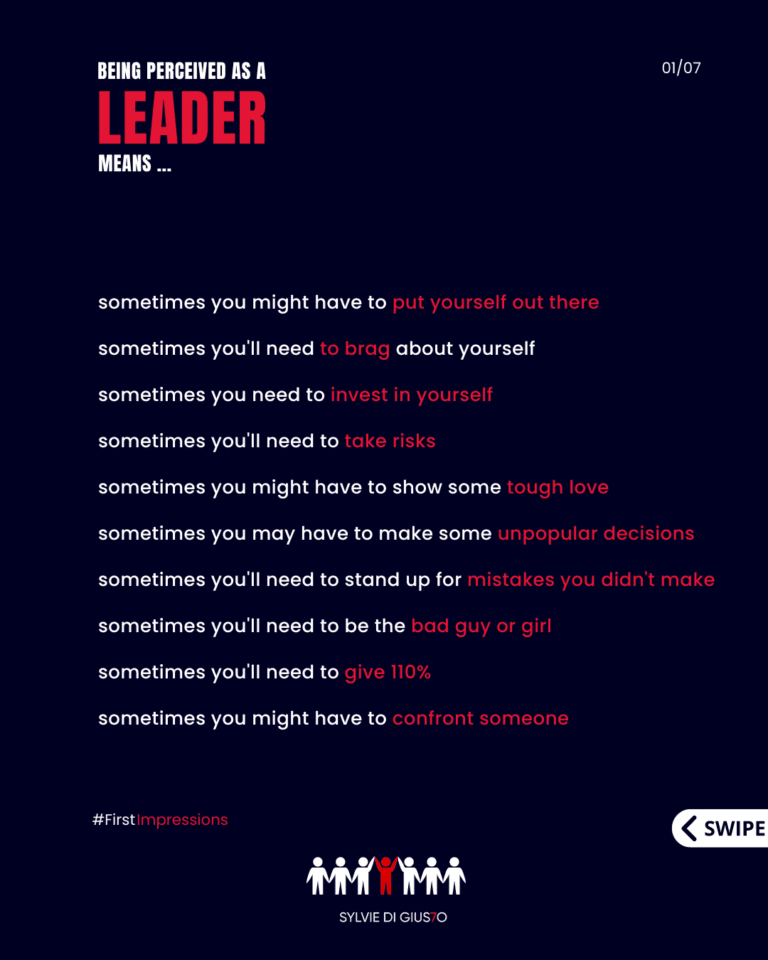
Leaders are often asked to make difficult decisions. Yours may not be popular, and it may involve risks that do not pay off. Put yourself out there anyway. Failure is possible. Learn from it and keep moving.
022. Confront others when needed
Your team will not always act appropriately. People make errors out of carelessness or oversight. Then a conversation is a necessary evil, often the only way for someone to learn. You may be seen as the bad guy or girl for a moment, but handled well, it earns respect and makes your team more successful.
033. Develop your ego
Humility matters, but as a leader you also need to be your own champion. Talk about your achievements now and then, so others see them. Investing in yourself, through classes, a professional wardrobe and the like, builds that healthy ego too.
044. Own up to mistakes you did not make
You are responsible for your team. If someone on it makes a mistake, it is ultimately yours. Pointing at “so and so” looks unprofessional. Own the error publicly, however much it hurts your pride, and talk to the person privately afterwards so it does not happen again.
055. Make sacrifices
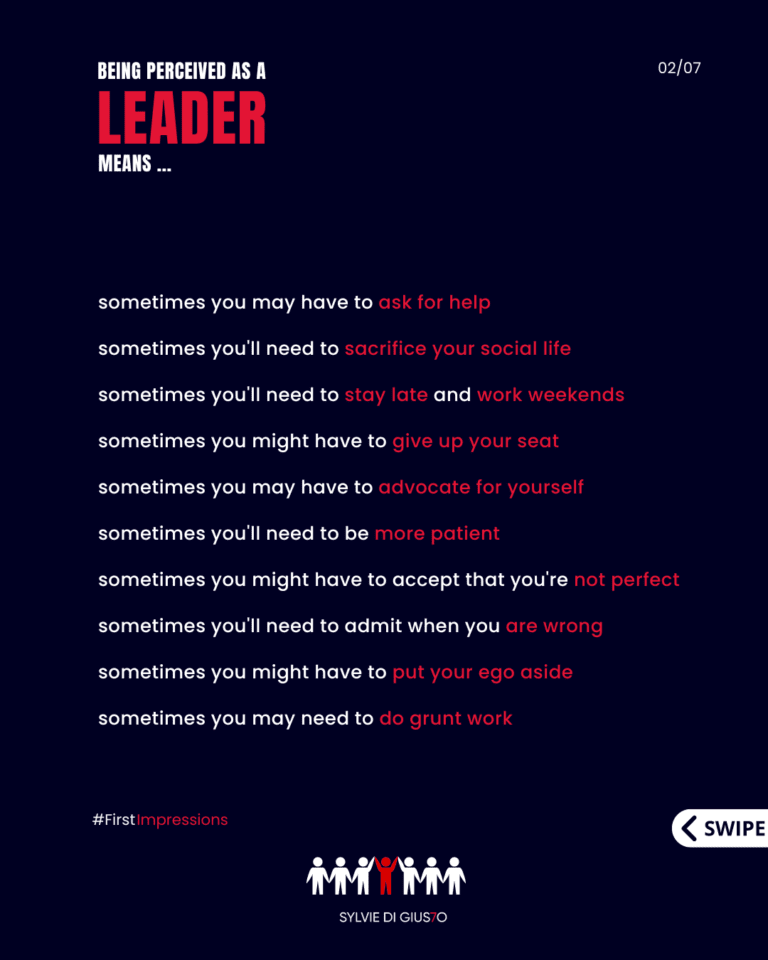
Leadership is not always glamorous. Late evenings, weekends, a social and family life that sometimes comes second. Hopefully it pays off. That is a risk you take.
066. Put your ego aside
However much you build up your ego, there are moments to set it aside: asking for help, admitting you are wrong, doing grunt work, giving up your seat, accepting you are not perfect. That is part of working with others and staying adaptable.
077. Develop patience
Leaders are always short on time, and not everything happens overnight. Sometimes you have to wait for results, and be patient with people who need time to learn or are juggling other priorities.
088. Deal with feedback
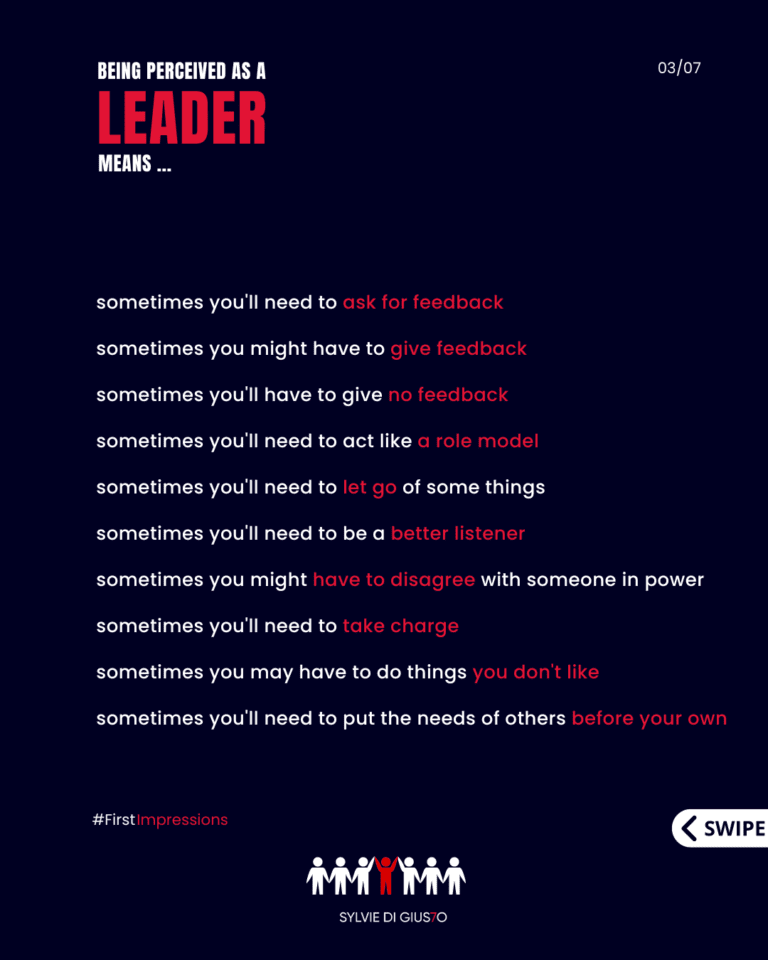
You will receive feedback and you will give it. Neither is always easy. Both are skills you need to master if you want to succeed.
099. Become a role model
As a leader, all eyes are on you. You are a role model to many, so you need to be constantly aware of the image you send through your appearance, behavior, communication, digital presence and environment.
1010. Develop your listening skills
Listening is half of communication. To get the full message, you need more than the words: ask questions and pay attention to body language.
1111. Learn to let go
Pick your battles. Argue about everything that rubs you the wrong way, and you will spend more time arguing than getting things done. Focus on what truly matters and let the little things go.
1212. Learn to disagree
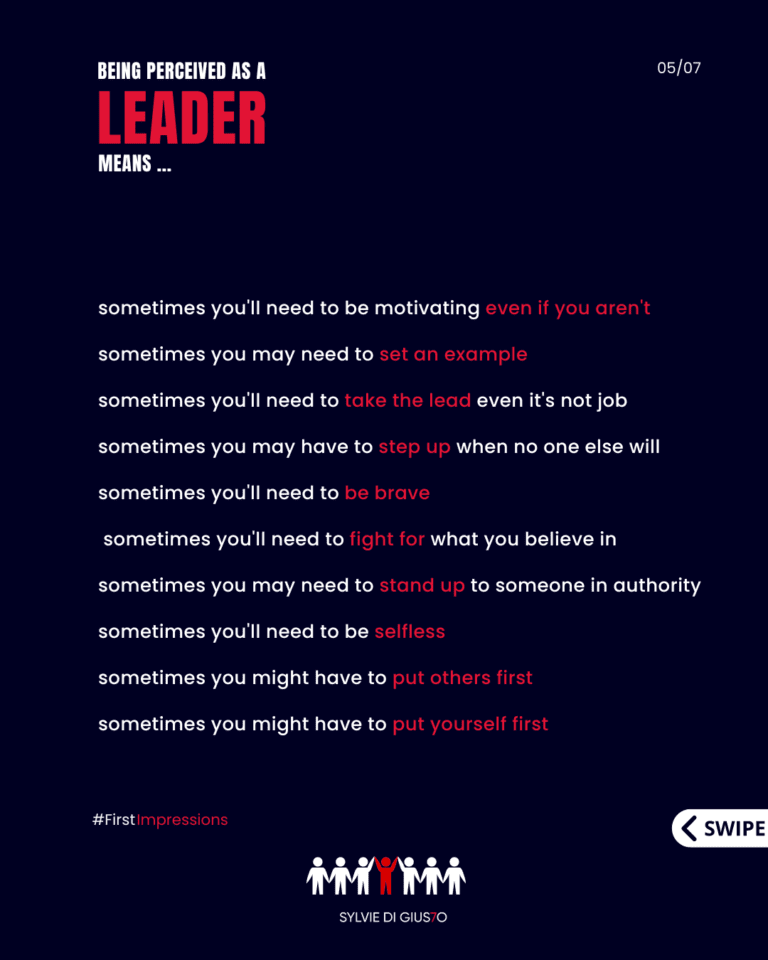
Not everyone will be on the same page. Sometimes you will have to disagree, occasionally with someone more powerful than you, and that can have professional consequences. Stay true to yourself and defend your beliefs. It earns respect in your field.
1313. Put the needs of others first
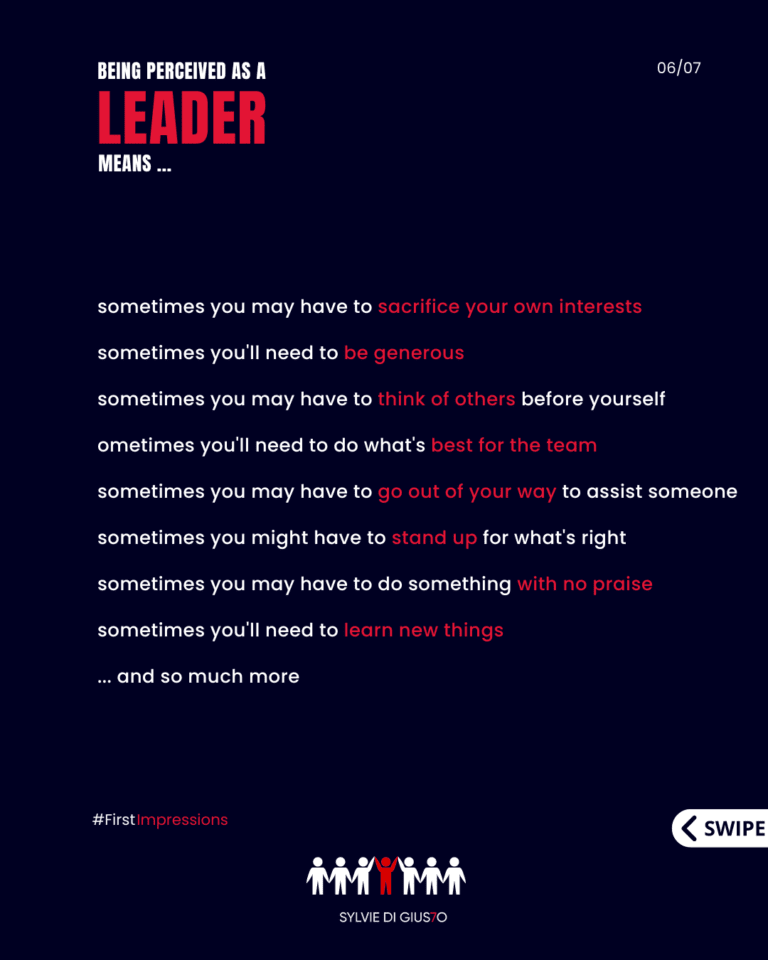
Leadership means considering the pressing needs of your colleagues and team before your own. It also means giving back to your community and to causes that matter.
1414. Learn to delegate
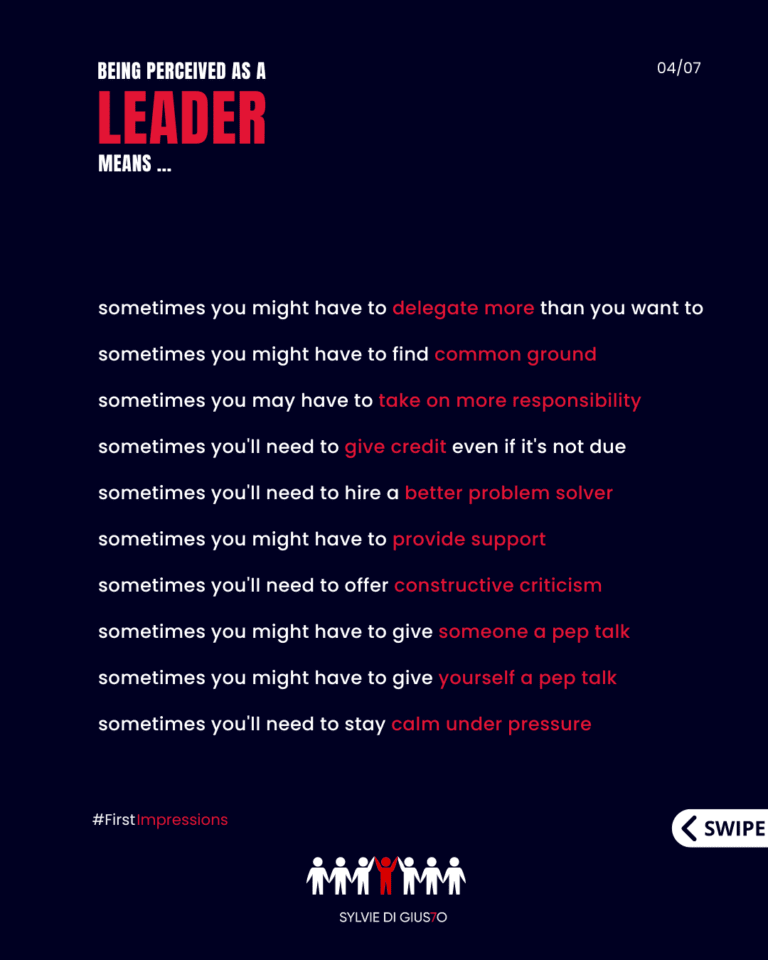
Many leaders struggle with it. If you do not delegate, you take on more than you can handle, and important tasks slip under the table. Sometimes you will delegate more than you would like. With a strong team, it works in your favor.
1515. Stay calm under pressure
Not easy, and essential. If you lose your cool, it looks bad, and your team may follow and become anxious too. Breathing techniques and similar strategies help you keep an even demeanor.
1616. Find common ground
You will not always agree with the people you work with. Then you need common ground. Compromise is not always comfortable, but sometimes it has to happen.
1717. Take on more responsibility
The more your company grows, the more responsibility lands on you. Ideally you can delegate some of it. Often you cannot, which is why many leaders end up working evenings and weekends.
1818. Give credit, even where it is not fully due
Give credit to senior executives and to your team. Not everyone will have done their part every time, but graciousness toward everyone involved matters. Anything else looks petty.
1919. Improve your problem-solving skills
Problem solving is part of the job, sometimes daily. Build decisiveness and out-of-the-box thinking to find the best solutions.
2020. Give pep talks
When someone on your team, or you, lacks motivation or confidence, be there with a pep talk. Sometimes the person who needs it most is the one in the mirror.
2121. Stand up for what you believe in
Business requires compromise. It also requires conviction. Standing up for your beliefs, and taking the lead when nobody else will, takes courage, establishes respect and brings you closer to your goals.
2222. Keep learning
Innovation is key to success, so leaders keep learning about new trends and strategies. It can be humbling. It is also non-negotiable.
2323. Put yourself first, sometimes
Occasionally you need to put your own interests first, to get your ideas heard and taken seriously. Do it too often, and you get a reputation for being difficult. Balance it by putting others first when it is appropriate.
Being a leader is not always easy. You will end up in uncomfortable situations, deal with conflicting personalities and fail to please everyone. It comes with the territory, and the right attitude is what carries you through it.
Attitude grows stronger with the right people around you. Read why great leaders surround themselves with good people, and use these culture questions to find out how your attitude lands with your team.
Attitude of a leader in a nutshell
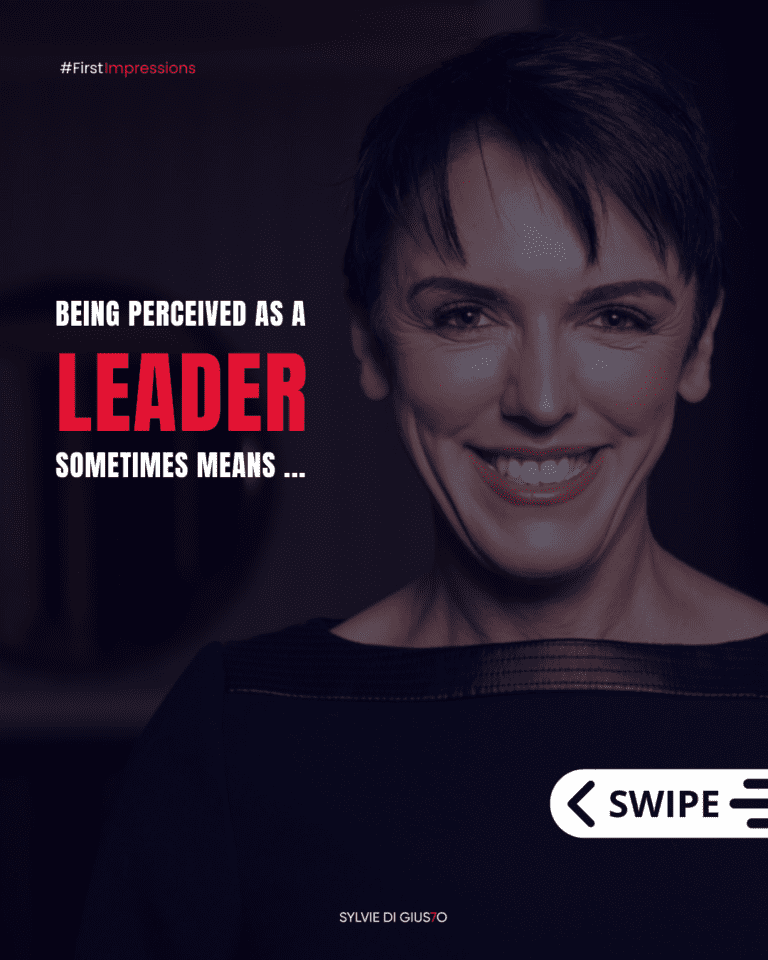


The Image of Leadership
A leader’s attitude becomes visible through five signals: appearance, behavior, communication, digital presence and environment. The Image of Leadership shows how to align all five with the leader you already are, so the attitude people see matches the one you bring.
Frequently asked questions
What is the attitude of a leader?
It is a positive, resilient and self-aware approach to work and people. Leaders with the right attitude are passionate about their cause, confident in their decisions, open to learning and feedback, and willing to take responsibility, including for their team’s mistakes. It is what makes people follow someone, with or without a formal title.
Can you develop a leadership attitude, or are you born with it?
You can develop it. Some people have a natural talent for inspiring others, but the core attitudes can be learned: building self-awareness about your biases and values, practicing empathy by seeing other perspectives, and becoming more resilient after setbacks. Daily habits like listening, owning mistakes and giving credit turn it into a reputation.
What is the difference between a leader and a manager?
A manager has formal authority and focuses on day-to-day details and execution. A leader motivates and inspires people toward a shared goal and focuses on the bigger picture. Managers can be leaders and leaders can be managers, but leadership comes from trust and respect, not from a position on the organizational chart.
Why does a leader’s attitude matter so much?
Because a leader is always in the spotlight. Their attitude sets the emotional tone for the team, affects how people handle pressure, conflict and failure, and shapes how others perceive the whole organization. A calm, positive and accountable leader makes those qualities feel normal for everyone else.