The benefits of emotional intelligence show up in results
The benefits of emotional intelligence in the workplace are concrete: leaders who motivate instead of push, teams that collaborate under pressure, fewer conflicts that escalate, better mental health and more success for individuals and organizations. And because emotional intelligence is a set of skills, you can build it.
Emotional intelligence is what lets professionals recognize and regulate their own emotions and understand the emotions of the people around them. Colleagues, clients, bosses: everybody brings feelings to work, whether the org chart likes it or not.
So what does it actually pay you back? Below are the five components, where they show up in professional life, how to grow them, and what you gain in the long run.
KEY TAKEAWAYS
- Emotional intelligence is the ability to identify, understand and manage your own emotions and those of others.
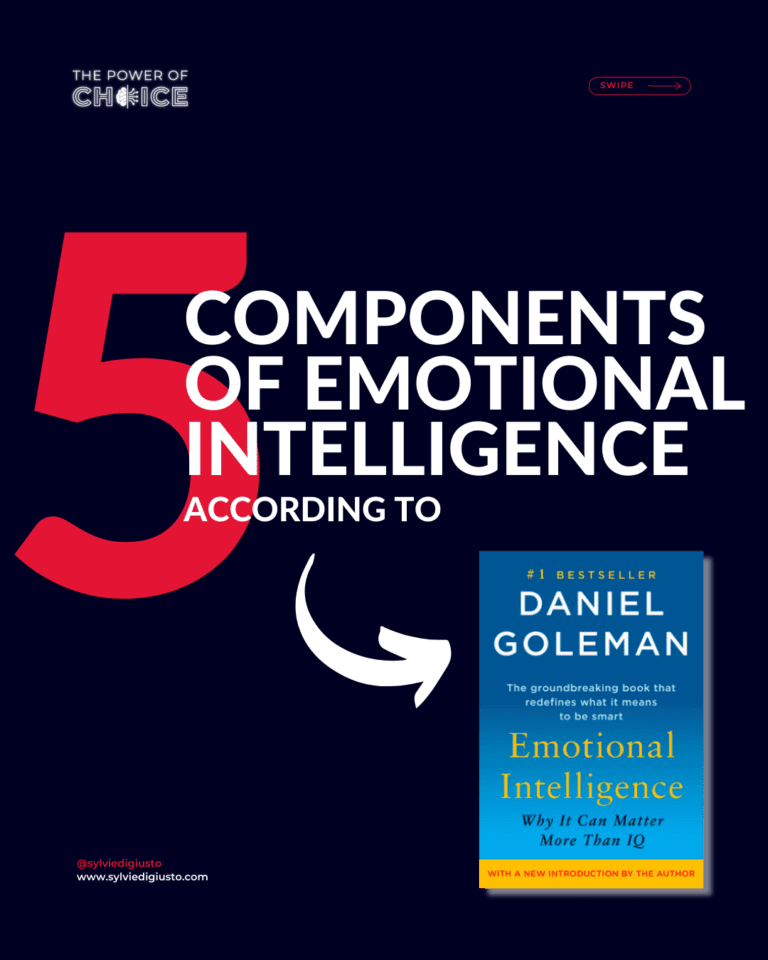
- Daniel Goleman names five components: self-awareness, self-regulation, motivation, empathy and social skills.
- Emotionally intelligent leaders build stronger connections, better morale, higher productivity and lower turnover.
- In teams, emotional intelligence improves communication, trust and problem solving, especially under pressure.
- Mindfulness, training and focused learning are proven ways to build it.
- Long term, it supports mental health, self-esteem and success at work and beyond.
What is emotional intelligence, exactly?
Emotional intelligence is the ability to identify, understand and manage your own emotions as well as the emotions of others. It means regulating how you feel so you can reach the outcome you want, such as handling stress or building better relationships. And it means recognizing and empathizing with what others feel, which is where real connection and cooperation begin.
Professionals with high emotional intelligence use it to guide their behavior and their interactions. They manage their emotions well, and they are good at building strong relationships. For the full definition, read what emotional intelligence is and how it applies at work.
What are the five components of emotional intelligence?
According to Daniel Goleman, author of Emotional Intelligence: Why It Can Matter More Than IQ, there are five:
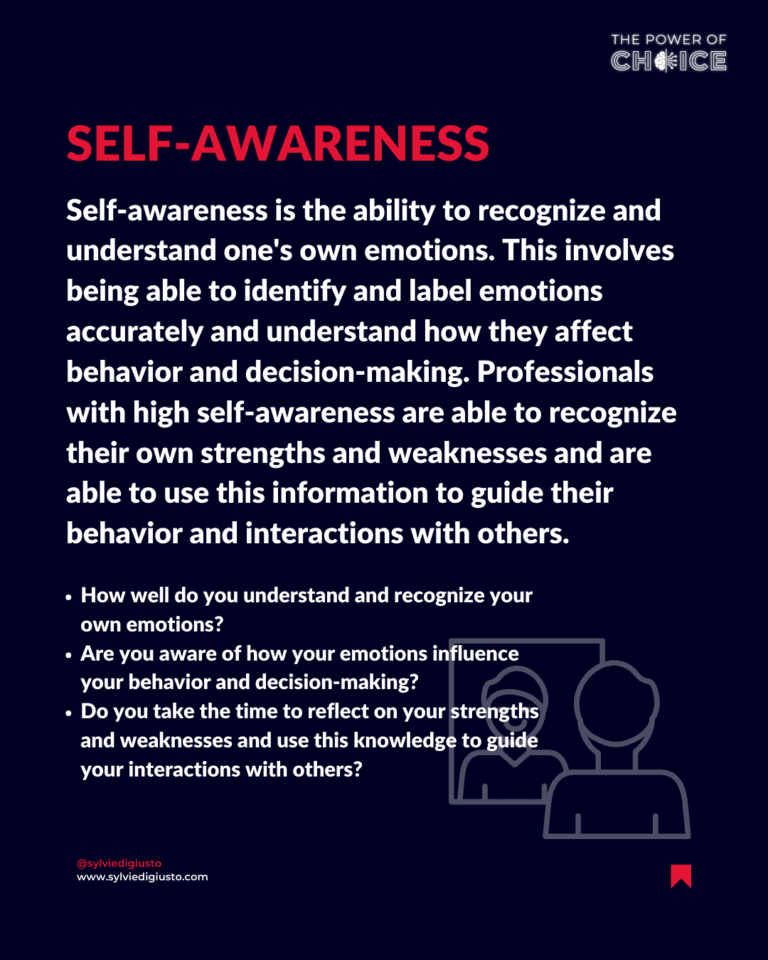
Self-awareness
The ability to recognize and understand your own emotions: to name them accurately and see how they affect your behavior and decisions. Self-aware professionals know their strengths and weaknesses and use that knowledge to guide how they act and interact.
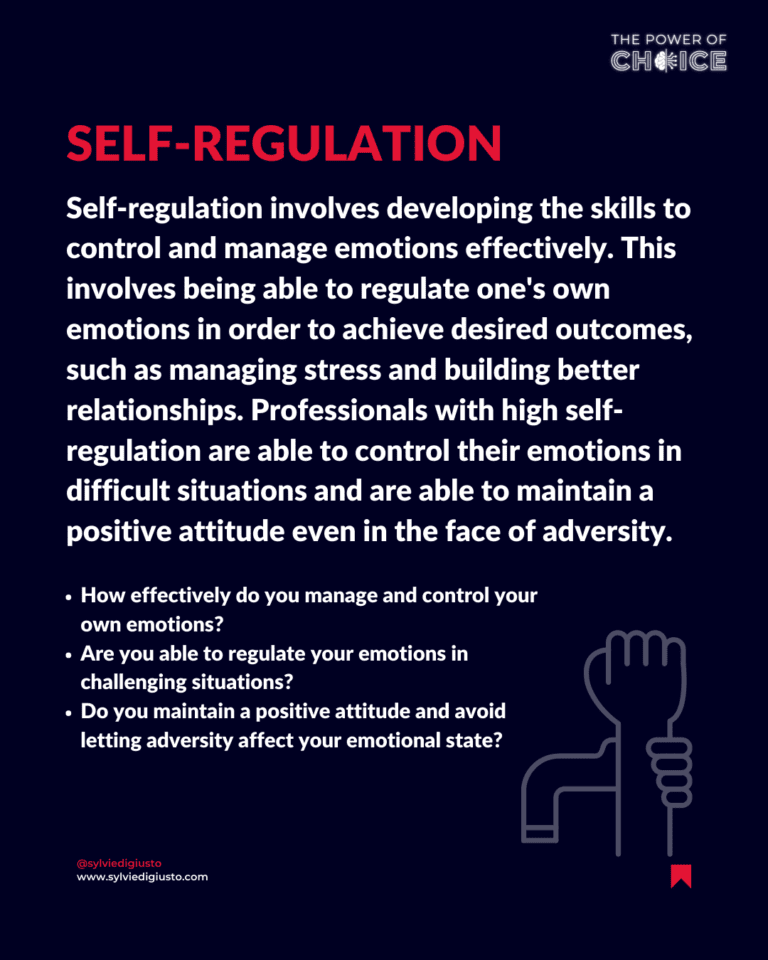
Self-regulation
The skill of controlling and managing your emotions so they serve the outcome you want instead of sabotaging it. People with strong self-regulation stay in control in difficult situations and keep a positive attitude in the face of adversity.
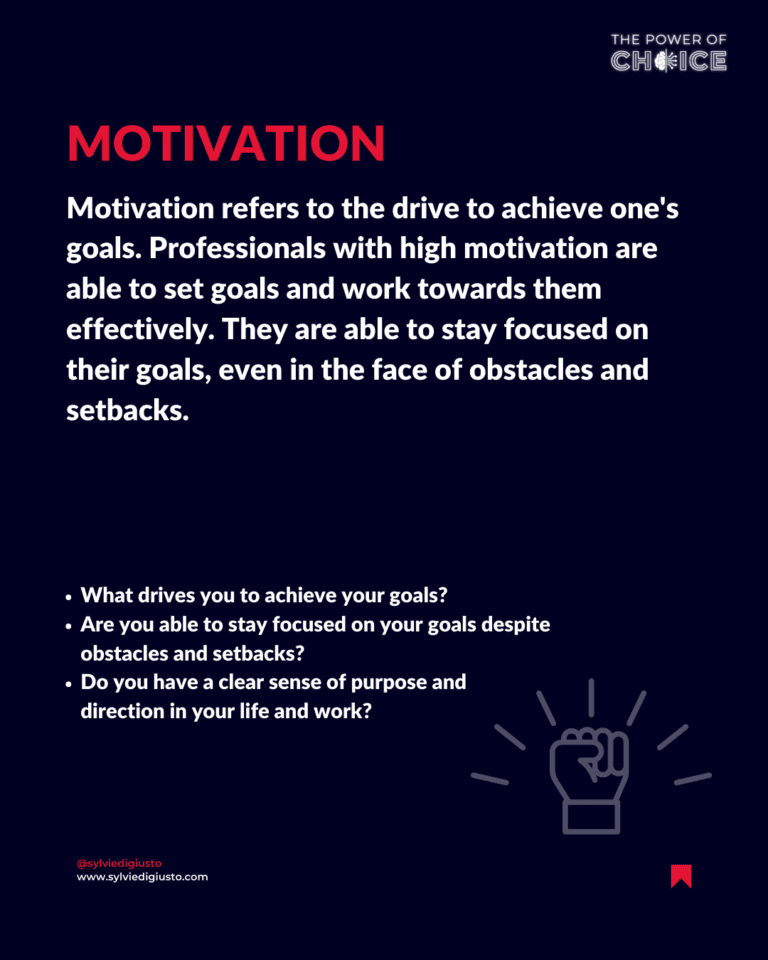
Motivation
The drive to reach your goals. Motivated professionals set goals, work toward them and stay focused when obstacles and setbacks show up, which they always do.
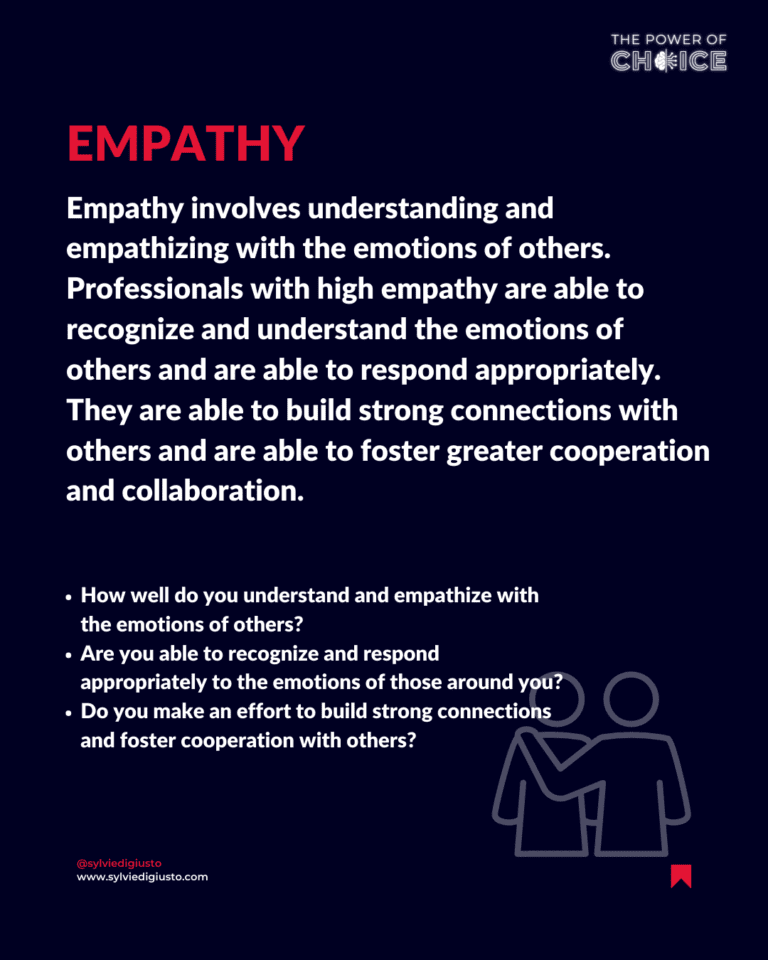
Empathy
Understanding and sharing the emotions of others. Empathetic professionals recognize what others feel and respond appropriately, which makes them good at building connections and getting people to cooperate.
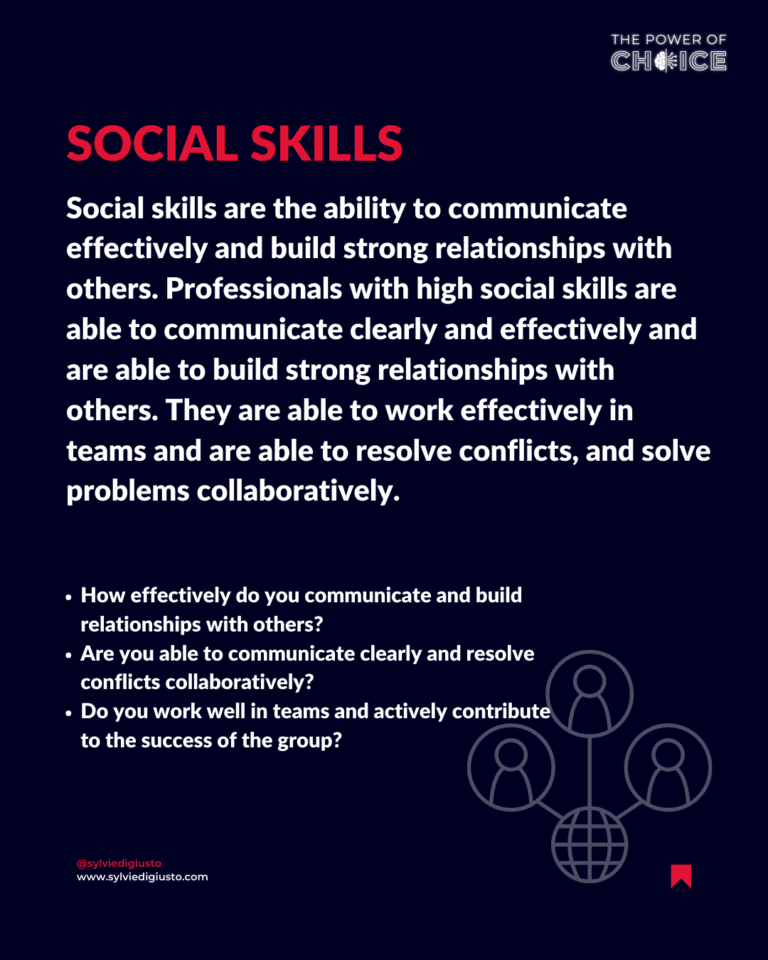
Social skills
The ability to communicate clearly and build strong relationships. People with strong social skills work well in teams, resolve conflicts and solve problems together instead of in separate corners.
Develop all five and you get better at managing your own emotions and reading everyone else’s. That pays off in your career and, frankly, at the dinner table too.
What are the benefits of emotional intelligence in the workplace?
Better leadership
Effective leaders tend to have strong emotional intelligence. When they understand and empathize with how their team members feel, they build stronger connections and motivate people more effectively. The payoff: more job satisfaction, better morale and higher productivity.
Emotionally intelligent leaders also notice what their people need. They pick up on stress levels and offer support and resources before the workload buries someone. That creates a better work environment and helps reduce turnover.
Stronger teamwork
Teams run on emotional intelligence. When colleagues recognize and respect each other’s emotions, relationships get stronger and collaboration gets easier. Communication improves, trust grows and problems get solved faster.
It matters most when the pressure is high. In those moments, the person who stays calm and focused while noticing how everyone else is doing keeps the whole team on track.
When the pressure is high, the person who stays calm and notices how everyone else is doing keeps the whole team on track.
Better mental health
Emotional intelligence also benefits your overall well-being. Stronger emotional regulation can reduce the risk of mood and anxiety disorders. It can also raise your self-esteem and your sense of purpose, which feeds into happiness and satisfaction.
More success, for you and your organization
Stronger relationships and better communication help professionals get things done and build a support network that carries them toward their goals. Emotional intelligence also helps you handle difficult situations well, and that adds up to more success and more satisfaction, individually and as an organization.
How can you improve your emotional intelligence?
Practice mindfulness
One of the most effective ways to grow your emotional intelligence is mindfulness: paying deliberate attention to the present moment. It sharpens self-awareness and self-regulation, the two components everything else depends on.
Learn it on purpose
There are books, training programs and courses that help professionals build emotional intelligence. My own work focuses on the specific intelligences that shape how others perceive you: visual, behavioral, verbal and nonverbal, digital and social intelligence. I explain them in the five elements of emotional intelligence at work, and they sit at the heart of my keynote The Power of Choice.
And if you are still wondering whether any of this can be trained, read can emotional intelligence be learned? Short answer: yes.
Understanding and regulating your own emotions, and empathizing with the emotions of others, is how professionals build stronger relationships, work better together and succeed. Few skills pay you back in so many rooms at once.
5 components of emotional intelligence at work in a nutshell
How You Intervene
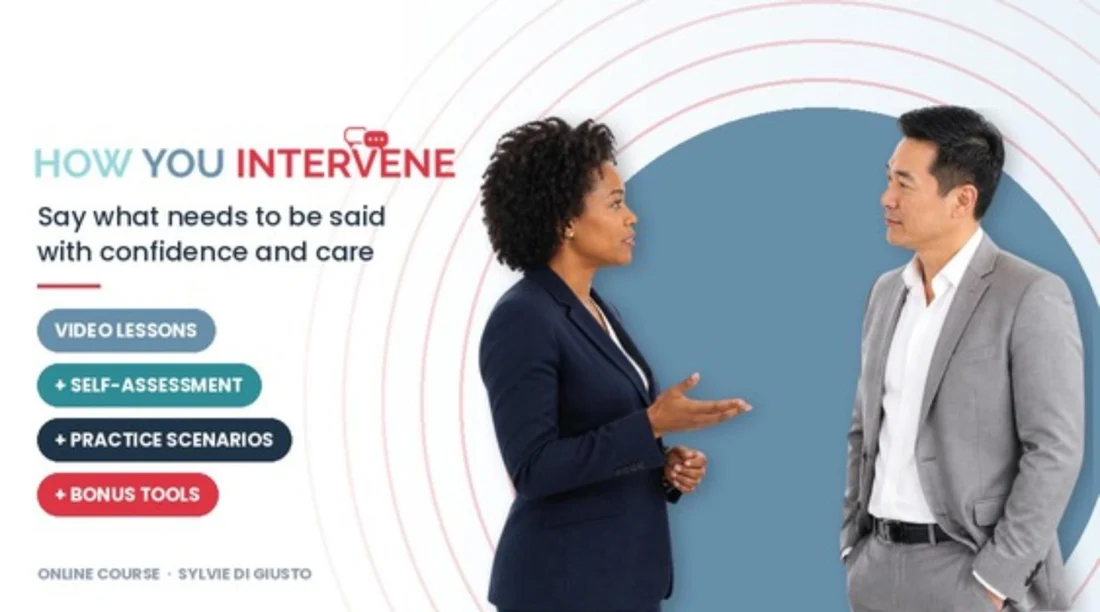
Social skills are the component that gets tested hardest: the conflict nobody wants to name, the feedback you keep postponing. My course gives you the framework and the words to handle those conversations calmly, which is emotional intelligence where it counts.
Frequently asked questions
What are the main benefits of emotional intelligence at work?
Emotional intelligence leads to better leadership, stronger teamwork, clearer communication, more trust and fewer escalating conflicts. Leaders with high emotional intelligence motivate more effectively and reduce turnover. Individuals gain better stress management, higher self-esteem and stronger professional relationships, which all feed into long-term career success.
What are the 5 components of emotional intelligence?
According to Daniel Goleman, the five components are self-awareness, self-regulation, motivation, empathy and social skills. The first three are about how you understand and manage yourself. Empathy and social skills are about how you understand others and build relationships with them.
How does emotional intelligence help teams?
Team members who recognize and respect each other’s emotions communicate more openly, trust each other more and solve problems together instead of competing. Under pressure, emotionally intelligent people stay calm and notice how others are coping, which keeps the whole team focused and working together.
How can I improve my emotional intelligence at work?
Start with mindfulness to notice your emotions as they happen. Pause before you react, ask for feedback regularly and practice seeing situations from the other person’s perspective. Books, training programs and courses on emotional intelligence and communication can speed up the process.