How to stop being boring at work: fix the signals
How to stop being boring at work: find out why people see you that way, then fix the signals. Add some personality to your appearance, drop the buzzwords, be present, speak clearly, open with something worth hearing, ask questions and stop trying to be someone you are not. Boring is a perception, and perceptions can change.
“Boring” and “uninteresting” are often used as synonyms. They are not. Something uninteresting simply does not interest you; that is a matter of taste. “Boring” is a verdict, a label others agree on. That is why first impressions matter so much here: if someone seems boring at first glance, it is hard to change that perception later.
Of course there are exceptions. Some people who seem boring on the surface are simply introverted or shy and need a little time to open up. But in general, once the boring label is attached, it sticks. So if you want to make a good impression, avoid earning it in the first place.
KEY TAKEAWAYS
- Boring is not the same as introverted or shy, but the label sticks quickly either way.
- Decision-makers often read “boring” as less competent and less ambitious.
- Being interesting makes you more visible and memorable, two qualities that move careers.
- Seven habits make people tune out, from an unimaginative look to never asking questions.
- Find out first what makes others see you as boring, then change those signals.
How can being perceived as boring hurt your career?
Your reputation at work has a real impact on your career. If you are seen as boring, promotions and plum assignments get harder to win, because decision-makers often view boring people as less competent and capable. As a result, they are less likely to hand you important responsibilities or invest in your development.
There are many ways to be seen as boring at work. Maybe you are always the first to leave the office. Maybe you are not very proactive about networking. Whatever the reason, be aware of how you come across, or you will be passed over for the opportunities that could really help you.
Why does being interesting at work matter?
With so many talented, qualified candidates competing for the same positions, any fair advantage makes a difference, and being interesting is one of the best. It makes you visible and memorable, two essential qualities in any workplace. It also helps you build relationships and a network.
In short, being seen as interesting gives your career a real lift. So if you want to advance, start with your persona and make sure people see you as someone worth knowing.
Nobody promotes the person they cannot remember.
How to stop being boring at work: 7 habits to change
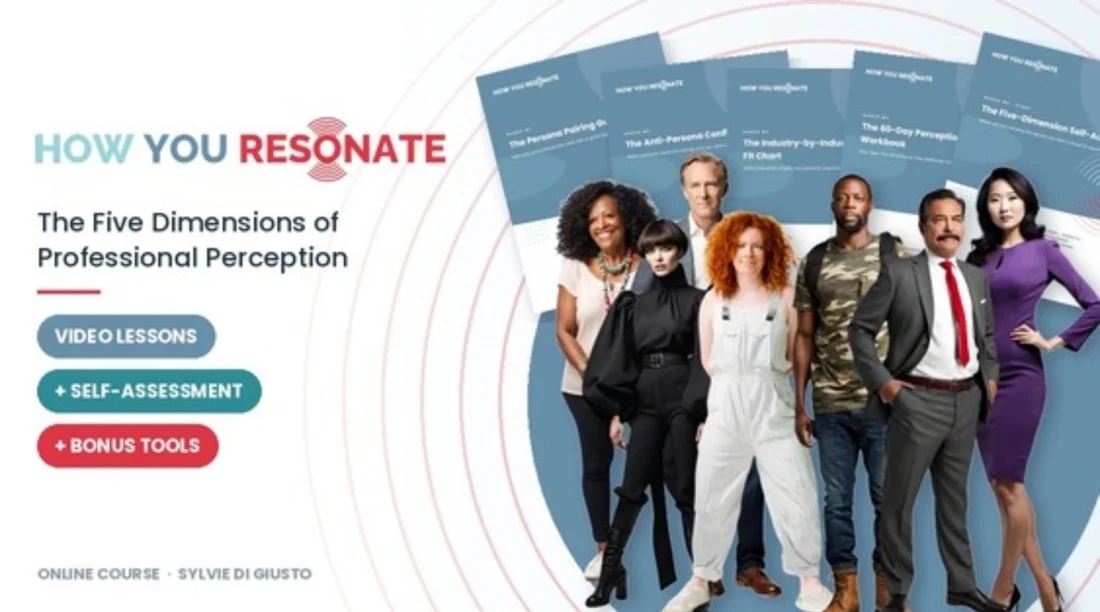
Before you change anything, find out what it is about you that makes others think “boring.” If you do not know, my course How You Resonate is a good place to start. Then look at these seven habits.
011. Your appearance is unimaginative
It may seem shallow, but most people base their first impression of you on your appearance. If nothing about your look stands out, people are less likely to notice you at all.
Having fun with your appearance while staying office appropriate is easier than it sounds. Break out of the black, white and neutral box with a brightly colored shirt. Add style with a statement piece of jewelry that is noticeable and tasteful.
022. You use the same phrases as everyone else
What you say gets people to pay attention, or not. If you use the same catchphrases and buzzwords as everyone else, people notice you are offering nothing new, and it hurts your ability to convert. Instead, think about what makes you stand out, all the value you offer that nobody else does, and work it into your language.
033. You are not present in the moment
If you do not pay attention to what people tell you, why should they listen to you? We all drift off in meetings sometimes. But when you are not fully present, you do not put your best ideas forward. You come across as scattered and may lose your thread mid-sentence. Then you do not sound engaging, and nobody else is engaged either.
Yes, sometimes stress pulls your focus away. Still, give your full attention to what is in front of you, so you show your best side.
044. You mumble or speak too softly
If people cannot hear you, they ask once or twice, and then they give up. The conversation and all the ideas you wanted to share go nowhere. Speaking softly also signals a lack of confidence, and if you do not believe in what you say, why should anyone else?
Use a clear, engaging tone of voice. Be enthusiastic without being loud or obnoxious. If it does not come naturally, work on it.
055. You do not open with anything interesting
When you pitch or propose an idea, open strong. The first thing you say is part of your first impression, so those words should set you apart. Before a speech or an important meeting, plan your opening line. Break the ice with an impactful statement, or bring an out-of-the-box idea that adds value to the other person’s life or business. Start with something attention-getting and people see you as intelligent and likable, and they want to hear more.
066. You do not ask questions
Ever been stuck in a conversation where someone talks only about themselves? Not fun. A one-way conversation makes people tune out, and in business that is costly. Stop engaging with others and they stop engaging with you. They ignore your pitch and walk away convinced you do not care about them.
So ask questions. Find out what they need. Ask for their feedback on what they hear. Your conversations get more interesting, you convert more customers and you provide better service.
077. You try to be someone you are not
Pretend to be someone else and you lose exactly what makes you unique. You end up cookie-cutter, boring and ho-hum. It also signals a lack of confidence, and people can smell inauthenticity from a mile away. That damages trust, and they will not want to move the relationship forward.
Let your real personality shine through. Embrace who you are and people will respect you for it, and be intrigued by what makes you different.
In business, a boring first impression is a bad first impression. Add some style to your appearance, bring fresh ideas to the table and engage with people. The effort pays off in a major way. For more on breaking the monotony, read are you boring?
What happens if others see you as boring at work?
You get passed over for promotions and raises
Ambition is an essential quality at work, and if you are not seen as ambitious, raises and promotions go elsewhere. Decision-makers want to invest in people who are motivated to move up.
Colleagues do not take you seriously
How you see yourself and how you carry yourself decide whether colleagues take you seriously. If you come across as apathetic or uninterested, people will not be eager to work on projects with you. Come across as confident with a can-do attitude and you become an asset to any team.
Networking gets harder
Networking lets you meet potential clients and customers and learn from more experienced professionals. But people prefer to invest time and energy in relationships with others who already have a strong network, because it increases their own chances of success. They are less likely to take a risk on someone with less social capital.
People assume you are content with mediocrity
To stand out in a competitive job market, you have to do what you can to rise above the crowd. If people think you are content with mediocrity, your growth potential is limited. Mediocrity never got anyone ahead. Strive for excellence.
You start boring yourself
To grow in any career, you need to challenge yourself. If you do not, you get bored with yourself and your work, and that eats away at your self-confidence and self-worth.
It may seem like a small thing. But others are probably judging you, consciously or not, and deciding whether to work with you or promote you based on how much they enjoy being around you. The good news: you can change that. So what will you do to make sure your colleagues see you as someone worth getting to know?
Being perceived as boring at work in a nutshell


How You Resonate
Being boring is rarely about who you are. It is about how you resonate with others. My course How You Resonate shows you the five dimensions people judge and all seven personas, so you can turn up the signals that make you memorable.
Frequently asked questions
What makes someone seem boring at work?
Common reasons include an unimaginative appearance, buzzword-heavy language, not being present in conversations, mumbling or speaking too softly, weak openings, never asking questions and trying to be someone you are not. Each of these signals tells others there is little to discover, so they stop paying attention.
Is being boring the same as being introverted?
No. Introverted or shy people may simply need more time to open up, and many are deeply interesting once they do. The problem is that people label others quickly, and a quiet first impression can be mistaken for a boring one. Small changes in voice, presence and questions help.
Can being boring hurt your career?
Yes. Decision-makers often perceive boring colleagues as less competent and less ambitious, so they hesitate to give them key responsibilities, raises or promotions. Being seen as boring also makes networking harder and can lead colleagues to avoid working with you on projects.
How can I be more interesting at work?
Start by finding out how others perceive you. Then add some personality to your appearance, use your own words instead of buzzwords, be fully present, speak clearly, prepare a strong opening, ask genuine questions and let your real personality show.