The real importance of first impressions, and their limits
The importance of first impressions is hard to overstate: they form within seconds, color how people think about you for the rest of the relationship, and often decide whether there is a relationship at all. They are not always accurate, and they are not set in stone, but they are always working for you or against you.
“You never get a second chance to make a first impression.” Literally, that is just true: there is no other first. Figuratively, it says something more useful. A first impression goes a long way.
It influences how people think about you for the remainder of your relationship. Or it makes them decide they would rather not have a relationship with you in the first place.
The good news: first impressions are not always set in stone. You can change them, and they may not have the impact you fear. Still, it is always wise to put your best foot forward. So let’s look at what first impressions are made of, how fast they happen, whether they are accurate and what to do when yours went wrong.
KEY TAKEAWAYS
- A first impression is the instant takeaway someone gets when they meet you, and it shapes the whole relationship that follows.
- My ABCDE model breaks it into five dimensions: appearance, behavior, communication, digital footprint and environment.
- First impressions form in somewhere between a tenth of a second and seven seconds. Either way, fast.
- They are often inaccurate, skewed by bad days, unconscious bias and selective perception.
- You can change a first impression: by owning your mistakes and deliberately improving the signals you send.
What is a first impression?
Quite simply, first impressions are the instant takeaways a person gets when they meet you for the first time. They can be based on your temperament, your appearance, the things you say and much more. And different people focus on different things.
In business, many elements make up your first impression. I organize them in my ABCDE model:
- Appearance: however much we stress inner beauty, outer appearance still matters. You want a put-together look, and an office that is neat and organized.
- Behavior: when you meet clients or customers, keep an upbeat, pleasant attitude.
- Communication: people pay attention to your opinions and how you present them. Proper grammar goes a long way too.
- Digital footprint: many people will see your social media profile before they meet you or step into your location. A professional, well-kept profile matters.
- Environment: the surroundings of your meeting. A clean or messy workspace, a casual or upscale venue: all of it alters the impression.
Why are first impressions important?
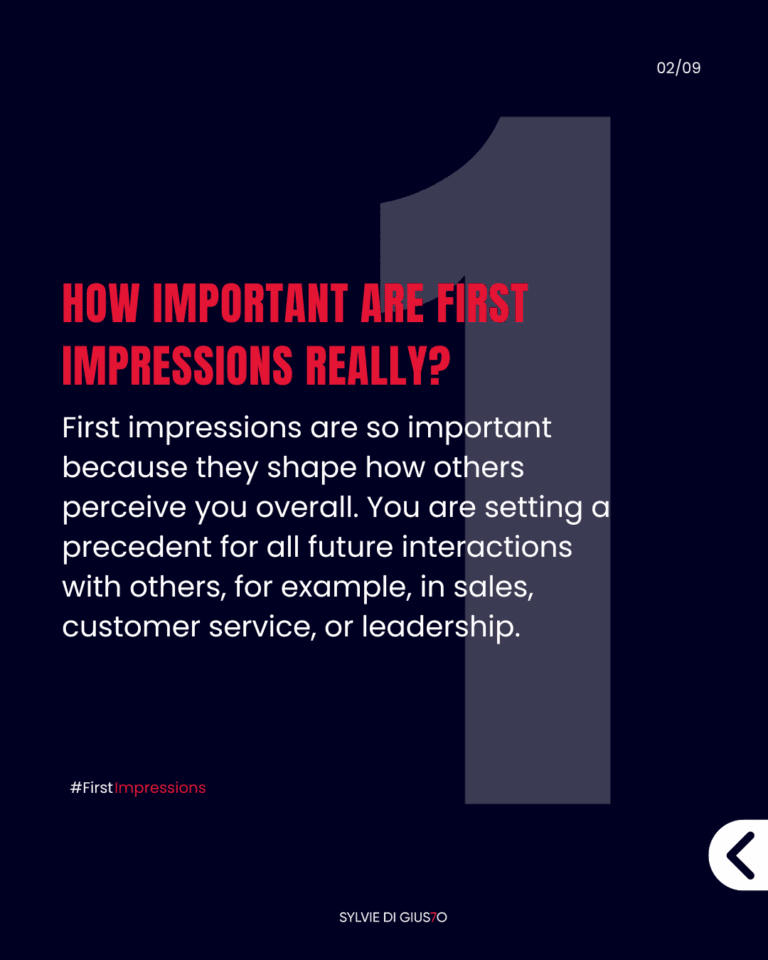
Because first impressions open doors, or shut them. They influence whether a customer buys from you or goes elsewhere, whether a hiring manager keeps reading, whether a colleague trusts your idea in the meeting. They echo through the entire relationship and play a big part in whether it succeeds.
And because they are sticky. Once someone has formed an opinion, they tend to look for evidence that confirms it. That is why the importance of first impressions goes far beyond the first meeting: a good one buys you goodwill, a bad one makes you work uphill.
First impressions open doors. Lasting impressions decide whether you get invited back.
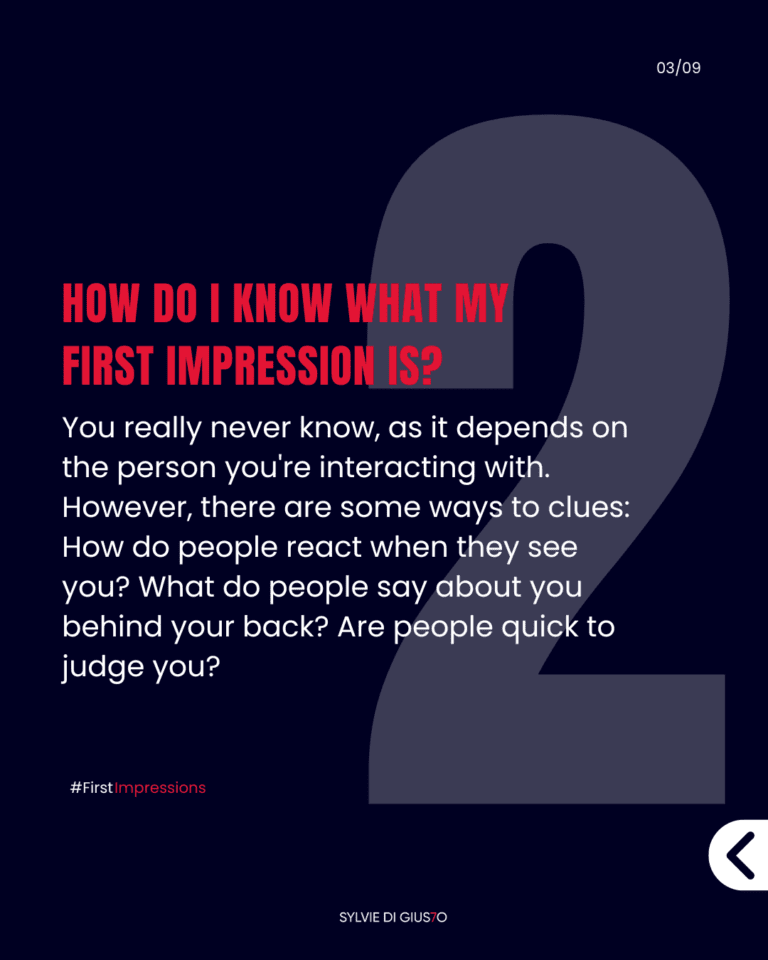
How do I know what first impression I make?
Different people may form different first impressions of you. Some focus on your appearance, others on what you have to say. Their takeaway also changes depending on whether they first see your website, or meet you in a casual or a professional setting.
If you care about the impression you make, look at every one of these aspects and decide how to improve them. If you feel you cannot judge yourself objectively, ask a friend or colleague for the honest truth. Fair warning: the honest friends are the rare ones.
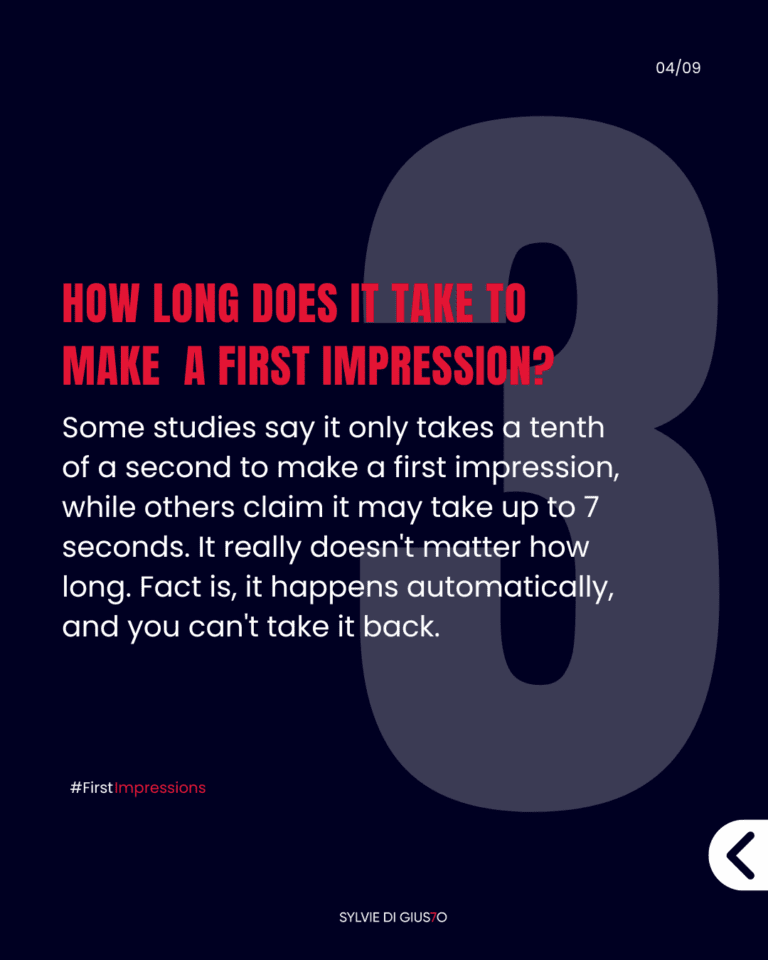
How long does it take to make a first impression?
Some studies say it takes a tenth of a second, others closer to seven seconds. The exact number does not really matter. It happens fast, and once the impression is made, it is hard to change.
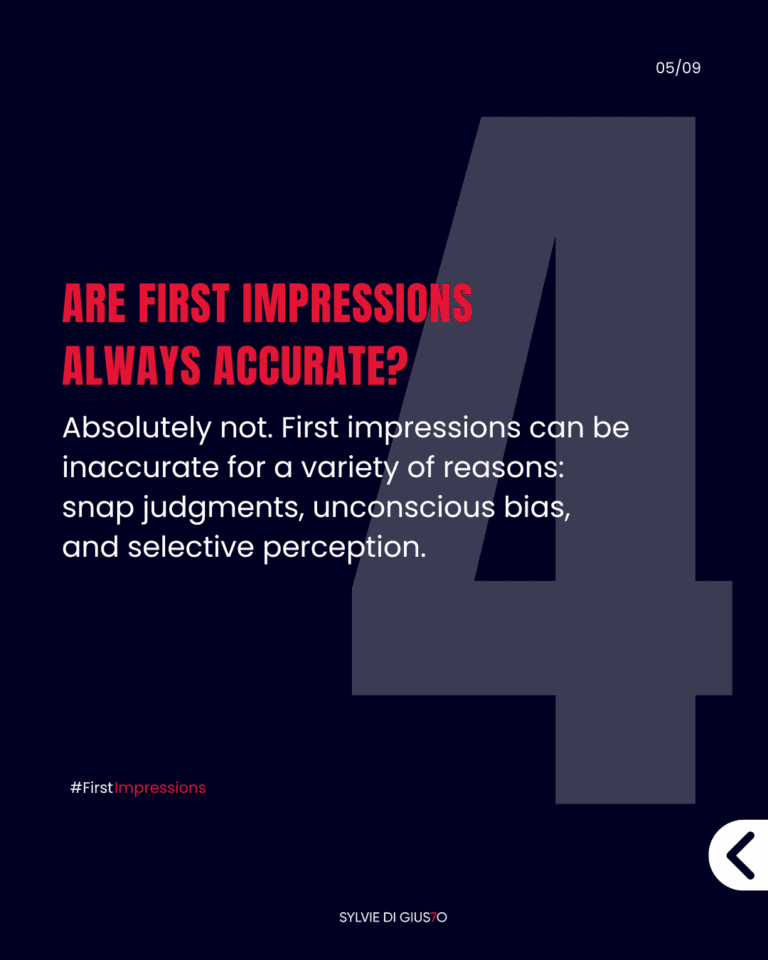
Are first impressions always accurate?
No. They can be skewed by many things. If either person is having a bad day or is caught off guard, they may not put their best foot forward, and the other person forms a snap judgment that frames everything afterward.
Unconscious biases are another cause. Stereotypes are discouraged, but they still exist, and they can make one person perceive another negatively without even noticing it.
Selective perception plays a role too: people adjust their perception based on factors in the environment. A teacher might favor a popular student and overlook their poor grades.
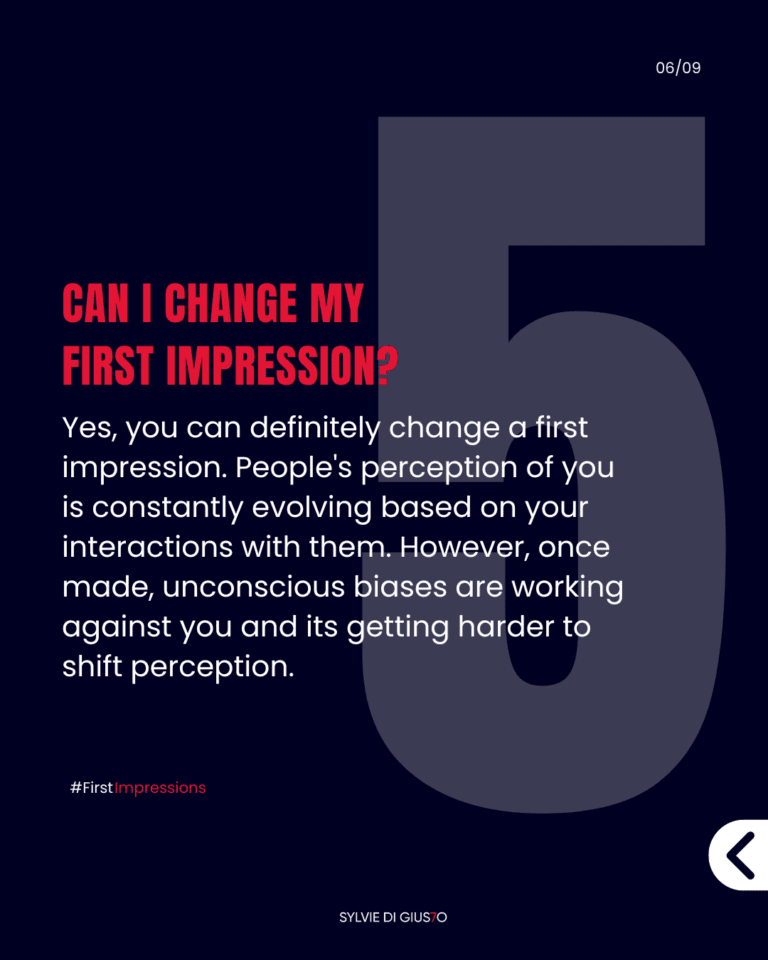
Can I change my first impression?
Yes, absolutely. Here is where to start.
Improve your social media
Use a professional-looking profile picture and create content that is valuable and enjoyable. Every element should be well designed and express your brand clearly.
Update the look of your office
Your office says a lot about your business. It should look current and reflect your brand. If it does not look its best, consider fresh paint, new furnishings or a simple cleanup. If budget is tight, meet clients somewhere else.
Work on your professional appearance
Many of us love to be comfortable, and the pandemic made comfy, casual clothes fashionable. Still, draw a line before showing up in pajamas or a stained shirt. Some people might applaud the effort. Many will not.
Know what you are going to say
Prepare before client meetings. Gather a few key points so you know what you want to say. You will impress your clients and avoid putting your foot in your mouth.
What matters more, first or lasting impressions?
First impressions open doors (or shut them). Lasting impressions decide whether you are invited back. Both matter, for different reasons. But your first impression is a big part of your lasting one, so it pays to get both right.
What if I make a bad first impression?
Bad first impressions happen, despite the best intentions. There are ways to make up for a bad first impression, and the first step is an apology. Own up to your mistake, give a brief explanation of what caused it (so they know it was an unusual circumstance) and ask for another chance.
An apology will not always work. Don’t beat yourself up over it. Treat it as a chance to learn, and improve the signals you send so you look your best in the next first meeting.
If your first impression is not what it should be, there are steps you can take: updating your digital presence, improving your workspace, refreshing your personal style. The question is simply which improvement you will make first.
The importance of first impressions in a nutshell
How You Resonate
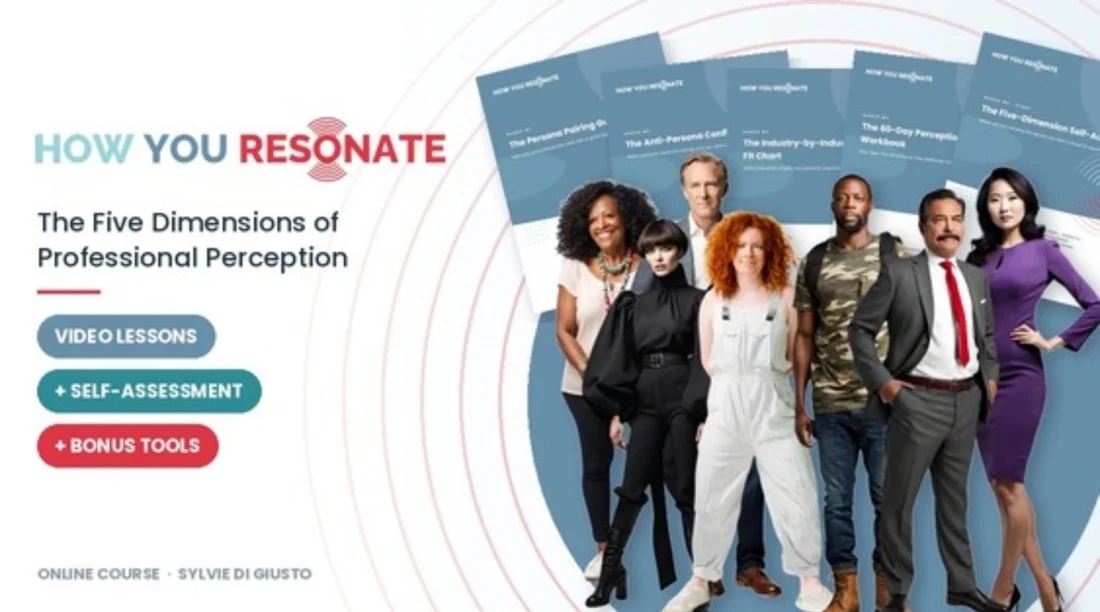
First impressions are built from the five dimensions in my ABCDE model. My online course How You Resonate walks you through each of them, and through all seven personas, so the impression you make is one you chose.
Frequently asked questions
Why are first impressions so important?
Because they form within seconds and shape how people see you for the rest of the relationship. A first impression can decide whether a client buys, a recruiter calls back or a colleague trusts you. People also look for evidence that confirms their first opinion, which makes a good start valuable and a bad one costly.
How long does it take to form a first impression?
Studies differ, ranging from about a tenth of a second to roughly seven seconds. The exact figure matters less than the fact that it is fast, faster than anyone can judge your skills or character. That is why visible signals like appearance, behavior and your online presence carry so much weight.
Are first impressions accurate?
Often not. They can be distorted by a bad day, nerves, unconscious biases, stereotypes and selective perception. That is why it is worth controlling the signals you send, and worth questioning the snap judgments you make about others before they harden into opinions.
Can you change a bad first impression?
Yes. Acknowledge what went wrong, apologize briefly if it was your mistake, and then give people new evidence through consistent behavior over time. Improving your appearance, workspace and digital presence helps too. A changed impression takes longer to build than the first one, but it is entirely possible.