Why your digital footprint is how you influence voters first
Today, possibly the most important part of your first impression is your digital footprint. Here is why.
The vast majority of voters will never have the pleasure of meeting you in person. Whether you run for local office or the White House, voters mostly get a sense of your character through their screens: your website, your social media, your email campaigns and any media coverage. They are flooded with posts, photos and videos in which they read your appearance, behavior and communication style. And if they are not flooded with yours, chances are they are flooded with your opponent’s.
So everything you put out there needs to work in soundbites. Time is an expensive asset, especially online. People do not want to sit through a long video. They want to know who you are, fast.
Think about how to send your core messages in quick, easy-to-digest, but impactful verbal and nonverbal signals, and where to share them. Short, almost tweetable, and still true to your core values. What will you do? What do you care about? Tell a short story, be engaging, and above all be creative. How could your story come across without any words at all?
Which voters do you attract with your first impression?
Next, think about your image. My course How You Resonate helps you find your primary and secondary persona, in other words how others most likely read you at first sight. Your primary persona is how you naturally come across. Your secondary persona still aligns with your true self and style, but sends a different message.
That matters in politics. If you run for a conservative party, you probably want to appeal visually and verbally to a different group than if you run for a more liberal one. That does not mean changing who you are, how you look, behave or speak. It means playing with your secondary persona to send subtle signals to the voters who identify with it.
Do not change who you are. Play with your secondary persona to reach the voters who see themselves in it.
What are voters subconsciously looking for?
Voters prefer candidates with the personality traits they would like to see in themselves. But they hold you to a higher standard, so you need to amplify your signals, and above all, signal competence.
Competence
Competence usually tops the list of qualities voters want in the people who represent them. They want to know you will get things done, including the things they do not fully understand or care to understand in detail, and that you will use your voice to represent them and their ideals. Most voters have neither the time nor the patience to judge your competence by your work, so they take a shortcut. How can you shape your appearance, behavior and communication so voters see you as competent instantly?
Care
Competence ranks highest, but it can shift with the situation or the occasion. How voters perceive you also depends heavily on their own circumstances during your campaign. That is why they want to feel, instantly, that you care.
If everybody wants you to care about them and their problems, how can you stand for anything in particular? Simple. Take care of yourself first, and you show others you are fit to take care of them. If you look as if you do not keep yourself mentally and physically in shape, people will not feel they can rely on you.
Balance
When you invest time and money in, for example, your appearance, be careful with luxury. Voters want someone successful, but they also notice the brands and designers you support, the coaches you hire and the investments you make in yourself. It speaks to your values, and it puts a price tag on you. Voters use that price tag to guess how you would spend public money once elected. As always, it is about balance.
Who else shapes how voters see you?
Pay as much attention to your opponent as you do to yourself, because voters watch your opponent too, and they watch how you deal with each other. How you react to them, critique them and attack them all influences voters. Be mindful of what you put out there.
And remember, you are not a one-person team. The people on your campaign team and in your personal life shape how others see you, and with it your chances of winning the race. Stay very aware of how other people’s actions affect your image. Be careful whom you bring onto your team, and agree with your family, friends and campaign staff on how to protect your image together.
Want to go deeper? Read my conversation with political consultant Jay Townsend on what it takes when you run for office, and my talk with Brad Weisman about politics and social media.
Thanks for reading, and don’t forget to make your own voice heard. Vote.
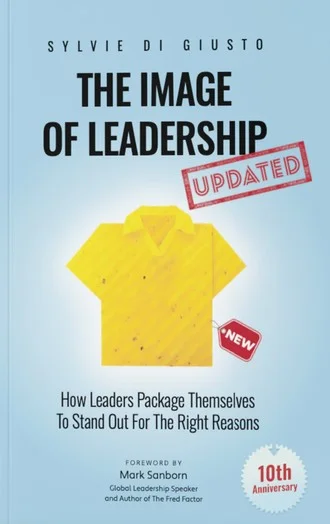
The Image of Leadership
Voters judge candidates the same way teams judge leaders: by appearance, behavior, communication, digital footprint and environment. The Image of Leadership, including its Public Sector special edition, shows you how to align all five with the leader you want people to elect.