How to persuade anyone: trust before arguments
To learn how to persuade someone, start with trust, not arguments. People decide with their feelings and justify with facts, so connect first, listen well, tell a story they can see themselves in, back it with evidence that matters to them, and make the next step easy. Pressure rarely persuades. Credibility does.
Some people win a room over in two sentences. Others bring a forty-slide deck and still hear “let me think about it.” The difference is rarely intelligence, and almost never volume.
Persuasion is not about pushing anyone into a yes. It is about building trust, creating a real connection and communicating in a way that lands. That works in a sales meeting, in a leadership role, and at your own kitchen table, where the toughest negotiations happen anyway.
KEY TAKEAWAYS
- People decide emotionally first and look for facts afterwards, so speak to both.
- Without trust and rapport, even the best argument falls flat.
- Your tone, body language and delivery persuade as much as your words.
- Social proof, stories and well-chosen evidence make your message credible and memorable.
- Objections are invitations, not rejections. Welcome them.
- If you do not tell people what to do next, do not be surprised when they do nothing.
What is the psychology behind persuasion?
To influence people, you have to understand what makes them tick. Logic alone rarely does it. Most decisions are driven by emotion first and justified with logic later, and that is just as true in a boardroom as it is in a shoe store. Leaders and executives may ask for the numbers, but they still need to feel good about the decision before they sign.
Have you ever bought something because it simply felt right, even though you could not explain why? That is emotional persuasion at work. The best persuaders balance facts with feeling and shape their message around what their audience actually needs.
People don’t make decisions based on facts. They make them based on feelings, and then find facts to justify them.
Then there is reciprocity. Give someone something of value, a sincere compliment, a useful insight, a small favor, and they often feel a quiet urge to return it. Not because you asked. Because we are wired that way.
And finally, cognitive biases. These mental shortcuts can lead to irrational decisions, but they can also work in your favor. People tend to trust authority figures, sometimes even when their opinions are flawed. Position yourself as a credible expert, and you start the conversation one step ahead.
How do you build the trust persuasion needs?
Persuasion without trust is like a car without gas. It looks fine, and it goes nowhere.
The fastest way to build trust is to be genuinely interested in the other person. Listen, really listen. Ask thoughtful questions. Invite them to share their perspective instead of waiting for your turn to talk. When people feel heard and valued, they trust you more, almost automatically.
Consistency matters just as much. People notice quickly when your words and actions do not match. When they do match, you become someone others can rely on, and reliable people are remarkably persuasive.
Shared experiences deepen the bond. You probably feel closer to the colleague who survived that brutal project with you than to the one who only sent status updates. And transparency goes a long way: be upfront, communicate openly, and admit it when you do not have every answer. Nobody does. The people who pretend otherwise are the hardest to believe.
People do not buy into your words. They buy into your intentions. If your motive is selfish, your persuasion will fail, sooner or later.
Which communication techniques make people listen?
How you say something, through words, tone and body language, often decides whether your message lands or falls flat. A well-delivered idea can convince and move people to act. A poorly delivered one leaves your audience confused or, worse, indifferent.
- Keep it simple. Nobody has ever been persuaded by jargon.
- Use open body language. Eye contact, open gestures and an engaged posture make a real difference.
- Ask great questions. Open-ended ones that start a conversation instead of shutting it down.
- Adapt to your audience. Everyone processes information differently, so adjust your style.
- Use visuals when they help. An image, a chart or a quick demonstration can carry what words cannot.
Attention is short and distractions are endless. When your message comes with clarity, confidence and intention, it becomes very hard to ignore. The most compelling communicators do not just share information. They create a moment people remember long after the conversation is over.
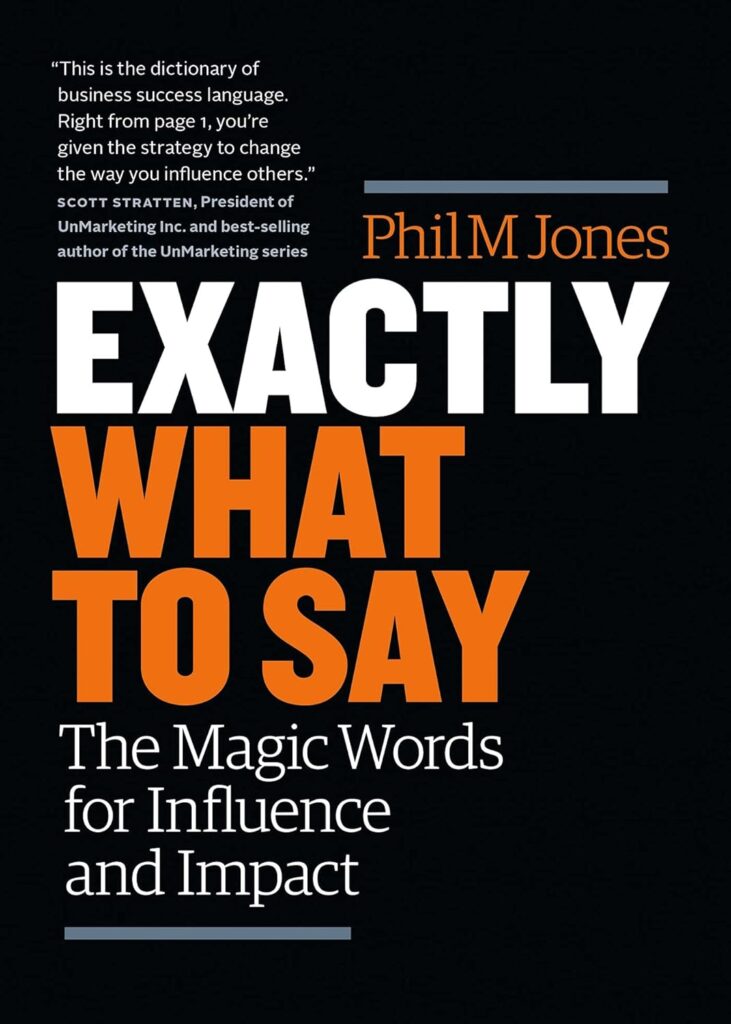
One of the best books I have ever read on how to persuade is Exactly What to Say by my friend Phil M. Jones. It is a short, easy read, and yet incredibly powerful, full of precise phrases that help you steer a conversation in a way that feels natural, ethical and never manipulative.
Phil breaks down the psychology behind word choice and shows how tiny shifts in language change the way people respond. If you want to be more persuasive without pressure or pushiness, this one belongs on your nightstand. Words alone do not persuade. Delivery does.
Why does social proof work so well?
Humans follow the crowd. When we see others vouch for something, we trust it more ourselves. That is why testimonials, reviews and endorsements carry so much weight.
Trends shape behavior too. Nobody wants to be the last one left out, so when people see others benefit from a product, a service or an idea, they are far more willing to join in.
Case studies take it one step further. Instead of claiming something works, show it with real success stories and tangible results. And never underestimate social media: shares, comments and endorsements spread a message faster than any traditional channel ever could. People do not follow facts alone. They follow other people.
How do you persuade with a story?
Stories are not just entertainment. They are one of the most effective persuasion tools we have, because they create an emotional experience that sticks. The most powerful persuasion tool is not an argument. It is a well-told story.
- Make it relatable. When people see themselves in your story, they connect on a deeper level.
- Paint vivid pictures. The more specific the detail, the more memorable the story.
- Keep it authentic. Real stories with real emotions build trust.
- Show, don’t tell. Instead of saying “this method works,” share the story that proves it.
- Use your own experience. Your own path makes you relatable, and relatable people are persuasive.
A good story transports your audience into a different reality and lets them feel the impact firsthand. People forget facts and figures. They remember how a story made them feel, and since feelings drive decisions, that is exactly where you want to be.
Should you create a sense of urgency?
People act when something feels like now or never. When an opportunity is urgent or rare, it automatically becomes more desirable. That is why these work:
- Limited-time offers create urgency.
- Scarcity makes people value things more.
- Time-sensitive deals prevent procrastination.
- Exclusive opportunities make people feel special.
- Clear, urgent language moves people to act faster.
When action needs to happen soon, people hesitate less and overthink less, because they fear missing out on something valuable. Indecision is the enemy of persuasion. Use urgency honestly, though. Fake deadlines are found out, and then your next real one will not be believed.
How do you handle objections without losing the room?
Objections are a natural part of persuasion. They are not roadblocks. They are a chance to understand what really worries the other person, clarify misunderstandings and build trust. An objection is not a “no.” It is an invitation to make your argument stronger.
- Anticipate objections before they come up.
- Listen carefully. Sometimes people simply need to feel heard.
- Reframe concerns, so a “problem” becomes an opportunity.
- Clarify misunderstandings. Many objections come from missing information.
- Offer solutions that reassure people.
Treat objections as conversations, not battles. When you respond with confidence and empathy, skeptics become believers, and how you handle pushback can define your credibility far more than your opening pitch ever will.
How do you close with a clear call to action?
At its core, persuasion guides people toward an action, and that action has to feel natural and easy. If your audience is left wondering what happens next, you have lost them. Remove the ambiguity.
- Give clear instructions. Leave no room for confusion.
- Offer an incentive. A little motivation never hurts.
- Make it personal. Tailor the next step to the individual.
- Be confident. Your belief in what you are saying is contagious.
- Follow up. Keep the momentum going.
When people know exactly what to do and why it matters, they move forward with confidence. If you do not tell someone what to do next, do not be surprised when they do nothing.
How does evidence make your case stronger?
A compelling message gets attention. Evidence gets agreement. People are naturally skeptical, and in many situations emotion alone will not carry you, whether you are presenting an idea at work, negotiating a deal or making a case to executives.
Would you trust a manager who makes bold claims without proof, or the one who brings clear data, real examples and sound reasoning? Evidence builds credibility, answers doubts before anyone voices them, and makes it much harder for skeptics to poke holes in your argument.
The trick is to tailor the proof to the people in front of you. Persuading executives? Bring data on revenue, efficiency or innovation. Persuading a marketing team? Bring customer behavior insights and campaigns that worked. Used well, evidence is not about proving you are right. It is about helping your audience feel confident in the decision you are guiding them toward. The right evidence does not just make your case stronger. It makes doubt disappear.
What can you borrow from marketers?
Marketing professionals have practiced persuasion for decades, and their playbook works in everyday conversations too. Marketing is about capturing attention, shaping attitudes and influencing behavior. So why not borrow it?
Sell the solution, not the features
People do not buy products. They buy solutions. If you want your manager to adopt a new strategy, do not list its features. Show how it solves a specific problem, saves money or creates an opportunity.
Point to others who already said yes
Just as people trust a product with great reviews, they trust an idea others have already endorsed. Want colleagues or leaders to back your proposal? Reference similar businesses or competitors that implemented the same approach successfully.
Wrap the facts in a narrative
A dry list of facts will not inspire action. A compelling narrative will, whether you want someone to embrace change, invest in an idea or support a new initiative.
Persuasion and marketing share the same goal: moving people to act. So stop pushing ideas, and start positioning them as opportunities too good to pass up.
How to persuade with integrity
Persuasion is not about tricking anyone into agreeing with you. It is about understanding how people think, earning their trust and communicating in a way that feels natural and honest. Master that, and you become more influential and build stronger relationships along the way. Which is the point, really. A yes that was pressured out of someone rarely lasts until Friday.
If persuasion is part of your job description, read about the most common mistakes in sales and why price only matters in the absence of value.
So, which technique will you try first?

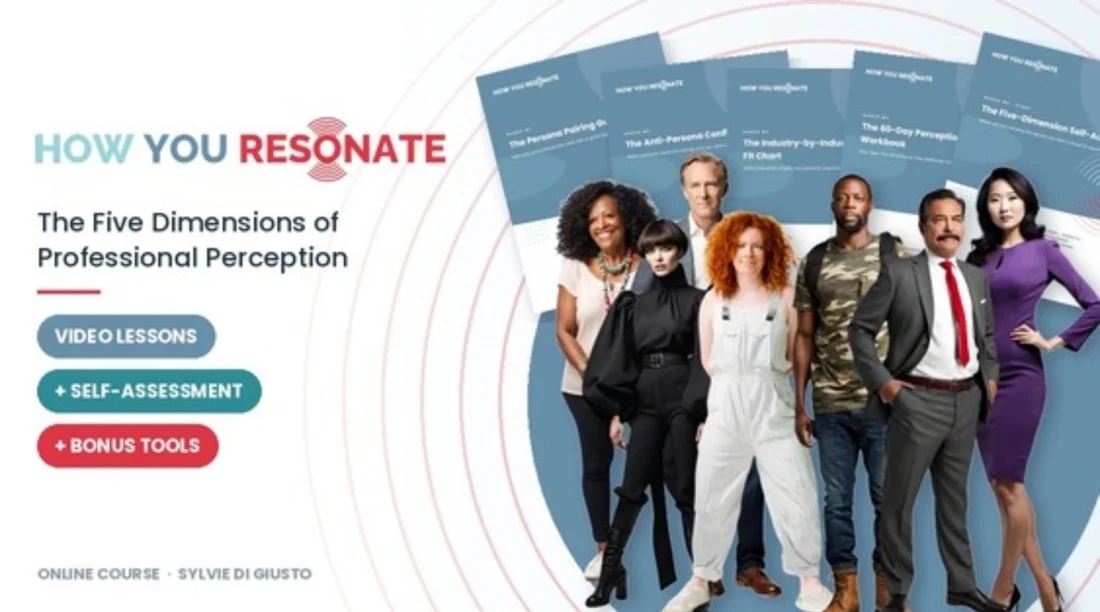
How You Resonate
Long before your best argument, people have already decided whether they trust you, based on signals you may not even notice. My course How You Resonate shows you exactly how you come across across five dimensions, so your message arrives with the credibility it deserves.

Frequently asked questions
Can anyone learn how to persuade, or is it a natural talent?
Persuasion is a skill you can learn and refine. Some people have a natural inclination toward it, but effective persuasion comes down to understanding how people decide, building trust, listening well and practicing proven communication techniques. Anyone willing to practice can become noticeably more persuasive, often within a few conversations.
What should I do if my attempt to persuade someone fails?
Treat it as information, not defeat. Ask yourself whether you understood their real concerns, whether your approach was too aggressive or too passive, and whether you offered the kind of evidence that matters to them. Then adjust. A respectful no today often becomes a yes once trust and timing are on your side.

Is persuasion more effective in person, on the phone or in writing?
It works in every medium, as long as you adapt. In person, body language and immediate feedback help you. On the phone, your tone and pace carry the message. In writing, clarity, structure and precise word choice do the heavy lifting. Strong persuaders choose the medium that fits the moment and the person.
What is the difference between persuasion and manipulation?
Intention and transparency. Persuasion helps someone make a decision that is also good for them, using honest arguments, real evidence and respect for their right to say no. Manipulation hides the motive, invents pressure or exploits weaknesses. People eventually feel the difference, and manipulation destroys the trust that persuasion depends on.