Emotional intelligence makes decision making sharper, not softer
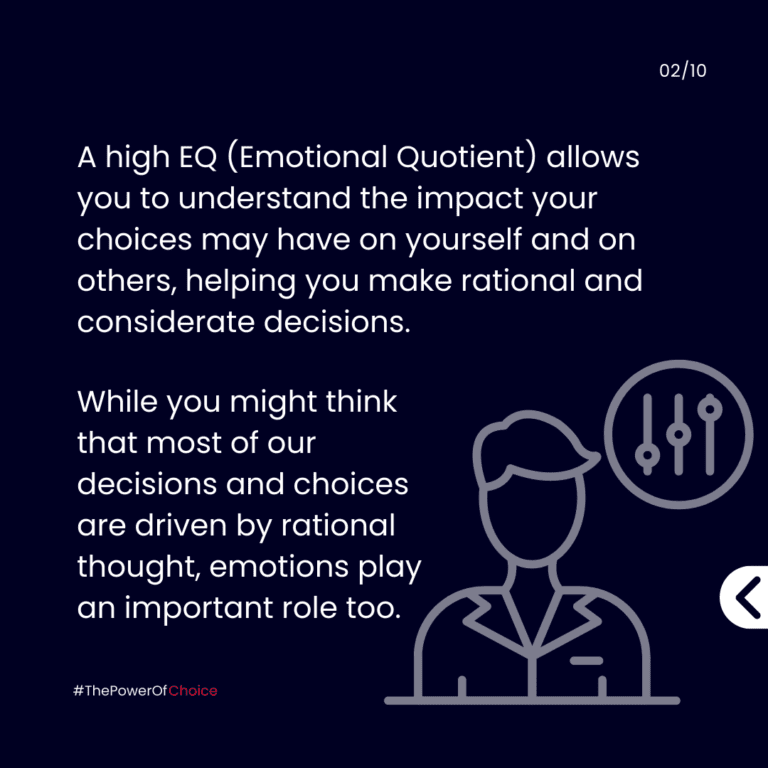
Emotional intelligence and decision making are closely connected. Every workday brings dozens of choices, and emotions shape far more of them than we like to admit. A high EQ helps you notice those emotions, understand how your choices affect you and others, anticipate problems and decide with both reason and consideration.
As a professional, the choices you make shape your career and the organization you work for. Knowledge and experience matter. So does your emotional intelligence, and that is the part I want to look at today.
When you understand your EQ, you understand the needs and motivations of the people around you better, including your own. You anticipate problems before they arise instead of reacting once they are on fire. You take an active role in resolving conflicts and reaching agreement. And you notice when your feelings are running high, so you can stay in control of the situation. That awareness makes you more mindful in every relationship, at work and in life.
KEY TAKEAWAYS
- Most decisions feel rational, but emotions play a big role in them.
- Professionals make dozens of choices a day, from wardrobe and tone to delegation and risk.
- A high EQ improves communication, conflict resolution, empathy, self-awareness and problem solving.
- Self-awareness helps you make choices aligned with your values and goals.
- Maximizing your EQ means practicing it daily: noticing emotions, staying open to feedback and managing stress.
What is the connection between emotional intelligence and decision making?
When you are aware of how your decisions affect your emotions, it is easier to choose wisely and stay on track with your goals. And every single day, you face dozens of decisions with small or major consequences for your success and the success of the people around you:
- Wardrobe: choosing attire that fits the company culture and still reflects your authentic style and professional image.
- Communication tone: picking a tone that suits the situation and reflects who you are.
- Social media presence: deciding what to post and share online, and how it affects your professional reputation.
- Networking: deciding when and how to grow your network and build relationships with colleagues and industry peers.
- Professional development: choosing the opportunities that improve your skills and performance.
- Representation at events: deciding how to present yourself at conferences, company meetings and other work gatherings.
- Feedback and criticism: deciding how to handle them professionally and constructively.
- Work-life balance: choosing a schedule that protects your personal life and well-being.
- Task prioritization: deciding which tasks and projects come first.
- Collaboration: deciding when to work alone and when to ask others for input or help.
- Delegation: deciding what to delegate and to whom.
- Time management: balancing work and personal demands and allocating your time between them.
- Problem solving: spotting issues and resolving them in time.
- Ethics: making decisions that match your values and your company’s, and meet ethical standards.
- Risk: deciding when a calculated risk is worth taking for innovation and growth.
And many, many more. None of them is purely logical, and none of them happens in a vacuum.
You may think most of your decisions are driven by rational thought. Your emotions would like a word.
How can emotional intelligence help you make better choices?
A high EQ helps you see the impact your choices have on yourself and on others, so you decide rationally and considerately. Emotions play a bigger role than we think, and here is how a strong EQ turns that into an advantage:
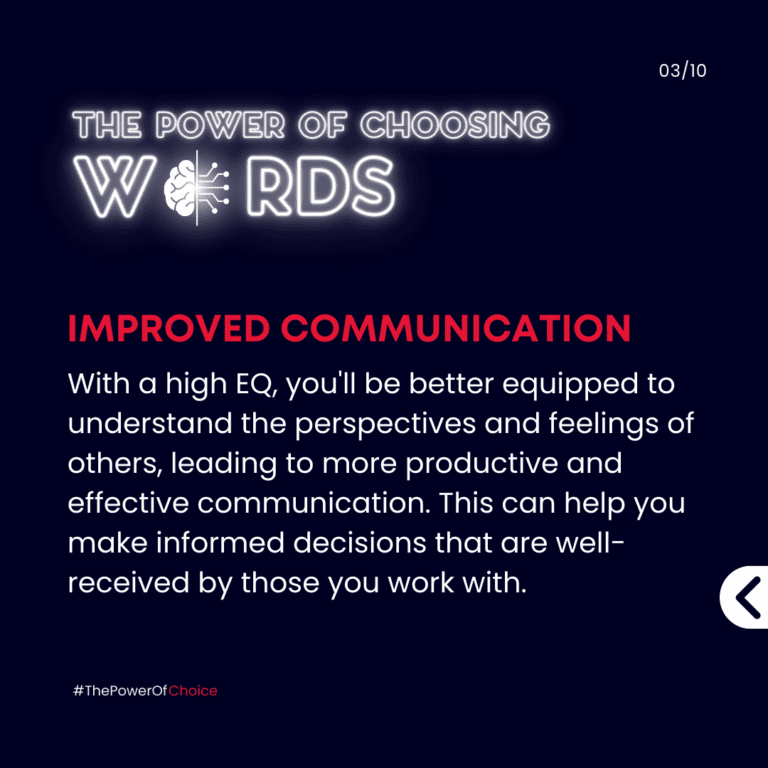
Better communication
You understand other people’s perspectives and feelings, so your conversations become more productive. That helps you make informed decisions that the people you work with actually accept.
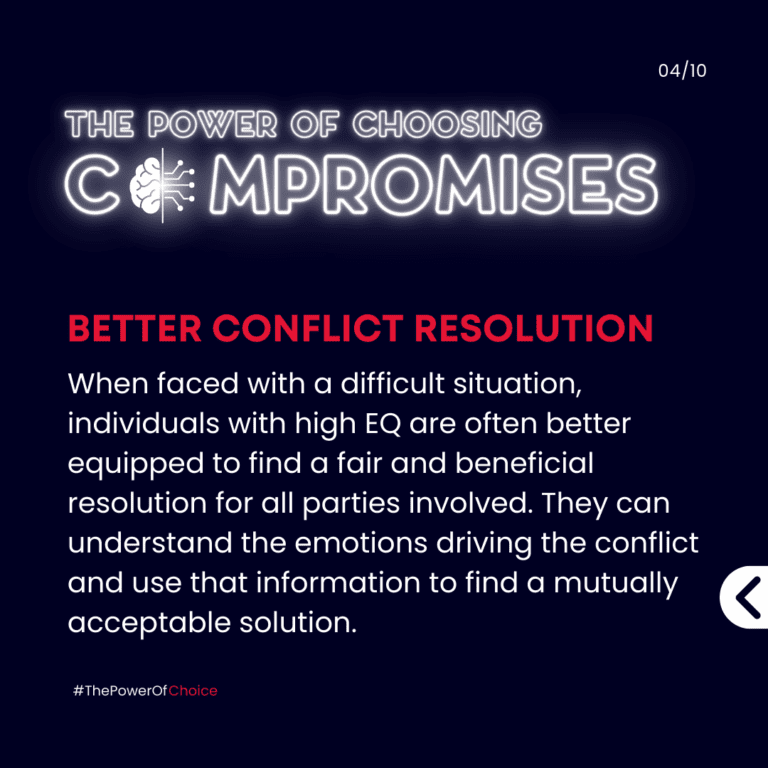
Better conflict resolution
In a difficult situation, people with high EQ are better at finding a fair resolution that works for everyone. They understand the emotions driving the conflict and use that knowledge to reach a solution all sides can live with.
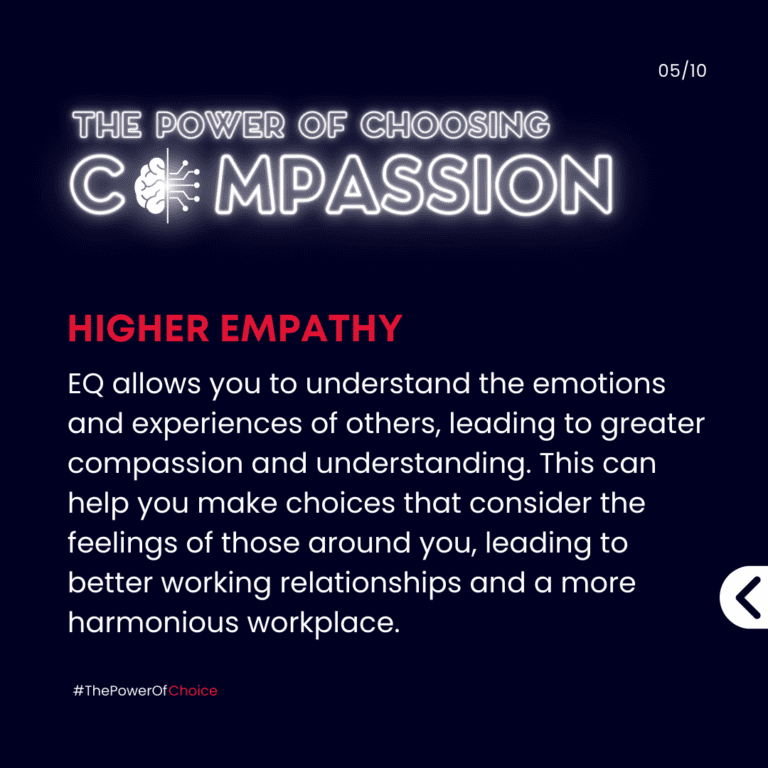
More empathy
Your EQ helps you understand the emotions and experiences of others. You make choices that consider how people feel, which leads to better working relationships and a more harmonious workplace.
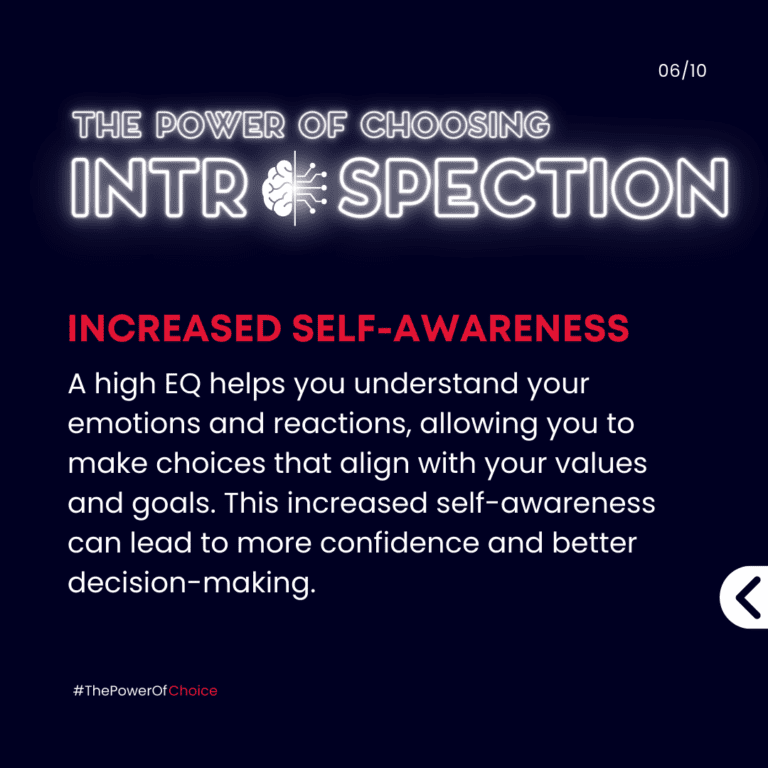
More self-awareness
Understanding your own emotions and reactions lets you make choices that align with your values and goals. That brings more confidence and better decisions.
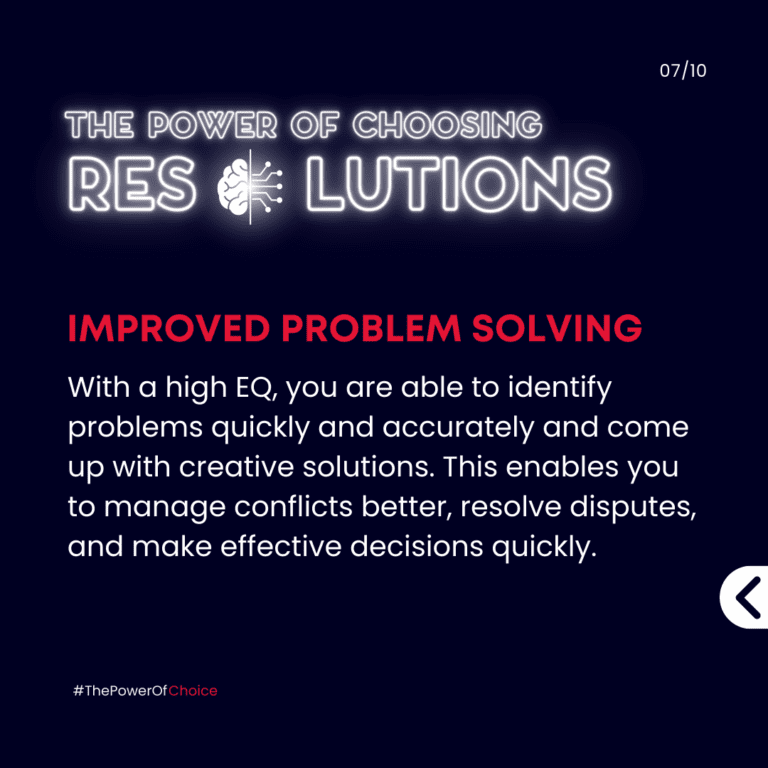
Better problem solving
With a high EQ, you identify problems quickly and accurately and come up with creative solutions. You manage conflicts, settle disputes and decide effectively, and fast.
High emotional intelligence pays off everywhere, from personal relationships to your career. Understand your emotions and use them well, and you get stronger connections, more successful interactions and a healthier work-life balance. Read more on the benefits of emotional intelligence in the workplace and how intentional choices change what you achieve.
How do you maximize your emotional intelligence?
- Recognize and understand your own emotions.
- Practice empathy toward others regularly.
- Reflect on yourself and build your self-awareness.
- Develop strong communication skills.
- Manage stress and negative emotions proactively.
- Stay open to feedback and constructive criticism.
- Seek to understand the emotions and perspectives of others.
- Build strong relationships with your coworkers.
- Respond to conflict constructively.
- Keep learning and growing your emotional intelligence skills.
Investing in your emotional intelligence is one of the smartest choices you can make, because it improves all the others. It is also why emotional intelligence runs through my keynote The Power of Choice.
Maximizing your emotional intelligence in a nutshell
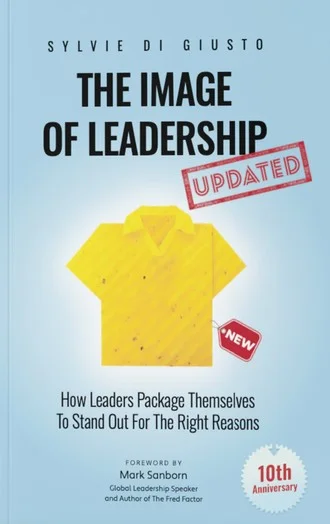
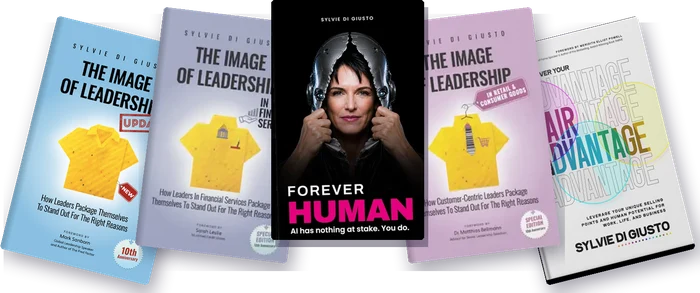
The Image of Leadership
Many of the daily choices in this article, what you wear, the tone you use, what you post, how you show up at events, are choices about how others will perceive you. The Image of Leadership helps you make them on purpose, across all five dimensions people judge.
Frequently asked questions
How does emotional intelligence affect decision making?
Emotions influence most decisions, even ones that feel purely rational. Emotional intelligence helps you notice those emotions, understand how a choice will affect you and others, and keep strong feelings from hijacking your judgment. The result is decisions that are both rational and considerate, and more widely accepted.
What decisions at work involve emotional intelligence?
Almost all of them: what you wear, the tone you choose, what you post online, how you network, how you handle feedback, how you prioritize and delegate, how you balance work and life, how you resolve problems, whether a decision is ethical and when to take a calculated risk.
How can I maximize my emotional intelligence?
Recognize and name your emotions, reflect on your reactions, practice empathy, strengthen your communication skills, manage stress proactively, stay open to feedback, try to understand other perspectives, invest in relationships with coworkers, respond to conflict constructively and keep learning. Small daily habits matter more than occasional big efforts.
Can emotional intelligence help resolve conflict at work?
Yes. People with high emotional intelligence understand the emotions driving a conflict, stay calm themselves and use that understanding to find a resolution that is fair for everyone involved, instead of simply trying to win the argument. That protects the relationship long after the conflict is resolved.