How to remember names, the way Mom said
How to remember names: give the person your full attention when they say it, repeat it back in the conversation, and link it to a vivid image or association. We forget names because our brain is busy processing everything else in a first meeting, so the trick is to deliberately make the name the one thing you focus on.
Dear [fill in your name],
Names. We all have one, and we use them every day without a second thought. Yet a name is more than a label. It shapes our identity, influences our interactions and can even nudge our future. Your mom was right when she told you to look people in the eye and remember who they are. Getting names right is good manners, and a lot more than that.
A name is the cornerstone of our social identity: the first gift we receive at birth and often the last thing that remains after we are gone. When you introduce yourself, you offer a gateway into your world.
Remembering someone else’s name is more than good manners. It shows respect for their identity and a real interest in connecting. It is the first stitch in the fabric of trust, and the start of a meaningful conversation.
KEY TAKEAWAYS
- Hearing your own name triggers a small dopamine response, which is why using names makes conversations warmer and more memorable.
- When someone shares their name, they entrust you with part of their identity. Getting it right honors that trust.
- We forget names because of cognitive overload, not because we do not care. Focus, repetition and association fix most of it.
- Getting a name wrong costs you reputation and opportunities, and it can hurt the other person’s self-esteem.
- When you forget or mispronounce a name, ask kindly, apologize once and move on.
Why do names matter so much?
The dopamine effect: the joy of hearing your own name
Hearing your own name triggers a unique response in the brain and releases a small but significant amount of dopamine, the “feel-good” neurotransmitter. That is why using someone’s name in conversation is courteous, and it works. It creates a positive emotional response and lays the foundation for a good relationship.
The same effect explains why personalized marketing works. An email or ad with your name in it grabs your attention in a sea of generic content. In an introduction, addressing the other person by name shows that your mind was in the room, too. It is a subtle, powerful signal of genuine interest. Using names:
- Increases engagement: the conversation becomes more memorable and has more impact.
- Invites reciprocity: it signals respect and attention, so people open up in return.
- Builds trust: even in brief interactions, it creates a sense of closeness, and trust is the bedrock of every meaningful relationship.
The trust factor: a name is a social contract
When someone shares their name with you, they entrust you with a piece of their identity. It is an unspoken agreement, a gesture of goodwill, and a foundation for trust. Getting the name right is not merely etiquette. It declares that you value that trust and intend to honor it.
- In business, getting names right can be the difference between sealing a deal and losing a client. Remembering and correctly pronouncing a client’s name shows that you invested time in understanding who they are, what they need and what they want to achieve. They are a person to you, not another face in the crowd.
- In personal relationships, consistently remembering names, including those of a friend’s partner, kids or colleagues, strengthens the bond. It says you cherish the person’s presence in your life, and that their name is part of your shared story.
Remembering a name says: you were worth my attention. Forgetting it says the opposite, whether you meant it or not.
Why do we forget names so quickly?
We have all been there. Someone introduces themselves, and seconds later the name is gone. It is not that you were not paying attention. Your brain was overloaded.
In a first meeting, your brain is a busy control center. It processes the other person’s appearance, behavior, verbal and non-verbal communication, and somewhere in the middle of all that, their name. Think of a juggler with too many balls in the air: visual cues, sounds, social rules, and then one more ball called “Michael.” No wonder it drops.
Understanding this tells you exactly what to do about it:
- Focus: give your undivided attention when someone introduces themselves. Pause, and let the name register.
- Repeat: say the name back during the conversation. Repetition reinforces memory.
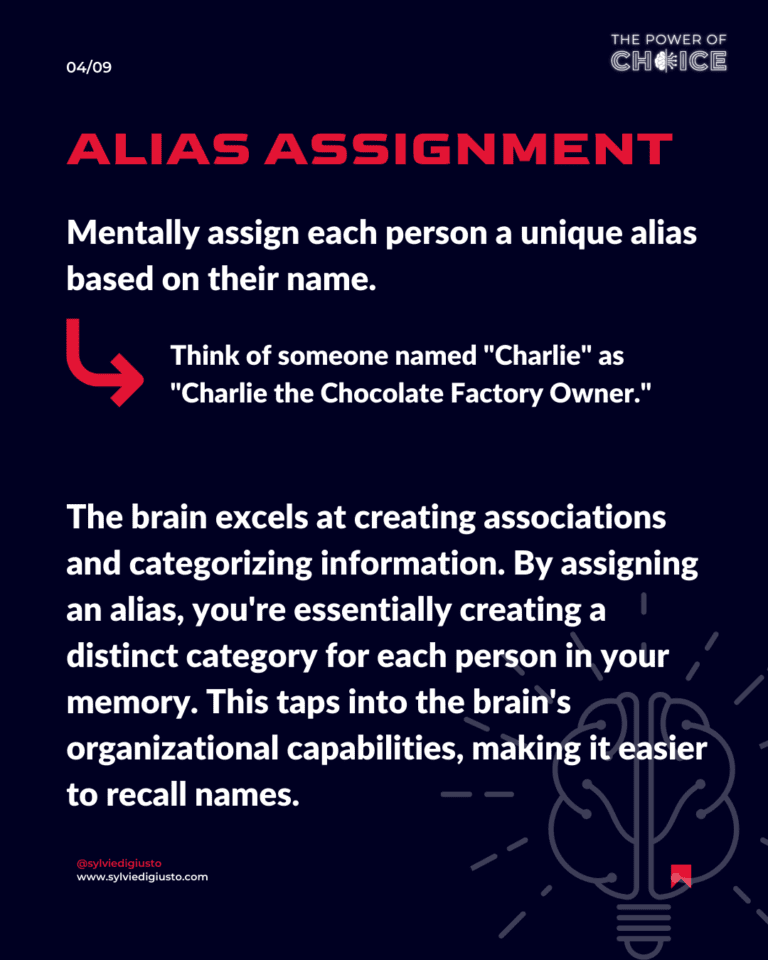
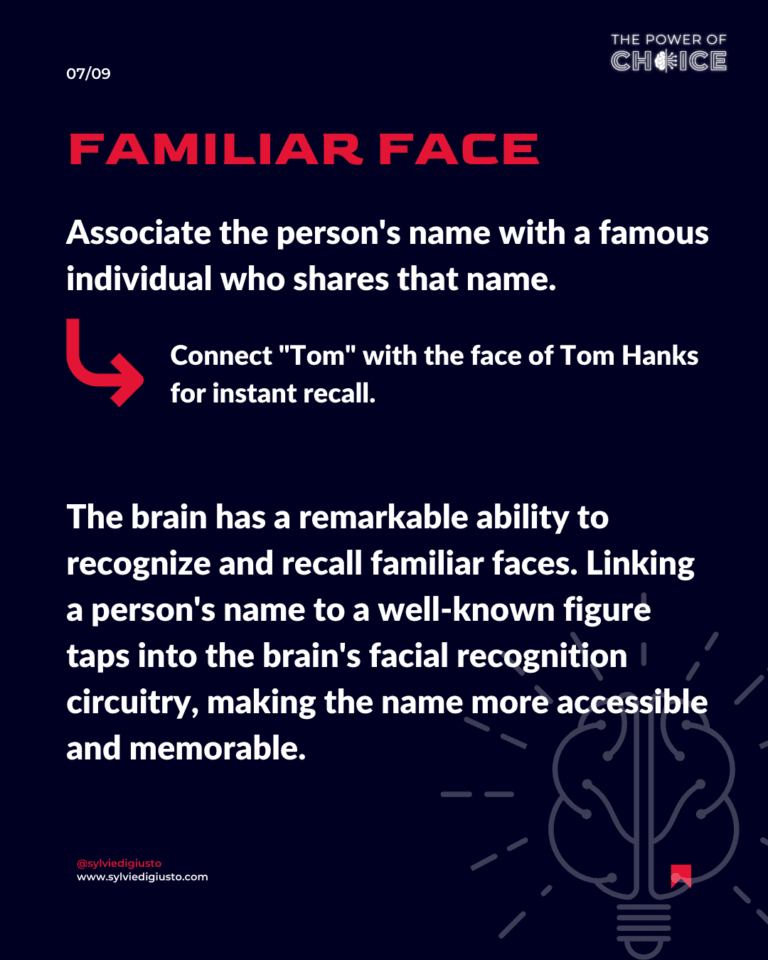
- Associate: link the name to a familiar image or concept, so your brain has a hook to find it later.
What does it cost to get a name wrong?
We all know the cringe when someone gets our name wrong. It is more than awkward. It can feel disrespectful, even insulting. The social cost is high, especially in professional settings where first impressions matter: job interviews, networking events, important business meetings.
- Your reputation: a professional reputation is delicate. Even a single name blunder can make colleagues, clients or managers question your attention to detail.
- Your opportunities: networking is unforgiving about names. One misstep can cost you a valuable connection or a lucrative deal.
- Their self-esteem: for the person whose name you forgot or mangled, it can sting. It suggests they did not leave enough of an impression to be remembered.
How do you handle names across cultures?
Every culture has its own customs and conventions around names. Respecting them is more than cultural competence. It is a sign of respect. Whether you work with international clients, travel for business or simply want a more global mindset, name etiquette is worth learning.
- In international business, names carry weight in relationships and diplomacy. Take the time to learn how your counterparts prefer to be addressed.
- Naming conventions differ. Which name comes first, which is used in conversation and how formal you should be vary from place to place. When in doubt, ask.
- Respecting local customs builds bridges. It shows you care enough to get it right, and that opens doors across cultural divides. For more on this, read my questions to ask before you work across cultures.
Lost in translation
In a globalized world, names from different languages and cultures meet every day. Handling those encounters with grace and sensitivity matters. Pronunciation can be genuinely difficult when a name comes from a language you do not speak. Translations can go wrong, sometimes in funny ways, sometimes in cringe-worthy ones. The answer is always the same: be curious, be humble and ask. As someone whose own name gets creatively reinterpreted on a regular basis, I promise the asking is always appreciated.
How to remember names, pronounce them and recover from mistakes
Recalling names effortlessly, pronouncing them correctly and asking gracefully when you have forgotten all reflect your commitment to real relationships. And when mistakes happen, as they will, how you handle them can strengthen the connection instead of damaging it.
How to remember names
- Repetition: use the person’s name during the conversation to reinforce it.
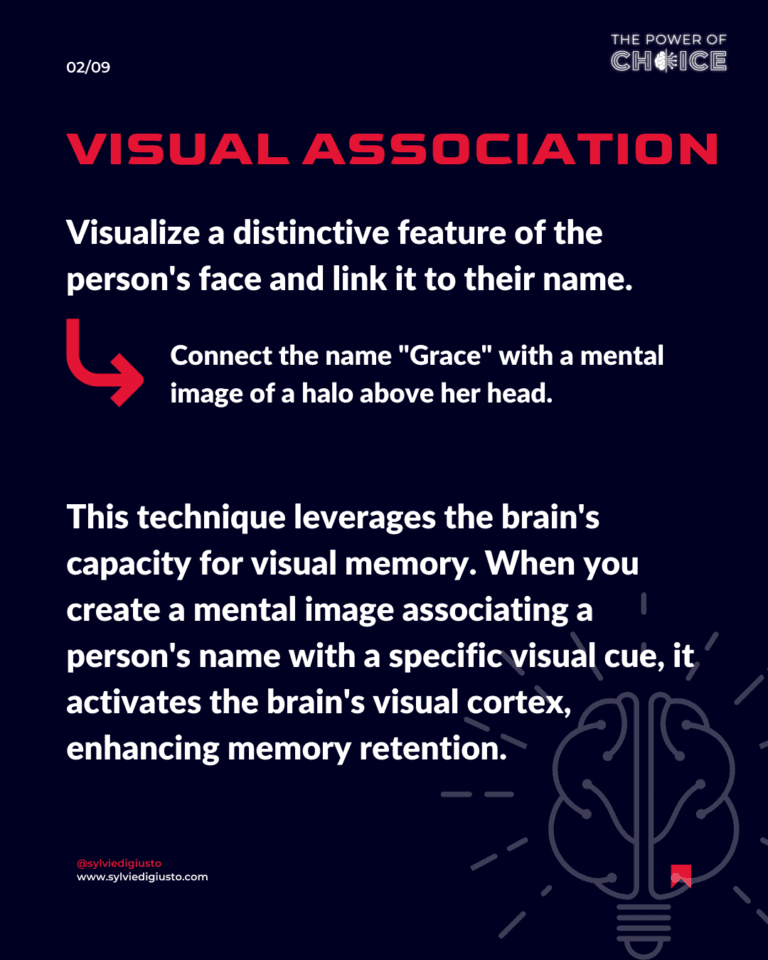
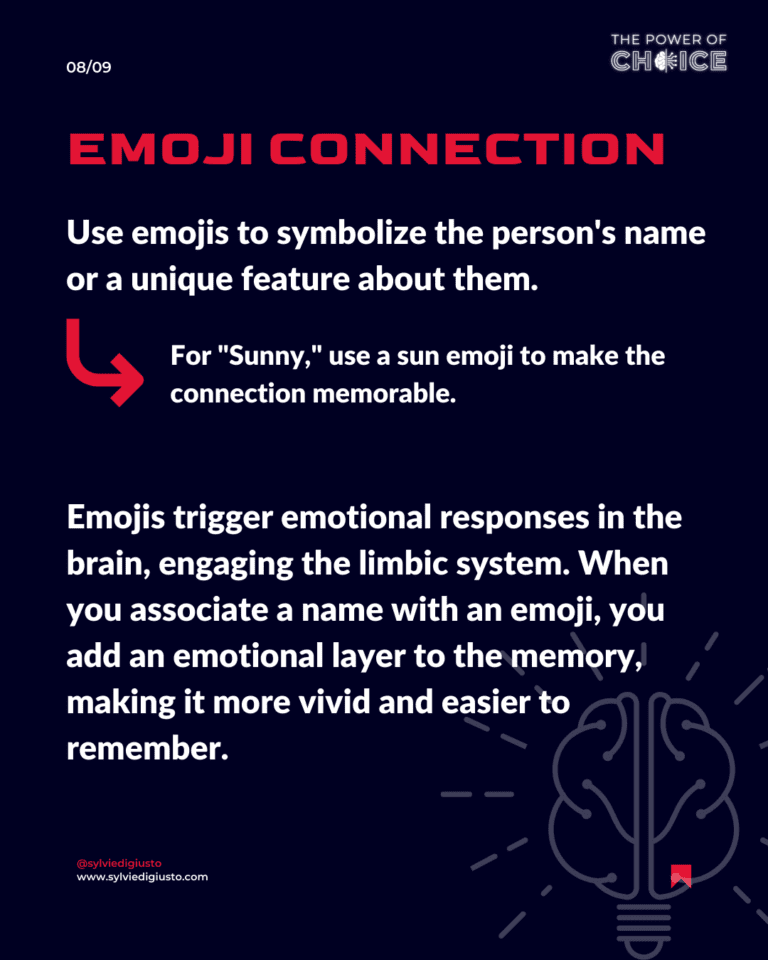
- Word association: connect the name with a distinctive feature or characteristic of the person.
- Visual images: picture the name as an image or object.
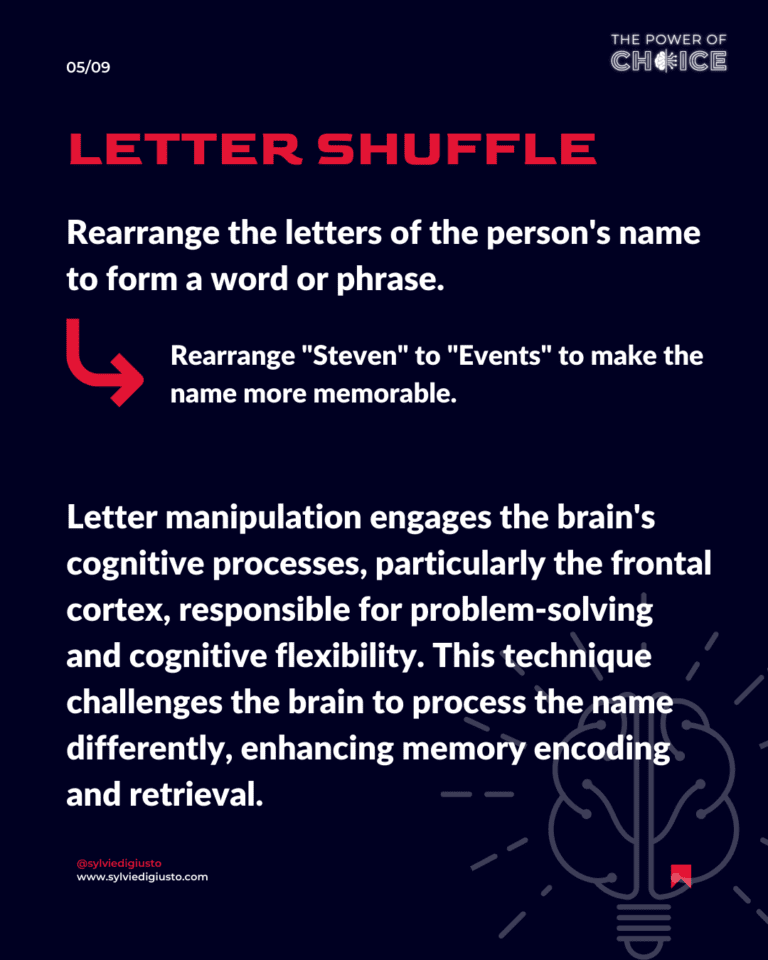
- Acronyms and rhymes: build a little rhyme or acronym around the name to help recall.
How to pronounce names correctly
- Ask: politely ask the person to say their name for you. It shows genuine interest.
- Listen closely: pay attention and mimic the pronunciation as closely as you can.
- Stay warm: ask in a friendly, respectful tone.
- Explain why: say you want to get it right because it matters to you.
How to ask for a name you forgot
- Be friendly: “I’m sorry, I didn’t quite catch your name. Would you mind repeating it?”
- Go first: offer your own name as a friendly gesture before asking for theirs.
- Normalize it: mention that everyone forgets names sometimes. It takes the awkwardness out.
- Use light humor: a gentle joke eases the tension, as long as it stays respectful.
How to handle a name mistake
- Apologize promptly: acknowledge the mistake and say you are sorry, sincerely.
- Use humor if it fits: a light touch can defuse the moment.
- Don’t over-apologize: one sincere apology is enough. Five make it awkward for both of you.
In the end, it is not just about the words. It is about the respect and interest we show through them. Using someone’s name is not a formality. It honors their identity and invites them into a shared conversation. So use names wisely, remember them warmly and handle them with care.
And when it is your turn to say your own name, make it count with these 36 memorable introductions.
Remembering names in a nutshell





The Image of Leadership
Remembering a name is one of the small behaviors people judge you by long after the meeting ends. Behavior is one of the five dimensions in The Image of Leadership, where I show how these little signals add up to the leader people trust.
Frequently asked questions
What is the best way to remember names?
Focus completely on the name when you hear it, repeat it back right away (“Nice to meet you, Anna”), use it once or twice more in the conversation and link it to a vivid image or a feature of the person. Writing it down after the meeting helps lock it in.
Why do I forget names so quickly?
Mostly because of cognitive overload. In a first meeting, your brain processes appearance, body language, tone, small talk and social expectations at the same time, and the name is just one more piece of information. Without deliberate attention and repetition, it never makes it into memory.
What should I say if I forgot someone’s name?
Be honest and friendly: “I’m sorry, your name has slipped my mind. Could you remind me?” Offering your own name first often prompts them to repeat theirs. Most people forget names occasionally, so a warm, simple request is far better than avoiding them or guessing wrong.
How do I ask someone how to pronounce their name?
Ask directly and kindly: “Could you say your name for me? I want to make sure I pronounce it correctly.” Listen carefully, repeat it back and ask if you got it right. People almost always appreciate the effort, and it shows that their name matters to you.