
The wow factor rarely comes from a bigger budget
The wow factor at events rarely comes from a bigger budget. It comes from moments attendees did not expect and cannot stop talking about: an immersive keynote, real interaction instead of “raise your hand,” content that moves people emotionally, and examples so customized the audience recognizes itself. Here are seven strategies that create it.
Every organizer wants the same thing: an event people remember long after the badges go in the drawer. Getting there means going beyond the ordinary agenda of panels, slides and coffee breaks.
I have planned events from the inside, as the head of a management academy, and I have stood on many stages since. These are the strategies I have seen turn a good conference into the one people still mention a year later.
KEY TAKEAWAYS
- An immersive 3D keynote turns information into an experience, which is what people remember and retell.
- Real audience interaction goes far deeper than a show of hands, and it makes attendees co-owners of the session.
- Emotions are the gatekeepers of memory. Content that moves people sticks.
- A speaker with a global perspective helps diverse audiences see themselves in the message.
- Customization is the ultimate wow: when attendees see their own examples on stage, they feel seen.
- An easy-to-work-with speaker protects the magic long before the event begins.
Strategy 1: How does an immersive keynote create a wow factor?
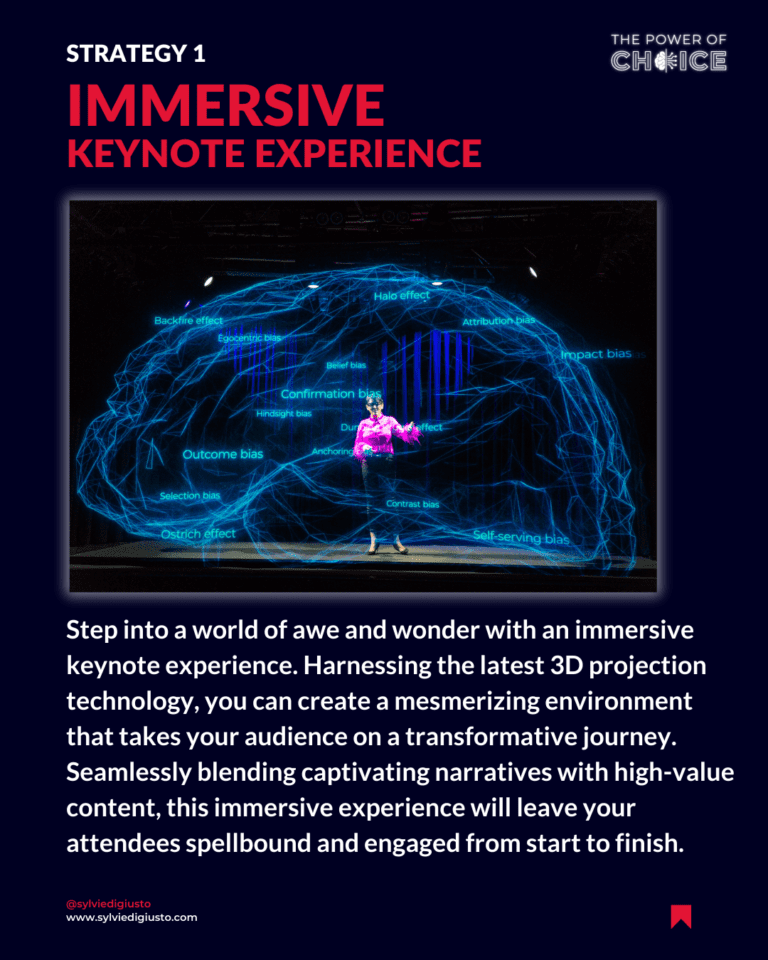
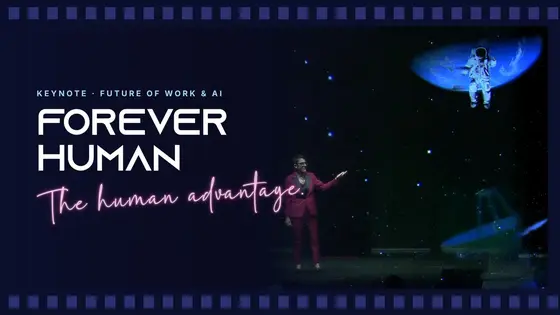
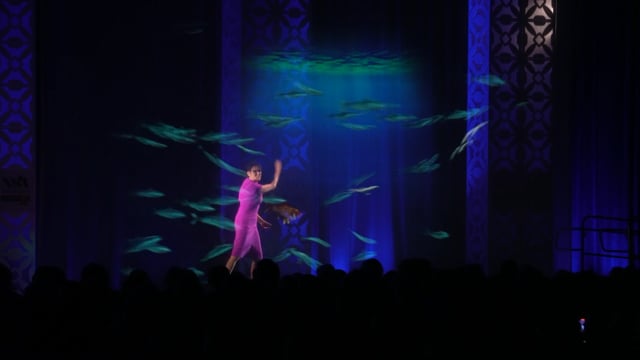
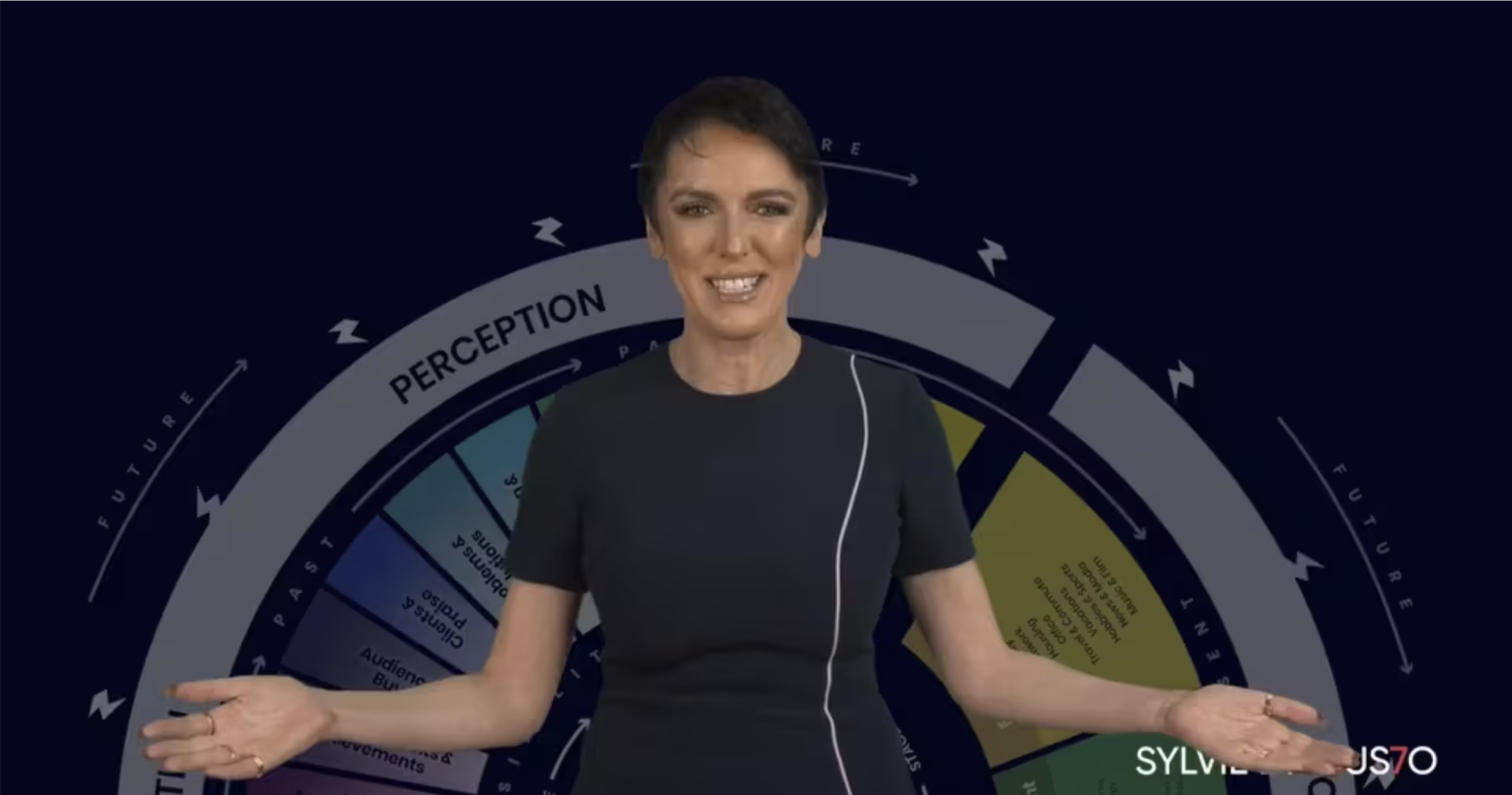
An immersive keynote replaces the slide deck with 3D projection technology, and the stage becomes a living canvas. Ideas are experienced, not explained. The audience is pulled into a visually striking environment, and the combination of story and substance keeps them engaged from the first minute.
That matters beyond the “ooh” in the room. When people experience information instead of reading it from a screen, it has a deeper effect on learning and retention. An immersive keynote also signals that your event invests in innovation. It creates buzz, positive word of mouth and a reputation for being the conference that does things differently.
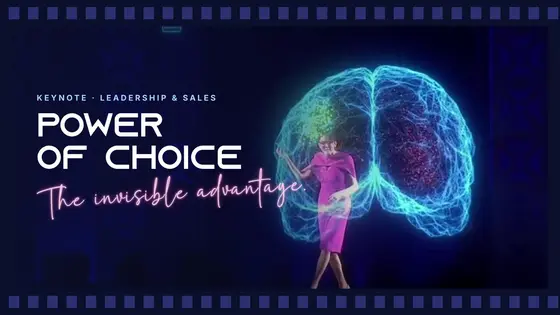
My own keynotes work this way. The Power of Choice weaves stories and practical content into a 3D world built around the five dimensions of how people are chosen: Appearance, Behavior, Communication, Digital and Environment. The technology is there to strengthen the story and make it visible, never to replace it.
Strategy 2: Go beyond “raise your hand if you…”
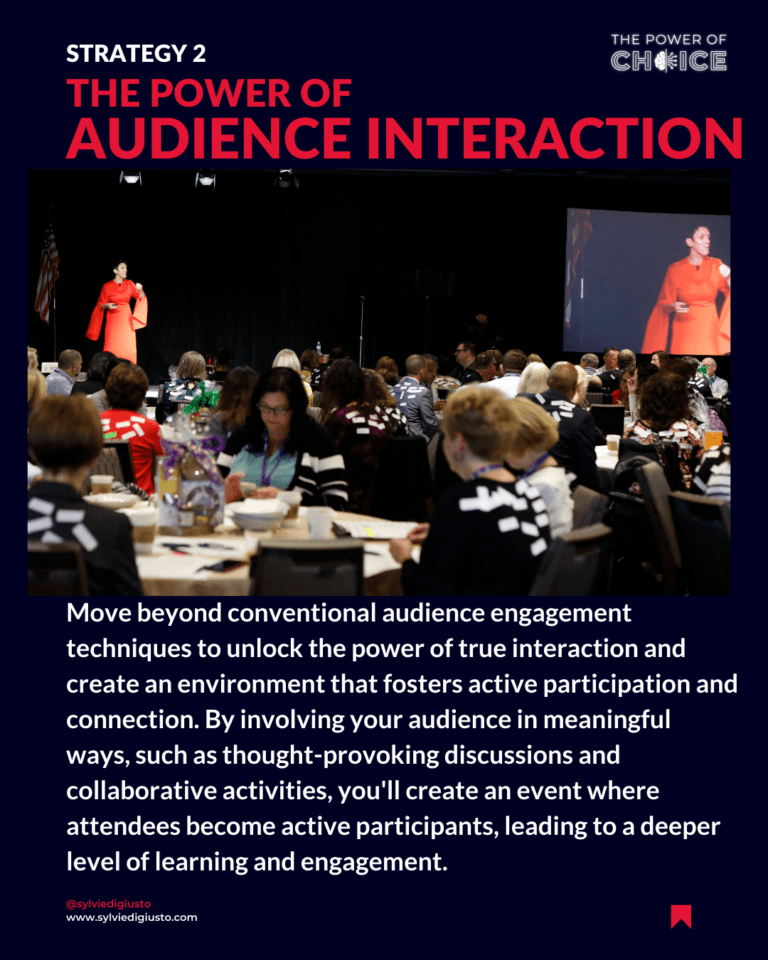
Audience interaction does not belong only in breakout sessions. Keynotes benefit just as much. But most speakers stop at the generic “raise your hand if you…” question, and that is not interaction. That is a stretching exercise.
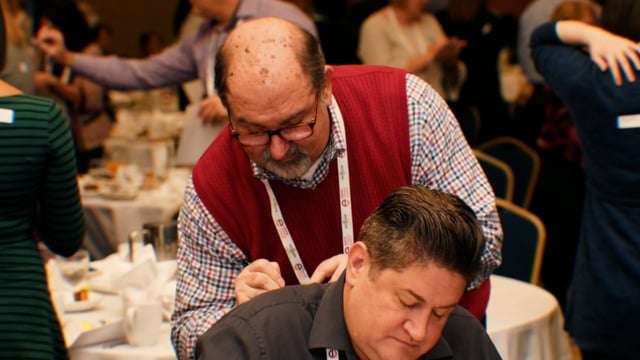
Real interaction taps into what the audience knows and has lived through. Thought-provoking exercises, small group discussions, live polls, interactive media, even real-time problem solving. These techniques hold attention, and they bring perspectives into the room that make the session richer for everyone.
The effect is profound. Attendees feel seen, heard and valued. They become co-owners of the experience, which makes it personal, improves retention and sparks conversations that continue at lunch.
In my keynotes, I design moments of self-awareness, reflection, joy and plenty of laughter, so people are actively involved in their own learning. I also like surprises. Challenging assumptions and introducing unexpected perspectives keeps a room curious, and curious people participate.
Strategy 3: Let people learn through emotion
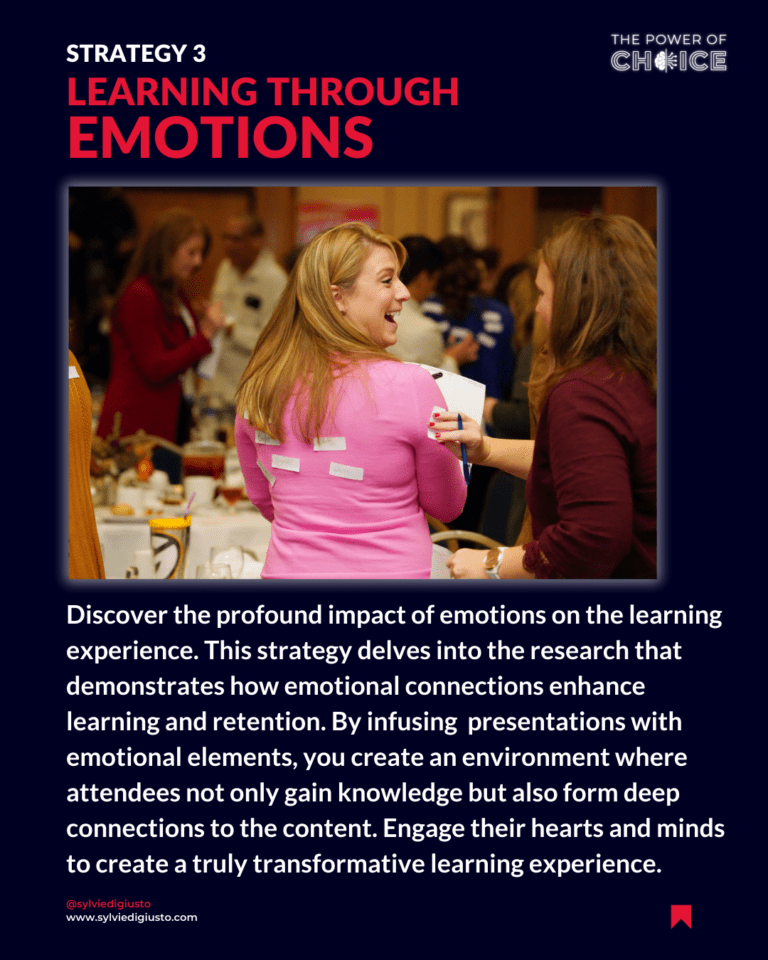
Traditional learning delivers information in a straight, logical line. Research has shown that audiences benefit significantly when they go through a range of emotions or feel emotionally connected to the content. When emotions are engaged, the brain is more open to new information. Emotions act as gatekeepers of memory.
This approach goes beyond transmitting facts. It invites personal connection and self-discovery, so participants understand the content and feel how it applies to their own lives.
Emotions are the gatekeepers of memory. If a session never moves people, it rarely stays with them.
I learned this long before I became a speaker. As head of the management academy of a retail and tourism company with more than 100,000 employees, I had leaders ride horses to learn leadership, drive on a Porsche race track to practice fast decision-making and train their communication skills in a museum built by blind people. Since then, emotion has been part of how I design every learning experience, on stage and off.
Strategy 4: Book a speaker who has seen the world
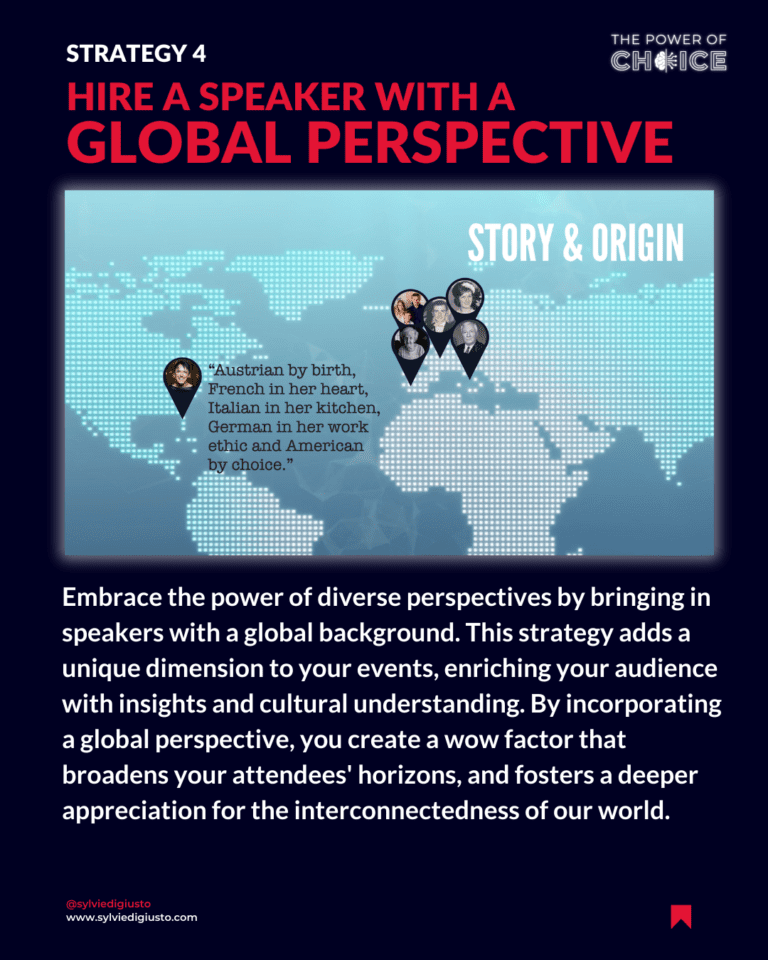
Speakers with diverse backgrounds bring a global perspective that challenges conventional thinking and broadens horizons. They understand cultural nuances, and they can adapt their content and delivery with references, stories and examples that resonate with a diverse audience.
International speakers also tend to bring captivating personal stories: different cultures, different obstacles, success in very different contexts. Those stories offer a fresh view on overcoming challenges. Add a delivery style shaped by more than one culture, with storytelling, humor and interaction, and the audience is informed, entertained and inspired at once.
As for me: I am Austrian by birth, French in my heart, Italian in my kitchen, German in my work ethic and American by choice. I have worked with audiences across the globe and in many industries, and that mix lets me adjust my communication style, examples and references to the people in front of me, wherever they come from.
Strategy 5: Virtual is not different
Impressing people is just as essential when your audience is spread around the world. With the right setup and technical expertise, a virtual presentation can rival the impact of an in-person event, and attendees can feel connected, engaged and inspired wherever they sit.
Production quality decides how a virtual audience perceives the event: picture, sound, lighting and a reliable connection. Then come the creative opportunities. Live polls, chat discussions and breakout rooms engage the audience, while video, animation and graphics make the presentation dynamic.
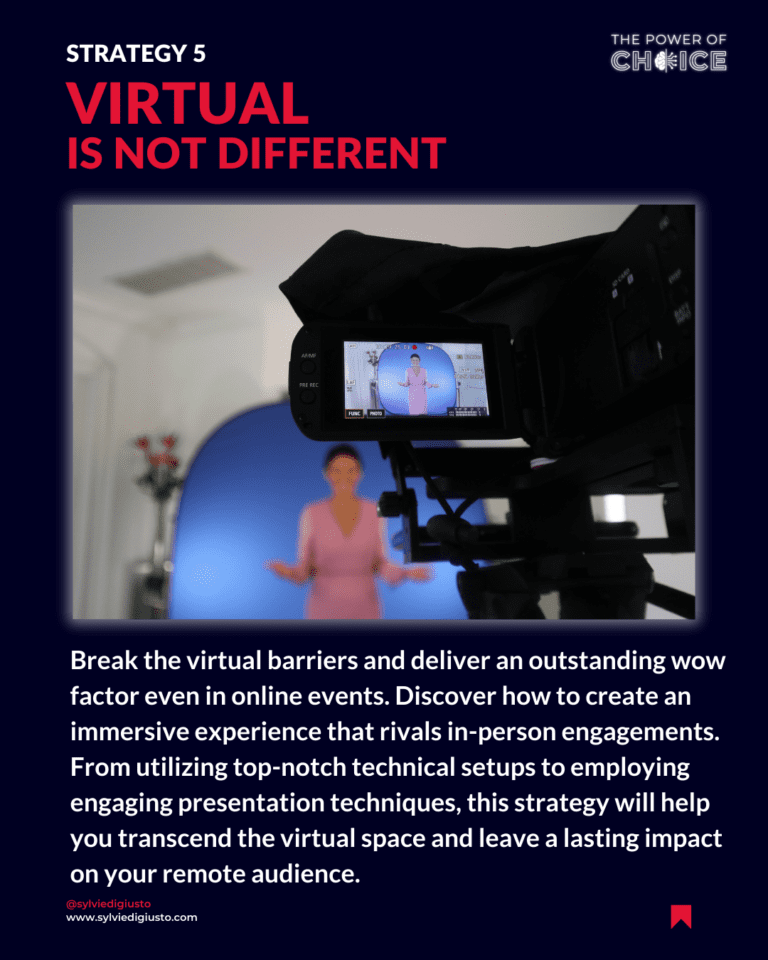
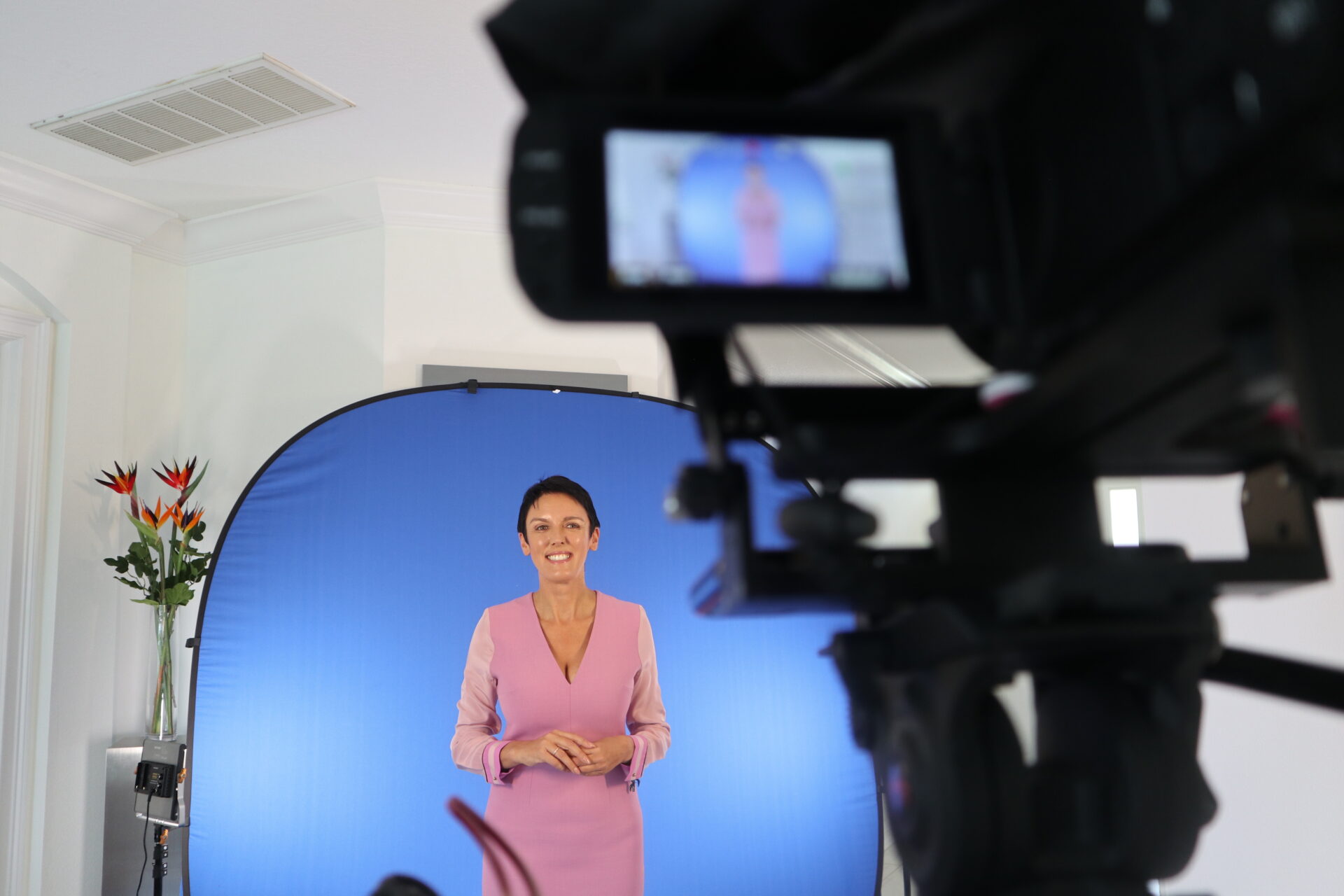
My home studio is equipped with professional cameras, lighting and audio, so a virtual keynote, live or pre-recorded, carries the same engagement and interactivity as one in the room. For more complex productions, I rent a professional green screen or LED studio. Your online audience deserves nothing less.
Strategy 6: Customize for the ultimate wow
Generic theories and examples rarely meet an audience’s expectations. Attendees want a presentation that feels made for them. When a speaker customizes the content for your event, the effect is remarkable.
Relevance creates connection. When attendees see themselves or their own examples on stage, it is a moment of recognition: their experiences, challenges and achievements matter. That builds an immediate bond between speaker and audience. Generic presentations, on the other hand, feel distant. People struggle to apply the ideas to their own situation, and interest fades.
Customized content that shows attendees in their best light creates pride and ownership. Highlighting their successes boosts confidence and builds a collective sense of accomplishment, which is a powerful catalyst for growth and collaboration afterward.
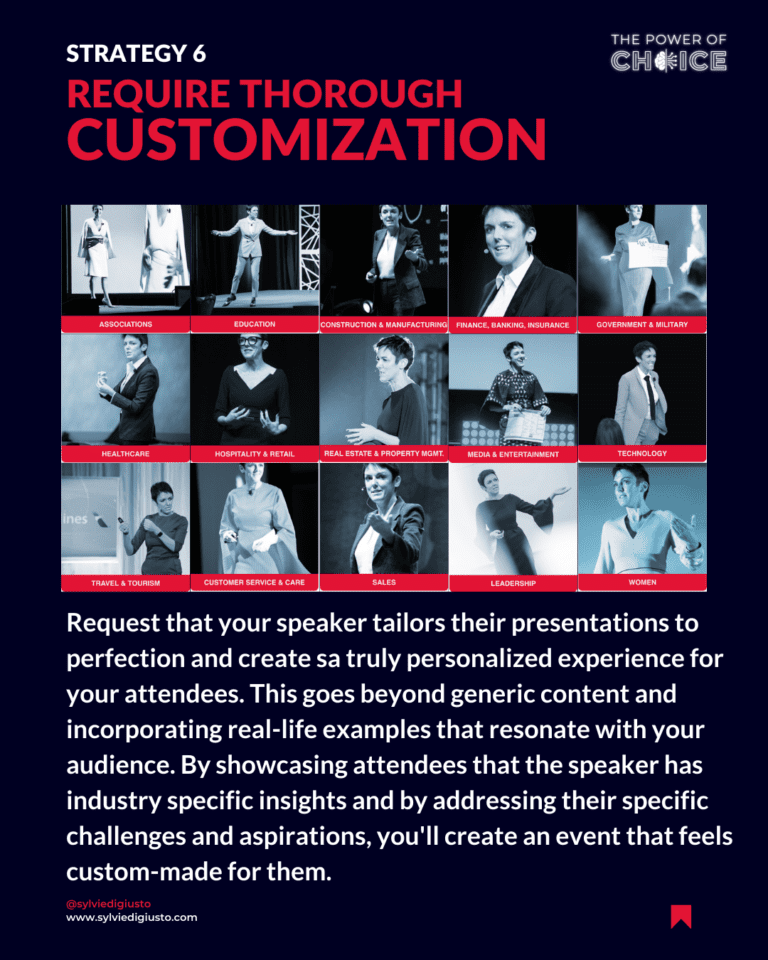
That is why I never deliver a keynote off the shelf. Before the event, I may ask for an attendee list or interview your leadership team to understand your specific needs and wins, then weave those real examples into the keynote. I also research your industry, its challenges and trends, so the insights land where your people work. Some of the industries I have had the pleasure to serve show up in the work I am proudest of.
Strategy 7: Choose a speaker who is easy to work with

An event’s wow moment is shaped long before the doors open. A speaker who collaborates, shares your goals, makes the host the star and makes sure the audience walks away with something remarkable is an invaluable asset. The last thing a planner needs is a diva who creates complications and demands attention.
Easy to work with means professional and flexible. Responsive to emails. Timely, complete information. Calm when plans change. And willing to go the extra mile to make the host shine, because the event’s success reflects on the host’s reputation.
Having been responsible for many events myself, I know what organizers go through to find the right speaker. So I take pride in being low maintenance: clear about expectations, receptive to your needs and committed to results that reflect well on you and your organization. My diva mentality? Zero. That leaves you free to focus on everything else on your list.
Bonus strategy: work with professional partners
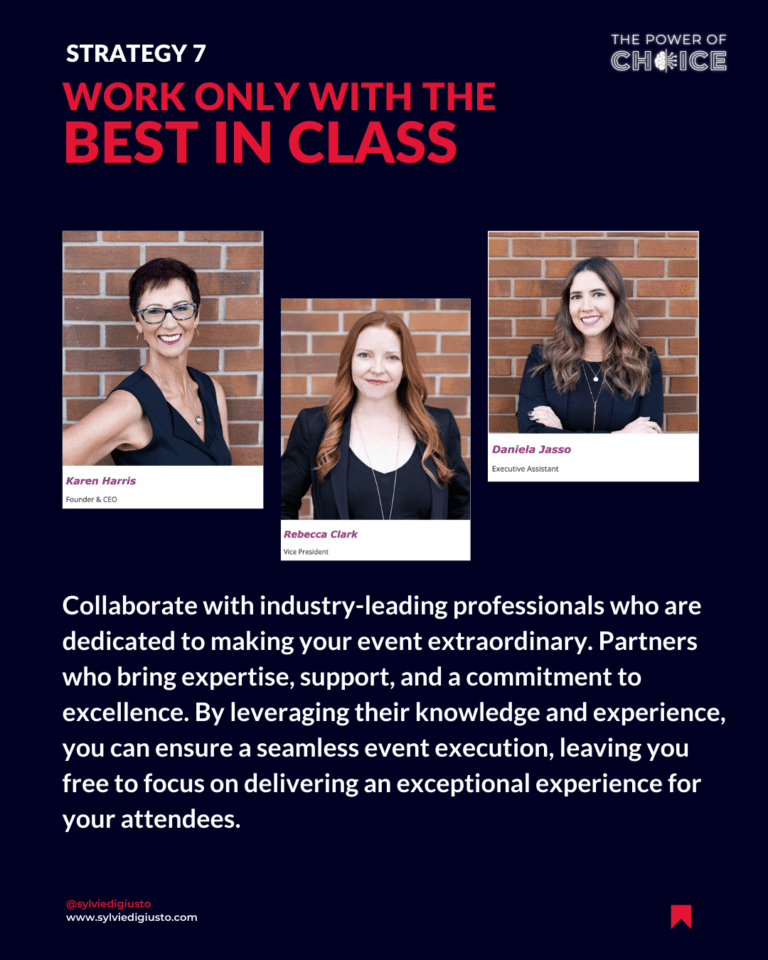
Events that truly impress are rarely built alone. Experienced partners, from production companies to speaker management, take the burden of logistics off your shoulders so you can focus on your audience. My team handles every booking and logistics detail with speed and accuracy, and that is a big part of why the day itself feels calm for you.
Want to go deeper? Read what an immersive keynote experience is, how immersive keynotes impact learning and retention, and how to find the perfect keynote speaker for your conference.
7 strategies for a wow factor at events in a nutshell


If you want to see what this looks like inside your own event, have a look at the 3D immersive experience. It was built for exactly this kind of moment.

Frequently asked questions
What is a wow factor at an event?
A wow factor is a moment or element that surprises attendees, moves them and gives them something to talk about afterward. It can be an immersive keynote, a genuinely interactive session, a deeply customized message or a technology they have never seen before. The best ones also carry a message people remember.

How do you wow attendees at a conference?
Break the expected format. Replace slides with an immersive experience, involve the audience in more than a show of hands, design moments that create emotion, and customize content so attendees see their own examples on stage. Choose speakers and partners who make the planning calm, so you can focus on the attendee experience.

Can a virtual event have a wow factor?
Yes. Strong production quality, meaning professional cameras, lighting, audio and a reliable connection, sets the baseline. Then use live polls, chat discussions, breakout rooms and multimedia to involve the audience. A speaker who designs the virtual session as an experience, not a webinar, makes the difference.
Why does customization matter so much for events?
Because relevance creates connection. When attendees recognize their own company, industry and achievements in a keynote, they feel seen and valued, pay closer attention and apply the ideas more easily. Generic content feels distant and is quickly forgotten, no matter how polished the delivery.