How long does it take to form a first impression, according to research?
Many studies look at how fast we judge each other. Some say milliseconds, others suggest longer. Here are the ones I get asked about most.
Tenth of a second
Two psychologists at Princeton concluded that it takes only a tenth of a second to form a first impression. In separate tests, they studied the judgments participants made about faces. The fastest decision was about attractiveness, followed closely by trustworthiness.
27 seconds
Another study, which surveyed more than 2,000 Americans, concluded that you have 27 seconds. It also found that:
- 69% of participants formed a first impression of someone before that person even had a chance to speak.
- 83% felt more positive about someone who seemed confident in themselves.
33 to 100 milliseconds
A study by the University of York suggests that a single glance at a face, lasting 33 to 100 milliseconds, is enough. Based on 126 university students, it found only slight additions to people’s impressions between 100 and 500 milliseconds. In other words, they had mostly made up their minds within the first tenth of a second.
7 seconds
I often refer to work associated with NYU that describes up to eleven assumptions people may make about you within seven seconds, depending on the occasion. Then I had the great pleasure of meeting Dr. Solomon in person. He told me how often this idea gets misused, presented as if it takes exactly seven seconds and exactly eleven assumptions. According to him, no research quantifies it as precisely eleven decisions in seven seconds.
It is a perfect example of experts bending studies to prove their own point.
Why do the studies disagree?
Don’t misinterpret
Many of these studies show participants photos of strangers and measure how long they take to rate certain traits. Results differ by population. Age, gender, race and other personal factors play a huge role in how we form assumptions about others, and we all process information at different speeds. Every study uses different test groups and different methods, and none can be recreated exactly in real life.
Don’t ignore
What all of them do have in common: we form first impressions fast, often before we have shaken hands or spoken a word. Whatever the exact number of seconds, we evaluate and jump to conclusions about people in very little time.
We base those impressions on appearance, behavior and communication, and today on the digital footprint people leave behind. Nobody walks into a meeting planning to judge. We do it subconsciously and effortlessly.
Think of the hundreds, maybe thousands, of encounters you have every day, in person and online. Think about how quickly you size someone up. You rarely notice it happening in your own head. Now remember that the same process runs in everybody else’s head too, about you.
Instead of obsessing over a specific amount of time, think about how you will make the most of every encounter.
Don’t take out of context
Do not lift studies out of context. Plenty of research has been miscommunicated in the business world to make science say what people want it to say, and first impression research is no exception. Make sure you are not planning how you show up around a number that does not hold up in the real world.
The most useful thing to remember walking into any room: eyes are on you before you get the chance to shake anyone’s hand. Prepare, and you show people why you deserve their respect. Your confidence grows with every encounter you plan on purpose, so you come across the way you want to, from the very first millisecond.
Did it go wrong anyway? Here is how to overcome a bad first impression. And for the bigger picture, read how important first impressions really are.
How You Resonate
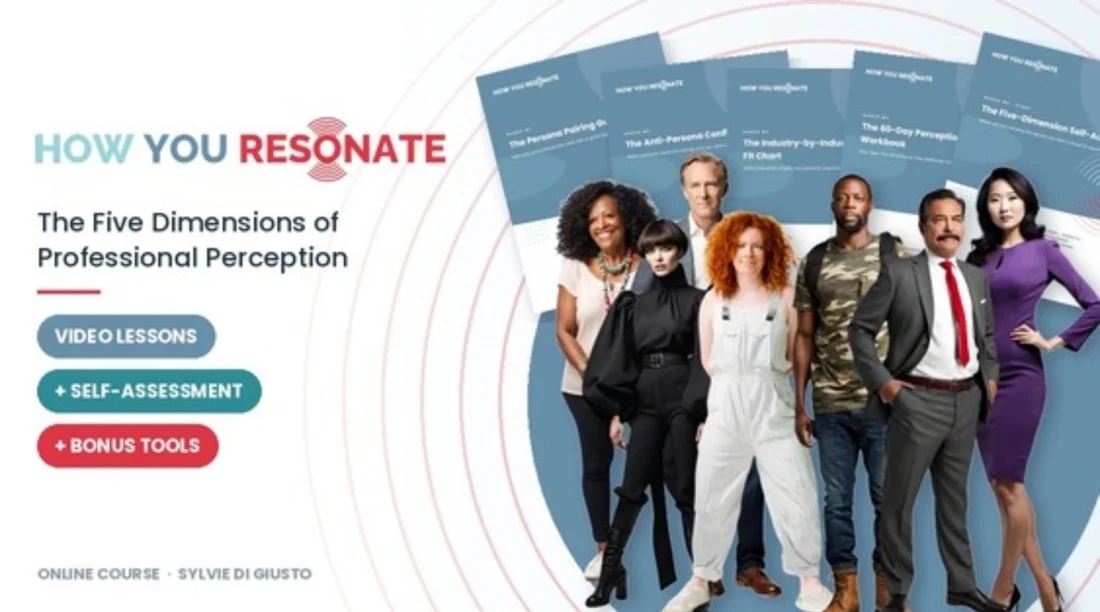
If people decide in a blink, the blink deserves a plan. My online course shows you the five dimensions people read in those first moments and the seven personas they sort you into, so you can shape the verdict instead of hoping for it.