Should women over 50 try to look younger?
No. As we age, many of us try to look younger: flashier clothes, every new trend, sometimes dramatic cosmetic surgery. What this signals to the people around us is insecurity about the stage of life we are in. We turn to these fixes to hide our anxieties, and unfortunately, they put them on display.
If you dress like your 18-year-old daughter, you are not doing yourself any favors. You will likely come across as insecure and as trying too hard. That effort to hold on to a more youthful persona can read as immature, and it leads people to assume you are inexperienced or unprofessional.
Don’t get me wrong. You also should not wear clothes from decades ago (more on that in a moment). And cosmetic procedures are not always negative. Small adjustments that boost your confidence can be a helpful tool. The goal is balance, not drama: somewhere between what makes you feel assured and what looks right for your stage of life.
You do not need procedures or fads to look younger. Embrace your age. Once you own it and feel proud of everything you have built in your career, your natural poise shows. That is what people remember, not your age.
Own your age, and your poise shows. That is what people remember, not the number.
What is your clothing saying about you?
I know how common it is to hold on to high-quality pieces or clothes we are emotionally attached to. But wearing them year after year can also signal that you are not investing in yourself anymore. You may be dating yourself.
The same goes for clothes that do not fit or are too bulky. When we feel uncomfortable in our “new body,” or do not spend enough time on ourselves, we cover up in baggy, cumbersome layers. Covering up does not hide your age. It tends to amplify the very flaws and insecurities you want to hide.
Wear professional, well-fitting clothes, and you will not stand out for the wrong reasons. People will see the professional in her field, not the outfit.
Why too much makeup makes you look older
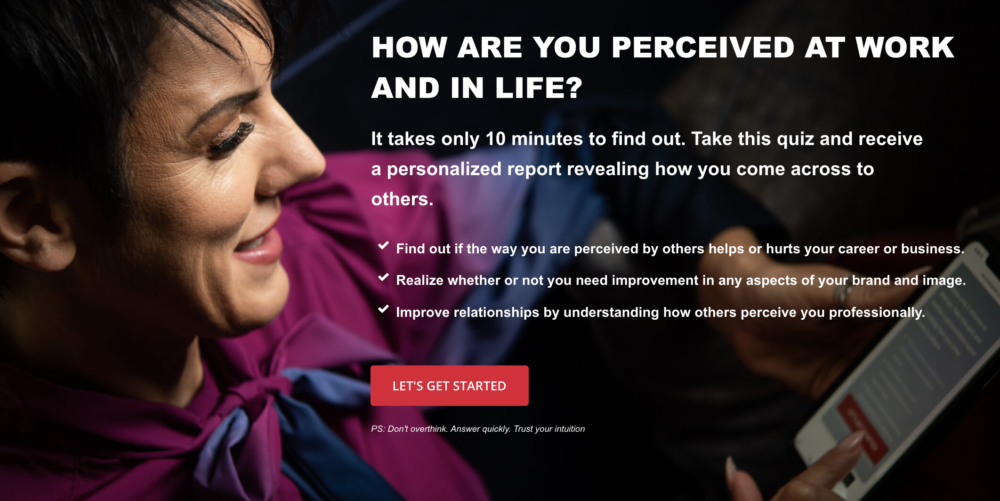
Makeup can enhance your appearance when you use it well. Use it to cover signs of age, and it magnifies them. Too much concealer, foundation or powder settles into wrinkles and highlights the very age spots you are trying to hide. You will not look 50. You will look older.
Your appearance should grow and evolve as you do, so you can move confidently through every stage of life. Keep your look as natural as possible, highlight your strongest features, and add a polished, professional finish.
Why self-care is part of your first impression
Make a point of taking care of yourself. Even if you have spent years caring for your children, your family and everyone else, pay attention to your own development and how you show up for yourself. Invest in your health and your appearance. So many women forget themselves after decades of looking after others.
That might mean good skincare, a massage or a fresh haircut. Or a few updated pieces for your work wardrobe that show people you take care of yourself first, so you can take better care of others.
It feels good, and it sends a quiet message: “I know who I am, and I am proud of what I have achieved.” Whatever your age, people pick that up in a first impression.
It is very common to feel more self-conscious at work as we get older. Just remember that you are putting far more thought into your age than anyone around you. Focus on what you can control, keep a strong physical presence, and your mindset shifts to “age is just a number,” even as a proud member of the wonderful club of women over fifty. That is the mindset of a leader, and it walks into any meeting with confidence.
Want more? Read about gender, race and age stereotypes in the workplace, or have a look at The Image of Leadership: Women’s Edition.
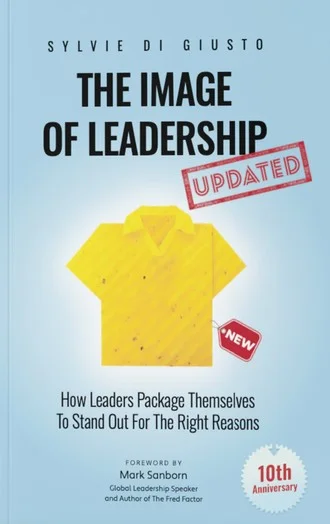
The Image of Leadership
How you look is only the first of five signals people read, and the one that changes most as we age. The Image of Leadership, including its special edition for women, shows you how to align all five with the experienced leader you already are.