Stereotypes in the workplace judge the label, not the work
Stereotypes in the workplace are assumptions about a person’s abilities or character based on their gender, race or age, not on their work. They rarely come alone: most professionals face several at once, and that intersection shapes how colleagues, managers and clients perceive them, in leadership roles as much as in sales.
Every day, professionals walk into rooms where people have already made assumptions about them. Too emotional. Too young. Too quiet. Too old to learn new tricks. None of it is based on their performance, and all of it affects how their performance is seen.
Here is what gender, race and age stereotypes look like at work, what happens when they overlap, and what you can do about the ones aimed at you.
KEY TAKEAWAYS
- Gender, race and age stereotypes are rooted in history, physical differences, culture and occupational patterns.
- The most damaging effect comes from their intersection, when several stereotypes hit the same person at once.
- Stereotypes show up differently in leadership than in sales and customer service, so the response has to differ too.
- Stereotypes say more about the perceiver than about you, but they still shape your reputation if you ignore them.
- Your appearance, behavior, communication, digital footprint and environment are the five levers you control.
What are the most common stereotypes in the workplace?
Most workplace stereotypes fall into three groups: gender, race and age. Each one grows out of different roots.
Gender stereotypes
Gender stereotypes draw on several factors. One is the traditional roles men and women played in society: women as caretakers and homemakers, men as providers and breadwinners. Another is perceived physical difference: women stereotyped as emotional and weak, men as rational and strong. A third is occupational: women are still underrepresented in fields such as science and technology, which remain male-dominated, so women in those fields (and many others) face additional stereotype threat.
Race stereotypes
Race stereotypes also have several roots. Historically, minorities were discriminated against in education and job opportunities, which fed the false stereotype that minorities are less qualified than members of the majority group. Physical appearance plays a role: groups that look different from the majority, African Americans for example, may face negative stereotypes. And there are cultural differences between groups. Asian Americans, for instance, may be seen as quiet or submissive because of cultural norms associated with their heritage, and those norms may be judged negatively at work.
Age stereotypes
Age stereotypes vary with generational differences: Baby Boomers (born between 1946 and 1964) may be seen as resistant to change, even though they grew up in a time of great social change such as the Civil Rights movement. They vary with life stage: those closer to retirement may be seen as less productive than those starting out. And they vary with physical changes: wrinkles or gray hair can make older workers look less capable in other people’s eyes.
What happens when stereotypes intersect?
These stereotypes rarely show up alone. Their combination is what does the most damage. If you are a woman of color working in customer service, perception may already be tainted by gender and racial stereotypes before you say a word. If you are a young male professional, you may be seen as less experienced than older colleagues and face expectations attached to your gender at the same time.
Remember: stereotypes do not reflect who you are as a professional. They reflect the perceptions and assumptions others make based on outward appearance and bias.
They are also not always negative. Sometimes they can work in your favor. With a skeptical or hesitant client, it may help to lean into stereotypical qualities that appeal to them, such as being assertive or decisive.
Stereotypes say more about the person holding them than about you. Your job is to give them better evidence.
How do gender stereotypes affect women and men at work?
At first glance, gender stereotypes may seem like a thing of the past. Women are shattering glass ceilings, men take on more caregiving at home. And yet the perception that men and women are inherently different still holds sway: men seen as more logical or analytical, women as overly emotional or more focused on family than career.
Gender stereotypes in leadership
The most common stereotype professional women face concerns their leadership. They are seen as not assertive enough, or as too emotional to lead, and many feel they constantly have to prove themselves.
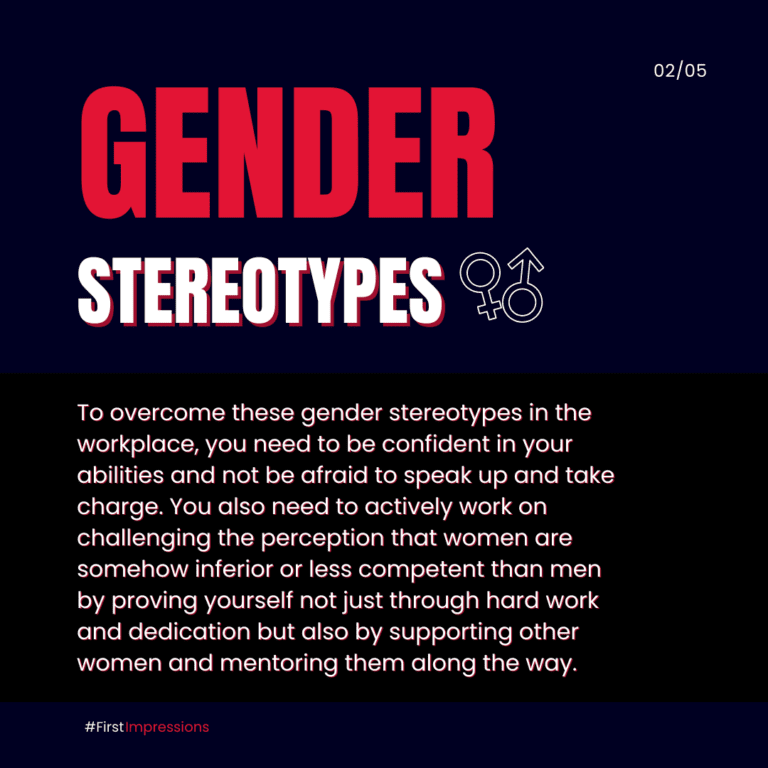
To overcome it, be confident in your abilities, speak up and take charge. Challenge the perception that women are less competent, not only through hard work and dedication, but also by supporting and mentoring other women along the way.
Gender stereotypes in sales and customer service
Sales and service are not immune. Many men assume women are not good at negotiating or persuading, and women often feel they have to prove their ability to sell more than their male colleagues do.
In sales, which is still often male-dominated, actively seek opportunities to prove yourself: take on more challenging accounts, put yourself out there, take risks. Do not let gender-based stereotypes hold you back from your goals.
In customer service, stereotypes appear in client interactions. Men may be perceived as having more authority or credibility, while women risk being judged as too “aggressive” or pushy. Be confident in your skills, do not let yourself be intimidated, and build strong relationships by being approachable and understanding while staying professional. That is how you prove gender stereotypes wrong, in sales, service and everywhere else.
How do race stereotypes affect professionals?
Stereotypes can look like harmless generalizations. At work, they have a significant impact on success and reputation, and racial stereotypes are a prime example. They are common perceptions of racial and ethnic groups, often based on false assumptions or negative attitudes.
Some people assume all members of a particular race are lazy or unintelligent. There is no evidence for that. These are stereotypes, and they do not hold true for anyone.
Race stereotypes in leadership
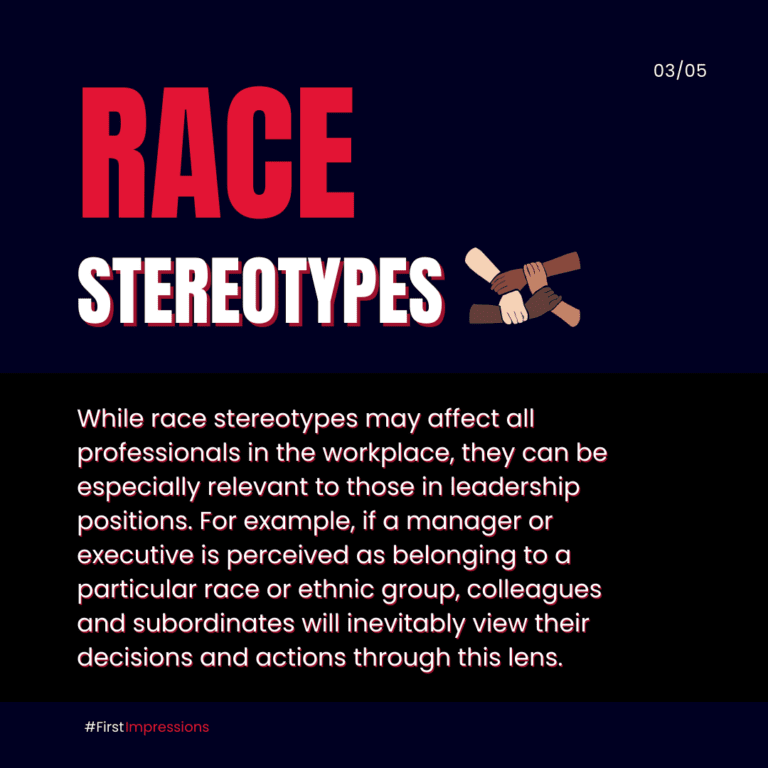
Race stereotypes can be especially damaging for leaders. When a manager or executive belongs to a particular racial or ethnic group, colleagues and team members may view their decisions through that lens. Leaders of color often have to work constantly so these preconceived notions do not unfairly tarnish their professional brand and reputation.
Be proactive about your brand and reputation: manage perception actively, focus on your skills and accomplishments, network in your field and communicate effectively with colleagues and clients. And stay aware of the biases that may exist in yourself or your organization, so you can reduce them and build a more inclusive, supportive workplace.
Race stereotypes in sales and customer service
Customer representatives and account managers deal with clients from a wide range of backgrounds. They need to handle those interactions well, and they need to understand how race stereotypes can affect their relationships.
If a customer perceives the representative as belonging to a particular racial or ethnic group, that perception may color their attitude. The answer is a proactive approach: build strong relationships, understand clients’ needs and preferences, and communicate clearly throughout. Stay aware of biases in yourself and your organization, so you can work against them and create a more inclusive and productive environment, and so you are not left at the mercy of other people’s prejudgment.
How do age stereotypes affect your career?
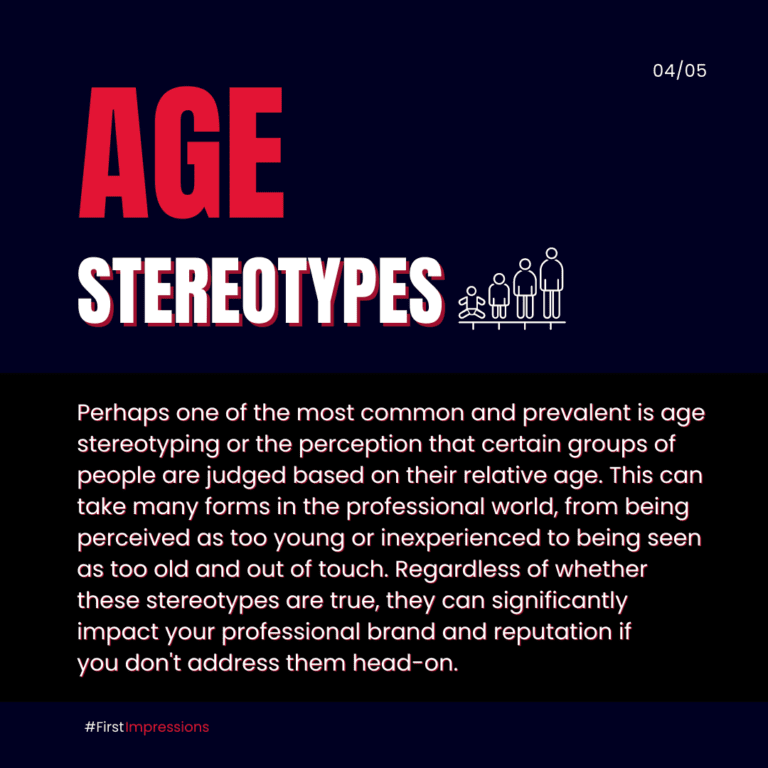
Age stereotyping may be the most widespread of all: judging people by their relative age. You can be seen as too young and inexperienced, or as too old and out of touch. Whether or not the stereotype is true, it can significantly affect your professional brand and reputation if you do not address it head-on.
Age stereotypes in leadership
Younger leaders are seen as inexperienced and unable to handle bigger responsibilities. Older leaders are seen as set in their ways and unable to adapt. Either way, there is an unfair bias against anyone outside the “norm” for age and leadership.
If you are a young professional climbing the ladder, address the perception that you lack skills or experience proactively: build your professional brand through strategic networking, take on challenging projects and seek mentorship from seasoned professionals.
If you are an older professional, be aware of the perception that you may lack adaptability. Invest in your development, stay current with emerging trends and technologies, and work closely with younger colleagues to gain their perspective and feedback.
Either way, build a reputation as a competent leader who can rise to any challenge: develop the skills seen as strengths and show, visibly, that you can lead and manage others. Stay focused on your goals, keep learning and build strong relationships. With time and effort, you can overcome the perception that holds you back. For more on this, read about avoiding being labeled by your age.
Age stereotypes in sales and customer service
Clients have perceptions about age groups too. Younger people may be seen as more tech-savvy and better at advising on technology and social media. Older clients may be more receptive to advice from someone who seems more experienced.
Focus on building solid relationships and understanding your clients’ needs and preferences. Research their background or interests to understand how they perceive age, and adapt your approach based on feedback from your team. Patience, dedication and high-quality results will outlast any stereotype.
Are you facing any of these stereotypes at work? Let me know. It is really me on the other side.
How can you overcome stereotypes in the workplace?
How do you avoid being unfairly stereotyped? Build a professional brand and reputation that reflect your true strengths. My ABCDE model gives you five levers.
Your appearance
Your appearance is one of the first things people notice in a professional setting. Pay attention to it and dress in a way that projects confidence, professionalism and authority.
Your behavior
Be mindful of how you act. Stay professional and respectful in every interaction, and avoid harmful or disruptive behavior that can tarnish your reputation.
Your communication
The words you choose and how you say them shape your professional image. Choose them carefully, watch your tone and speak positively about yourself and others.
Your digital footprint
How you represent yourself online matters, from the content of your social media posts to the language in your emails to your overall online presence.
Your environment
Consider the broader context of where you work. Your professional environment significantly affects how others perceive and interact with you, so choose a workplace that allows healthy communication and real collaboration.
In the end, breaking free from stereotypes comes down to perception: how others perceive you and, more importantly, how you choose to perceive yourself. Stay true to who you are while staying aware of how others see you. Stereotypes will always exist, and none of us fully escapes them. With the right mindset and strategies, you can still rise above them, build your brand and reputation, and succeed in your career. That is worth the effort.
Stereotypes in the workplace in a nutshell

Discover Your Fair Advantage
The very things stereotypes target, your gender, your background, your age, can become the reason people choose you. In Discover Your Fair Advantage, I show you how to turn what others see as a disadvantage into your unique selling points.
Frequently asked questions
What are examples of stereotypes in the workplace?
Common examples include assuming women are too emotional to lead or weaker negotiators, that men are more logical, that members of certain racial groups are less qualified, that older employees resist change or technology, and that younger employees lack experience. None of these is based on an individual’s actual performance.
What is intersectionality in workplace stereotypes?
It means several stereotypes affect the same person at once, such as gender and race, or age and gender. A woman of color in customer service, for example, may face gender and racial assumptions simultaneously. The combination is usually more damaging than any single stereotype on its own.
How can I overcome stereotypes at work?
Build a professional brand that puts your real strengths on display. Pay attention to your appearance, behavior, communication, digital footprint and environment. Speak up, take on visible challenges, keep learning, seek mentors and build strong relationships. Over time, consistent evidence outweighs the assumption.
How do stereotypes affect sales and customer service?
Clients bring assumptions about gender, race and age into every interaction, for example that women negotiate less effectively or that younger staff know technology better. Those perceptions shape trust and credibility. Strong relationships, a deep understanding of the client’s needs and consistently high-quality results counter them.