Overlooked at work? Stop being the best kept secret
If you feel overlooked at work despite strong results, you may be the best kept secret in your organization. Great work does not speak for itself. To be seen, quiet your self-doubt, know your unique value, promote it authentically, look for visible opportunities and stop hiding what makes you different.
Tired of being the best kept secret at work? You make a real contribution, your skills are remarkable, and still nobody seems to notice. It is disheartening, and you are far from the only one.
Let’s look at why this happens and what you can do about it. Your brilliance is not the problem. Its invisibility is.
KEY TAKEAWAYS
- Feeling invisible at work chips away at your self-esteem and can feed self-doubt and imposter syndrome.
- Being overlooked says nothing about your true value. It is a visibility problem, not a worth problem.
- Challenge negative self-talk and remind yourself of past accomplishments.
- Authentic self-promotion focuses on the value you deliver, not on bragging.
- Take on visible projects, stretch assignments, collaborations and networking.
- Standing out never means pretending to be someone else.
Why does being overlooked at work hurt so much?
You pour your heart and soul into your work and it goes unrecognized. That is frustrating, for employees and for business owners leading their own teams.
Beyond the frustration, feeling invisible has a real psychological cost. It erodes your self-esteem and leaves you questioning your worth and your abilities. Over time, it can turn into self-doubt and imposter syndrome, despite all the evidence of your competence.
Naming the dilemma is the first step out of it. Admitting the frustration and disappointment lets you look for the root causes and for solutions. And it helps to know you are not alone: being unseen is the result of external factors, not a reflection of your true value. Which means you can change the story.
How do you break free from self-doubt?
Overcoming self-doubt and imposter syndrome is how you step out of the shadows. Both are internal barriers that stop you from owning your worth and showing your unique value.
Self-doubt is a relentless companion. It whispers destructive thoughts that undermine your abilities and achievements. Those doubts are usually unfounded, the product of comparison and perfectionism. You are more capable than you give yourself credit for.
Imposter syndrome goes a step further. It convinces you that you are a fraud and that your success is luck or circumstance. In reality, your achievements are the result of your hard work, skills and talent. Owning your worth means acknowledging your successes and giving yourself credit where it is due.
Building self-confidence takes reflection and a shift in mindset:
- Identify and challenge the negative self-talk that feeds your self-doubt.
- Replace limiting beliefs with reminders of what you have already accomplished.
- Get clear on your unique value. What sets you apart? Which strengths, skills and experiences make you invaluable?
- Take the time to reflect on those qualities until you understand your value clearly. That clarity fuels confidence, and it lets you show your brilliance authentically.
You deserve recognition and success. Start by believing it yourself.
How do you promote yourself without bragging?
Self-promotion is the most direct way out of the best kept secret syndrome. The key is doing it authentically, without sounding like a braggart.
Authentic self-promotion starts with a clear understanding of your unique value proposition. That is the foundation of your professional brand narrative: telling your story in a compelling, honest way, so people understand who you are and what you bring to the table.
- Focus on value, not just achievements. Talk about the problems you solve, the impact you make and the results you deliver. Shifting from self-centered promotion to value-driven contribution resonates with decision-makers and positions you as a trusted expert.
- Use different channels to amplify your message. Social media, networking events, industry conferences, thought leadership articles. Choose the ones your target audience actually uses and where your expertise shows best.
Self-promotion may feel uncomfortable at first. Feel the discomfort and do it anyway, because it is how you build visibility and create opportunities. It is not bragging. It is confidently sharing your value. For practical ways to do it, read the fine line between bragging and positioning.
Authentic self-promotion is not bragging. It is confidently sharing your value with the people who need to know it.
Where do you find opportunities to be seen?
Exceptional talent is not enough. You have to actively look for places to show it.
- Lead projects. Step up and take charge of projects and initiatives that match your skills and passions. You become a visible asset to the organization or the industry.
- Take stretch assignments. Look for work that pushes your boundaries and shows your unique abilities. You demonstrate expertise and learn something new at the same time.
- Collaborate. Team up with colleagues, other teams or external partners. Combined skills and perspectives deliver exceptional results, and they put you in front of more people.
- Network. Build real connections with colleagues, industry professionals and thought leaders. Attend conferences, join professional associations, take part in online communities in your field. Networking is about genuine relationships and mutual support, not collecting business cards.
- Share your wins. Tell colleagues and your wider network about your successes, milestones and recognition. Consistently highlighting what you achieve builds a track record people remember. If you are not sure how to ask, start with these 25 ways to ask for recognition at work.
Visibility is not a one-time effort. It is a habit.
How do you step into the spotlight and stay yourself?
This is not about meeting society’s expectations or becoming someone you are not. It is about standing out in a way that is true to you.
- Celebrate what makes you unique. Your strengths, skills and talents, but also your quirks, passions and the experiences that shaped you. Honor those qualities and you tap into the potential they hold.
- Connect your uniqueness to value. What sets you apart? Creative problem solving, an ability to connect with people on a deep level, innovative thinking? Name it, then weave it into your work.
Standing out never means pretending. People are drawn to authenticity, and it is rare in a world that rewards conformity. Use your true voice, share your perspective and let your personality show in your conversations and contributions.
Push the edges of your comfort zone. And be patient: visibility does not happen overnight. It takes time, effort and perseverance, so celebrate the small wins on the way. Every step brings you closer to being the secret everybody knows.
If feeling overlooked has started to sound like your own voice, read how to overcome self-criticism at work and what to do when you are feeling underappreciated at work.
I am the best kept secret at work in a nutshell




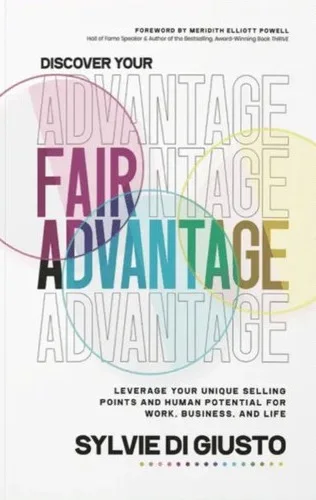
Discover Your Fair Advantage
I wrote Discover Your Fair Advantage for exactly the people this article is about: the ones who are tired of being the best kept secret at work. It helps you find the unique selling points you have stopped noticing and make them visible to the people who decide.
Frequently asked questions
Why do I feel overlooked at work?
Often because your work is visible only to your direct team, because you assume results speak for themselves, or because self-doubt keeps you from sharing your achievements. Decision-makers are busy. If they do not see your value, they cannot reward it, however good your work is.
How do I get noticed at work without bragging?
Focus on the value you create rather than on yourself: the problems you solve, the impact you make and the results you deliver. Share wins in context, take on visible projects, collaborate across teams and choose channels your decision-makers actually pay attention to.
Is feeling invisible at work linked to imposter syndrome?
It can be. Being repeatedly overlooked erodes self-esteem and can feed self-doubt and imposter syndrome, the belief that your success is luck. Reminding yourself of concrete accomplishments and getting clear on your unique value helps break that cycle. So does asking trusted colleagues what they see as your strengths.
What does it mean to be the best kept secret at work?
It means you are highly capable and deliver strong results, but few decision-makers know it. Your talent stays hidden, so promotions, interesting assignments and recognition go to more visible colleagues, even if their work is not better than yours. The fix is not working harder. It is making your value visible.