Why does your self-esteem matter at work?
High self-esteem directly affects how impressive others find us. The most expensive designer clothes cannot make you look as good as your self-confidence does. And since body image is a big part of self-esteem, the way you see yourself matters more than anything else, including whether you fit some “ideal” the media projects onto women.
Start by recognizing that your body is your own, and that whatever shape or size you are is perfect. Think of everything your body has done and still does for you. Maybe you had a child, ran a marathon, or simply get yourself to work and back every day. Never take your physical health for granted. Shift your thinking from what is wrong with your body to what is right about it.
How to stop negative self talk: a two-step mirror exercise
1. Appreciate and accentuate the positives
Describe your body to me. But only the positives, and only those first. Right now, look in the mirror and write down at least five traits you love about yourself. Beautiful eyes? Strong legs? What can you see in a positive light?
Struggling? Consider what researchers have found: other people find you about 20% more attractive than you find yourself in the mirror. When you look in the mirror, you see only your physical form, and you go hunting for flaws. You do not see your magnetic personality, your intellect, your fascinating life experiences or your impressive achievements. Everyone else does.
Now take your five traits. How can you highlight them so you feel more confident? How can you dress to accentuate what you love about yourself?
2. Recognize and camouflage the flaws
We all have flaws. Even the most beautiful people dislike something about themselves, and our imperfections are what make us original. So now think of things you do not like about yourself. And before you start a long list: only one to three.
With your top insecurities on paper, ask how you could change or camouflage them. If you are self-conscious about a double chin, a statement necklace that draws the eye there is not your friend. The same goes for a thick belt if your midsection is what bothers you.
When you are hard on yourself, you give others an invitation to be hard on you as well.
What happens when you stop calling yourself “too anything”?
When you honor and appreciate your body, your age, your gender and your height, the people around you are far more likely to see you the way you want to be seen.
So stop telling yourself you are too old, too short, too “anything.” You are who you are. If the voice in your head is especially loud at work, read how to overcome self-criticism at work in four steps, and if you feel invisible on top of it, here is how to reclaim your confidence when you feel underappreciated.
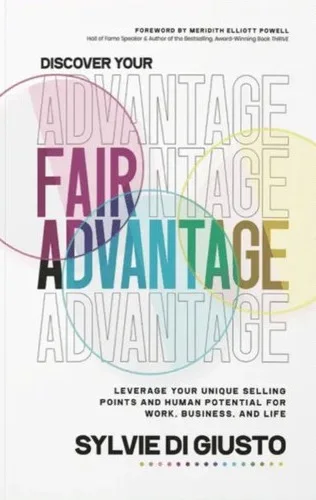
Discover Your Fair Advantage
This idea comes from my book Discover Your Fair Advantage. It is written for everyone who has ever filed their height, weight, age or accent under “handicap”, and it shows you how to turn exactly those traits into the reason people remember and choose you.