Negative emotions at work cost you more than a bad day
Negative emotions at work, such as anger, anxiety, envy, frustration, guilt or helplessness, do not only affect how you feel. They change how you behave, and others read that behavior as a verdict on your competence, reliability and leadership. Recognizing the signs early and managing each emotion protects your decisions and your reputation.
Emotional connections with colleagues, managers and customers matter at work. But some emotions, left unmanaged, push you into behavior that undermines your credibility and authority and clouds your judgment. They also shape how others see you, which leads to conflict and strained relationships.
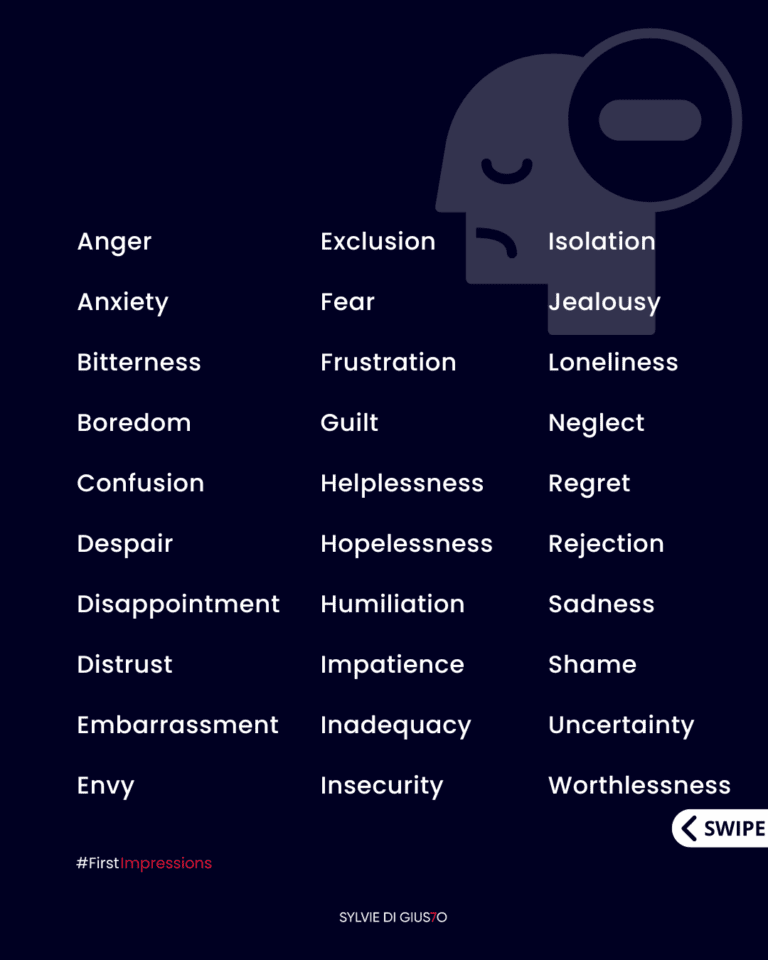
Below are 30 of them, grouped where they travel together, with the signs to watch for and how to manage each. Feeling them is human. Letting them run your day is a choice.
KEY TAKEAWAYS
- Negative emotions hurt sales, leadership and customer service in different but predictable ways.
- Decision-makers rarely see your emotion. They see the behavior and draw conclusions about your competence.
- Many emotions share the same warning signs: withdrawal, outbursts, self-doubt and avoidance.
- Most can be managed with the same tools: stepping back, focusing on what you control, and reaching out to others.
- If feelings such as worthlessness persist or become debilitating, seek professional help.
How do negative emotions at work affect your career?
It depends on your role, but the pattern is the same: the emotion leaks into your behavior, and people judge the behavior.
In sales
- You struggle to build trust and credibility with clients and lose sales opportunities.
- You make poor decisions and miss strategic opportunities.
- Stress, tension and anxiety rise and affect your mental health and well-being.
In leadership
- Communication becomes ineffective and decisions get worse.
- Employees lose motivation and engagement, and their performance and productivity drop.
- Anger or resentment can trigger hostility, aggression or passive resistance in your team.
In customer service
- Interactions with customers turn rude or insensitive.
- Poor decisions hurt customer satisfaction and retention.
- Dealing with demanding customers every day builds stress, frustration and emotional exhaustion.
To keep relationships healthy and avoid these pitfalls, stay aware of your emotions and in control of them. That is how you manage your reactions before they manage your reputation.
Decision-makers rarely see your emotion. They see your behavior, and they draw their conclusions from it.
30 negative emotions at work and how to manage them
Anger
Anger can make you aggressive or hostile, and others start to view you negatively or keep their distance. It also narrows your focus to short-term wins and blinds you to consequences, which leads to poor decisions.
Signs: frequent outbursts of aggressive or hostile behavior; trouble resolving disagreements; a tendency to see others in a negative light.
How to manage it: step back and assess the situation objectively. You may find the anger is not justified, or that other factors are at play. Then address the underlying issue calmly and constructively.
Anxiety
Anxiety feels like dread or unease and keeps your attention on what could go wrong. It makes you doubt your abilities or decide on impulse, and others may see you as less competent or reliable.
Signs: feeling tense or nervous around colleagues, managers or customers; frequent self-doubt; ruminating on negative outcomes.
How to manage it: keep a positive mindset and focus on your strengths. Take regular breaks, do things that help you relax and reach out to colleagues or managers for support.
Bitterness, envy and jealousy
These three make you resentful toward others and fixated on what you lack. They create distance, and there is no value in holding on to them. They only lead to turmoil and hurt your ability to succeed.
Signs: a constant focus on what you lack or have not achieved; envy of other people’s success; a desire to undermine it.
How to manage them: be mindful of your actions and reactions. Focus on what you have rather than what you lack, practice gratitude and work with others instead of against them.
Boredom
Boredom makes you lose focus and disengage. Others read it as laziness or lack of interest, and decision-makers may lose respect for you and question whether you can do the job. More on that in are you perceived as boring at work?
Signs: disengaging from projects; apathy, lethargy and detachment; cutting corners, carelessness or poor decisions.
How to manage it: find ways to engage your interests and stay motivated: set goals and deadlines, look for new challenges or make your work more interesting.
Confusion
Confusion makes you doubt yourself or decide on impulse, and others see you as less competent. When you look confused or indecisive, decision-makers question your judgment.
Signs: impulsive decisions; clinging emotionally to a particular outcome; trouble focusing on key tasks, which leads to procrastination.
How to manage it: stay calm and focused. Ask for clarification or look for resources that help you understand the task.
Despair and hopelessness
People look to you to solve problems, and despair is the opposite of problem solving. It drains focus and motivation, and others see you as apathetic or uninterested in your work.
Signs: avoiding complex tasks; a general lack of energy or motivation; emotional outbursts or criticism of others.
How to manage them: set goals, look for new challenges or make your work more engaging. Reach out to colleagues or managers for encouragement, because staying connected keeps you motivated.
Disappointment
Not everything works out as you hoped. Disappointment can make you lose focus, and others may see you as careless or unprofessional. It also gets in the way of communicating well, which damages relationships over time.
Signs: getting defensive about constructive feedback; avoiding difficult conversations or tasks; emotional detachment from your work and colleagues.
How to manage it: stay flexible and resilient. Set realistic expectations and let go of what is beyond your control.
Exclusion
Business today is about acceptance and diversity. If you exclude anyone because of race, age, beliefs or anything else, it reflects badly on your reputation, and people see you as judgmental, intolerant and inconsiderate. Feeling excluded yourself is just as corrosive: it erodes trust and understanding and makes collaboration harder.
Signs: prejudiced or discriminatory remarks or behavior; frequent feelings of isolation, insecurity or resentment; reluctance to join team activities or social events.
How to manage it: stay open-minded and inclusive. Spend time getting to know others, make an effort to understand different perspectives and be respectful and considerate at all times.
Embarrassment, shame and humiliation
These emotions cost you focus and motivation and lower your perceived competence. They also stop you from communicating openly and asking for help, so others may see you as insecure or incompetent.
Signs: feeling self-conscious or awkward; blushing, sweating, trembling or stammering when you speak; hesitant or avoidant behavior.
How to manage them: stay confident and resilient. Focus on your strengths and achievements and let go of what you cannot control.
Fear
Fear costs focus and motivation and makes others see you as anxious or unsure of yourself. If you seem fearful, decision-makers may hesitate to trust you with important projects, which limits your opportunities and growth.
Signs: trouble putting your thoughts into words; physical symptoms such as sweating, trembling or a racing heart; defensiveness about feedback.
How to manage it: stay calm and grounded. Make time for self-care, ask for support when you need it or simply focus on the task in front of you.
Frustration
Plenty of things at work can frustrate you, and frustration eats into your focus and motivation. Others may see you as unproductive or unreliable, and decision-makers may hesitate to hand you important work.
Signs: emotional outbursts or anger; seeing others as incompetent, uncooperative or slow; unwillingness to collaborate or ask for feedback.
How to manage it: stay patient and calm. Take time to reset and recharge, so frustration does not spill into your relationships or your performance.
Guilt
There is not much to gain from guilt. It fills your head with regret and self-doubt, and others may see you as unconfident or undeserving of success. Decision-makers may worry you will be less committed and hesitate to give you important projects.
Signs: relentless self-criticism or overcommitment to certain tasks; inability to let go of what you cannot control; outbursts aimed at yourself or others.
How to manage it: find constructive ways to process it. Talk to a trusted colleague or manager, reflect on what caused it or take time to reset. If your inner critic is behind it, read how to overcome self-criticism at work.
Helplessness
Helplessness signals that you cannot complete the task at hand. It hurts focus and motivation, and others see you as unproductive or ineffective. Decision-makers may doubt you are up to the challenge.
Signs: excessive pessimism, anxiety or fear about the situation; long periods of withdrawal from colleagues; persistent self-doubt or feelings of inadequacy.
How to manage it: stay confident and resilient after setbacks. Ask for support, focus on what you can control and break complex tasks into smaller steps.
Impatience
Colleagues dragging their feet on a project can make anyone impatient. But impatience hurts your focus, and others may see you as unproductive or unreliable. Decision-makers worry you are missing the big picture or are less committed to the work.
Signs: constant worry about timelines and deadlines; resistance to changes in plans, ideas or processes; distraction and irritability with colleagues.
How to manage it: stay calm and focused. Set clearer expectations for your work, or slow down so everything gets done properly.
Inadequacy, insecurity and uncertainty
In business, confidence is key. These three feelings suggest you are not up to the task, and others may see you as unconfident or undeserving of success. Decision-makers worry you are not competent enough to deliver.
Signs: constant worry about the quality of your work; self-doubt or feeling overwhelmed by a project; anxiety about how others perceive you.
How to manage them: build your self-confidence. Prioritize the areas where you feel strongest, develop a positive mindset and build resilience.
Isolation and loneliness
Everyone feels isolated now and then. Left alone, these emotions can lead to depression and rob you of your optimism. Decision-makers worry that someone who feels isolated may be more prone to outbursts and less likely to collaborate.
Signs: emotional outbursts or negativity toward others; long periods of withdrawal from colleagues; persistent self-doubt or loneliness regardless of the situation.
How to manage them: build and keep strong social connections. Reach out to others, join team and company events and connect with colleagues on a personal level.
Neglect
Feeling neglected can cloud your judgment and make others see you as ungrateful or apathetic. Decision-makers may worry you are not paying attention to the team’s needs or are not committed to the work.
Signs: ignoring or avoiding essential responsibilities; not responding to colleagues, managers or customers; putting off tasks and letting deadlines slip.
How to manage it: develop self-awareness and empathy. Practice active listening, join team activities and communicate your needs openly.
Regret
Learning from mistakes is essential. Dwelling on them is not. Regret clouds your judgment and makes others see you as stuck in the past, unmotivated or unprofessional. Decision-makers may worry you will avoid risks and cling to the status quo.
Signs: constantly dwelling on past mistakes or failures; avoiding new opportunities out of insecurity; a negative mood that persists even when things go well.
How to manage it: build resilience and self-compassion, so you can learn from past mistakes and move forward.
Rejection
Rejection is part of life, and of work. But feeling rejected can make others see you as pessimistic or unapproachable. Decision-makers may worry you will hold back from connecting with colleagues or joining the team.
Signs: turning down opportunities for growth or advancement; a negative mood even after minor setbacks or criticism; avoiding connection out of fear of rejection or vulnerability.
How to manage it: develop self-awareness and focus on connection. Reach out more often, ask your team for support, and build resilience through gratitude and a positive mindset.
Sadness
“Laugh and the world laughs with you, cry and you cry alone.” Plenty of sad things happen in the world. But if you want to succeed at work, an upbeat attitude matters. Sadness clouds judgment, and others may see you as depressed or apathetic. Decision-makers may worry it affects your decisions and productivity.
Signs: a persistently negative mood, often after minor setbacks; avoiding connection because you feel isolated or vulnerable; constant complaining instead of looking for solutions or positives.
How to manage it: practice self-awareness. Ask your team for support, prioritize self-care and stress management and invest in your connections with others.
Worthlessness
If you do not believe in yourself, nobody else will. Do not let worthlessness rule your emotions. Be confident in your abilities and others will feel confident working with you. Left unchecked, worthlessness pushes you into behavior that alienates people or damages your work, such as defensiveness or avoiding collaboration.
Signs: avoiding connection because you feel vulnerable or inadequate; defensiveness, hostility or anger toward colleagues and decision-makers; a negative mood even when you succeed or are praised.
How to manage it: focus on connection. Practice gratitude, refocus on your successes and reach out for support. If these feelings persist or become debilitating, seek professional counseling or therapy.
Why does emotional intelligence matter for emotions at work?
Negative emotions are part of every career. With self-awareness, resilience and strong connections to others, you can manage them in a way that lets you thrive anyway.
Emotional intelligence is what makes that possible. It lets you manage your emotions so they do not damage your relationships or your performance, and gives you the stability to move forward with confidence.
Decision-makers value it because it lets you handle your own emotional states and interact well with others: communicating with colleagues, collaborating on projects, managing difficult conversations or dealing with conflict.
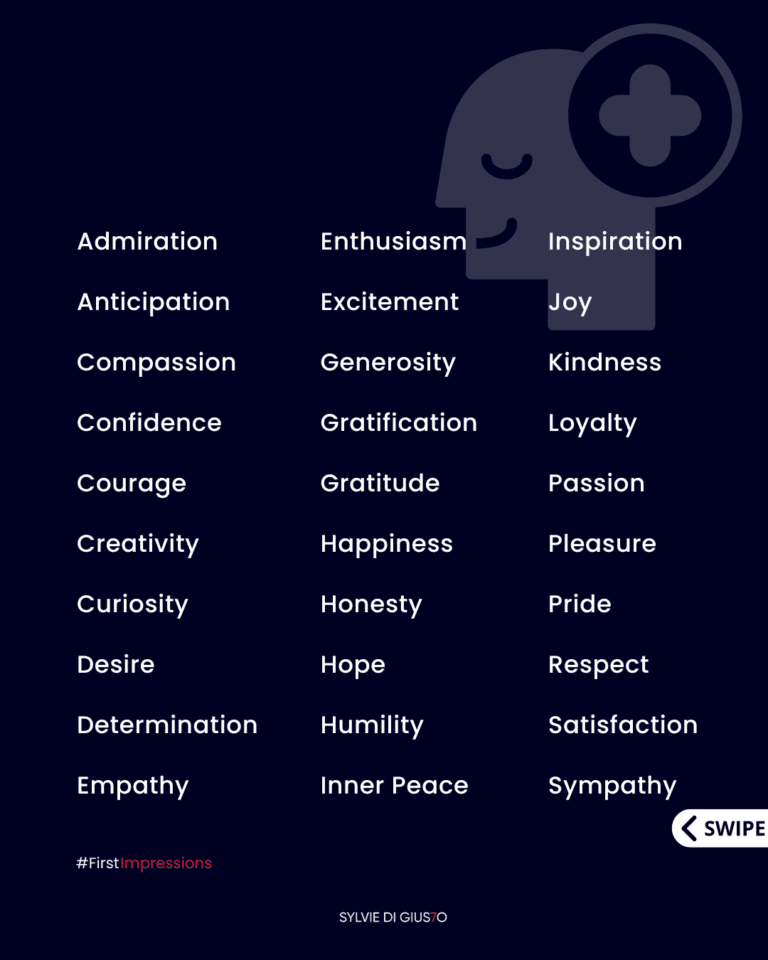
Avoiding emotions that harm your relationships is only half the job. The other half is building positive connections with decision-makers and key stakeholders. Read the companion piece on 30 positive emotions in the workplace. Emotional intelligence also runs through my keynote The Power of Choice.
30 negative emotions at work in a nutshell


How You Resonate
Every emotion in this list leaks into signals others read: your face, your voice, your behavior. My course How You Resonate shows you how those signals add up to the way people perceive you, so a bad day does not turn into a bad reputation.
Frequently asked questions
What are examples of negative emotions in the workplace?
Common examples include anger, anxiety, bitterness, envy, jealousy, boredom, confusion, despair, disappointment, embarrassment, shame, fear, frustration, guilt, helplessness, impatience, insecurity, isolation, loneliness, regret, rejection, sadness and worthlessness. Each one changes behavior in ways colleagues and decision-makers notice, often long before you realize the emotion is showing.
How do negative emotions affect your professional reputation?
People rarely see the emotion itself. They see the behavior it causes, such as outbursts, withdrawal, defensiveness or impulsive decisions, and conclude that you are less competent, reliable or committed. Over time, that can cost you trust, important projects and promotions.
How can I manage negative emotions at work?
Notice the emotion early, step back before reacting and assess the situation objectively. Focus on what you can control, break overwhelming tasks into smaller steps, take breaks, practice gratitude and reach out to trusted colleagues or managers. Seek professional help if feelings persist.
Is it unprofessional to show emotions at work?
No. Emotions are human, and genuine connection at work depends on them. What matters is how you express and manage them. Showing frustration calmly and constructively is very different from an outburst. Emotional intelligence helps you express emotions without letting them damage relationships or decisions.