Why is your digital footprint a permanent record?
Public leaders represent more than themselves: communities, agencies and sometimes entire countries. They are stewards of public trust: financed by taxpayers, elected by constituents, accountable to the very people they serve. Fair or not, the public expects more responsibility and more transparency from them. Every action, every statement, even every silence is read through that lens.
And that perception does not stop at the podium. It lives online. Public leaders do not get the luxury of impulsive posts or personal opinions aired in public. Their posts and even their “private” messages can be screenshotted, leaked, misread or used out of context. The internet does not forget, and neither does the public.
So whether you are debating policy, commenting on the news or sharing a behind-the-scenes moment, keep one question in front of you: would I be comfortable seeing this in tomorrow’s headlines? And a few more:
- Am I comfortable with this post being scrutinized years from now?
- Could this harmless comment be misread or taken out of context?
- If this post were shown in a courtroom or a news segment, would I stand by it?
- Could a single like or share suggest an endorsement I never intended?
- Could my personal opinion be mistaken for official policy, or affect public trust?
What should public leaders on social media watch out for?
Beyond the basics of what not to post on social media, public roles come with considerations most professionals never face. Legal frameworks, ethical expectations and public scrutiny give every click, post and connection extra weight. A few examples:
1. You may not be allowed a personal profile at all
Depending on your role, regulations may prohibit personal accounts to protect confidentiality, maintain trust and prevent conflicts of interest.
2. Your emails can become public records
Emails, texts and internal messages may be subject to public records requests, which means journalists or citizens could read them.
3. Your words in a crisis define your leadership
Misinformation or an insensitive remark can escalate a crisis instead of calming it. In those moments, every sentence is leadership.
4. Every click, like and share carries weight
Even an innocent interaction, such as liking a post, can be read as an endorsement.
5. Cyber threats are real
Public leaders are prime targets for hacking, phishing and cyberattacks. Securing your accounts is not paranoia. It is part of the job.
6. Your digital trail is an archive
Long-forgotten posts, emails or documents can resurface at any moment, usually at the least convenient one.
7. Self-promotion has limits
Building a personal brand can be valuable. But a public leader’s online presence must never look self-serving or conflict with the responsibilities of the role.
Public leadership is about more than policy and decisions. It is about trust. And trust is not built only in big speeches and polished statements. It is built in quiet moments, small interactions and the choices you make when no one seems to be watching. That is just as true online. Because someone always is.
Trust is built in the choices you make when no one seems to be watching. Online, someone always is.
How do you manage your digital reputation before it manages you?
Public leaders cannot afford to be reactive about their digital reputation. A single misstep can go viral in seconds and shape public perception in ways that are hard to undo. So manage it proactively: set clear personal and professional boundaries, secure your accounts and keep an eye on how you are perceived online. Anticipate risks, including misinformation, impersonation and cyberattacks, instead of only responding to them. Five principles help:
- Silence can be stronger than a quick reply. A moment of hesitation before you hit “post” can be the difference between keeping your credibility and starting a controversy. Restraint is a tool.
- Your footprint should reflect integrity, competence and leadership. Every like, comment and share adds to the story of who you are. Managed well, it strengthens your credibility over years. Handled carelessly, it erodes years of trust in seconds.
- Transparency is good. Oversharing is not. Too many personal details or informal thoughts blur the line between public responsibility and private life.
- The internet may forgive, but it rarely forgets. A harmless post from years ago can be revived and taken out of context. Curate your presence with foresight.
- Managed does not mean inauthentic. It means intentional. Thoughtful engagement lets you show your values and confidence and shape your own narrative.
For more, read my conversation on politics and social media with Brad Weisman, what to do when one bad review threatens your reputation, and how your intentional and unintentional digital footprint shape how people see you. If you lead offline as well as online, and you do, the unspoken uniform of public leadership is worth a read too.
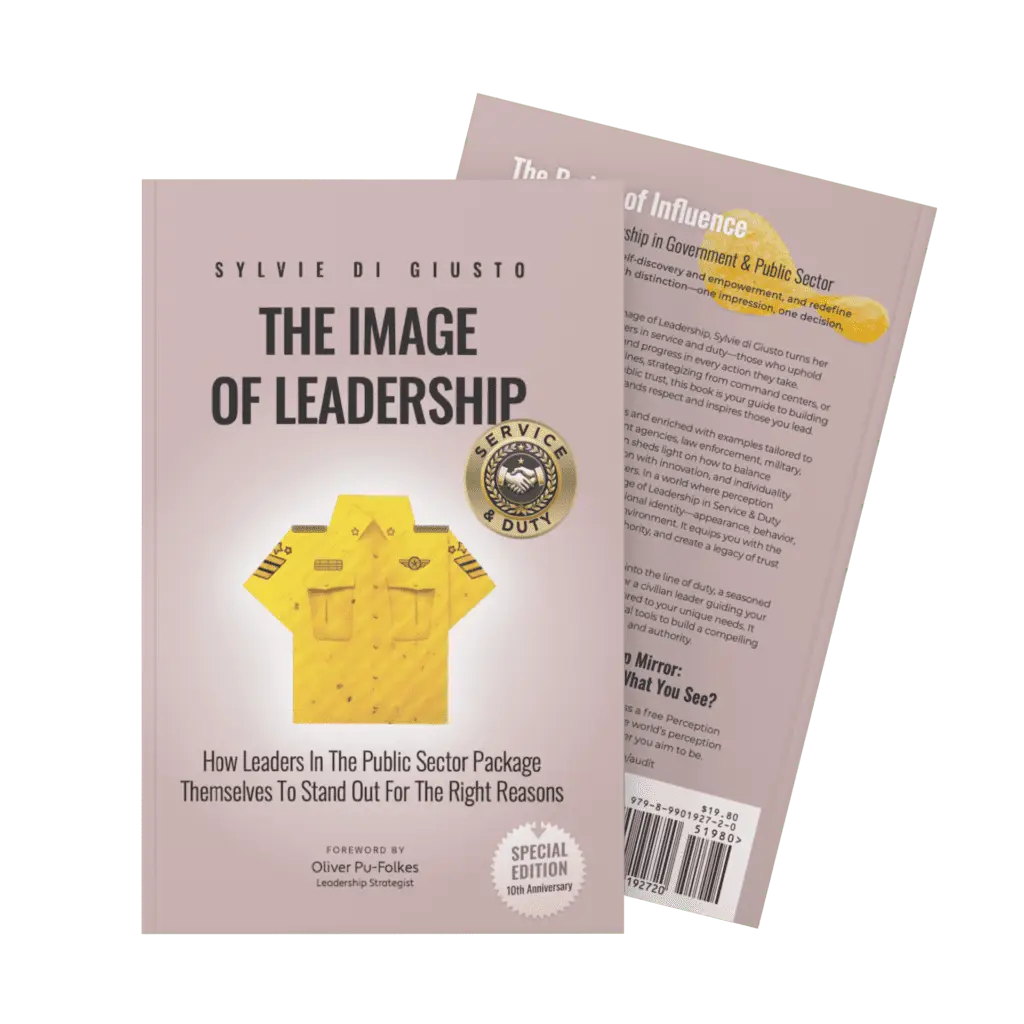
The Image of Leadership in Service & Duty
Digital is one of the five signals people read before they trust a leader. The Service & Duty edition of The Image of Leadership is written for elected officials, administrators, law enforcement leaders and public sector executives who want their presence, online and offline, to reflect the integrity their role demands.