6 ways to overcome a bad first impression
1. Vulnerability
Sometimes you need to help people find a more generous way to interpret what you did. If they see that your intentions were good, even a bad interaction can turn into a neutral or positive one.
If someone learns you cut them off mid-conversation because you got an urgent call that a loved one had been in an accident, they will remember that moment very differently. If they find out you were having an off day because your dog just passed away, empathy kicks in, and the encounter becomes excusable rather than defining. So when things go wrong, be open enough to let people understand you.
2. Rebuild
You may not be able to delete the memory, but you can make new ones. Got off on the wrong foot? All is not lost. If you consistently create better experiences, people begin to re-form their initial picture of you. Eventually they may forget that first encounter altogether, simply because so many good ones have piled up since.
3. Repetition
Repetition is how you get there. Small, repeated interactions build trust fastest. A Harvard study suggests it takes eight subsequent positive encounters to change someone’s negative opinion of you. That means all your future behavior has to match how you want to be seen. If you are determined to win someone over after a rough start, be persistent, consistent and patient.
An initial impression is just that: a beginning. Even when the beginning was a bad one.
4. Honesty
Or simply say sorry. Most people appreciate it when you realize you did something wrong, own it, learn from it, and let everyone move on. Honesty goes a long way toward changing someone’s perception of you. I explain step by step how to apologize at work in a genuine, professional way.
5. Attention
Get to know people better. The better you know others, the easier it is to show them that you actually care. If your coworker has two kids, learn their names and ask how they are doing. Is there a hobby they love, a favorite food, a favorite restaurant?
This is not about prying. First, you show genuine interest. Second, you bring those details back into later conversations to show that you remembered. Third, you build a real connection, so they start to see you in a new way. And remember that the most important part of communication is not speaking. It is listening. Be a good listener, and respect tends to follow.
6. Help
Sometimes you need backup. Let someone else present positive information about you. If the interview for your dream job took a bad turn, a strong reference from a former boss or coworker can turn the tide. When the interviewer sees that people who worked with you only experienced great things, it becomes much easier for them to believe their first impression was off.
Be gentle with yourself after a bad first impression
Look. We all have off days. We are human, not robots. You will not always have your first impression picture-perfectly planned. At some point you will make a bad one. You will not always choose the right outfit, the right attitude, the right words. You will not always be confident, prepared, or able to deliver what is expected.
What you can always do is try your best and remember that an initial impression is just that. A beginning.
How do you fix a wrong first impression? Do you get a second chance?
Take action, or let it be? First, know that everybody makes a “wrong” first impression every now and then. It is only human. Instead of dwelling on it, reflect on what went wrong. Maybe you felt you could have come across as more confident or more approachable. Or maybe you did or said something offensive and now fear the damage to your reputation. In that case, your impression affected you and others.
Once you know who was affected, decide whether to act. If you decide not to, invest that energy in planning your appearance, behavior and communication for future first encounters. Just be aware that you may have triggered an unconscious bias in the people who saw you at your worst, and recovery may take longer.
If you would rather take the initiative and repair the damage, here is an eight-step process.
1. Forgive yourself
First, forgive yourself. We all make mistakes, and we all have off days. How you make things right and grow from it says more about you, as a person and a professional, than the original mistake.
2. Do your homework
Once you have let go of the self-judgment holding you back, analyze what happened. Understand how the other people involved may feel. Ask yourself tough questions: what exactly happened, what were the consequences, how could it have gone better?
3. Apologize
Now that you are clear about your mistakes, apologize. The trick is to actually be sorry. Express your regret with honesty and humility. It is the first step toward regaining trust and being forgiven.
4. Own your mistakes
Claim the blame. Take responsibility for your actions without getting defensive or making excuses. Being transparent about your faults keeps building trust and shows that you do not operate from ego.
5. Do what you say you are going to do
Share what you have learned and how your actions will be different going forward. An apology without action is a manipulation of trust, so make sure you can follow through.
6. Listen
You have said your part. Now listen. Take in what others say in response, and resist the urge to justify yourself. They have every right to express their disappointment or their view of what happened.
7. Be patient
Maybe the hardest step of all. Regaining trust takes patience, perseverance and, above all, time. Expecting instant forgiveness is unreasonable, and rushing people risks undermining the whole process.
8. Let go
At some point, let the experience go. This encounter does not define you, and it often lingers in your thoughts much longer than in anyone else’s. Learn from it, and do not let it consume you.
Curious why people get you wrong in the first place? Read why first impressions can be misleading and how important first impressions really are.
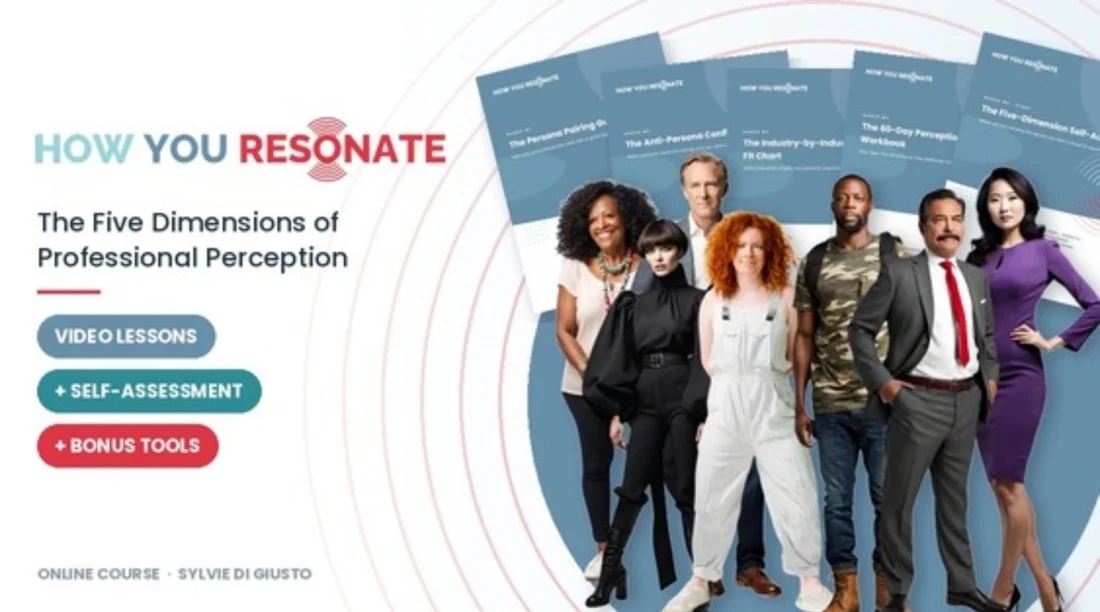
How You Resonate
A bad first impression rarely comes from one big mistake. It comes from signals you did not know you were sending. My online course walks you through the five dimensions people read and the seven personas, so the next first impression is the one you meant to make.