What is emotional intelligence, and how do you build it?
What is emotional intelligence? It is the capacity to be aware of and manage your own emotions and the emotions of others. In practice, it shows up as self-awareness, self-control, empathy and the ability to handle relationships well, at work and everywhere else.
Emotionally intelligent professionals know how they feel and why. They do not let their emotions run the show, and they can see both sides of an issue because they understand how other people feel.
The good news: it is not a fixed trait. Here is what emotional intelligence means, how to spot it, and how to build more of it.
KEY TAKEAWAYS
- Emotional intelligence (EQ) is the ability to recognize and manage your own emotions and those of others.
- The most widely used model has four domains: self-awareness, social awareness, self-management and relationship management.
- IQ predicts academic success. EQ matters at least as much for job performance and relationships.
- High EQ shows in seeking feedback, listening before acting and resolving conflict calmly.
- You can improve it by noticing your emotions, reframing them and practicing empathy on purpose.
What is emotional intelligence? The definition
Emotional intelligence is “the capacity to be aware of and manage one’s own emotions, and the emotions of others.” It helps in every area of life, from leading a team to keeping a friendship.
If you want to develop it, start with three habits. First, notice your emotions: how you feel during the day and what triggers it. Second, manage them: when you feel anger rising, step back before you react. Third, practice compassion: put yourself in the other person’s shoes and look at the situation from their side.
Where did the term emotional intelligence come from?
Psychologists Peter Salovey and John Mayer coined the term in 1990, and Daniel Goleman made it famous a few years later. Since then, it has been studied and written about extensively.
There are several models. Goleman’s is among the most widely used, with four domains:
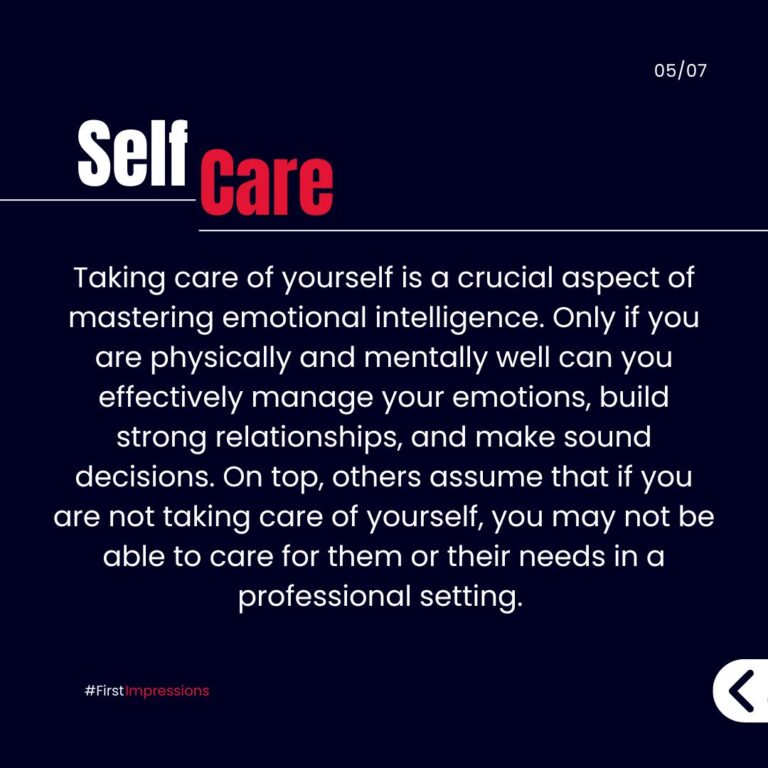
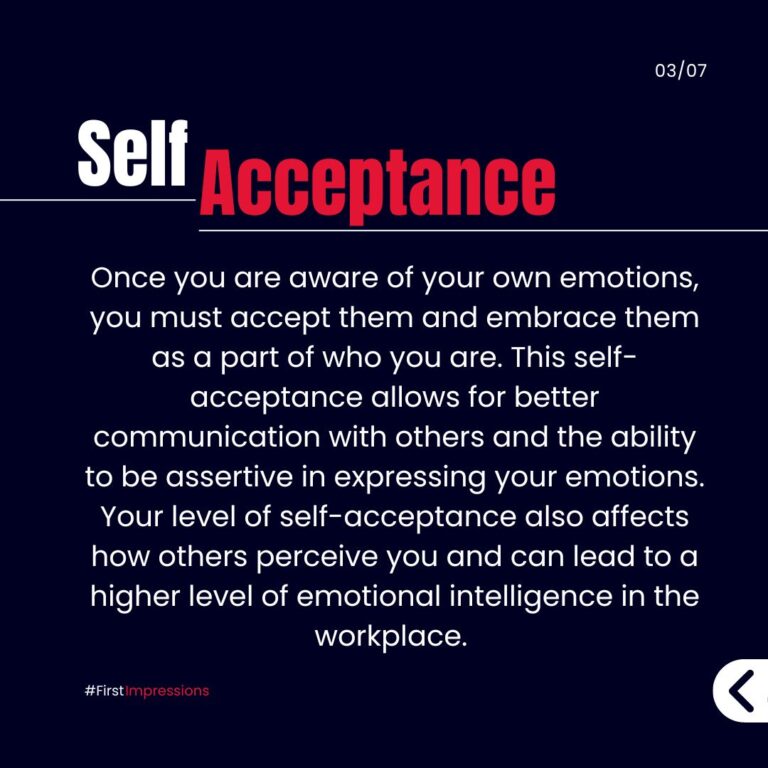
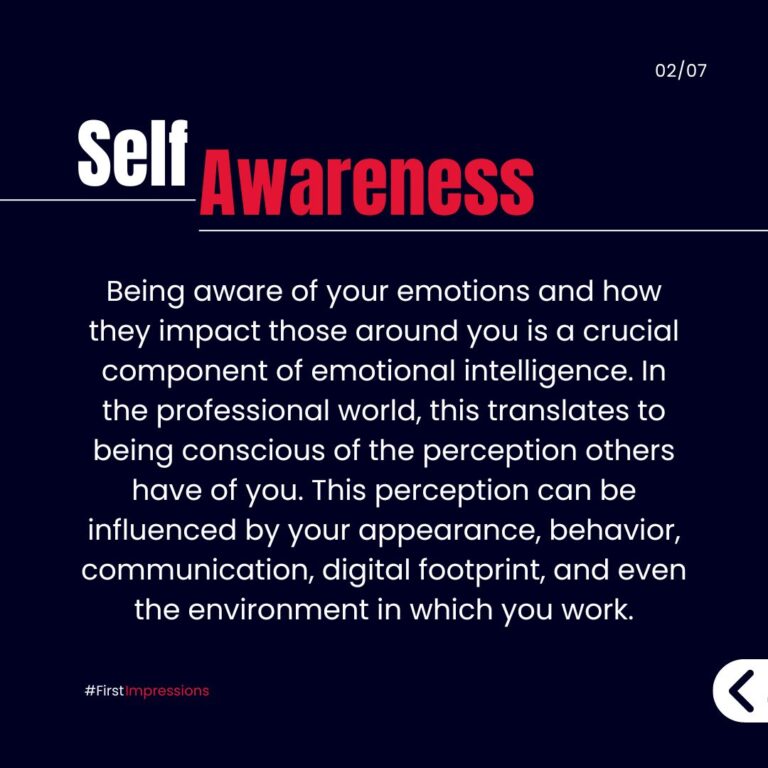
- Self-awareness: knowing your own emotions and how they affect others.
- Social awareness: reading other people’s emotions and social cues, and knowing how to respond.
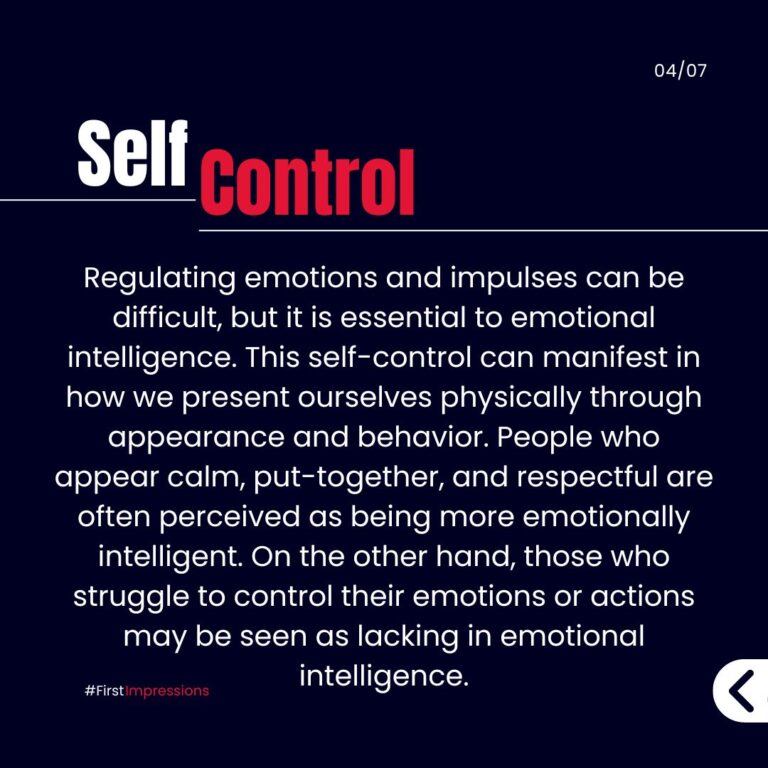
- Self-management: regulating your emotions, handling stress and setting boundaries.
- Relationship management: resolving conflict, listening actively and showing empathy.
Emotional intelligence vs. IQ
Intellectual intelligence is the ability to reason, remember and learn from experience, and your IQ measures those cognitive abilities. IQ matters for academic success. EQ has been shown to matter at least as much for job performance and relationships.
IQ tests only measure certain cognitive skills, not the whole person. Many experts believe motivation and perseverance, both closely linked to emotional intelligence, predict success in life better than IQ alone.
Your IQ may get you hired. Your emotional intelligence decides how far people will follow you.
Signs of high emotional intelligence
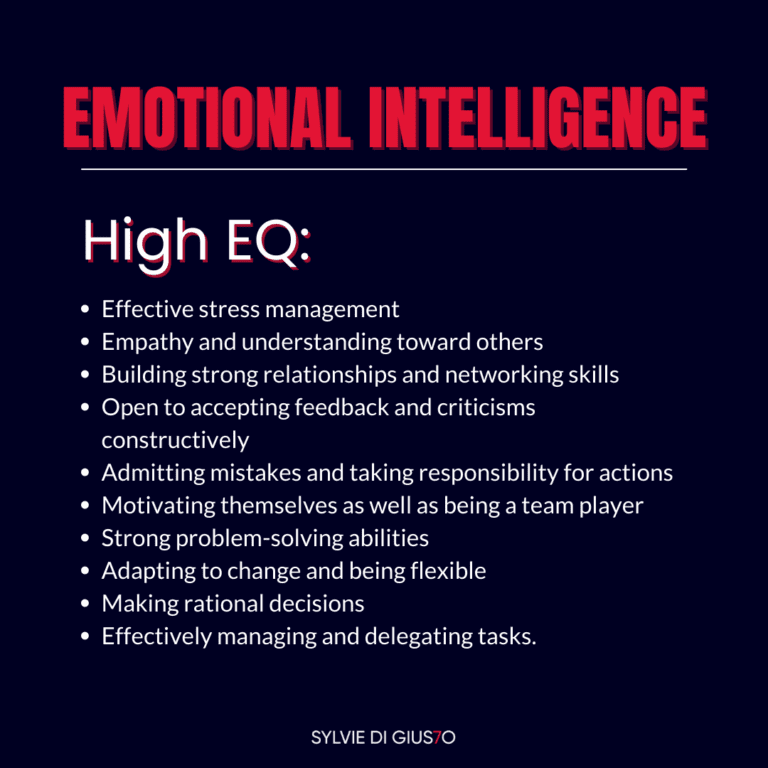
People with high emotional intelligence are in tune with their own emotions and how those emotions affect others. They manage them well, which is essential in leadership, sales, service and any role full of human interaction. You probably have high emotional intelligence if you:
- know what motivates you at work
- understand how your emotions and behavior affect you and others
- recognize your influence on others and work on negative patterns
- actively seek feedback from peers, managers or clients
- listen to other perspectives before you decide or act
- support others in difficult situations without becoming overwhelmed
- resolve conflict and defuse tension without letting emotions rule
- align your actions with the goals and values of your team or organization
- keep working on your own growth
Signs of low emotional intelligence
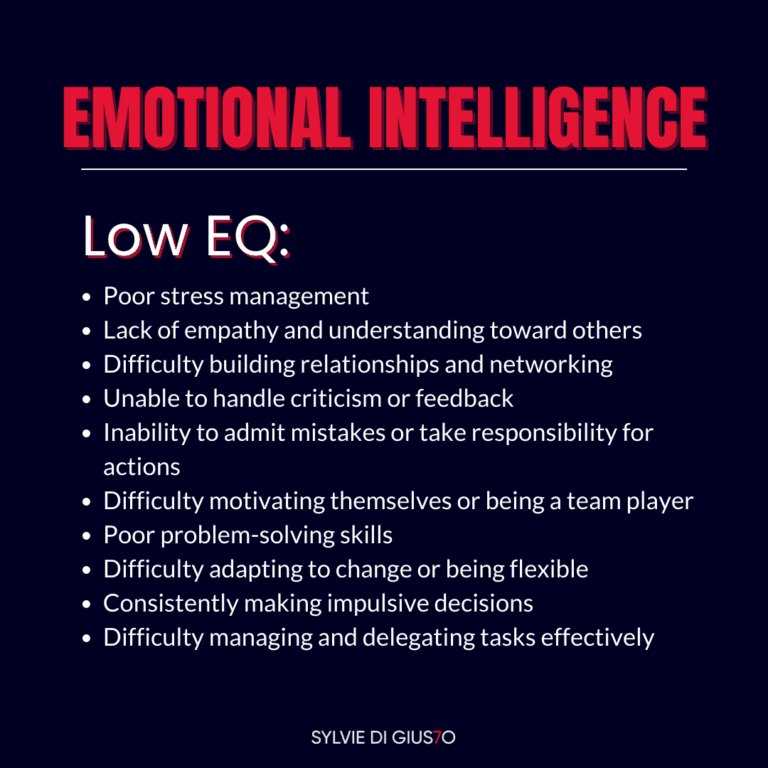
Low emotional intelligence usually means a lack of self-awareness, empathy and self-regulation. The result: strained relationships, trouble responding to how others feel and emotions that escalate instead of resolve. You might struggle with emotional intelligence if you:
- find it hard to identify and understand your emotions
- often act on impulse without considering the consequences
- let emotions take over, so conflicts escalate rather than resolve
- rarely ask others for feedback or advice
- often hear that your behavior is a problem
- take criticism personally and struggle with constructive feedback
- find it hard to keep professional relationships healthy
- struggle to understand other people’s perspectives or feelings
- find it hard to align your actions with the goals and values of your organization
Can emotional intelligence be measured?
Your level of emotional intelligence is often called your EQ, or emotional quotient. Opinions differ on how precisely it can be measured, but there are established tests and evaluations. A typical EQ assessment looks at:
- Self-perception: how accurately you perceive your own emotions
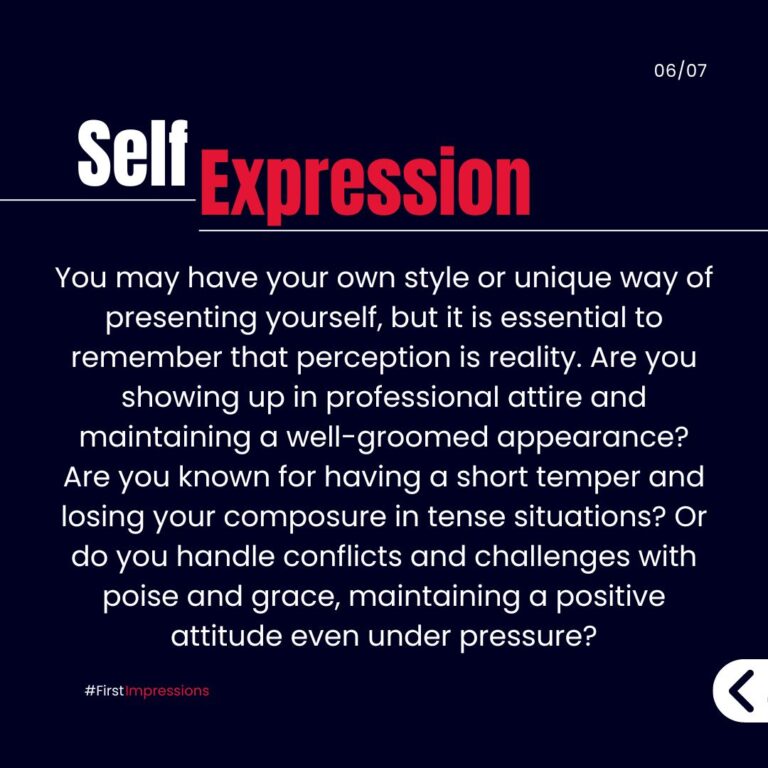
- Self-expression: how effectively you communicate them
- Interpersonal skills: how well you interact with others
- Decision making: how well you decide while emotions are involved
- Stress management: how you handle pressure
Whatever the score, it is worth working on.
How to improve your emotional intelligence
Notice. Ask yourself: why am I feeling this way, and what is making me react like this? Understanding your emotions is the first step to managing them.
Reframe. Change the way you think about a feeling. Anxious about an upcoming event? Call it excitement. Ask yourself what the worst and the best possible outcomes are, and give the second one equal airtime.
Switch perspectives. Ask: if I were in this person’s shoes, how would I feel? Empathy improves relationships and makes communication smoother.
Does emotional intelligence change with age?
Experts disagree. Some believe emotional intelligence stays relatively stable across our lives. Others argue it can improve, especially during major life changes such as adolescence and early adulthood. Life events, social support and even genetics can all influence how well someone manages emotions.
Why emotional intelligence matters in leadership
Leadership is more than telling people what to do. It is understanding the needs of the people you lead and communicating with them well. Emotionally intelligent leaders create a positive work environment, build trust, resolve conflict and know how to motivate their teams to do their best work. More in emotional intelligence for leaders.
Why emotional intelligence matters in sales
Salespeople with high EQ read their customers better. If a customer seems anxious during a conversation, an emotionally intelligent salesperson notices and addresses the concern right away, which helps close the sale and keep the relationship. More in emotional intelligence in sales.
Emotional intelligence also runs through my keynote The Power of Choice, because every signal you send is a choice.
More on emotional intelligence
- Can emotional intelligence be learned?
- The 5 elements of emotional intelligence
- Benefits of emotional intelligence in the workplace
- Emotional intelligence and first impressions
- Positive emotions in the workplace
- Negative emotions at work
- Maximizing your emotional intelligence to make better choices
- Perception in emotional intelligence
- Emotional intelligence in the digital age
Emotional intelligence in a nutshell
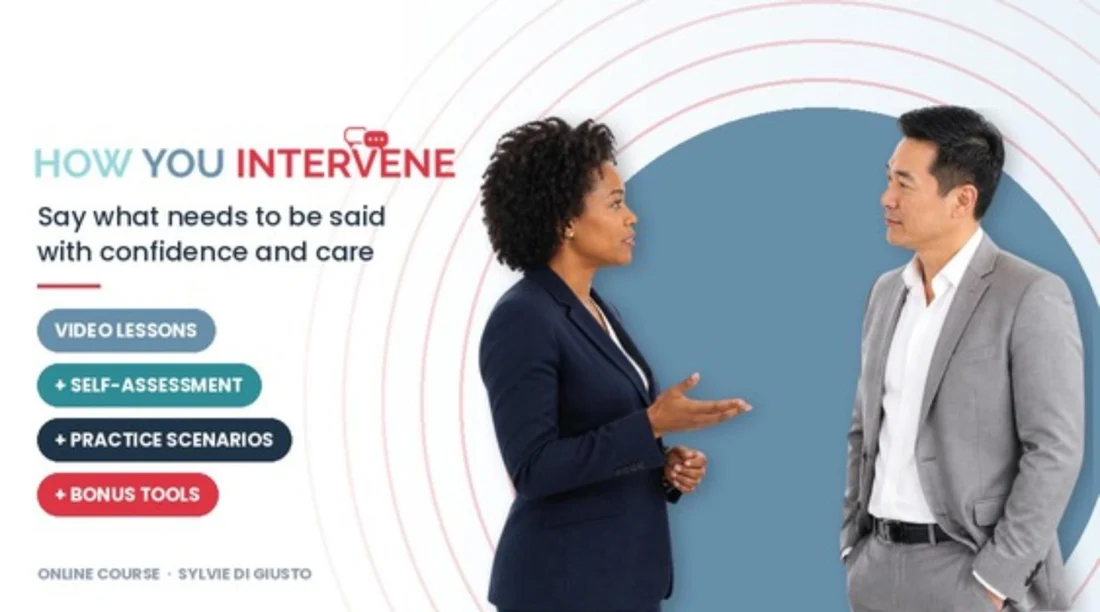
How You Intervene
Relationship management is where emotional intelligence gets tested: the feedback you have been postponing, the conflict nobody wants to name. My course gives you the framework, the language and the scripts to say what needs to be said with confidence and care.
Frequently asked questions
What are the 4 types of emotional intelligence?
In the most widely used model, emotional intelligence has four domains: self-awareness, social awareness, self-management and relationship management. The first two are about recognizing emotions in yourself and others. The last two are about acting on that awareness, by regulating yourself and handling relationships well.
What is an example of emotional intelligence?
A manager notices a usually upbeat team member has gone quiet in meetings. Instead of calling it out in front of everyone, she asks privately how things are going, listens without judging and adjusts the workload. She recognized an emotion, managed her own reaction and protected the relationship.
Is emotional intelligence more important than IQ?
For academic success, IQ tends to matter more. For job performance, leadership and relationships, emotional intelligence matters at least as much and often more, because most work happens with and through other people. The strongest professionals combine both.
Can you learn emotional intelligence?
Yes. Emotional intelligence is a set of skills, not a fixed trait. Regularly naming your emotions, pausing before you react, asking for feedback and practicing perspective-taking all build it over time, at any age.